What Is Cat Grass? Vet-Reviewed Benefits, Safety & Growing Tips


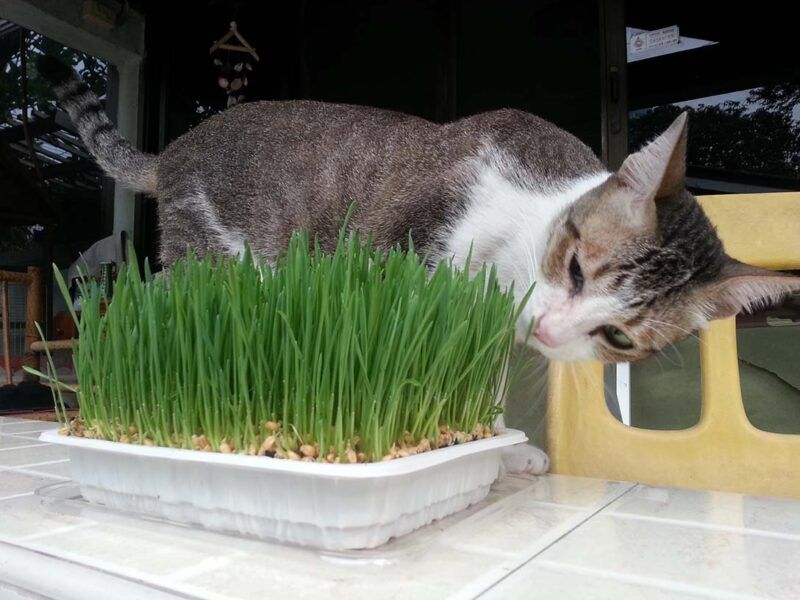
You may have seen your outdoor cat nibbling on the grass outside and wondered what they were up to. Many cats enjoy eating grass, but what about indoor cats that don’t get the chance to chew on that green stuff?
Cat grass is the solution! If you haven’t heard about this before, we’ll tell you everything that you need to know about cat grass. We’ll take a look at exactly what cat grass is and the health benefits that it can offer your cat.
If you’re worried about whether it’s safe for your felines, the good news is that cat grass is completely safe for your cat.

What Is Cat Grass?
Cat grass is grown from a mixture of different grass seeds, including:
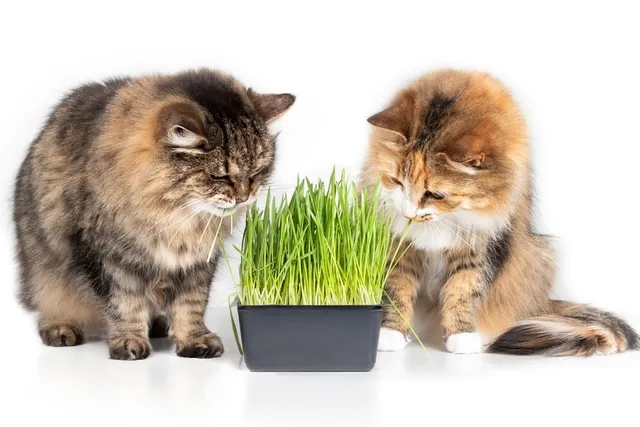
You can buy cat grass kits that include everything you need to get started, including a planter, soil, and seeds.
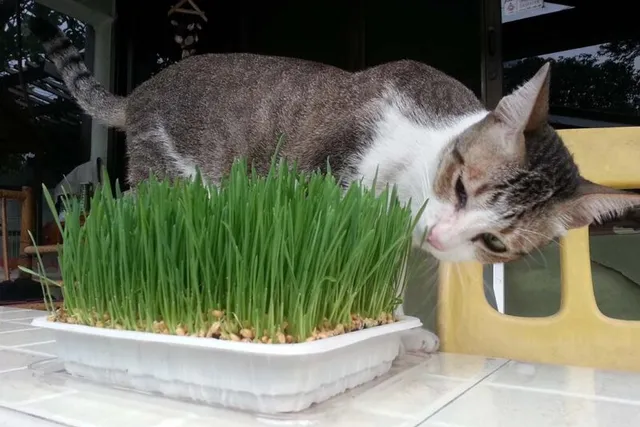
It’s also possible to buy bags of seeds, so you can plant them however you like. This works out as a more cost-effective option if you’re looking to offer your cat grass all year round. Some brands offer one type of grass seed, such as solely wheat or oats, while others offer a blend. You may find that your cat prefers one type of grass to another.
We recommend selecting a brand that uses organic and non-GMO seeds.
Why Do Cats Eat Grass?

Most of us know that cats are obligate carnivores, meaning their digestive systems are designed to process a purely meat-based diet.
So, why do they want to eat grass?
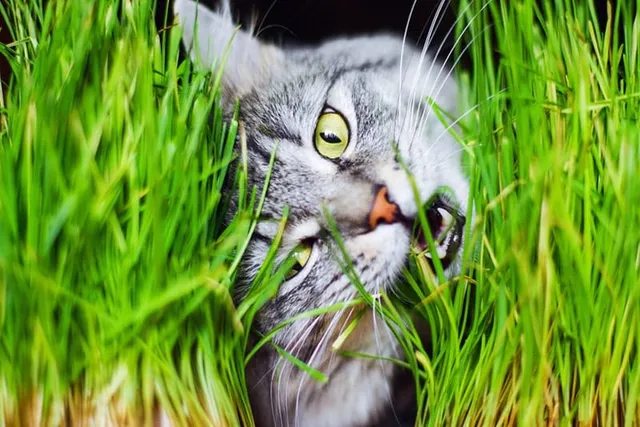
Researchers have studied cats in the wild that often eat a small amount of grass after catching and eating their prey. Previously, it was believed that the grass may help them pass the parts of their meal that aren’t digestible, including the hair, feathers, and bones. Grass can help cats vomit up hairballs as well. But it seems eating grass is an instinctual evolutionary trait cats kept from their ancestors that has a role in getting rid of intestinal parasites as well, by increasing muscle contractions. Cat grass is sometimes confused with catnip, but they’re completely separate things.1
Grass contains nutrients and fiber that cats need, so they may be topping up their levels of vitamins and minerals by eating grass.

Health Benefits of Cat Grass
Cat grass offers plenty of health benefits for your cat, and here, we look at each one in more detail.
Vitamins & Minerals
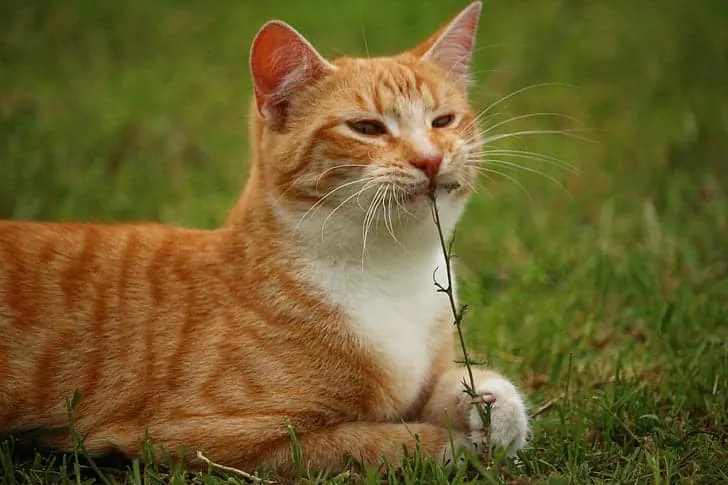
Cat grass is packed full of things that give your cat’s health a boost. It’s full of vitamins A, D, and B, other micronutrients, and chlorophyll. Cat grass is rich in folic acid, a vitamin that helps your cat’s red blood cells produce hemoglobin. This protein carries oxygen through your cat’s body and is essential for keeping them healthy.
Digestive Benefits
Grass adds roughage and fiber to your cat’s diet, which can help their digestive systems function at their best. Cats that regularly eat a small amount of cat grass often have less diarrhea or constipation, fewer hairballs, and a healthier digestive system overall. And as already mentioned, while historically cats were living more independently from people, not having access to regular worming treatments, grass may have aided in expelling intestinal parasites from their gut.
Cat grass can be a good remedy in hairball prevention for some cats.
Grass Contains Chlorophyll

The green color of grass is due to the high amount of chlorophyll that it contains. This is a natural breath freshener, so you may find that your cat’s breath smells better after they’ve been nibbling their cat grass.
Chlorophyll also used to be a popular remedy for pain and infection in people before antibiotics were discovered. So, it could be that your cat is enjoying those advantages as well.

Is Cat Grass Safe?
You may have heard that cats will only be tempted to eat grass when they’re not feeling well, but recent studies have found that this isn’t actually the case. Some cats genuinely just like eating grass! It’s a great enrichment activity for your cat, whether they go outdoors or not.
Eating grass from your lawn or other outdoor areas should be discouraged, however, as this may have been sprayed with pesticides or other harmful chemicals that could affect your cat’s health.
Eating too much grass at once is not safe, as it will not get digested and may cause a blockage of their stomach and guts. Particularly long grass blades may also get stuck at the back of a cat’s throat, causing irritation and pain. This manifests as exaggerated and excessive swallowing, retching, coughing, sometimes sneezing, nasal discharge, reduced appetite, and even vomiting. Your vet can remove this blade of grass after sedating your cat and checking behind their soft palate.
Other Benefits of Cat Grass
If your indoor cat gets a craving for green roughage in their diet, they may start looking around your house to see if they can find anything suitable. If there’s no cat grass on offer, the next best thing is going to be your house plants!
Some cats might like to nibble on the edges of your plants’ leaves, causing damage. While the plant is likely to recover, if your cat chews on a plant that’s toxic, you could be left with a very sick kitty and an expensive veterinary bill.
The ASPCA has a comprehensive list of which plants can be toxic to cats.
If your cat knocks your plant pots over and leaves a mess of soil and chewed leaves, they might be trying to tell you that they’d like something green to eat.
Cat grass offers enrichment to your cat’s environment, which may help reduce the chances of them getting stressed and carrying out antisocial behaviors, like scratching furniture.
How to Grow Cat Grass

If you don’t want to have trays or pots with soil that your cat may tip over, the good news is that you can successfully grow cat grass without using any soil.
Keep a careful eye on any cat grass that you grow, to make sure there is no mold developing. Mold can be quite harmful for cats. If you’re growing cat grass in soil, inspect the roots regularly, and plant a new pot before the stalks get eaten down to the bottom. If your cat grass is in water, change this every few days.
Follow the instructions for your particular brand of cat grass, and replant it regularly so your cat always has a fresh supply of new shoots to enjoy. We like to plant cat grass in small pots and have a continuous rotation of newly planted seeds, just-sprouted seedlings, and fresh shoots. Our cats eat the fresh shoots, which are replaced by the seedlings after 10-14 days.
How Much Cat Grass Should My Cat Be Eating?
While a small amount of cat grass is beneficial, how much is too much? Any treats, cat grass included, should only make up 10% or less of your cat’s diet. If you find that your cat is regularly eating a whole pot of cat grass within a day or two, consider speaking to your vet for advice or limiting the amount of time that your cat has access to the grass. Your vet should give them a good check over to make sure there are no underlying health reasons for such behavior.
An issue with eating too much grass is the fact cats cannot digest it and it can lead to a build up in their stomach and intestines. This can cause an obstruction that needs prompt veterinary intervention and often surgery.

Conclusion
Cat grass is completely safe and beneficial for your cat and is part of an enriching activity that mimics the behavior of wild cat ancestors. It’s cheap and easy to grow, so you can buy a pack of seeds and make sure your cat always has a fresh supply of cat grass to enjoy.
Cat grass is full of beneficial vitamins and minerals and adds fiber to your cat’s diet. It can also help them deal with hairballs and supports healthy digestion. If your cat is eating too much grass, though, you may want to speak to your vet for advice.
Sources
Featured Image Credit: QueenNuna, Shutterstock
Expert cat care, straight to your inbox
News, insights, and useful advice, delivered to you.

No spam — unsubscribe anytime.
By signing up, you agree to our Terms & Conditions and Privacy & Cookies Policy.
How useful was this post?
Click a star to rate. You can leave written feedback afterwards. (We read all feedback.)
Emma is a freelance writer, specializing in writing about pets, outdoor pursuits, and the environment. Originally from the UK, she has lived in Costa Rica and New Zealand before moving to a smallholding in Spain with her husband, their 4-year-old daughter, and their dogs, cats, horses, and poultry. When she's not writing, Emma can be found taking her dogs for walks in the rolling fields around their home...and usually, at least some of the cats come along, too! Emma is passionate about rescuing animals and providing them with a new life after being abandoned or abused. As well as their own four rescue dogs, she also fosters dogs for re-homing, providing them with love and training while searching for their forever homes.