11 Health Benefits of Cat Grass: Vet-Reviewed Facts & Tips


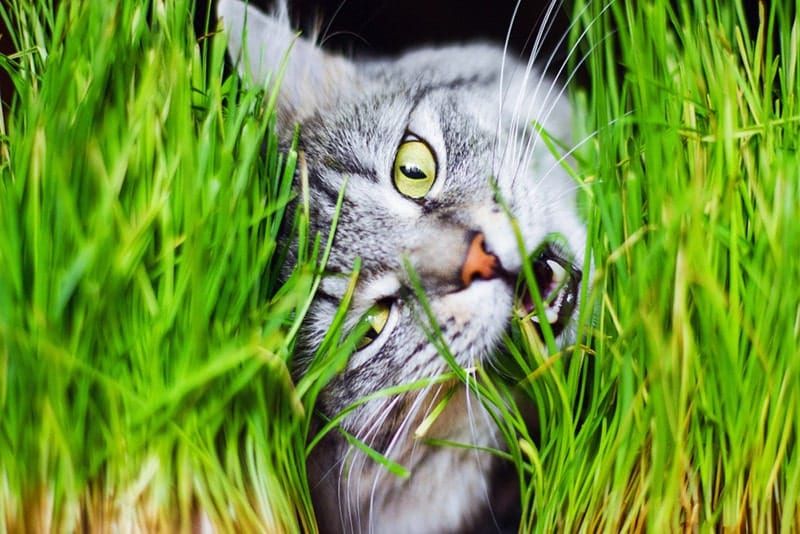
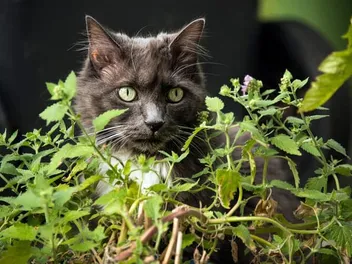
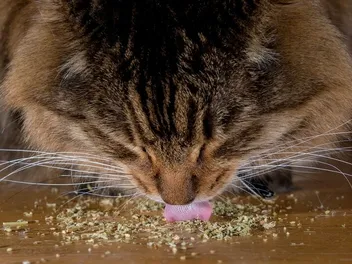
Cat grass is a popular addition to many cat households, offering a variety of health benefits for our feline friends. In this article, we'll explore 11 health benefits of cat grass, providing information on its uses, tips, and safety precautions. We'll also discuss how to incorporate cat grass into your cat's daily routine and ensure they reap the maximum benefits from it.

The 11 Health Benefits of Cat Grass
1. Aids in Digestion
Digestion plays a crucial role in maintaining your cat's overall health. Cat grass can be an effective aid in promoting healthy digestion and preventing constipation. Cat grass, especially wheatgrass and oat grass, is rich in fiber. When your cat consumes this fibrous plant material, it helps promote healthy digestion and prevents constipation.
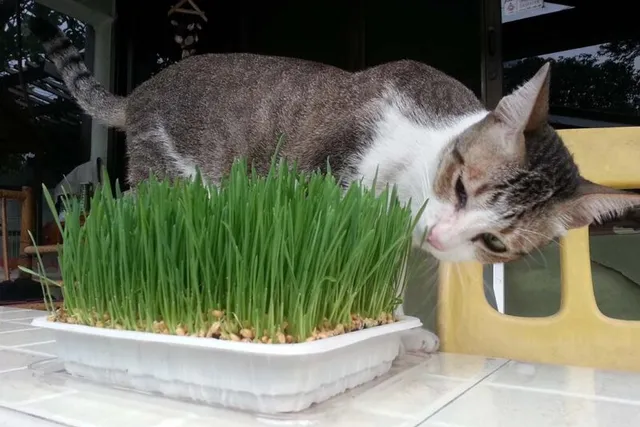
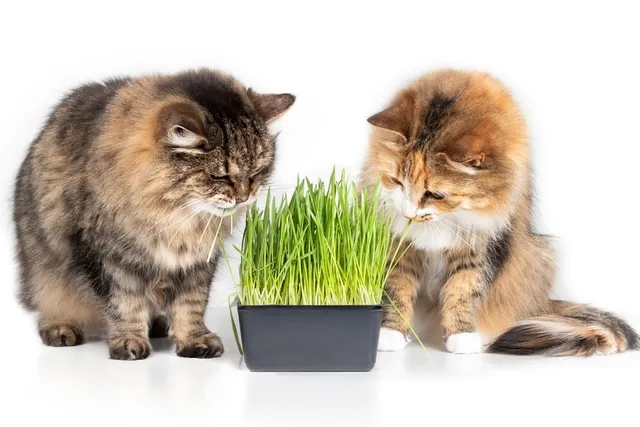
To help your cat maintain a healthy digestive system, place a pot of fresh cat grass somewhere they can reach it. This allows them to munch on the grass whenever they need some extra fiber in their diet. Keep the cat grass fresh by replacing it every 2 weeks. This ensures that your cat gets the maximum nutrient content from the grass and continues to benefit from its digestive properties.
Always monitor your cat when they're eating cat grass. Consuming too much could cause digestive discomfort, so it's essential to keep an eye on their intake.

2. Helps Eliminate and Prevent Hairballs
Hairballs are common among cats, but cat grass can help prevent this problem. Consuming cat grass helps your cat bring up hairballs more easily by inducing vomit. Cat grass can also help prevent the formation of hairballs by providing additional roughage to move hair through their digestive system.
Providing cat grass for your cat to nibble on when they need help with hairball elimination is a simple and natural solution. Place the cat grass in an area where your cat spends a lot of their time. This makes it easily accessible when they feel the need to consume some grass to aid in hairball elimination.
It's essential to monitor your cat's reaction to the grass and address any concerns promptly. If your cat starts to cough or gag excessively while eating cat grass without effectively vomiting, remove the grass and consult your veterinarian.
3. Provides Essential Nutrients
Cats require various essential nutrients to maintain their health, and cat grass can be a valuable source of these nutrients. It contains essential vitamins and minerals, such as vitamin D, folate, calcium, iron, and magnesium. It also contains enzymes and chlorophyll. These nutrients help support overall health and well-being.
To ensure your cat gets the necessary nutrients from cat grass, encourage them to eat it regularly by keeping it fresh and accessible. Remember to monitor your cat's consumption of cat grass to ensure they don't over-consume it.

4. Satisfies Natural Instincts
Cats have a natural instinct to consume grass, and providing cat grass can help satisfy this instinct in a safe and controlled environment free from pesticides and bacteria that may be found on outdoor grass. Offering cat grass allows your indoor cat to satisfy their natural instincts to eat grass, which can help with digestion and hairball elimination. Place cat grass near your cat's favorite lounging spots so they can easily access it when they feel the need. This allows them to engage in their natural behavior while maintaining a safe and controlled environment.
You can also rotate the placement of cat grass around your home to encourage exploration and engagement. This helps stimulate your cat's curiosity and keeps them interested in consuming the grass.
5. Improves Oral Health
Oral health is an essential aspect of your cat's overall well-being, and cat grass can play a role in maintaining it. Chewing on cat grass can help freshen your cat's breath and might even help remove the biofilm from their teeth. This is due to the chlorophyll content that promotes fresher and cleaner breath. However, it does not effectively substitute tooth brushing. Regular tooth brushing is the only effective method to clean the teeth, promote healthy gums, and prevent dental issues like gingivitis and tooth decay.
That said, cat grass is still a safe and effective way to help maintain a cat's oral health. Keep cat grass fresh and accessible for your cat to chew on regularly. This ensures that they can benefit from its oral-freshening properties.
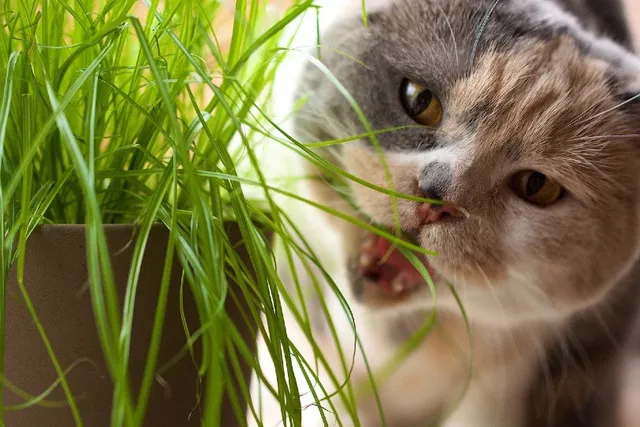
Watch your cat while they're chewing on cat grass to ensure they don't accidentally swallow large pieces. Large pieces can pose a choking hazard, so it's crucial to monitor your cat during their chewing sessions.

6. Acts as a Natural Laxative
Constipation can be an uncomfortable issue for cats, but cat grass can help alleviate this problem by acting as a natural laxative, helping cats pass stool more easily and preventing constipation. Provide cat grass for cats prone to constipation or experiencing difficulty passing stool. It offers a natural alternative to help with their digestive issues.
If your cat's constipation persists or worsens, consult your veterinarian for further advice. It's essential to address any ongoing issues and find the most effective solution for your cat.
7. Provides Stress Relief
Stress can negatively impact your cat's health and well-being, but cat grass can offer a way to help relieve stress and anxiety. Chewing on it can serve as a safer alternative to other stress-related behaviors, such as excessive grooming.
Provide fresh cat grass to give your cat a different way to soothe themselves. Keep cat grass available in areas where your cat spends time to promote relaxation. This ensures they have access to the grass when they need it most.

8. Provides Enrichment
Cats need mental stimulation and enrichment to maintain their overall well-being, and cat grass can be an excellent source of sensory enrichment, keeping them engaged and mentally stimulated. This can help prevent boredom and promote overall happiness.
Incorporate cat grass into your cat's play areas for added enrichment. This provides them with a new element to explore and interact with. Place cat grass in various locations around your home to encourage exploration and play. This helps keep your cat engaged and interested in their environment.
9. Prevents Ingestion of Other Plants
Cats are naturally curious and may be inclined to chew on houseplants or any other plants they have access to. Providing cat grass can help deter your cat from chewing on potentially toxic plants. You can also protect your houseplants by placing cat grass near areas where you have houseplants to redirect your cat's attention and discourage them from chewing on the plants.
If you have a cat, we strongly recommend investigating any plant that you have in the house. Do not keep any known toxic plants at home, and if you are unsure about a plant, please keep it out of reach of your cat, even if they have access to cat grass. It's essential to eliminate any potential risks to your cat's health.

10. Supports Immune System Health
A strong immune system is vital for your cat's overall health, and cat grass can help support it. The digestive system has an essential role in the immune system's duties, as a healthy digestive system is the first part of keeping a cat healthy and less susceptible to illness. Moreover, cat grass is a source of antioxidants that can help improve your cat's immune responses.
Encourage your cat to consume cat grass regularly to support their immune system. It will help maintain their overall well-being and resilience against illness. Keep a consistent supply of fresh cat grass available for your cat. This ensures that they can continue to receive the immune-boosting elements found in the grass.
11. Can Help With Weight Management
Weight management is crucial for maintaining your cat's overall health, and cat grass can play a role in helping with this issue. Chewing on cat grass satisfies your cat's urge to graze without consuming high-calorie treats. This can help with weight management for cats that need to lose weight or maintain a healthy weight.
Conclusion
Cat grass can offer numerous health benefits for your feline friend. Choosing a cat-safe variety, such as wheatgrass or oat grass, and following the tips provided in this article will help ensure your cat enjoys the full range of benefits that cat grass has to offer. By incorporating cat grass into your cat's daily routine, you can support their overall health and well-being. A healthy kitty is a happy kitty!
Sources
Featured Image Credit: KDdesignphoto, Shutterstock

Expert cat care, straight to your inbox
Vet-reviewed advice, behavior tips, and the best of Catster. Free, and you can unsubscribe anytime.
By signing up, you agree to our Terms & Conditions and Privacy & Cookies Policy.
Nicole is a lover of all animals, especially of the feline variety. She's mom to four, three fur babies and a human baby. She and her husband, John, live on a large forest property down in New Zealand.
Their beautiful Burmese cat Baby (who is now 17 years old) was their first child, though he is now called Baby Cat since their human baby joined the party in 2022. The dogs Rosa and Mac also love cats, but the whole family agrees that King Baby Cat is enough cat for this household.
Nicole is the Director of Content Management at Catster and Pangolia. With a Bachelor's degree in Education and years of online experience, she shares her pet knowledge and the knowledge of other professionals with the world, aiming to improve pets and pet parents' lives.
Join the conversation
Ask a question, share your story, or send private feedback.