4 Types of Cat Grass: Vet-Reviewed Growing Tips & What to Avoid


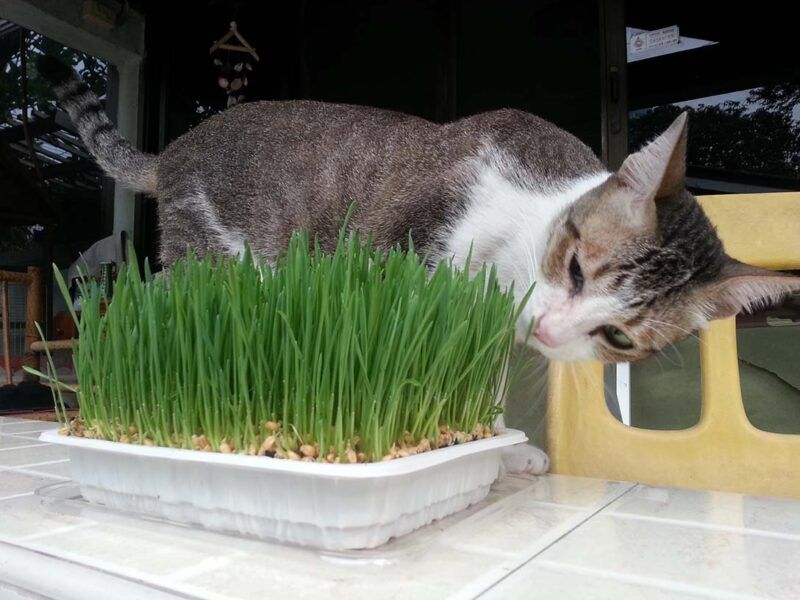
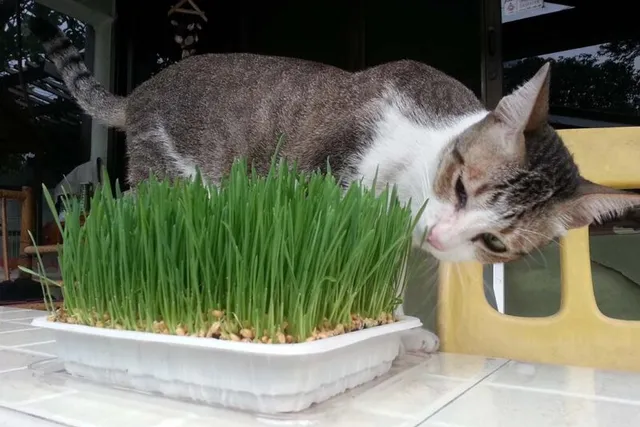
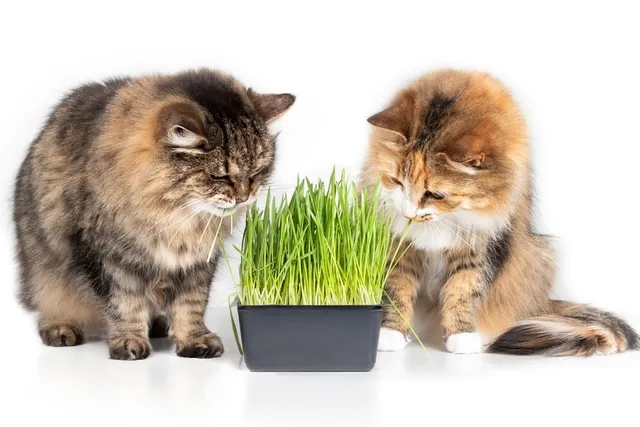
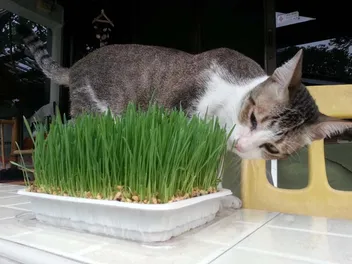
It’s not every cat’s favorite treat, but many cats love snacking on fresh grass. Fresh grass is an important source of fiber for animals, aiding digestion, and cats use it to help vomit up hairballs, too. Cats obtain beneficial micronutrients like folic acid, trace minerals, and vitamins from chewing on grass.
Fiber improves their digestion and prevents constipation and excessive hairball formation. Wild and domestic cats chew on grass, and we recommend growing chemical-free grass at your house to prevent your cat from seeking potentially toxic lawn grass elsewhere.
In this article, we’ll discuss which grasses to avoid and the four best cat grasses you can start growing today. Read on for the details.

Types of Grass to Avoid
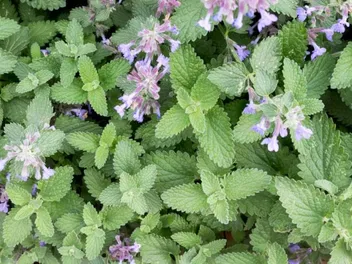
Some types of grass aren’t beneficial, and some are toxic to cats. Before choosing a grass, you should learn which types to avoid.
What to Avoid:
The 4 Types of Cat Grass
1. Oat Grass

| Scientific name | Arrhenatherum |
| Height | 2 feet |
This sweet grass is a favorite among picky cats, although cats do not have sweet taste receptors. It’s faster growing than other grasses but doesn’t last as long, making it a nice occasional snack for your cat. Like other grass, oat grass is helpful for cats who need a bit of fiber in their diet.
2. Wheat Grass

| Scientific name | Triticum aestivum |
| Height | Preferably 4–6 inches |
Wheat grass contains fiber, various micronutrients, vitamins, and minerals. It grows quickly and easily. Many varieties of wheat grass are popular with cats.
3. Orchard Grass

| Scientific name | Dactylis glomerata |
| Height | Can grow up to 24-48 inches |
Also called crow’s foot, this cat grass is the quintessential variety for felines. It hangs around for a long time in the early cool spring season, giving your cat plenty of roughage. Orchard grass is thinner than other grasses but more fibrous, and most cats enjoy it. It is easy to care for, requiring moderate sun and consistent moisture to thrive.
4. Barley Grass

| Scientific name | Hordeum vulgare |
| Height | 2-4 feet |
Barley grass is one of the tallest-growing cat grasses, and it produces a healthy supply of greenery for your cat’s diet. Barley can often be mixed with other types of grass, such as oat and wheat, and it contains many of the same nutrients. You can't go wrong with barley if you’re unsure about which grass to grow for your cat.
Tips for Growing Cat Grass
Cat grass can be grown outdoors, but we recommend growing it indoors in planting trays. It only requires moderate sunlight to grow, and clear trays allow you to regulate the water intake. While you’re buying planting trays, you might also consider growing microgreens for your culinary use.
Growing cat grass is very easy and straightforward, requiring minimal gardening supplies or experience. You simply soak the seeds in a wet, moist environment until they sprout—wet napkins are a popular choice. After they germinate, plant them in a pot or tray of soil. Plant them very shallowly, as grasses don’t have deep roots.
Possible Risks Associated With Cat Grass
Eating too much cat grass at once is not healthy. Grass is not digestible and may lead to a blockage in the cat’s stomach and intestines, requiring surgery or endoscopy.
Inspect your grass regularly for mold, which can also make your cat ill. Some cats that start eating grass may also become very interested in chomping on other plants in the house, and they will not distinguish between the safe and toxic ones.
Make sure you’re familiar with the toxic plants for cats, such as lilies, and do not keep them if you have a cat, as you can never be sure they won’t get to them and be exposed by either eating a part of the plant, getting pollen on their face and skin, or inhaling some. Some species can cause life-threatening effects in your kitty.
Sometimes, a longer grass blade can get stuck at the back of the cat’s mouth, behind the soft palate, leading to signs of exaggerated and excessive swallowing, drooling, gagging, retching, nasal discharge, sneezing, or vomiting. This will require veterinary attention.
If you are concerned about the health and well-being of your pet, seek veterinary advice for the best course of action.
Conclusion
Cat grass is a small but useful part of any feline’s diet. They need a primarily meat-based diet, but a bit of green roughage may help their digestion and make hairballs less of a pain. Too much can cause a gastrointestinal blockage and other digestive signs, so make sure your cat isn’t constantly chowing down on your cat grass as it grows.
You Might Also Be Interested In: How to Grow Cat Grass Without Soil (Step-by-Step Guide)
Sources
How to Grow Cat Grass : 5 Steps (with Pictures) - Instructables
Where the Green Grass Grows: Grass Treats for Cats | VCA | VCA Animal Hospitals
Estimated proximate composition of wheat grass powder and chlorophyll content of fresh wheat grass
Oat grass | Cereal Grass, Edible Grain & Nutritious Food | Britannica
Featured Image Credit: QueenNuna, Shutterstock
Expert cat care, straight to your inbox
News, insights, and useful advice, delivered to you.

No spam — unsubscribe anytime.
By signing up, you agree to our Terms & Conditions and Privacy & Cookies Policy.
How useful was this post?
Click a star to rate. You can leave written feedback afterwards. (We read all feedback.)
Codee Chessher is a freelance writer with extensive knowledge on a variety of subjects that include travel, DIY, pets, and more. He has a colorful past but the written word was always his first love. He believes there's nothing a well-worded sentence can't accomplish!
When not writing, Codee enjoys reading fantasy novels, tackling DIY projects around the house, and memorizing useless pop culture trivia. He has lived in many places around the US, and most recently resides in northern Mexico.