Are Cats Playful? Vet-Reviewed Feline Character Explained

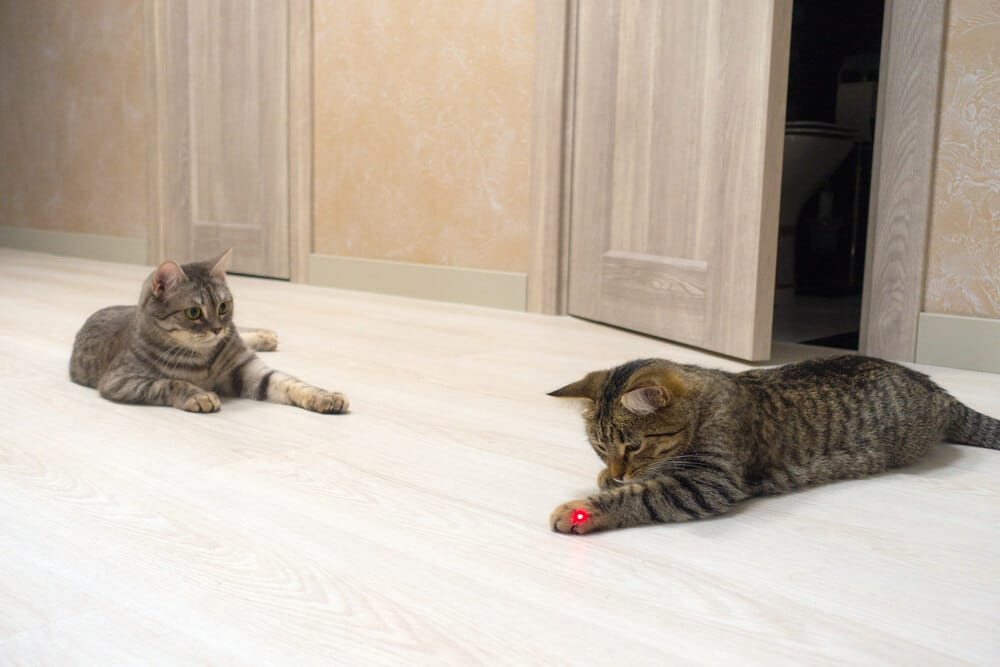
Absolutely, most cats love to play! However, cats vary a lot in temperament depending on their breed, gender, and other factors. Some breeds are particularly known for being playful, like the Bombay, while others are known for not being playful.
The vast majority of cats are very playful and active as kittens. However, as they get older, they may become slightly less active. This isn't necessarily true for all cats, though. Some stay pretty active even into their adult years.
There is very little way to know whether or not your cat will be playful or not as an adult. While their breed can provide you with a hint, every cat is an individual with their own unique characteristics.

Are Most Cats Playful or Lazy?
Honestly, it depends on the cat and the specific situation. Some cats are very playful nearly all the time, like kittens. If you find yourself with an exceptionally playful kitten, it may seem like all they do is run around the house!
Other cats may be far more relaxed and barely play at all. Certain breeds are known for their tendency to cuddle and lay around a lot, which makes them a good choice for someone looking for more of a laidback feline. Of course, many of these cats are still quite playful when they are kittens, but they may quickly calm down as they age.
It's important to note that cats do need more sleep than a person, and they tend to spread this sleep out over each 24-hour period. They don't necessarily sleep all night like we do. Therefore, you may notice that even more active cats tend to sleep quite a bit during the day. This behavior isn't a sign of laziness. It's just how cats are.
Do Cats Actually Like Playing?
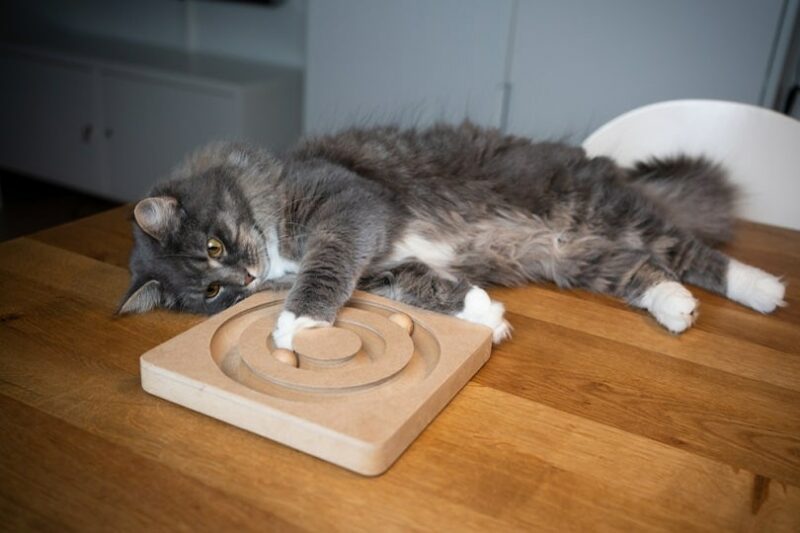
Many cats will enjoy playing. While cats are often very good at entertaining themselves, they still love playing with their humans as it provides them with an outlet for their physical and mental energy, while strengthening their bond.
Kittens and more active cats tend to be the most interested in playtime. They may even initiate it themselves by pouncing on your feet or trying to chase you around the house. These behaviors are a sign that your cat wants to play with you.
Other cats may not be so interested in playtime. Laidback breeds don't tend to be very active, which may prevent them from really engaging in playtime. These breeds still need some exercise, though, so you should encourage them to play for at least a few minutes a day.
A lack of interest in playing can also be a sign of an underlying issue. If a cat is out of shape, they may be less likely to play simply because they get tired relatively fast. These cats can be encouraged to exercise more, which can build their tolerance to playtime. Overweight cats also fall in this category, as their extra weight can make playing harder. Exercise is even more important for these cats, though, as it can help them lose the extra weight.
If you need guidance on helping your overweight cat, we advise you to seek advice from a vet.
Is It Good That My Cat is Playful?
It is a good sign that your cat is playful. However, it isn’t necessarily a bad thing if your cat isn’t playful. Some cats are more playful than others, but that doesn’t mean there is something wrong with cats that aren’t naturally playful.
However, if your feline is playing, it’s a good sign that they are feeling pretty good. Cats don’t tend to exercise if they are feeling sick or stressed. Play is also good for cats. It helps them maintain a healthy weight and develop their coordination. It keeps them mentally stimulated, as well, which can help prevent them from being bored.
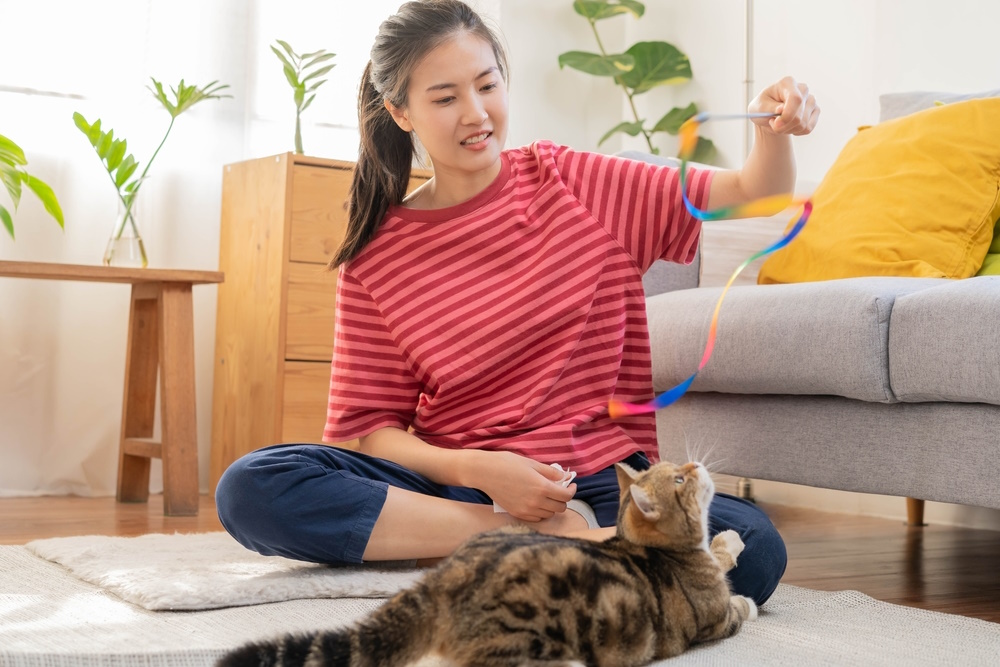
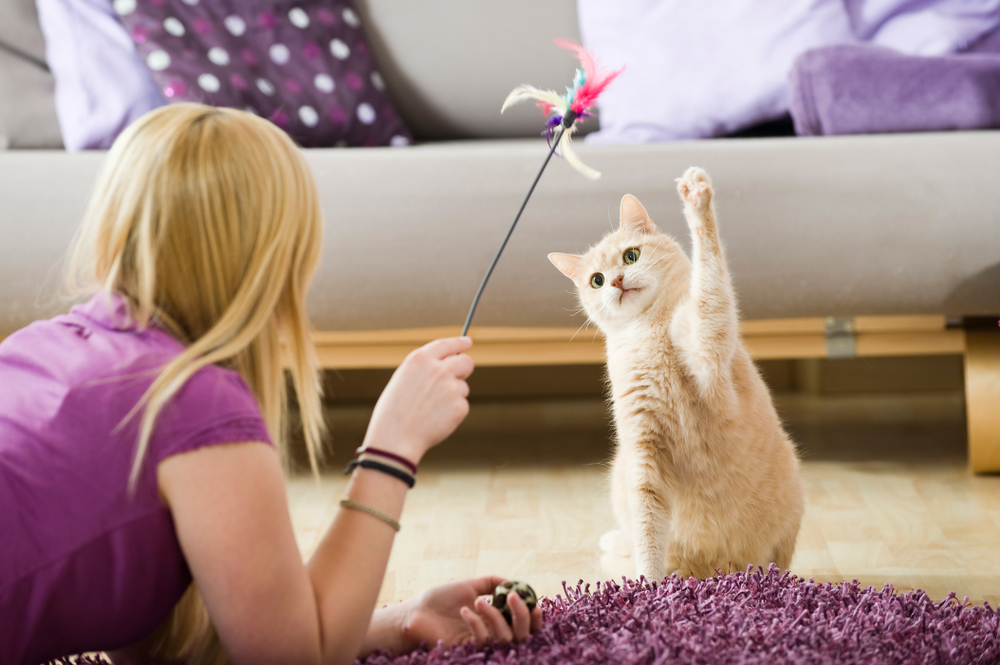
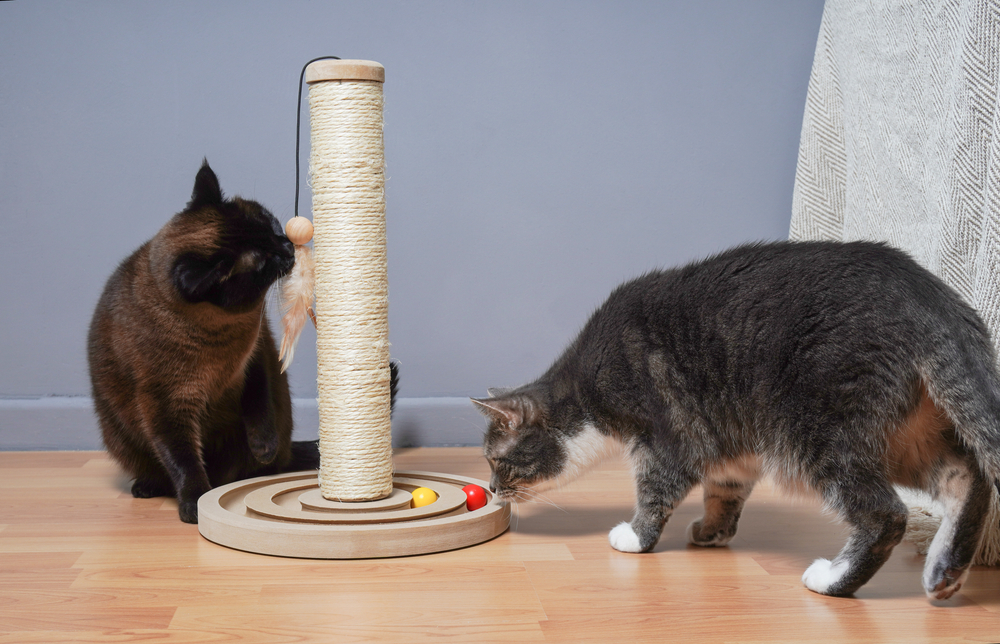
If you want to encourage your cat to be playful, consider providing lots of toys and encouraging them to play with you. Get a cat wand or another interactive cat toy to help encourage your feline to play. However, it’s important to remember that not all cats are playful, and that isn’t necessarily a bad thing. You should consider your cat’s temperament, too.
Why Are Some Cats So Playful?
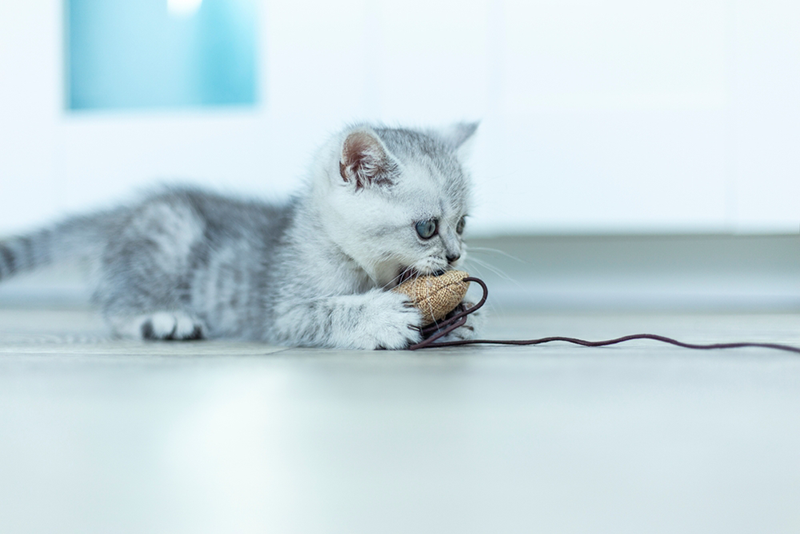
Often, very playful behavior is common when cats are kittens, as they tend to have tons of energy at this time. However, this has a very practical benefit. By being very playful, kittens develop their hunting skills, which they originally relied on to keep themselves fed. Therefore, kittens had to be playful, or these skills wouldn’t have developed by the time they reached adulthood.
Furthermore, play is also helpful in keeping cats fit. Exercise is important for cats, just like it is important for humans. It helps them maintain a healthy weight, which is important for their health.
Play is also very mentally stimulating, which prevents the cats from becoming bored. It can also keep their mind sharp, especially as they age. Interactive toys are particularly mentally stimulating, especially if you select a toy at the correct difficulty level for your cat.
Therefore, play is fun for cats, but it also has a pretty real evolutionary role. It’s how cats practice their hunting skills and stay active.

What Happens If You Don’t Play with Your Cat?
If you don’t play with your cat or provide them with any way to engage in play, there are several potentially negative effects. Cats need to play and they need to have engaging and interesting toys. When bored, cats will often try to make their own fun, which is often not what you want them to do. Cats may meow excessively, scratch what they aren’t supposed to, get into things, or urinate outside the litter box.
When not playing, cats may also gain excess weight, leading to health issues and other problems. They may not be able to play as much as they once did because they simply aren’t in good health.
Stress and anxiety can also occur if a cat doesn’t have a proper outlet for mental stimulation. Without play, they may become stressed due to their unmet needs. They may even get stress-related illnesses.
Conclusion
Play is a natural part of a cat’s life. It plays an important role in their development of survival skills and helps keep them from gaining too much weight. Kittens are often the most playful, as they have lots of skills that must be developed.
However, all cats need to play—even when they are older. It keeps them in shape and provides them with some mental stimulation. It’s important to keep your cat playing for as long as possible to help keep them healthy.
Sources
https://vcahospitals.com/know-your-pet/kitten-behavior-and-training-play-and-investigative-behaviors
https://www.petsradar.com/advice/are-cats-playful
Featured Image Credit: Wanda_Lizm, Shutterstock

Expert cat care, straight to your inbox
Vet-reviewed advice, behavior tips, and the best of Catster. Free, and you can unsubscribe anytime.
By signing up, you agree to our Terms & Conditions and Privacy & Cookies Policy.
Kristin is passionate about helping pet parents create a fulfilling life with their pets by informing them on the latest scientific research and helping them choose the best products for their pets. She currently resides in Tennessee with four dogs, three cats, two fish, and a lizard, though she has dreams of owning chickens one-day!
Join the conversation
Ask a question, share your story, or send private feedback.