Do Cats Hate Having Their Whiskers Touched? Vet-Verified Facts & Info


In this article
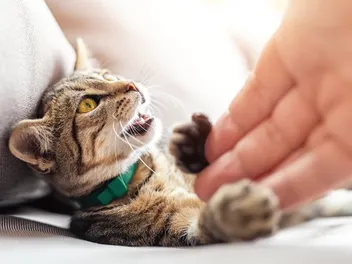
Whiskers aren’t just there to make your cat look cute. They act as an important sensory feature to pull signals from the environment into your cat’s brain and nervous system. Because their whiskers are so sensitive, some cats hate having their whiskers touched.
Curious to learn more? Read on about cat whiskers and why they don’t like to be touched too much.

What Are Cat Whiskers? What Are They For?

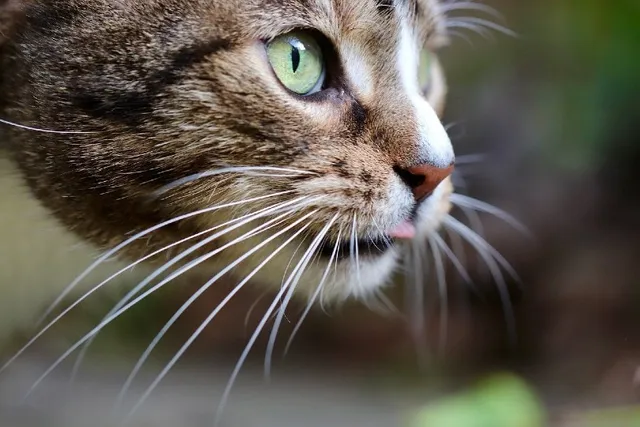
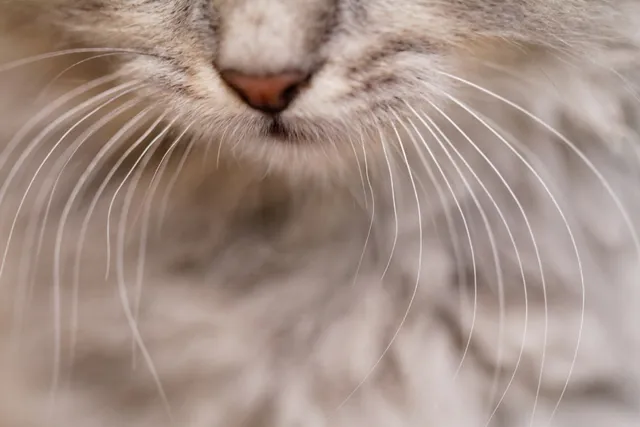
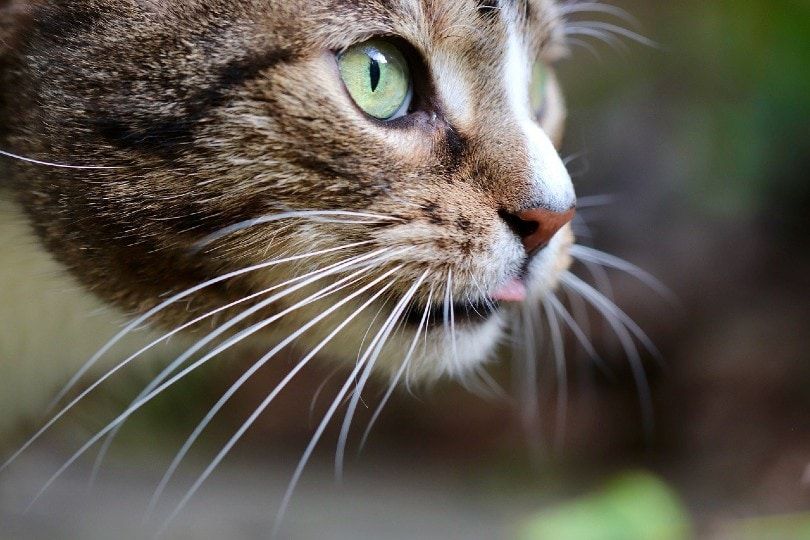
Cat whiskers have follicles like other hair, but they’re thicker, longer, and coarser than their body hair. In addition, their roots are embedded deeper in the skin and richly supplied with nerves and blood vessels, making them much more sensitive than regular hairs. In fact, cat whiskers are as sensitive as your fingertips.
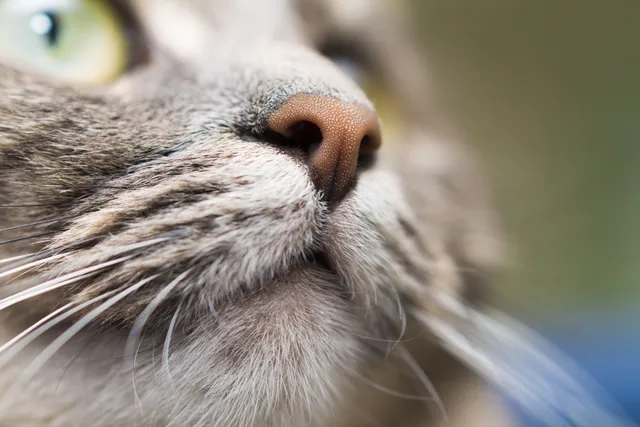
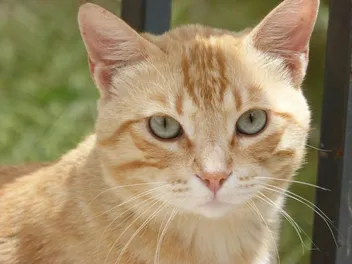
You’ll notice that your cat’s whiskers are strategically located on their chins and forelegs, above the eyes, near the ears, and above the upper lip. Different cat breeds have different arrangements, but many have 12 vibrissae that are arranged in four rows on their cheeks.
The location of the whiskers directly relates to their purpose. They are fine-tuned sensory devices that help a cat understand the world around it. When they feel air or an object against them, the sensitive hairs vibrate and stimulate the nerves in the hair follicles.
Cats also use their whiskers to keep their body in balance. They have special sensory organs called proprioceptors within the follicles, which send messages to the brain to understand the orientation of the body and limbs.

Why Don’t Cats Like Their Whiskers Touched?
Naturally, with so much sensory information coming into these hypersensitive hairs and organs, it can be overstimulating for your cat to have its whiskers touched.
Any time your cat is active, its whiskers take in information. The only time they get a rest is when the cat is also resting. Cats also understand how important whiskers are to their ability to navigate the world safely, so they’re naturally protective of them.
When you’re petting your cat, it’s important that you don’t pluck or pull on the whiskers! The root and nerves are so sensitive that this can be much more painful than tugging on a hair. It’s also important not to cut or trim the whiskers, which can cause confusion and affect your cat’s awareness of its environment.
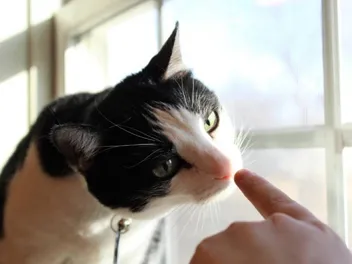
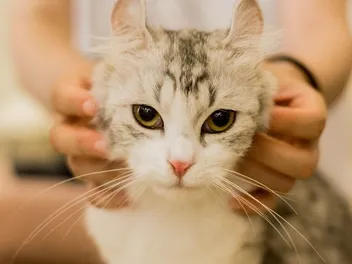
Some cats will tolerate light petting along the grain of the whisker, but not always. If your cat seems uncomfortable, it’s best to avoid touching the whiskers at all. Doing so could send unnecessary messages to its brain, which can be overwhelming.

What Is Whisker Fatigue?
Though the name may sound like the cat’s whiskers are tired, it actually means that they’re stressed out from repeated stimulation of the sensory receptors. Often, whisker fatigue is most commonly discussed in relation to cats eating or drinking from deep or narrow bowls, causing their whiskers to rub against the sides.
Whisker fatigue is not universally recognized as a formal medical diagnosis but is considered a practical welfare concern by many veterinarians.
Depending on the severity, whisker fatigue can range from discomfort to pain, making the experience very unpleasant for your cat.
Fortunately, whisker fatigue is easy to prevent by providing a flat surface or a wide enough bowl for cat food and water that allows your cat to eat or drink without its whiskers touching the sides of the bowl. For this reason, many cats prefer to drink running water, such as a tap or fountain.
Similarly, you should avoid touching your cat’s whiskers. Even if your cat tolerates it, touching your cat’s whiskers too much can cause a similar sensory overload.
Conclusion
Now that you know more about your cat’s whiskers, it is understandable why many cats do not want them touched. We know it is hard to resist, but avoid touching them—even if you do it gently. And, of course, never pull and pluck at them.
Instead, choose a place where they will enjoy being petted or scratched. They will love you for it!
Sources
Featured Image Credit: Annette Meyer, Pixabay
Expert cat care, straight to your inbox
News, insights, and useful advice, delivered to you.

No spam — unsubscribe anytime.
By signing up, you agree to our Terms & Conditions and Privacy & Cookies Policy.
How useful was this post?
Click a star to rate. You can leave written feedback afterwards. (We read all feedback.)
Christian started writing for a local newspaper as a teenager, and he's been involved in the publishing industry for most of his adult life. Combining his love of writing with a passion for animals, he is currently the Director of Editorial at Pangolia and the Editor-in-Chief at Catster.
Christian lives in the Philippines with his wife, son, and four rescue cats: Trixie, Chloe, Sparky, and Chopper.