Kitten Development: First 12 Weeks (Vet-Reviewed Guide)


In this article
Bringing a new kitten home is a joyous and exciting occasion for all soon-to-be cat parents. This usually occurs when a kitten is between 8 and 10 weeks of age, depending on their size, health, vaccination protocol, and breed. However, it's essential to understand how to take care of your furry friend as soon as they become a member of your family and how they grow during this stage.
You should familiarize yourself with this information if your cat has just had kittens or is expecting them, as you have a big responsibility to ensure that they have a good start in life before finding them loving and secure, lifelong homes. While taking care of a cat can be challenging, especially for novice cat parents, the first few weeks of kittenhood are crucial in ensuring health and appropriate socialization.
In this article, we discuss the crucial stages of kitten development. From birth to their 12th week, we guide you through what to expect and how to ensure that your kitten grows into a healthy cat that is happy to be in your household!

Newborn and the First Few Days of Life
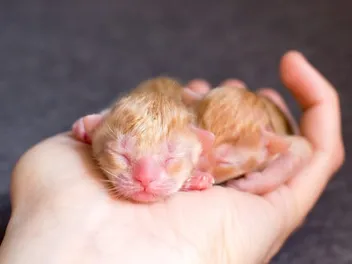
When kittens are born, they are helpless and are entirely dependent on their mother for survival. Newborn kittens weigh between 1.8 and 5.3 ounces and are blind and deaf but can navigate minimally through scent, though they are not really able to move much. They spend most of their time sleeping and nursing and need constant warmth and nutrition to grow.

The First 12 Weeks of a Kitten's Life
1st Week of Life
In the first week of life, kittens will start to quickly grow and gain weight. Their umbilical cord should have dried up and fallen off this time. They'll sleep for approximately 90% of the time and only wake up to nurse. During this time, their eyes and ears are still closed, and they are still unable to control their body temperature. The mother cat will also have to stimulate their elimination by licking their genital areas.
2nd Week of Life
Around the second week of life, kittens' eyes start to open, but they will still have poor vision. Their ears also start to open as they become more responsive to sounds. They'll begin to crawl and move around more, though they will still lack coordination. Kittens may receive dewormers around this time, toward the end of the second week, based on the veterinary recommendation.
3rd Week of Life
At this stage, kittens will start to become more curious and will start to move around more. As they develop their ability to walk, they'll begin to explore their surroundings and interact more with their littermates. Their baby teeth will start to come in. They may also start to groom themselves and others, which is an essential part of their socialization process, though this usually starts after 4 to 5 weeks of life. They may start to toilet on their own, and you can slowly start introducing a litter box.

4th Week of Life
By the fourth week, kittens will be more mobile and coordinated, and their vision will be better. They'll start to play and socialize more, and it is here that they begin to develop their unique personalities. They may also start to eat solid food but will still nurse from their mother. They may start to use the litter box as well.
5th Week of Life
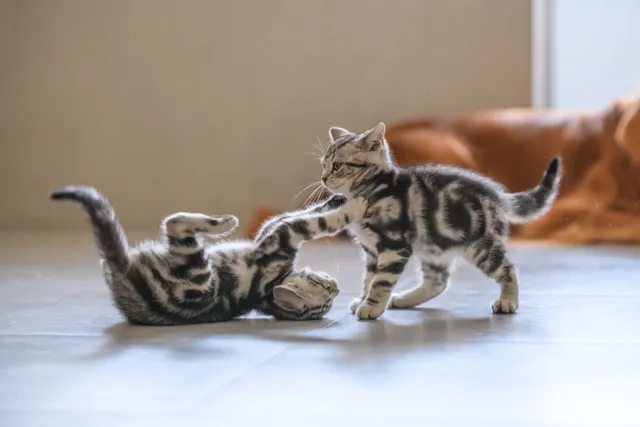
Around the fifth week, kittens will continue the weaning process and should be eating solid food alongside nursing. They'll begin showing more independence, running more confidently, and grooming each other. They'll also continue to socialize with their littermates, learning vital social skills that are helpful in their adult life.
6th Week of Life
At 6 weeks, kittens are still developing their senses and motor skills. They will appear to have a burst of energy and be more active, playful, and curious and will spend most of their waking hours exploring their surroundings. It's a great time to introduce them to new toys and experiences to stimulate their growth and development. Their core vaccines may be started around this time.

7th Week of Life
In the seventh week, kittens will have significant improvement in their motor skills and will be more coordinated and agile. Their eyes have mostly now changed to their adult color. They'll continue to play and interact with their littermates but will also start to show more interest in human interaction. It's an excellent time to start introducing them to new people and creating positive associations with various experiences, as they'll be more receptive to socialization at this stage. They will be eating exclusively solid food, but if the mother allows it, some may still attempt to suckle at times.
8th Week of Life
At 8 weeks, kittens will be much more active and playful. They'll have a lot of energy and will need plenty of opportunities to play and explore. They'll also start to develop their hunting skills, which is a natural behavior for cats. At the same time, all their baby teeth should be out already. This is the time to plan vaccination and discuss neutering with your vet.
9th Week of Life
By 9 weeks, kittens will be more independent, curious, and playful, and will be more agile and coordinated. They will also continue to develop their social skills, learning how to interact with other cats and humans. Constant exposure to strangers and different situations is crucial during this period.

10th Week of Life
At 10 weeks, kittens will be very active and playful. They will need plenty of opportunities to burn off their energy and do enjoy playing with toys and exploring their surroundings. They'll still have their baby teeth for a little while longer, while permanent teeth start to erupt between 12 and 16 weeks of age.
This may be a good time to start getting them used to checking their mouth, eyes, ears, and paws through playtime and cuddles. This is something that will get them used to being examined, both by you at home and your vet, in case of a routine check or illness.
11th Week of Life
In the 11th week, kittens will start to show more interest in climbing and jumping. They will become more adventurous and may start to explore higher surfaces, such as shelves or countertops.
They will also require more mental and physical stimulation, so it is important to provide them with plenty of toys and scratching posts to redirect their natural urge to climb and scratch.
12th Week of life
By the 12th week, kittens will continue to play and explore, but they'll also start to show more independence and assertiveness. By this time, their habits, behaviors, and personalities will already be evident. The baby teeth will also start to fall out. Some veterinarians may recommend spaying or neutering at this stage, but these will depend on the kitty's weight and overall health status.
It is essential to continue socializing them and providing them with plenty of mental and physical stimulation to ensure they grow into well-adjusted and happy adult cats.

Conclusion
The first 12 weeks of a kitten's life are crucial for their growth and development. It's our responsibility as owners to provide them with the proper care, nutrition, and socialization to ensure that they grow into healthy and happy adult cats. Understanding the different stages of kitten development and their needs during each stage is essential to providing them with the best possible start in life. With proper care and attention, your kitten will grow into a beloved companion for many years to come!
See Also: 7-12-Month Old Kitten
Sources
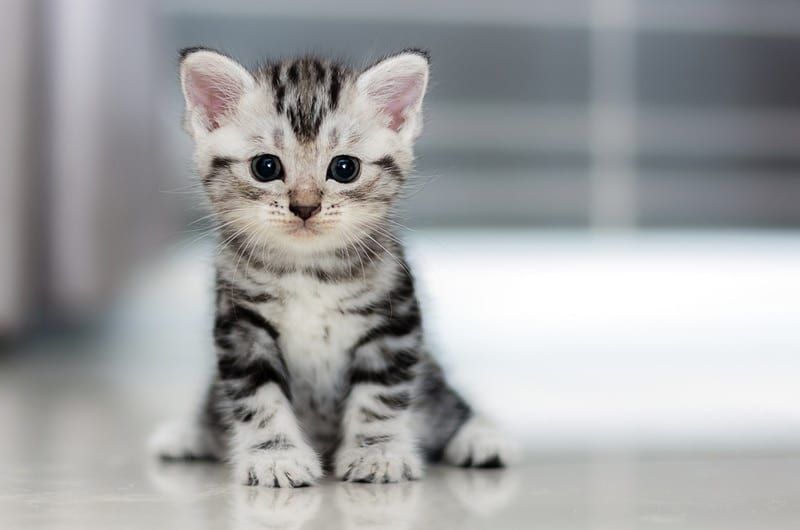
Featured Image Credit: Top Photo Engineer, Shutterstock
Expert cat care, straight to your inbox
News, insights, and useful advice, delivered to you.

No spam — unsubscribe anytime.
By signing up, you agree to our Terms & Conditions and Privacy & Cookies Policy.
How useful was this post?
Click a star to rate. You can leave written feedback afterwards. (We read all feedback.)
Christian started writing for a local newspaper as a teenager, and he's been involved in the publishing industry for most of his adult life. Combining his love of writing with a passion for animals, he is currently the Director of Editorial at Pangolia and the Editor-in-Chief at Catster.
Christian lives in the Philippines with his wife, son, and four rescue cats: Trixie, Chloe, Sparky, and Chopper.