Are Heated Cat Beds Safe? Can They Be On All the Time?


Heated cat beds are becoming increasingly popular, but are they safe for cats? The short answer is yes; heated beds are safe, and there is a wide range of options available on the market. But before you run out and buy one, there are a few things you should know. Heated cat beds are safe for cats, and they can help keep your pet warm in many circumstances. Read on to learn more about heated cat beds!

The 5 Reasons Why Heated Cat Beds Are Beneficial
Some might think that heated cat beds are too lavish for the average housecat. However, here are five reasons why you should consider getting a heated cat bed for your feline friend:
Risks of Using a Heated Cat Bed
It's no secret that cats like to sleep in warm places. In the wild, they'll seek out sunny spots to curl up in, and domestic cats enjoy a warm bed on a cold day. Nevertheless, there are risks to watch out for before using a heated cat bed. Cats can easily overheat or become dehydrated on an artificially heated bed, which can be dangerous or even fatal.
Cats regulate their body temperature through their hair; when they get too hot, they pant and sweat through their paws to cool down. On a heated bed, a cat may be unable to sense when they're getting too hot and can easily overheat. This is especially true for young or old cats or those who are overweight or recovering from surgery and cannot move around easily.
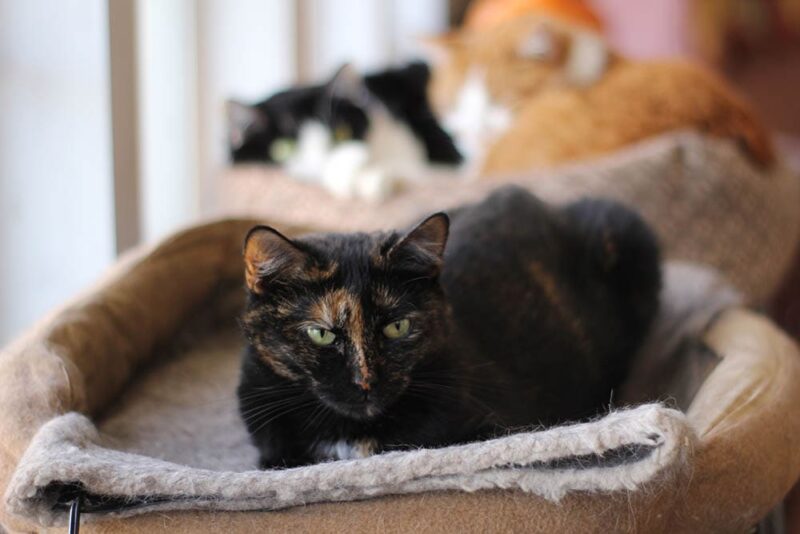
Make sure your cat can move away from the bed if they feel too hot, and if your pet has difficulty moving independently, a heated cat bed may not be the right choice. Do not use the bed in a confined space or a crate where the cat cannot choose to move away from the heat source. Careful monitoring of the heat inside the bed or using a bed with a thermostat are good ways to ensure your pet remains safe and healthy.
The 3 Types of Heated Cat Beds
There are three types of heated cat beds: thermal self-heating pet beds, microwaveable heating pads, and electric pet beds. Thermal self-heating pet beds have a heat-retaining material that warms up when it comes into contact with your pet's body heat.
Electric pet beds have a heating element that warms up when you plug them in. Microwaveable heating pads can be microwaved to provide heat. There are pros and cons of each to consider.
1. Thermal Pet Beds
Generally speaking, the safest option for your cat is a thermally heated cat bed. They use radiant heat, which is a type of heat that comes from objects that are warm to the touch. This differs from other heating methods, like electricity or heating elements, which can be dangerous if used improperly.
The materials used in the bed reflect your pet’s body heat, and the bed will not rise above your cat's body temperature. This allows for natural self-regulation of the overall temperature in the bed. With a thermal bed, your kitty is less likely to become accidentally overheated.
Another benefit of a thermal bed is that it does not use electrical wiring. It can be used safely around pets prone to chewing on wires, and it also makes it easy to move from room to room.

2. Electric Pet Beds and Heating Pads
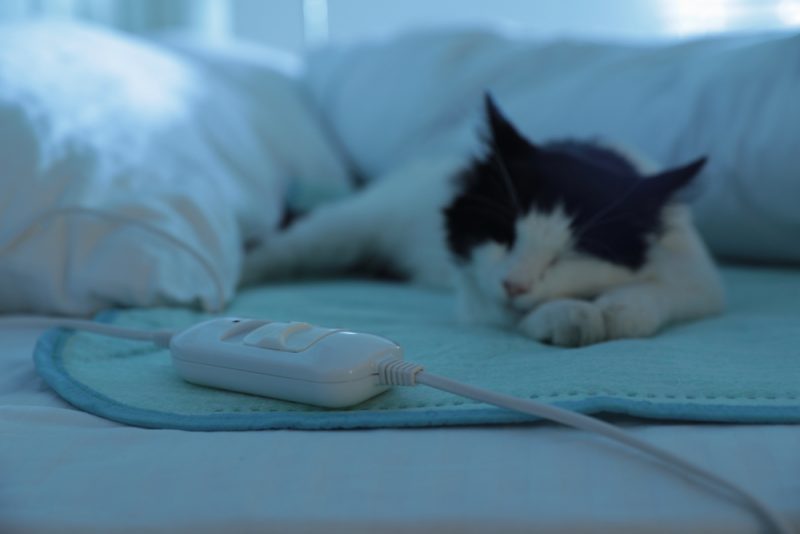
Electric cat beds or heating pads use electrical elements to produce heat that warms the bed or pad. This can be a great way to keep your cat warm in an extra chilly room during winter or if they need to be kept at a specific body temperature for medical reasons. An electrical pet bed is the best option when you need to raise your cat’s body heat or to keep a bed warm over a long period.
Most beds have a thermostat so you can easily set and monitor the desired temperature. Never set it higher than a cat’s natural body temperature, and check the manufacturer’s suggestions for the correct heat settings. This is important so that you avoid the risks of overheating mentioned before.
Even with a thermostat, you must monitor the bed's temperature to ensure it is safe for your cat or, at the very least, observe your cat for the first few hours in the bed. Most importantly, only use an electric bed intended for cats!
Do not use a human heating pad for your cat. Humans are much larger than cats and have different requirements for temperature regulation. Beds designed specifically for pets have been tested for safety and correct temperature levels.
3. Microwaveable Heating Pads
Another option is to place a microwavable heating pad on your pet’s bed. The pads are filled with rice, gels, or other thermic materials designed to retain heat for an extended time. The heating pads only stay hot for a limited time and are better when you do not need constant heating.
Microwavable heating pads can become very hot when heated, and adjusting the temperature to a specific degree is difficult. Make sure you test the pad with your skin once you have heated it. Once it has cooled enough for you to maintain direct contact with your skin without feeling too hot, it is safe to put it in your pet’s bed.
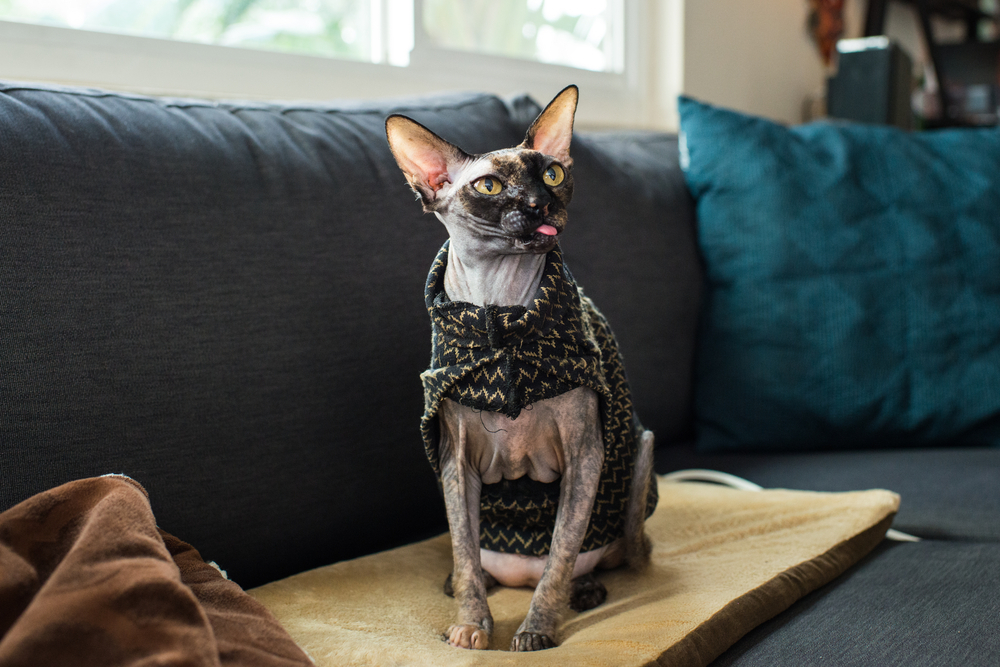
Also, try using a fabric cover or a thin blanket between the heating pad and the cat. If the heating pad is too hot, it can burn your cat’s skin, which is especially true for hairless cats or cats that have been shaved due to surgery.


Can You Leave an Electric Bed on Overnight or While You Are Away?
The answer to this question depends on the design of the heated cat bed. Leaving the cat bed on overnight is typically safe, especially if the bed has a thermostat. Some heated cat beds have automatic shut-offs that will turn the bed off after a certain amount of time, whether overnight or while you are away.
Other heated cat beds do not have an automatic shut-off and should be unplugged when you are not home. If you are unsure whether your heated cat bed has an automatic shut-off, it is best to unplug it when you are not home.
The main risk when using an electric bed is if your cat is chewing the cords or scratching the surface that holds the heating elements. This can pose a fire hazard if any of the electrical elements become exposed. Check the bed often to ensure your kitty keeps their destructive behavior in check. This is another excellent reason to unplug it when you are away.
If you're looking for something a little different, the Hepper Nest Bed is a modern yet practical option that most cats find irresistible. The unique bowl-shaped design is sleek and portable, it has high sides and wide lip for maximum comfort and is lined with a self-warming sherpa fleece liner that is machine washable. Learn more about the Nest by clicking here.

- COMFY KITTY - Your cat or kitten will have an amazingly deep sleep in this self warming, nesting cat bed. The warm, fluffy cat bed lining provides calming stress relief for cats of all ages.
- PRETTY HOME - This round cat bed has a modern and unique design that’s perfect for a sleek indoor look. We don’t think of it as cat furniture but think of the Cat Nest as a “cat home”.
- SPACE SAVER - Reclaim your desk, window sill, or couch from kitten encroachment. This calming nest cat bed has an elevated, space-saving hideout so comfortable your kitty can't resist!
At Catster, we’ve admired Hepper for many years and decided to take a controlling ownership interest so that we could benefit from the outstanding designs of this cool cat company!
Conclusion
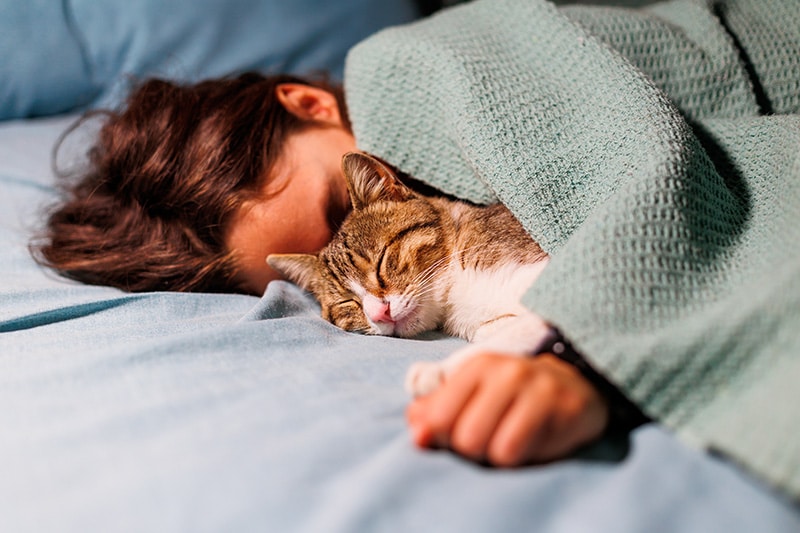
Just like your cat cuddling up next to you to keep warm, heated cat beds are a great way to provide your cat with a cozy and safe place to rest and relax. They can also be soothing for sick or older cats. Each cat has unique needs and circumstances, so if you are considering purchasing a heated cat bed, be sure to do your research to find the best one for your pet.
Featured Image Credit: New Africa, Shutterstock

Expert cat care, straight to your inbox
Vet-reviewed advice, behavior tips, and the best of Catster. Free, and you can unsubscribe anytime.
By signing up, you agree to our Terms & Conditions and Privacy & Cookies Policy.
Christian started writing for a local newspaper as a teenager, and he's been involved in the publishing industry for most of his adult life. Combining his love of writing with a passion for animals, he is currently the Director of Editorial at Pangolia and the Editor-in-Chief at Catster.
Christian lives in the Philippines with his wife, son, and four rescue cats: Trixie, Chloe, Sparky, and Chopper.
Join the conversation
Ask a question, share your story, or send private feedback.