Is Pet Insurance Worth It for a Cat? Vet-Reviewed Guide & FAQ


A sick cat is a pet owner’s worst nightmare. Treatment options can sometimes exceed our budgets, depending on the condition in question, and some people have been forced to choose between the health of their beloved cat and making ends meet. Some owners on a very strict budget have had to make the heartbreaking decision to opt for economic euthanasia, choosing to euthanize their pets primarily because of the unexpected cost of veterinary medical care.1 Others may choose to rehome or surrender their pet to a shelter so they can receive the necessary care, but this is also not necessarily the best option, as there are already overcrowded shelters with many unwanted animals.
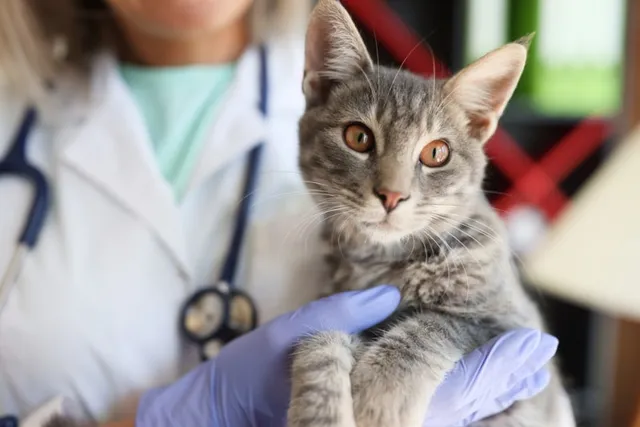
Pet health insurance can be the saving grace in situations like this. The point of insurance is to help lower the costs of your vet bills to make caring for your pets easier on your budget. Is it worth it to invest in pet insurance for your cat? We say yes simply for the peace of mind it provides.
Keep reading to learn the ins and outs of pet health insurance policies to help you decide if it’s right for you.

How Much Is Pet Insurance for a Cat?
Owning a pet is a great joy but also an immense responsibility and should not be taken lightly. Cats may be a part of our lives for more than a decade, some even for 2 decades, and every responsible cat parent needs to be aware of all the costs associated with caring for their pet.
Alongside food, bowls, beds, environmental enrichment equipment, cat sitting services, and many other things also come the veterinary bills for both preventative care, such as regular vaccination, neutering, dental hygiene, flea treatment, and worming, as well as all the unexpected and possible injuries and diseases. All of this should be seriously considered before even thinking about getting a pet.
The cost of pet insurance will depend entirely on what plan policy you’re opting for. Individual costs may also vary based on your cat’s breed, age, preexisting health conditions, and health status.
According to the North American Pet Health Insurance Association, you can expect to pay around $32 per month for accident and illness pet insurance for cats in America. The same NAPHIA study shows pet parents paying for accident-only coverage pay much less at around $10 per month. These numbers are only averages. The policy you choose, breed, age, and underlying health conditions of your pet will determine your specific monthly premium, alongside the difference between various insurance companies.
Almost all plans have a deductible. A deductible is a certain amount that you’ll have to pay out of pocket before your insurance coverage will kick in. Again, the deductible amount will vary from plan to plan. You could be looking at anywhere between a few hundred dollars or less per each condition to several thousand dollars a year if they are worked out as a certain percentage of the total veterinary bill. In most situations, plans with higher deductibles will have lower monthly premiums. Some more expensive plans may have a deductible of zero.

How Does Pet Insurance Work?
Pet health insurance works very similarly to human health insurance. Each provider offers different levels of coverage, with each plan costing a monthly premium. The premium will depend on how much coverage you opt for and the individual details about your cat’s age and health.
Every insurance company operates a little differently. Some will pay your vet directly whenever possible, so you don’t need to worry about sending in receipts and waiting for your reimbursement.
Some have restrictions on their claim payouts depending on their predetermined rates and not on what the actual cost of your veterinary care was.
Some companies will drop your coverage if you file too many claims.
After the deductible is met, you will be reimbursed a portion of your pet’s healthcare bills. Some top insurance companies offer reimbursements of up to 100%; however, those plans will come with a much higher monthly premium.
Let’s crunch some numbers to provide an example.
Let’s say your plan has a $200 deductible with an 80% reimbursement rate. Your cat has a sudden need for surgery that totals $1,500. Your insurance will cover $1040 of the $1,500 fee, leaving you to cover the remaining $460.
$1,500 - $200 = $1,300
80% of $1,300 = $1040.
What Does Cat Insurance Cover?
Coverage levels will vary from plan to plan.
Accident-only coverage will be the most budget-friendly option. Plans that cover accidents and illnesses will be a step higher. The priciest plans will cover the aforementioned situations as well as wellness care. Some of the higher-end plans also cover death-related expenses.
Most plans will cover things like unexpected accidents such as broken bones, unexpected illnesses, surgeries, prescription medications, diagnostics, and emergency examination fees. Some plans may even cover alternative therapies such as acupuncture and hydrotherapy.
Things that most plans will not cover include pre-existing conditions, preventative care, vaccinations, spaying/neutering, and routine care.

What Should I Look at When Comparing Insurance Plans?
There are four main factors to consider as you start to compare insurance plans for your cat.
The annual deductible refers to how much you’ll have to pay out of pocket every year before your cat’s insurance will kick in.
The reimbursement rate is the percentage of the medical costs your policy provider will reimburse you for after you’ve met your deductible.
The annual limit refers to the maximum amount your policy provider will reimburse you for every year.
The monthly premium is how much money you’ll need to pay every month to keep your account active.
Other things to consider as you begin your hunt for pet insurance include:
It’s essential to gather as much information from any potential insurers before making your final decision. Two plans might look close to the same on paper until you read the fine print. One might have a six-month waiting period for knee injuries, while others only wait 30 days.
Do I Need Pet Insurance if My Cat Lives Indoors?
Health risks can occur to any cat regardless of where they spend most of their time. Indoor cats are just as much at risk of certain conditions as outdoor cats. In fact, some conditions are more likely to occur, specifically in indoor cats.
Cats that spend a lot of time outdoors tend to be more active. If yours is kept primarily indoors, they’re more at risk for obesity, which makes them four times more likely to develop diabetes than cats at an ideal weight. If your cat were to need medical treatment for obesity or diabetes, your insurance can help reimburse some of the costs, provided these conditions were not pre-existing.
Indoor cats may be more likely to experience anxiety and stress as they aren’t able to participate in some behaviors that are natural to them (like hunting and seeking). Feline anxiety can manifest in many ways, including inappropriate urination, decreased appetite, and excessive grooming, all of which can cause further health problems. Some insurance policies will cover medical treatment for behavioral issues.

Can I Get Pet Insurance if My Cat Is Already Sick?
Most standard pet insurance issuers will not cover cats with pre-existing medical conditions. That said, it is not impossible to find a carrier that will hear your case, but you will need to seek out specialist insurers. Just as with human insurance issuers, covering a pet with a pre-existing condition is considered to be high-risk. These can be very difficult to find and often have a lot of restrictions as most insurers don’t want to deal with health conditions that will create a lot of claims.
Some insurers may consider covering certain pre-existing conditions provided that they’re considered curable and not recurrent. These conditions may include short-lived gastrointestinal issues and ear infections.
If you can’t find pet insurance that will cover your cat’s condition and you have mounting veterinary bills, you do have other options. Fundraising, temporary credit cards, and veterinary charities can help you pay the bills. Some vets even offer a payment plan option to help make your bills more manageable.
You can still get insurance from a standard issuer even if your pet’s pre-existing condition is not covered. The only thing to consider is that any expense related to that condition will not be covered. For example, if your cat has arthritis, your insurance will not cover any medical care relating to that diagnosis.
When Should I Get Pet Insurance for My Cat?
The best time to get pet insurance for your cat is when they are young and healthy. The longer you wait to find coverage for them, the higher the chance that a pre-existing condition will be discovered.

Can I Get Pet Insurance for an Older Cat?
As with humans, when cats reach their senior years, their risk of certain health conditions rises.
Common conditions often seen in older cats include:
If you didn’t get insurance for your cat when they were young, finding an insurer can be a bit more difficult in their golden years. Some companies may be wary about insuring an older cat due to the expensive health conditions they’re more prone to. Some companies have age limits, so they won’t even consider covering older pets.
That said, some insurers will happily provide coverage for older kitties, but you may be looking at a higher monthly premium.
Do I Need Pet Insurance for My Cat? Final Thoughts
Pet insurance is a helpful tool for cat owners. It provides peace of mind as you’ll know that you’ll always have a helping hand if finances get too tight or if your pet gets hurt or becomes ill. Monthly premiums can be pricey, but the sooner you take up insurance, the more it will pay off in the long term.
Alternatively to pet insurance, setting up a savings account for your cat’s veterinary care that won’t be touched in any other circumstance is another way to ensure your cat will receive all the veterinary treatment they require.
Owning a pet is a great responsibility, and it requires consistent dedication and care for the whole length of their lives, which in some cases can be as long as 20 years. Pet insurance is a great way to keep your cat happy, healthy, and comfortable during all these years.
See Also:
Featured Photo Credit: Red-Bow-Tie-Photo, Shutterstock
Expert cat care, straight to your inbox
News, insights, and useful advice, delivered to you.

No spam — unsubscribe anytime.
By signing up, you agree to our Terms & Conditions and Privacy & Cookies Policy.
How useful was this post?
Click a star to rate. You can leave written feedback afterwards. (We read all feedback.)
For Chantelle, writing and animals are the two driving forces in her life. Growing up on the Canadian prairies surrounded by pets, she now shares her home with five cats, two guinea pigs, and a bearded dragon. Chantelle, her husband, and their child pride themselves on being dedicated pet parent, even spending a fortune on wall-mounted cat shelves to provide their cats with an indoor jungle gym. When she's not snuggling with her cats or photographing their humorous moments, Chantelle is exploring the Rocky Mountains, rewatching her favorite Netflix series, and reading up on various random subjects.