Should You Let Your Cat Outside? Pros & Cons of Indoor & Outdoor Cats

In this article
To let or not to let your cat outside—that is the question. For some cat parents, this is never a quandary, as their feline companions already spend most of their time outside, and getting them used to living cloistered in their home would be out of the question. Conversely, many cats never set a single paw outdoors and do just fine.
But if you are a new owner of an adorable furball and are wondering about the pros and cons of letting your pet outside, you’ve come to the right place.
Let's explore the advantages and downsides of indoor and outdoor cats.

Pros of Keeping Your Cat Indoors (and Cons of Letting Your Cat Outdoors)
1. Indoor Cats Live Longer
It was once believed that indoor cats typically enjoyed a life expectancy of 10 to 15 years, while outdoor cats were believed to only live 2 to 5 years (according to veterinary researchers at the University of California, Davis, in 2018).1
However, more recently, researchers from this same university examined the causes of mortality in 3,108 cats over 20 years and published the results in a scientific journal.2 They found that outdoor cats do indeed have shorter lifespans than indoor cats, but not by three times less. In fact, the median age at death for outdoor cats is more likely to be 7.25 years, while the median age at death for indoor cats is 9.43 years.
Although these data represent averages, it is still good to take them into account when deciding whether to let your cat go outside.

2. Indoor Cats Are Less Likely to Develop Infectious Diseases
Your cat can contract infectious diseases and viruses from other cats when they go outside, such as feline leukemia virus and feline immunodeficiency virus. The risk of your pet contracting one of these diseases is greatly reduced if their vaccinations are up to date, but you should be aware of the risks, whether your cat is vaccinated or not.
Here are other infectious diseases that your cat may be exposed to while roaming outdoors:
- Rabies
- Feline herpesvirus
- Calicivirus
- Feline distemper
3. Parasite Infestations Are Less Common in Indoor Cats
Cats roaming outdoors are 2.77 times more likely to be infected with parasites than cats staying indoors. Even worse, these parasites can sometimes be transmitted to humans, including:
- Toxoplasma gondii. This microscopic parasite is responsible for toxoplasmosis, an infection that can cause serious health problems in pregnant people and those with weakened immune systems.
- Bartonella henselae. This parasite causes cat scratch disease, a bacterial infection that affects cats and humans alike.
Outdoor cats can also easily pick up fleas and ticks when they wander through yards, gardens, sheds, and wood piles. Fortunately, year-round flea, tick, and heartworm prevention can help protect them from these harmful pests.
4. Indoor Cats Are Protected From Outdoor Dangers
If your cat stays indoors, they will be safer. They will have no exposure to cars or toxic plants, conflicts with other cats, or encounters with dogs or wildlife and won’t be at risk of getting lost. Overall, indoor cats have a significantly reduced chance of accidents and injuries of any kind.
But while an indoor life may be safer, it does come with a few downsides.

Cons of Keeping Your Cat Indoors (and Pros of Letting Your Cat Outdoors)
1. Indoor Cats Can Get Bored
It's no secret that cats are inquisitive creatures. Getting outside enables them to indulge in their instincts, explore, hunt, and climb everywhere. While your home can still provide an amazing environment for them to explore and have fun, it largely depends on the set-up that you have. Without a mentally and physically stimulating living space, an indoor cat is likely to become bored and suffer from a lack of activities.

2. Indoor Cats Have a Higher Risk of Becoming Overweight
That argument goes hand in hand with the risk of boredom. If your cat doesn't engage in enough exercise indoors, they may put on extra pounds and overeat out of boredom. All these things are a recipe for disaster in terms of your cat’s overall health.
3. Indoor Cats Can Try to Escape More
If you’ve rescued or recently adopted an older cat, they may have spent part of their lives outdoors. If you force them to stay inside your house, they may become irritable and unhappy. That said, some cats simply have a more curious personality than others, meaning they may attempt to escape whenever an opportunity arises. In such cases, it may be best to allow them to spend time outside under your supervision. This way, they can get the stimulation that they need without compromising their safety.

Indoor or Outdoor: What Do Vets Recommend?
Many veterinarians advise against allowing cats to roam outside for all the reasons mentioned here. Indeed, our feline companions tend to live longer and stay healthier when kept inside. Outdoor cats are exposed to many more diseases, parasites, and dangers compared to their indoor counterparts.
That said, cats that enjoy the cozy comforts of a home may require more exercise than their free-roaming pals and may also benefit from a lower-calorie diet. This will help them maintain an athletic and slender figure while avoiding boredom.
What Should You Do?
There are several factors to consider when deciding whether to let your cat outside or keep them indoors. Ultimately, the decision is yours, but take the time to properly weigh the pros and cons. If you choose to let your feline companion out, take all necessary precautions to ensure their safety.
Here are basic recommendations:

How to Prevent Boredom in Your Indoor Cat
You may struggle with keeping your feline friend indoors if you believe that your cat's quality of life will be negatively affected. However, an indoor cat can have an equally satisfying life as an outdoor cat. Consider these recommendations to help them thrive:
Set up an indoor paradise
Provide plenty of stimulating toys, scratching posts, vertical spaces, perches, and climbing areas. Honor your cat's predator instincts by providing prey-like toys, such as wands with feathers and fast-moving furry toys that mimic mice. In other words, when designing your cat's indoor environment, think about how cats live in the wild.
Alternatively, if you want to surprise your cat with something cool, check out the Hepper Hi-Lo Cat Scratcher. It's not just a scratcher; it's a piece of modern furniture that your cat can play on. It's got a curvy design that's perfect for stretching and moving, and it's built tough with strong birch plywood and thick B-flute cardboard. You can adjust it to three different heights, which keeps cats entertained. Plus, it won't break the bank! Our cats love it, and we do too.

- Premium Materials - Hepper's cardboard scratcher is made with dense, B-flute cardboard, and a metal core. Encased in a 1/2" plywood frame with gloss coating. Stable and beautiful, use after use
- High, Low and Lower - A single cat scratch pad won't keep your cat engaged. 3 unique positions keeps them coming back, and back, and back again. Finally, something to get them away from the couch!
- Activates Muscles - The Hi Lo isn't just a cat nail file to stop the chief cat couch scratcher. The deep cat scratcher wave encourages maximum musculoskeletal activation for a healthier workout
At Catster, we’ve admired Hepper for many years, and decided to take a controlling ownership interest, so that we could benefit from the outstanding designs of this cool cat company!
Get your cat a feline pal
If your situation allows it, introducing a new feline to your home can be a great way to keep your cat entertained and happy—as long as they establish a friendly relationship!
Consider leash training
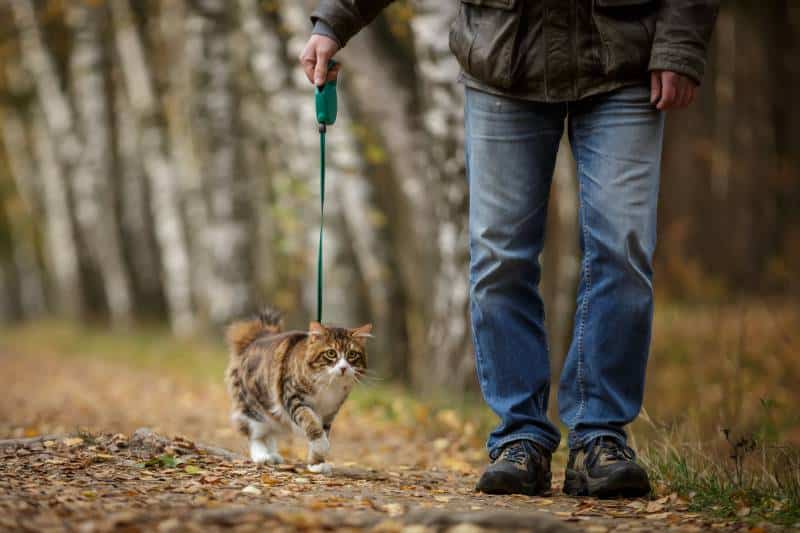
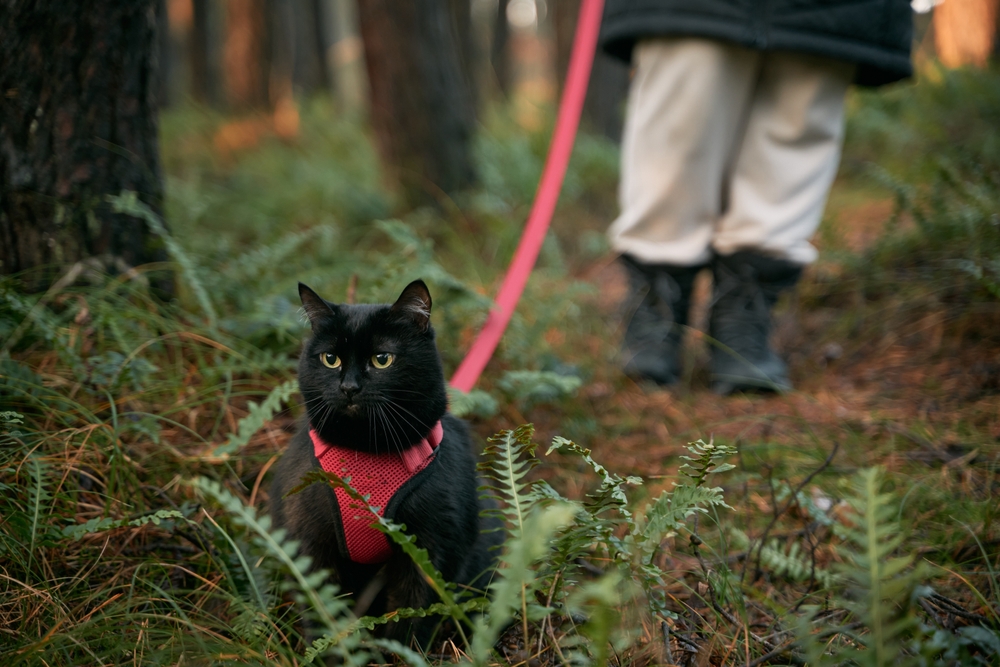
Although not feasible for all cats, some may learn to tolerate or even enjoy wearing a harness or leash. It's a great way to let them stretch their legs by accompanying you on your morning walk!
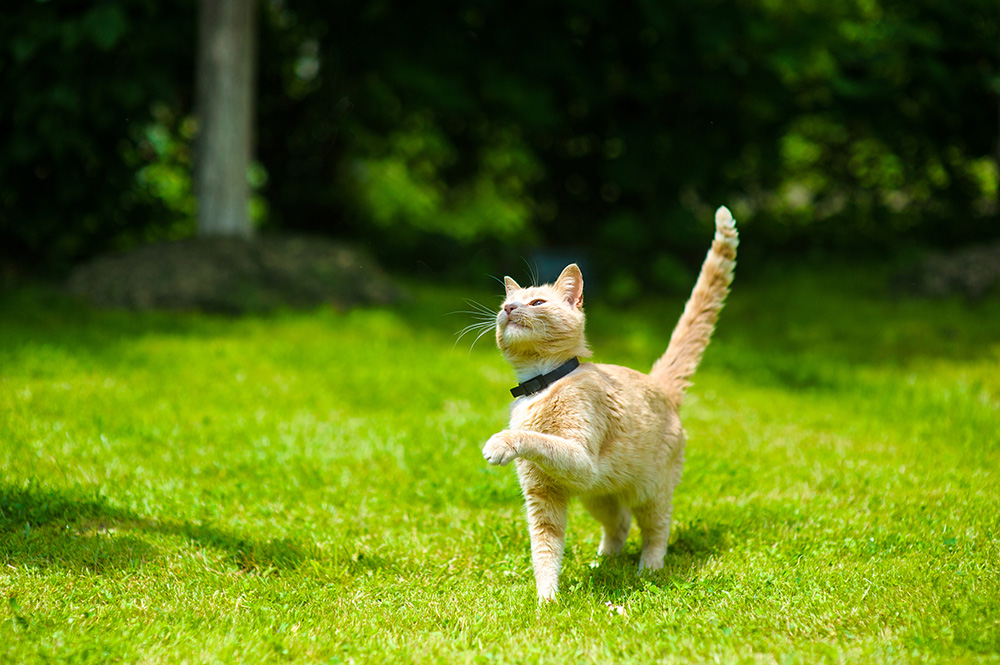
Allow your cat to have supervised outdoor time
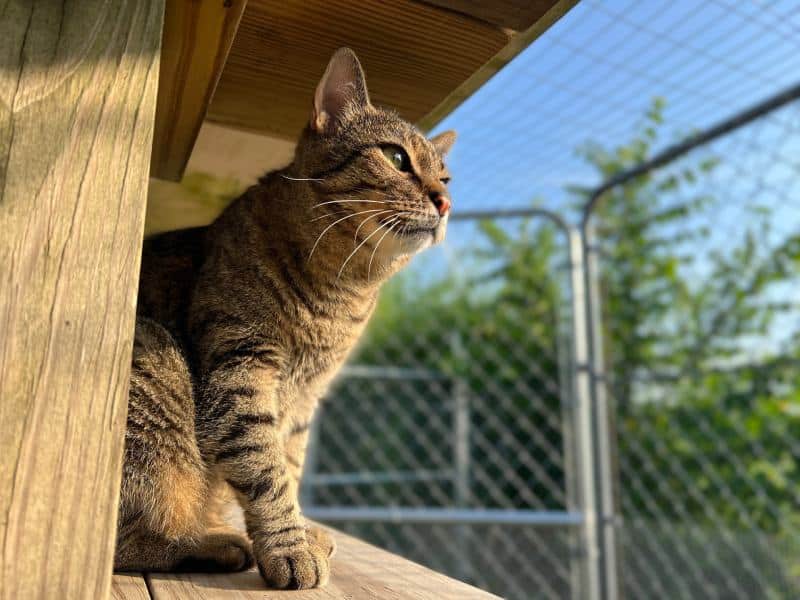
If you believe that your cat needs outdoor time, consider building a custom catio, which is an enclosed patio designed to provide secure outdoor access to your pet.
Give your cat access to a window
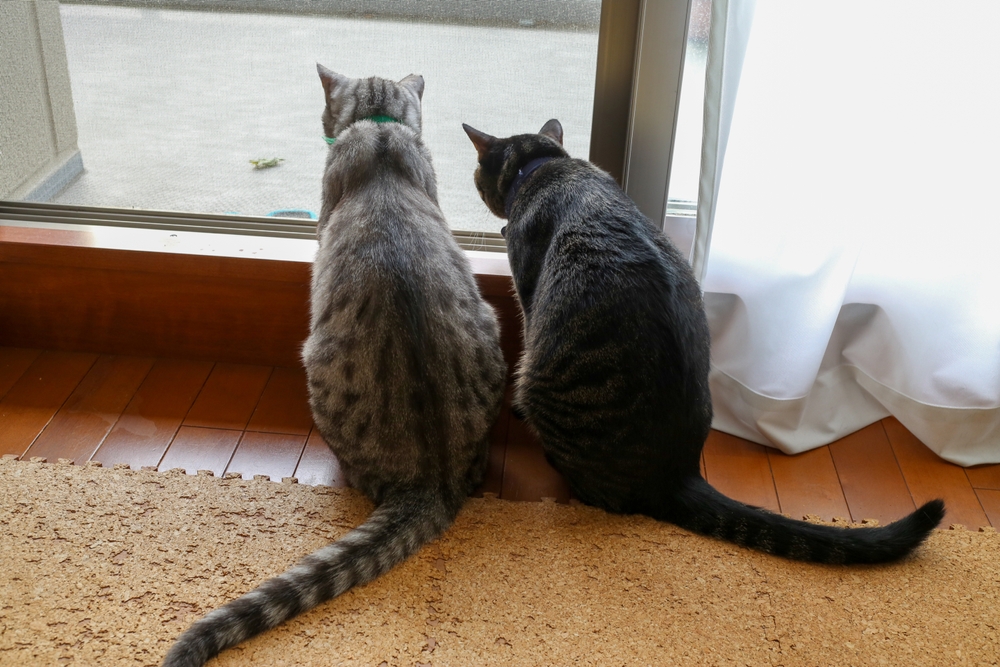
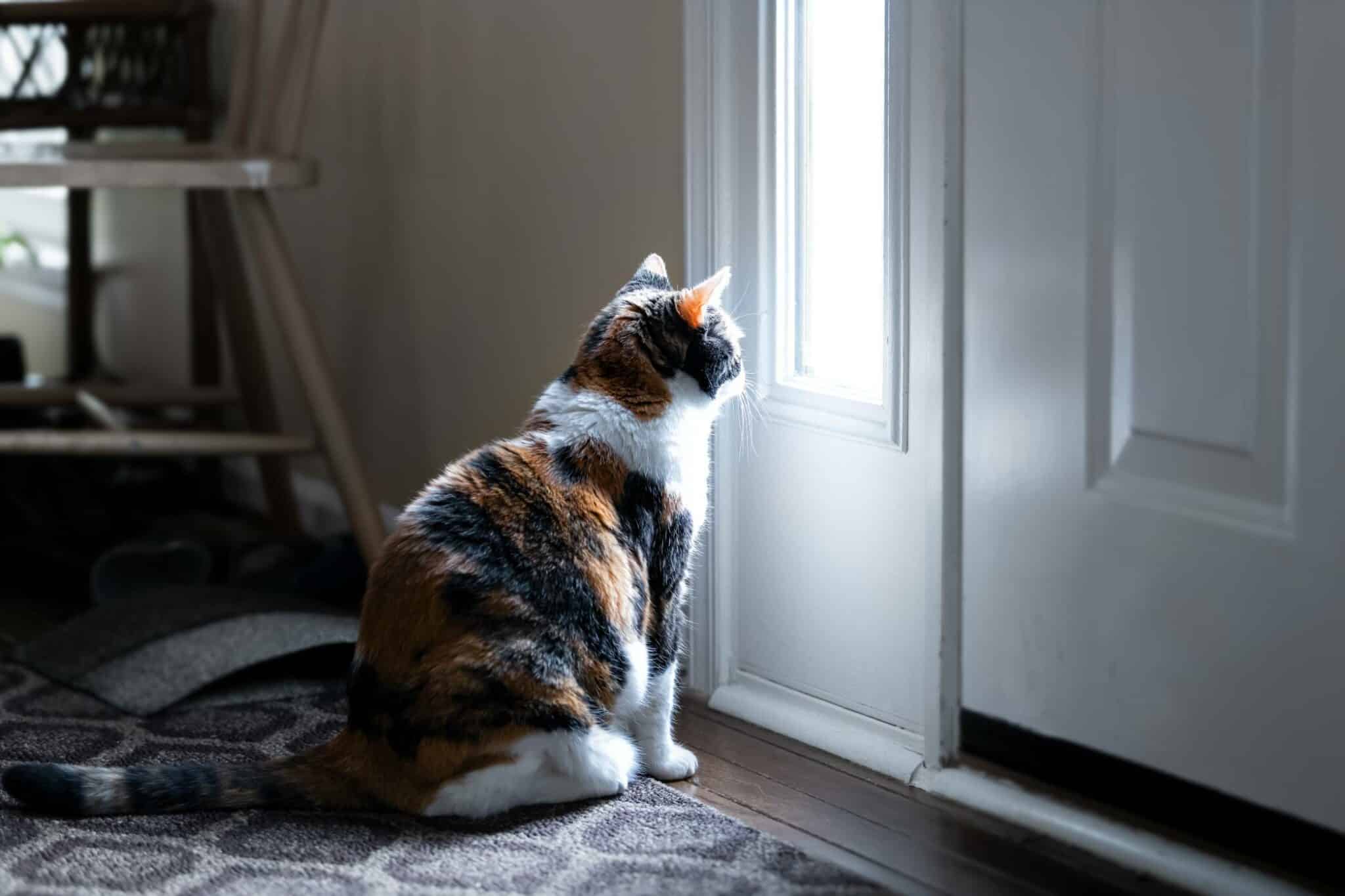
You can do this by installing a cat tree or another type of perch nearby. This will enable them to spy on the neighbor's cat and watch the birds (without endangering any wildlife)!

Conclusion
Outdoor cats are more likely than indoor cats to contract infectious diseases, get fleas, ticks, and other parasites, find themselves in dangerous situations, or get lost.
But the decision whether to let your little feline roam outside ultimately depends on factors like your cat's temperament, your living environment, and your ability to provide enrichment and security measures. Some cat parents find a happy medium by incorporating supervised outdoor time or constructing enclosed outdoor spaces.
If you choose to give your cat outside access, it is essential to take extra precautions for their safety, such as ensuring that their vaccinations are up to date and that they wear an identification collar.
Lastly, if you need help making your decision, don't hesitate to ask your vet for advice. The safety and well-being of your feline friend should always come first.
See also:
Sources
Featured Image Credit: Ryan Brix, Shutterstock

Expert cat care, straight to your inbox
Vet-reviewed advice, behavior tips, and the best of Catster. Free, and you can unsubscribe anytime.
By signing up, you agree to our Terms & Conditions and Privacy & Cookies Policy.
Genevieve is both a biologist and a science writer, driven by her deep love for capuchin monkeys, pumas, and kangaroos. Her dedication to wildlife has taken her across the globe, from Bolivia and Guatemala to Canada and Australia, working and volunteering at various rehabilitation centers. As a Canadian living in Argentina, Genevieve starts her days with horses and cows greeting her from the plains outside her home office. She is the proud parent of three rescued dogs—Lemmy, Nala, and Pochi—and an energetic kitten named Furiosa. The opportunity to share her passion and expertise in animal care brings her great satisfaction.
Join the conversation
Ask a question, share your story, or send private feedback.