Costs of Treating Cat Injuries & Diseases (2026 Price Guide)

In this article
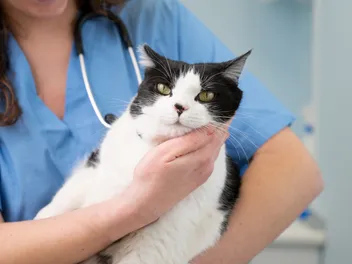
If you're considering bringing a fluffy friend into your life, it's essential to be clued up on the potential cost of treatment if they're unlucky enough to get sick or injured. Unfortunately, while vet fees vary and some clinics offer reduced-cost services, veterinary care is expensive, especially in certain areas.
To give you an idea of what you may be in for, we've put together this guide on the average costs of treating various injuries and diseases, as well as any extra costs you may need to anticipate.

The Importance of Seeking Veterinary Care for Your Cat
When we become cat parents, we do so for the course of the animal's life, and it's our responsibility to ensure all their needs are met. One of these needs is access to health care should something unexpected happen.
There's more to factor in than emergency treatment alone; vaccinations, microchipping, dental care, diagnostic testing, occasional wellness exams, and procedures like spaying and neutering are added costs to anticipate.
Some of these procedures benefit the cat community as a whole. For example, spaying/neutering helps prevent overpopulation and reduces the number of unwanted kittens that end up abandoned or in shelters, while vaccinations protect your cat and other animals from diseases.

How Much Does Treating Cat Injuries and Diseases Cost?
The cost of treating your cat varies depending on the injury, disease, or condition they have and where you're located. For example, according to data from CareCredit, the average cost of a vet visit in Alabama is $61.26 while a vet visit in Connecticut costs $93.44 on average.
Treating minor conditions is, of course, less expensive, but treatment for more serious conditions and injuries can cost thousands. The below table shows data provided by CareCredit (and a few other sources) for the average costs of diagnosing and treating some common conditions, as well as the average costs of specialized procedures and surgeries (list non-exhaustive).
Note: These are just averages and vary depending on how specialized the treatment or procedure is. Some conditions fit into two categories because sometimes only basic treatment is required, but more serious forms could require specialty treatment. Note also that some costs might be ongoing rather than one-time payments if the condition is chronic (like diabetes).
| Condition/Injury/Procedure Type | Cost of Diagnosis and Treatment | Cost of Specialty Treatment/Procedure/Ongoing Treatments |
| Cancer treatment | N/A | $4,000 |
| Urinary tract infection (UTI) | $295 | $1,053 |
| Ear infection | $195 | N/A |
| Kidney failure/disease | $485 | $1,318 |
| Eye infection/vision care | $115 | $220—$320 |
| Skin infection | $175 | N/A |
| Upper respiratory infection | $219 | N/A |
| Sprain | $267 | N/A |
| Stomach foreign object | N/A | $2,900–$3,265 |
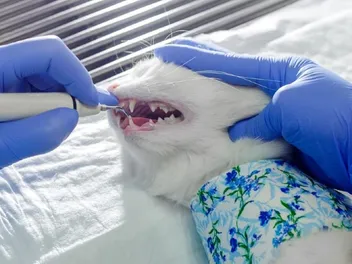
| Dental disease | N/A | $768 |
| Stomach upset | $385 | N/A |
| Tumor removal | N/A | $300–$1,600 |
| Arthritis | $255 | $1,200–$2,500 (femoral head ostectomy surgery) |
| Hypothyroidism | $123 | $1,465–$1,765 (source: FHTC) |
| Diabetes | $276 | Insulin costs can range from $30–$300 per vial (source: MetLife) |
| Broken bone treatment | N/A | A few hundred to $2,500 or more (source: MetLife) |
| Oxygen therapy | N/A | $500–$3,000 |
| Emergency surgery | N/A | $1,500–$5,000 |
| Pain medication | $40–$80 | N/A |
| Hospitalization | N/A | $600–$3,500 |
| ER exam | N/A | $100–$200 |
| Wound treatment | N/A | $800–$2,500 |
Additional Costs to Anticipate
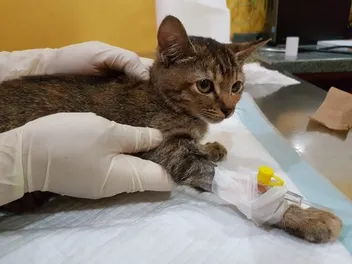
In addition to the costs of diagnosis, exams, treatment, and specialty surgeries or treatments—some of which are ongoing—there are some additional costs you may need to anticipate. These include special prescription diets, IV fluids, IV catheters, blood tests, fecal exams, and urine tests.
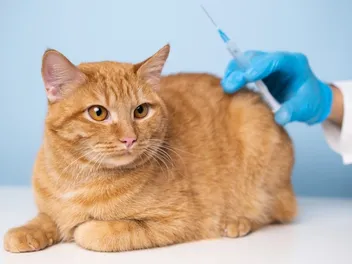
Other costs to anticipate are related to your cat's general wellness and standard procedures like spaying/neutering, vaccinations, flea and tick treatments, and occasional vet checkups.
Furthermore, enrolling in pet insurance will cost extra per month, although it may alleviate some of your worries about treatment costs. Cat insurance is typically cheaper than dog insurance.
How Often Should I Take My Cat to the Vet?
If your cat has a chronic condition or requires continued treatment or monitoring, the vet may ask you to bring them in regularly. Otherwise, it's a good idea to take your cat for a general checkup at least once yearly, but twice yearly is even better!
You should also take your cat to a vet if you notice any changes in their physical condition or behavior. Signs that something could be amiss include:
- Being withdrawn
- Being less active than usual
- Hunched position
- Difficulty moving around
- Going to the bathroom outside the litter box
- Unkempt coat condition
- Dehydration
- Reduced appetite
- Shortness of breath
- Rapid breathing
- Weight loss
- Meowing excessively
- Vomiting
- Diarrhea
- Hiding away

Does Pet Insurance Cover Injuries and Diseases?
Pet insurance plans typically cover accidents and illnesses, but which illnesses are covered can vary from provider to provider. Therefore, it's crucial to check the policy you're considering very carefully.
As an example, here are some of the conditions and procedures Embrace—one of the most well-known pet insurance providers in the U.S.—covers:
- Cancer (and any related testing and treatments)
- Dental illnesses (gingivitis, root canals, periodontal disease, etc.)
- Chronic conditions and injuries (arthritis, diabetes, etc.)
- Preventable conditions (parvo, Lyme disease, parasites, etc.)
- Orthopedic conditions (broken bones, ligament tears, osteosarcoma, etc.)
- Congenital and genetic conditions (hip dysplasia, intervertebral disc disease, allergies, etc.)
- Breed-specific conditions
- Emergency care
- Diagnostic testing
- Hospitalization and surgery
- Rehabilitative treatments
- Prescription drugs
- Specialist care
However, most pet insurance plans don't cover pre-existing conditions, injuries caused by cruelty or neglect, and preventative treatments like vaccines, spaying/neutering, and flea, tick, and heartworm preventatives. However, some providers have wellness plans as add-ons so you can get reimbursed for routine procedures and preventative care.
What to Do for Your Cat Between Vet Visits
First and foremost, proper nutrition is essential for your cat's health. High-quality, balanced recipes formulated for your cat's age range or health conditions (kidney support, joint support, etc.) are designed to provide all the nutrients your cat needs in the correct amounts, including protein, fat, carbohydrates, vitamins, minerals, fatty acids, and amino acids.
If your cat will tolerate it, it's recommended to brush their teeth every day to help prevent the development of gingivitis, which can lead to periodontal disease. It's best to train your cat to accept gentle tooth brushing from when they're a kitten. Other ways to keep your cat safe and healthy between vet visits include:
- Ensuring your cat gets enough exercise and mental stimulation
- Brushing your cat's coat to keep it and the skin in good condition (how often you'll need to brush depends on the type of coat your cat has)
- Cleaning the ears with a cat-safe solution if they're looking too dirty (don't do this if you suspect your cat has an infection—see a vet)
- Cat-proofing your home to prevent escapes and accidents
- Ensuring your cat's living environment is clean, warm, and comfortable
If you have any concerns or curiosities about your cat or their health, we recommend you contact a vet directly.
Conclusion
On a final note, if you're struggling to cover the cost of an unexpected treatment or procedure, there are a few things you could try. Speak to a vet to ask if they would consider setting up a payment plan for you or if they accept payments via services like VetBilling or CareCredit.
Other options include looking for financially friendly veterinary clinics using Pet Help Finder, checking out clinics in less pricey areas, exploring rescue organizations that help people struggling to cover vet fees, and asking veterinary schools if they operate reduced-cost clinics.
See also:
Sources
https://www.marketwatch.com/guides/pet-insurance/how-much-does-a-vet-visit-cost/
https://www.metlifepetinsurance.com/blog/pet-health/cat-insulin-cost/
https://www.metlifepetinsurance.com/blog/pet-planning/cat-broken-leg-cost/
https://vcahospitals.com/know-your-pet/recognizing-signs-of-illness-in-cats
https://www.metlifepetinsurance.com/blog/pet-planning/vet-visit-cost-for-cats/
https://www.usatoday.com/money/blueprint/pet-insurance/what-is-the-cost-of-owning-a-cat/
https://vcahospitals.com/know-your-pet/brushing-teeth-in-cats
https://www.petmd.com/cat/general-health/how-to-clean-your-cats-ears
https://www.humanesociety.org/resources/are-you-having-trouble-affording-your-pet
Featured Image Credit: megaflopp, Shutterstock
Expert cat care, straight to your inbox
News, insights, and useful advice, delivered to you.

No spam — unsubscribe anytime.
By signing up, you agree to our Terms & Conditions and Privacy & Cookies Policy.
How useful was this post?
Click a star to rate. You can leave written feedback afterwards. (We read all feedback.)
Kit Copson is a freelance writer and lifelong animal lover with a strong interest in animal welfare. She has parented various furry beings over the years and is currently a proud cat mom of two—one very chilled (unless hungry) Siamese and a skittish but adorable Domestic Shorthair—and dog mom of one—an adopted Bichon Poodle cross. When not writing about or spending time with animals, Kit can be found doodling in her sketchpad, reading, or more often than not, drinking tea.