Why Does My Cat Want to Go Outside So Bad? 6 Vet Approved Reasons


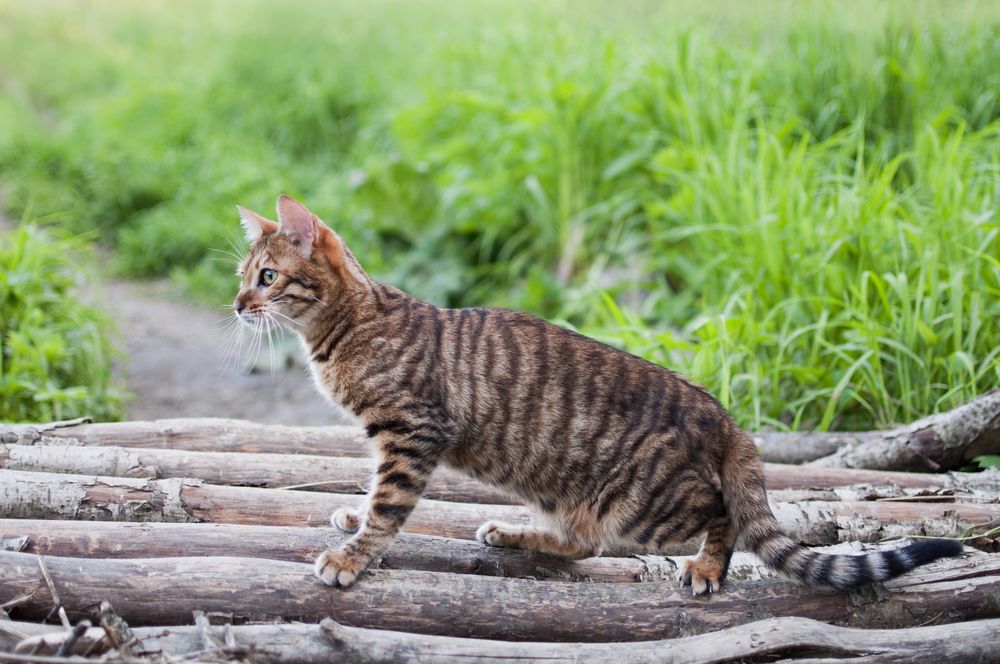
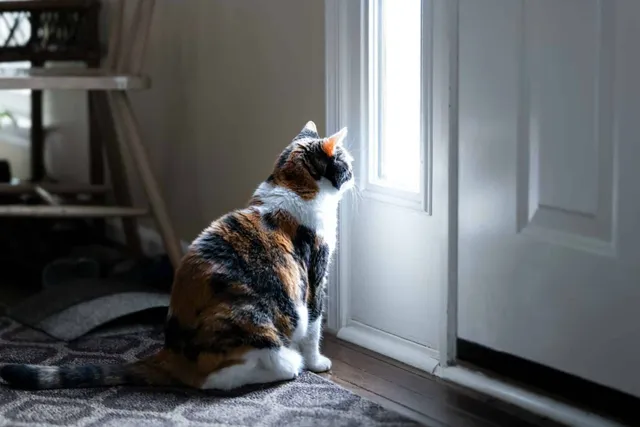
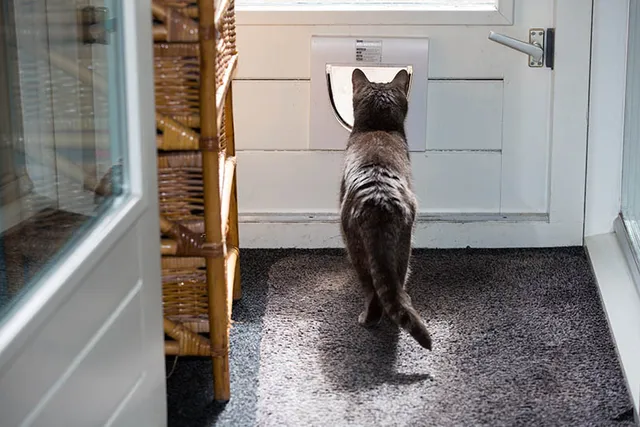
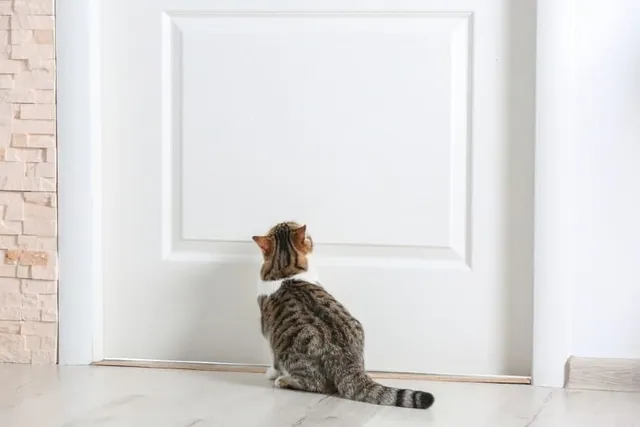
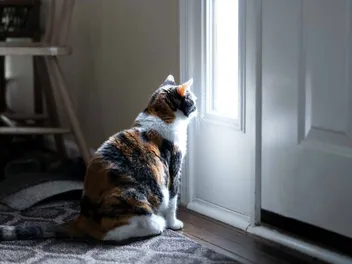
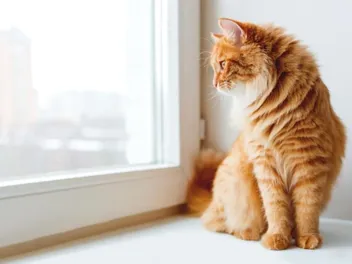
If you can’t open a single door in your house without your cat trying to bolt, you know how stressful the constant escape attempts can become. But have you ever wondered why your cat constantly tries to flee to the great outdoors? Cats might be following their social instinct of exploring the outdoors and looking for food.
In this article, we’ll cover six likely reasons your cat wants to go outside so badly. We’ll also cover some solutions to your problem and explain why experts recommend your cat stay inside.

The 6 Reasons Why Your Cat Wants to Go Outside So Bad
1. Looking for Love
Male and female cats may try to escape the house for a mate if they aren’t spayed or neutered. Unneutered male cats have a strong instinct to search for females and reproduce, which may draw them outside at any time.
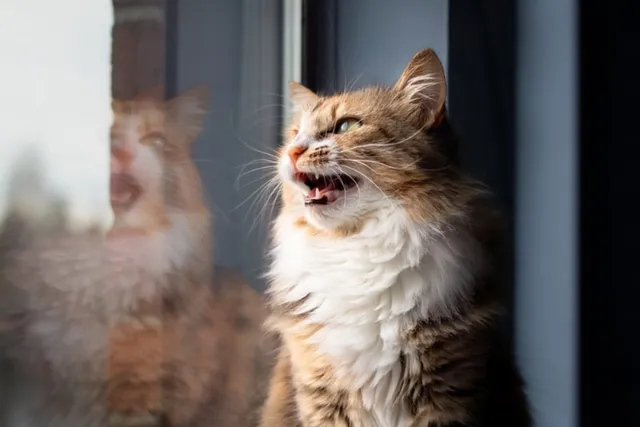
Female cats may be uninterested in going outside until they go into heat. One of the signs that a female cat is in heat is restlessness and a sudden interest in going outdoors, often displayed by pacing and vocalizing. Because females can go into heat every 2–3 weeks during their breeding season, this can be very tough to live with!
Solution: Get your cat spayed or neutered as soon as they are old enough. It will reduce your cat’s desire to go outside and make your kitty much more pleasant to live with. Your cat will also be less likely to develop health problems like mammary cancer, testicular tumors, or a life-threatening uterine infection called pyometra.
2. Looking for Food

Even though domestic cats get all the nutrition they need handed to them on a platter daily, they may feel the urge to go outside and hunt for food. Cats are natural predators, with instincts leading them to stalk, pounce, and capture prey.
If your cat regularly spies birds or other small animals outside, they may try to dart outside to hunt. This can be especially scary if your cat tries to run out at night when wild or feral cats are engaged in hunting.
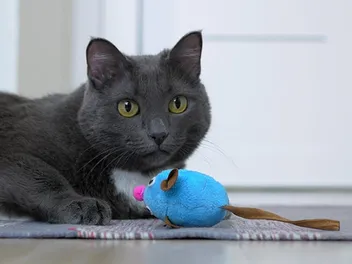
Solution: Provide your cat with toys that allow them to utilize natural hunting behaviors. Spend time playing with your cat every day as well.
3. Marking Territory
In the wild, cats maintain a home range, which they guard against others of their species. To signal ownership, the cats mark their territory in various ways, including spraying urine and scratching on trees. Your cat probably considers your house their territory, but they likely think of your yard as their domain.
Because of that, they may try to get outside so they can mark their territory. This is especially likely to happen if a stray or outdoor cat is hanging outside your house.
Solution: Keep an eye out for stray cats outside your house. If you know who they belong to, speak to their owners to see if they’ll keep their kitty away and let them know your cat is developing behavior problems. Rescue groups may be able to trap and relocate unowned cats.
4. To Socialize

Sometimes, seeing another cat or a human outside is enough to spark an escape attempt because your feline wants to make friends. Many cats are more social than people realize, given their reputation for being aloof and solitary. If your cat is lonely, they may head outside searching for others. Again, this may be more common if other cats hang around your house.
Solution: Spend plenty of quality time with your cat. If you work long hours, consider hiring a pet sitter to come by and play with your kitty every day. If you can afford another pet, consider if adopting a new friend for your cat is the right choice for your home.
5. To Explore
Your cat may try to run outside because they feel like exploring and enjoying the fresh air. The outdoors is full of sunshine, exciting smells, and fast-moving bugs to chase. Who can blame bored indoor cats for hurrying out the door and enjoying it?
Cats that previously lived outdoors may be more likely to try to escape for this reason. However, given their natural curiosity, any cat may feel the urge to explore.
Solution: Consider training your cat to walk on a harness and leash. This will allow your cat to explore safely. Another option is to create a cat-safe outdoor enclosure for your cat to enjoy fresh air and sunshine. You can buy inexpensive, portable cat tents or invest in a permanent structure like a catio. Just ensure your cat is on appropriate preventatives for parasites like fleas!
6. To Spend Time With You!

If you spend a lot of time outside in your yard gardening, playing with your kids, or lounging in a hammock, your cat may try to escape the house to spend time with you. According to research, most cats bond closely with their owners and enjoy spending time with them.
Some breeds are especially social, like Maine Coons and Siamese. If your cat won’t let you perform indoor tasks without hovering, why would it be different from outdoor ones?
Solution: If you have a fenced-in yard, you can let your feline friend keep you company if you keep a close eye on them. If not, revisit the idea of a leash or portable cat tent.

Why Can’t I Just Let My Cat Go Outside?
If you’re tired of constantly blocking your cat from escaping or listening to their yowling as they search for an exit, you might be tempted to give up and let them outside. However, it can be risky for your cat, local birds, and wildlife.
On average, outdoor cats typically have much shorter lifespans, as much as 10-12 years less, according to some estimates, than indoor cats. Several risks endanger outdoor cats, including the following:
- Infectious diseases
- Parasites
- Attacks from other cats, dogs, or wild predators
- Car accidents
- Ingestion of toxic plants or substances
Also, outdoor cats that aren’t spayed or neutered may contribute to the large population of feral and homeless cats. They may also become a nuisance to neighbors, disturbing their pets or using their gardens as litter boxes.
Feral and owned outdoor cats also pose a danger to local wildlife and birds. In the United States alone, it’s estimated that cats kill between 6.3 and 22.3 billion small mammals each year, along with up to 4 billion birds.
Conclusion
As we’ve learned, if your cat wants to go outside, there could be several reasons for their behavior. While unsupervised access to the outdoors is dangerous for your cat, that doesn’t mean your kitty can’t enjoy the fresh air.
Leash-training is becoming much more popular, with some adventurous humans even bringing their kitties along on hikes, camping trips, and paddleboard excursions. If you let your cat spend time outdoors, ensure they’re up-to-date on their shots and appropriate parasite prevention.
Sources
Featured Image Credit: Kutikova Ekaterina, Shutterstock
Expert cat care, straight to your inbox
News, insights, and useful advice, delivered to you.

No spam — unsubscribe anytime.
By signing up, you agree to our Terms & Conditions and Privacy & Cookies Policy.
How useful was this post?
Click a star to rate. You can leave written feedback afterwards. (We read all feedback.)
Elizabeth Gray is a lifelong lover of all creatures great and small. She got her first cat at 5 years old and at 14, she started working for her local veterinarian. Elizabeth spent more than 20 years working as a veterinary nurse before stepping away to become a stay-at-home mom to her daughter. Now, she is excited to share her hard-earned knowledge (literally--she has scars) with our readers. Elizabeth lives in Iowa with her family, including her two fur kids, Linnard, a husky mix and Algernon, the worldʻs most patient cat. When not writing, she enjoys reading, watching all sports, and spending time outdoors with her family.