

In this article
View 8 More +With a heart as large as their body, the Maine Coon (often incorrectly referred to as the “Mancoon”) is an ideal family pet. This stunning and beloved cat originates from Maine, as the name suggests, and is the official state cat. There is a legend that the Maine Coon is descended from the cats of Marie Antionette, but whether or not that is true, it is impossible to deny that this breed possesses a regal disposition.
Breed Overview
Height:
10–16 inches
Weight:
15–25+ pounds (male), 10–15 pounds (female)
Lifespan:
12–15 years
Colors:
Solid colors: Brown, white, black, blue, red, and cream
Suitable for:
Families with children, multi-pet households, affectionate cat lovers, low-maintenance owners
Temperament:
Gentle, affectionate, intelligent, puppy-like, quiet
Regal and impressive though they may be, the Maine Coon is not a standoffish feline. Instead, they are known to be affectionate, gentle, and playful. They are often described as being “puppyish” in personality, with a love for water and playing fetch.
For cat lovers looking for a social, attentive pet, the Maine Coon is a perfect choice. When they don’t want to engage you in playtime, they’re eager to curl up in your lap and nap. Keep reading below to learn more about what it looks like to care for this incredible breed.
Maine Coon Characteristics

Maine Coon Breed Kittens

Maine Coon kittens are not your average kitten. While they will not be fully grown while they are young, they may grow pretty quickly–and they will grow big. You’ll need to prepare by providing lots of space for your Maine Coon to run around, as well as plenty of vertical space for them to climb. Maine Coons love climbing, so give them plenty of cat trees and perches for them to explore.
Another thing to consider is how heavy your Maine Coon may become. Some can weigh up to 25 pounds, so they may be prone to bumping into things and knocking them over as they explore. If you have fragile items in your home, it is best to keep them out of your cat’s reach. Just make sure you don’t underestimate how high your Maine Coon cat can climb!
Maine Coons are affectionate, social cats. They are not an aloof companion that can be left alone for prolonged periods, so you’ll need to be able to spend a lot of time with them. If you are looking for an independent companion, the Maine Coon isn’t the one.

Temperament & Intelligence of the Maine Coon
The Maine Coon’s temperament is the epitome of a gentle giant. They are sweet, even-tempered felines that enjoy living in busy households. They are active and playful, so owners of the Maine Coon will often find their pets perched on ridiculously high surfaces. However, the Maine Coon can occasionally be graceless when jumping. They may miscalculate the leap to a higher surface, causing them to miss it or make a mess if they knock something over.
Unlike most breeds, the Maine Coon typically enjoys water. They like to scoop water with their paws and drop their favorite toys into their water bowl. Some may even try to sneak into the shower with you!
In terms of intelligence, the Maine Coon is clever. House training them will be relatively simple, and they can even be clicker-trained to perform basic tasks or tricks.

Are These Cats Good for Families? 👪
Maine Coons are excellent family companions. They get along great with adults, seniors, and children, making them a great addition to any family dynamic. They are patient and willing to be handled as long as they are being handled properly.
Does This Breed Get Along with Other Pets? 🐶 😽
The Maine Coon is one of the best breeds that you can introduce to a multi-pet household. They get along spectacularly with cats and dogs, and the chaos of multi-pet households doesn’t typically fray on their nerves.
In the past, the Maine Coon was often put to work as a ratter. As a result, Maine Coons have high prey drives and may not be the best companion for smaller mammals such as hamsters or guinea pigs. Fish and birds may also be inadvisable as roommates.
Things to Know When Owning a Maine Coon
If you are considering adding the Maine Coon to your household, you’ll need to do a lot of research. While understanding the Maine Coon’s temperament is crucial to deciding whether or not the breed is right for you, you should also consider the Maine Coon’s needs.
Providing for your pet’s care needs is an essential part of being a responsible pet owner. Below, we will discuss the Maine Coon’s care, including their diet, exercise, and grooming needs.
Food & Diet Requirements 🐟
Since the Maine Coon is such a large cat, feeding them a diet that meets their nutritional needs is essential to ensuring they maintain a healthy weight. For this breed, a diet that is nutritionally balanced and rich in protein is the best to ensure that they do not become underweight or overweight.
All cats are obligate carnivores, meaning they need an animal-based protein to be healthy. Therefore, search for high-quality cat food formulas that prioritize animal-based proteins in their ingredient lists.
Free feeding is not advised for most Maine Coons since it can quickly lead to obesity. Instead, offer your cat three to four small meals per day. Consulting a trusted vet to construct a dietary plan for your Maine Coon is the best way to ensure that your pet is receiving a sufficient amount of calories and nutrition in their diet.
Some cats, especially those with health concerns, may require additional vitamin or mineral supplements. However, you should not give supplements to your cat without your veterinarian’s approval.
- Our Recommendation: Best Cat Foods for Maine Coon Cats – Catster’s Reviews & Top Picks

Exercise 🐈
Maine Coons need a lot of exercise. The best way to ensure that your Maine Coon is staying active is to dedicate 20 minutes of your day to playing with them. Maine Coon cats love to spend time with their favorite humans, so when allowed to play with you, they’ll pounce on it.
When you are away from home, your Maine Coon will benefit from having plenty of toys, perches, cat trees and scratching posts. They will keep your pet active and mentally stimulated throughout the day.
Training 🧶
Due to the Maine Coon’s intelligence, training them is fairly easy. House training shouldn’t be especially difficult, and once you’ve covered the basics like litter box training, you can begin to teach your Maine Coon neat tricks. Maine Coons are often a delight to train since they are quick learners that love to spend time with their owners.
The best way to train a Maine Coon (and any pet, for that matter) is through positive reinforcement training. Maine Coons love pleasing their owners and receiving treats, so reward-based training is the ideal approach. If you keep training sessions short, entertaining, and full of rewards, your Maine Coon will have a lot of motivation to learn!

Grooming ✂️
In spite of the Maine Coon’s long, fluffy coat, they aren’t high maintenance in terms of grooming care. They will need daily brushing to keep their coats free from tangles and matting, but beyond that, they don’t require specialized care. Maine Coons typically love attention, so they won’t be liable to run off when you try to brush them. Still, it’s a good idea to train your Maine Coon kitten to be accustomed to handling. The more familiar your pet is with being touched, the easier it will be to provide for their grooming needs.
Other grooming needs include nail trimming and teeth brushing, which should be done regularly. They may need an occasional bath, but since they love water, it shouldn’t be much of a challenge.
- Our Recommendation: Best Brushes for Maine Coon Cats – Catster’s Reviews & Top Picks
Health and Conditions 🏥
Maine Coons have a decent lifespan, ranging from 12 to 15 years. Unfortunately, they are susceptible to some severe health conditions that may impact their lifespan if proper treatment is not received.
One of the more serious conditions that is prevalent among Maine Coons is hypertrophic cardiomyopathy. It is one of the most common heart diseases in cats and is caused by a thickening of the left ventricle walls. This condition can lead to issues akin to heart failure. Preventative care is critical to monitoring your cat for signs of hypertrophic cardiomyopathy.
Polycystic kidney disease is another issue that Maine Coon cats may experience. This occurs when cysts form on the kidneys, leading to irreparable damage.
Maine Coon cats are also predisposed to spinal muscular atrophy, a neurological condition that impacts a cat’s physical function rather than cognitive abilities. Cats with this condition may have an unsteady gait or difficulty moving.
Regarding relatively minor conditions, watch out for gingivitis and hip dysplasia. While these conditions can lead to more severe issues over time, catching and remedying them early can prevent them.
- Gingivitis
- Hip dysplasia
- Hypertrophic cardiomyopathy
- Polycystic kidney disease
- Spinal muscular atrophy
Male vs Female
According to some owners, males are typically more demanding and social, while females can be occasionally independent. However, the biggest determining factor of your cat’s behavior is not their sex but their personality. One difference between males and females is that males are larger on average than females.

3 Little-Known Facts About the Maine Coon
1. They Have Many Nicknames
Maine Coons have been given many nicknames over the years. They’ve often been referred to as the “Gentle Giant,” but many also call them “Shags.” Some have also referred to Maine Coons as the “Feline Greeters of the World.”
2. They Rarely Meow
Maine Coons do not meow often. Instead, they are known to make chirping or trilling noises. While this is typically quieter than your average cat’s meow, that doesn’t mean that the Maine Coon isn’t a vocal cat at times!
3. They Are Prone to Polydactylism
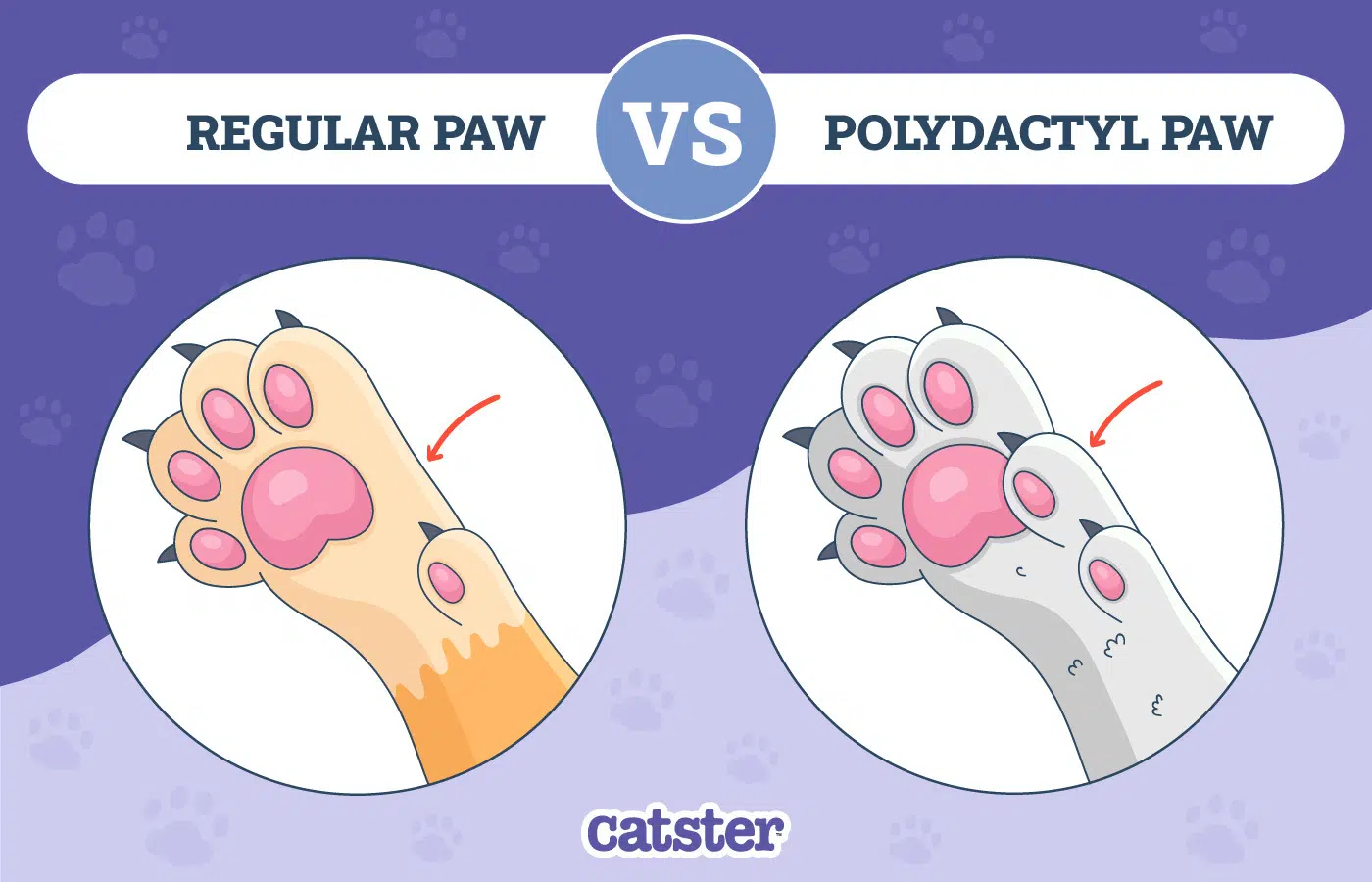
Maine Coon cats are prone to a unique condition called polydactylism. It is a harmless condition in which a cat is born with extra toes. If you’ve ever seen a picture of a cat with adorable little “thumbs,” you’ve seen the results of polydactylism in cats.
Final Thoughts
The Maine Coon cat is a special feline, and not just because of their tremendous size. Instead, their loving, social personalities make them so popular. If you are looking for a cat that is active, playful, extroverted, and great with kids or other pets, there are few candidates as ideal as the Maine Coon.
While the Maine Coon is not a high-maintenance pet, you will need to schedule plenty of one-on-one time with this cat. They require extensive playtime and attention to be satisfied, and those looking for an aloof or independent companion will not get that from the Maine Coon.
In addition, making regular appointments with a trusted vet is essential to monitor your Maine Coon for serious health concerns that are common in the breed. If you decide to bring the Maine Coon home, your life is undoubtedly going to be filled with liveliness and laughter.
Related Reads:
- Do Maine Coons Get Along with Dogs? What You Should Know
- Bengal Maine Coon Mix Cat Breed Info: Pictures, Temperament & Trait
Featured Image Credit: Seregraff, Shutterstock







One Response
I love how Maine coon is family friendly. And also they are much quitter than other cats.