How Long Do Maine Coon Cats Live? Vet-Verified Lifespan & FAQ


In this article
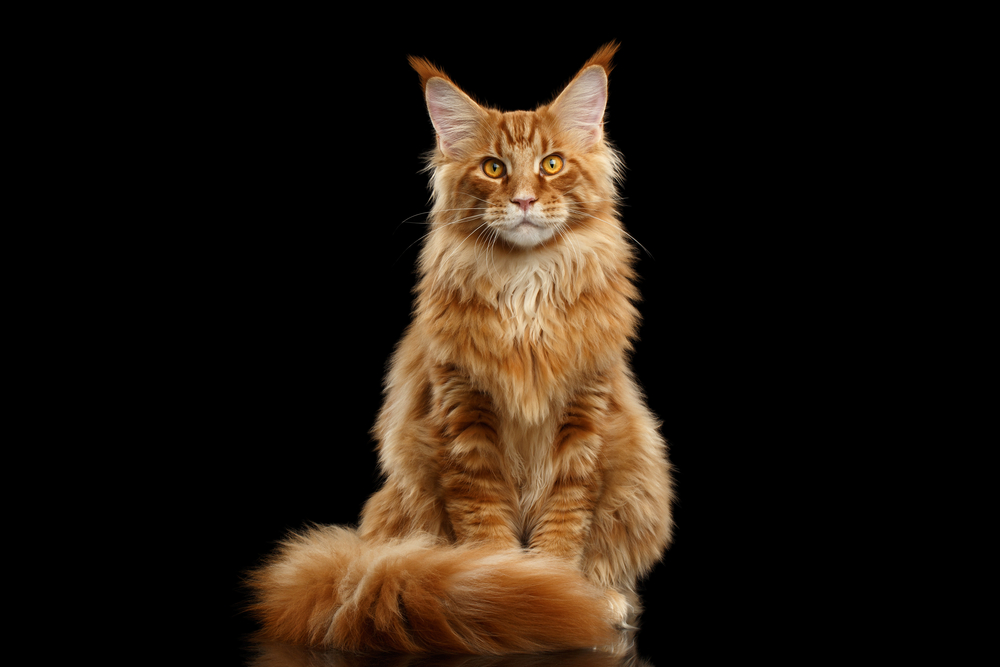
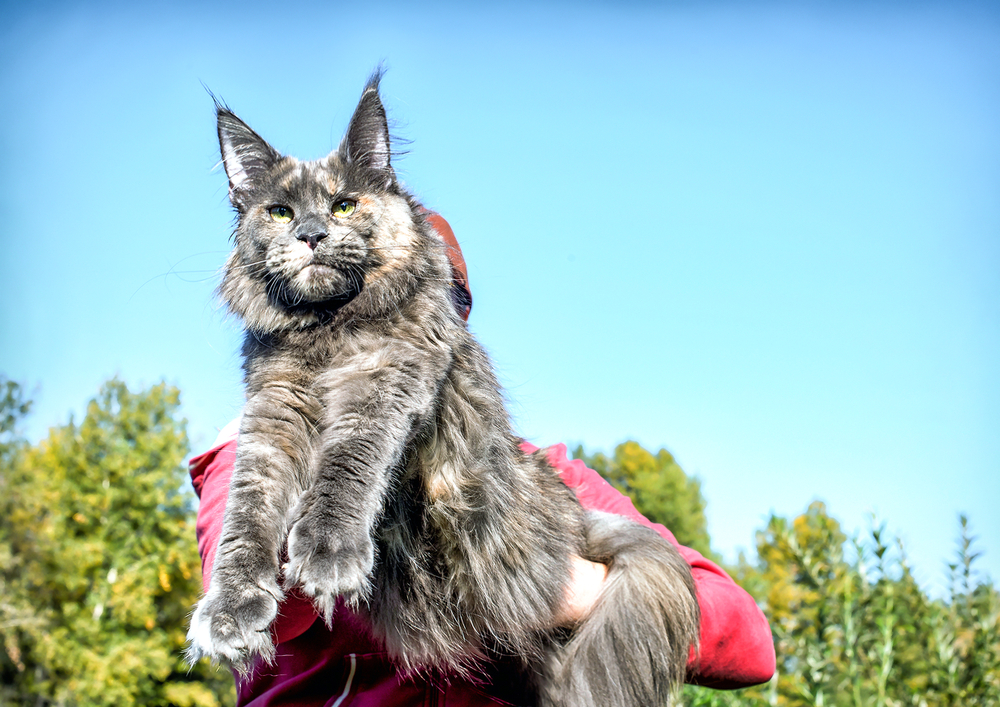
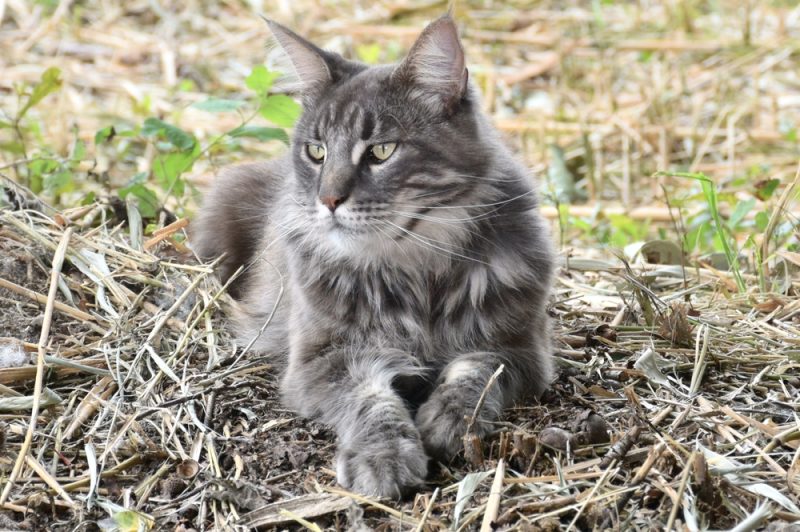
Considered the largest of domestic cat breeds, the Maine Coon holds a special place in the hearts of feline lovers worldwide. They tend to be laid back, intelligent, and friendly, and they share their warmth and joy with friends and family for their entire lives.
How long can you expect your Maine Coon to fill the home with their infectiously friendly and adoring aura? Maine Coon cats live an average of 10–15 years, which is slightly less than the average cat. Here, we’ll discuss how long Maine Coon cats live on average and what you can do to give them the longest, happiest lives possible.

Maine Coon Cat Average Lifespan
Though generally healthy, Maine Coons are more prone to some health conditions that may limit their lifespan, including obesity and hypertrophic cardiomyopathy (HCM).
Still, with proper care and healthy genetics, a Maine Coon can live well into their teens and even over the age of 20. Several Maine Coons have been the oldest living cats at various points, including a Maine Coon from England named Rubble, who lived to be 31 years old!1

How to Care For Your Maine Coon Cat for a Long Lifespan?
Maine Coon cats are hardy, but their longevity primarily depends on their health care. Promoting a long lifespan starts with ensuring your breeder does comprehensive screenings for common health issues. Cats from breeders who offer necessary testing and exceptional care will have the best chance of leading long, fulfilling lives.
After acquiring your Maine Coon, your feeding, grooming, and care routine will affect not only their lifespan but also their quality of life. With thoughtful care, your cat will likely be happier, and you’ll save time and money by preventing avoidable health problems and vet visits.
Feeding & Diet
Maine Coons need high-quality food rich in animal protein and low in carbs, with healthy omega fatty acids to support their organs, joints, skin, and coat. Adults should eat 20–30 calories per pound of body weight. Monitor your cat’s body condition frequently, as many owners don’t recognize their Maine Coons are overweight and fail to adjust their diet and exercise accordingly.

Environment
Maine Coon cats need space to roam and play, which may include supervised outdoor areas like gardens if you live in an apartment. An outdoor catio is even better, providing space to play outdoors while avoiding the risk of interactions with other animals or escaping the yard.
Making your Maine Coon an indoor-only cat is appropriate if you worry about outdoor hazards. They should have plenty of shelves and climbing furniture, cat trees, scratching posts for exercise, and enrichment devices like puzzle feeders and crinkly animal toys to avoid boredom.
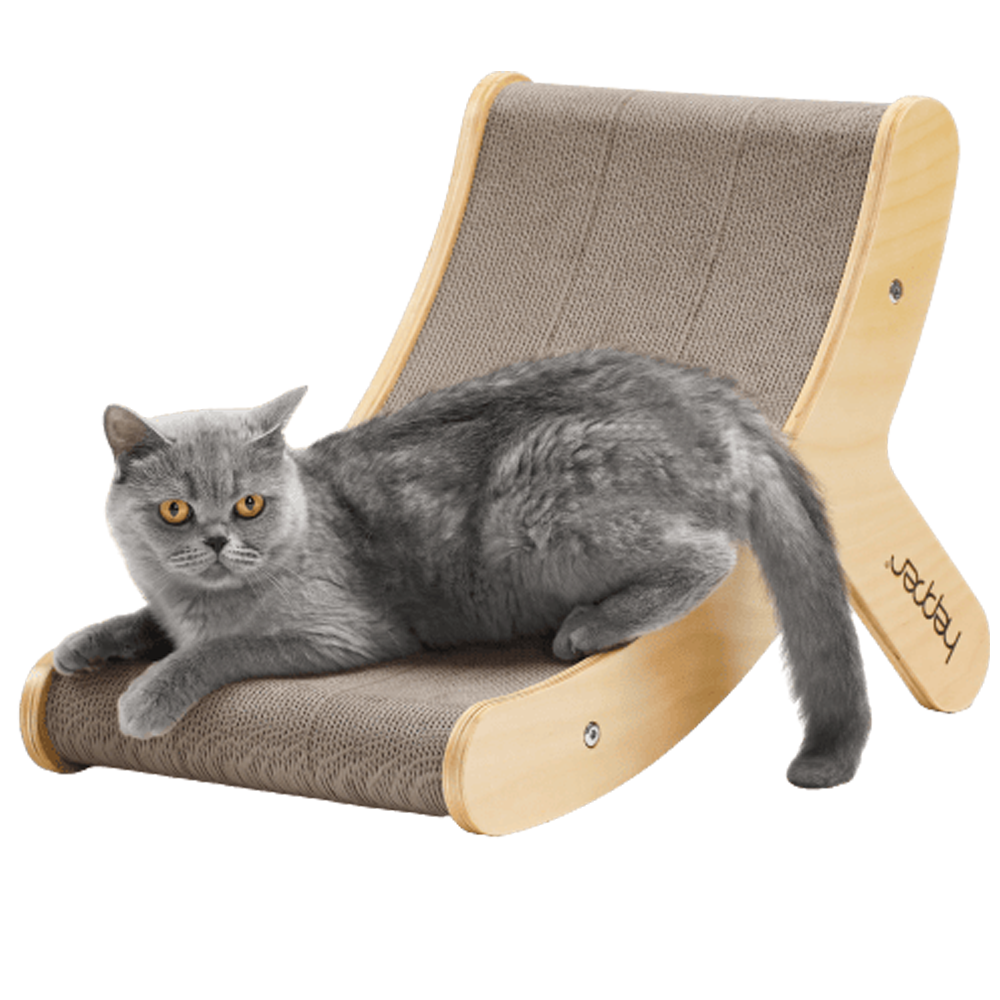
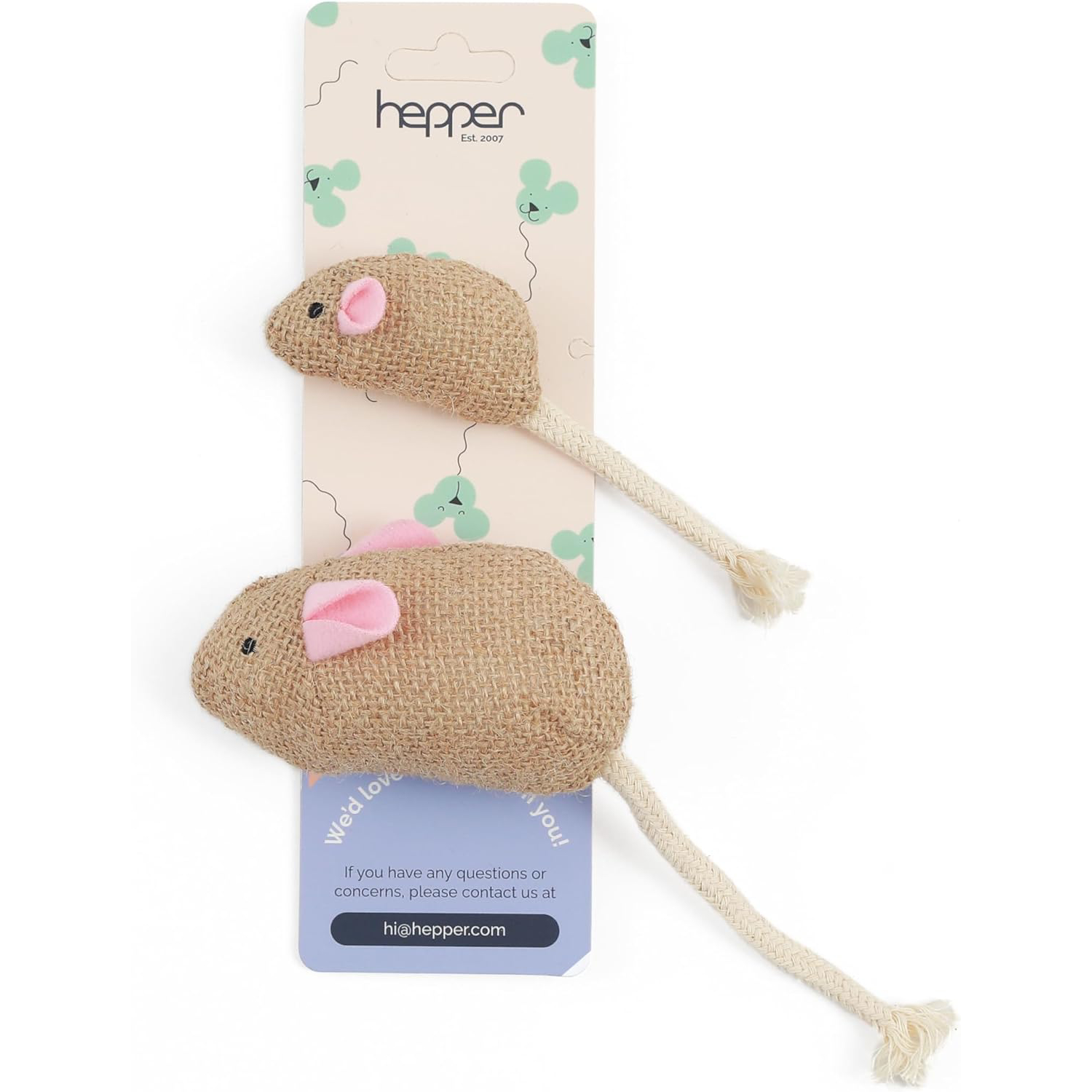
Looking for toys that will cater to the many needs of your cat? The Hepper Hi-lo Cat Scratcher is one of our favorite cat products, and it will encourage your cat to get active. Its clever three-angle design offers multiple ways for your cat to climb, stretch, and exercise. Made of a sturdy plywood base and a replacement cardboard insert, this scratcher is an option that cats can enjoy for years to come. If your cat requires a little encouragement for self-play, the Hepper Catnip Mice Toy Set is a fantastic choice for their instinctual needs. Made with natural, bite-resistant hessian fabric and filled with organic catnip. Cats can satisfy their natural prey instincts while getting the physical activity they need to thrive.
| Image | Product | Details | |
|---|---|---|---|
|
Hepper Hi-Lo Cat Scratcher |
|
Check Price |
|
Hepper Catnip Mice Toy Set |
|
Check Price |
At Catster, we've admired Hepper for many years, and decided to take a controlling ownership interest so that we could benefit from the outstanding designs of this cool cat company!
Care
Maine Coons should have a clean space and an active lifestyle. Encourage daily play to keep them in shape and build your bond, using toys like feather wands and balls to engage them. Always ensure they have fresh water to stay hydrated and keep hazardous items or off-limits areas inaccessible.
Cleaning
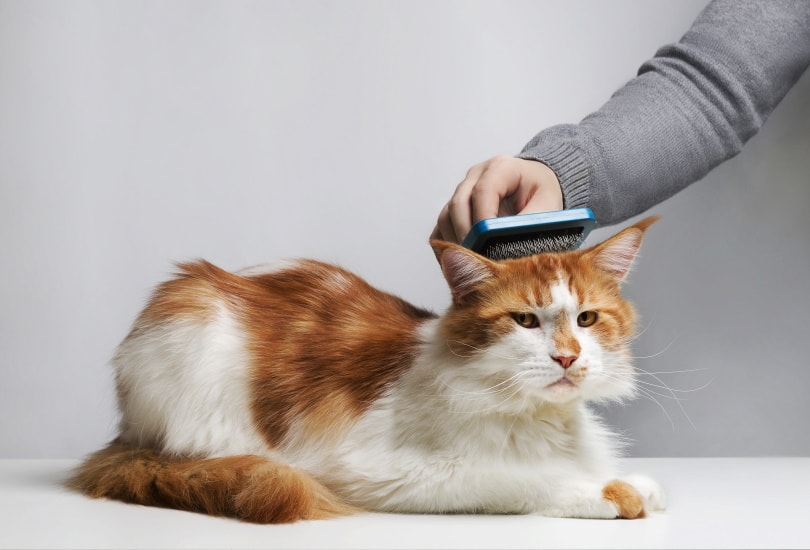
Brush your Maine Coon’s plush coat two to three weekly to reduce mats, remove dead hair, and strengthen the skin and fur, and bathe them every 1–2 months with a cat shampoo to keep their skin and coat clean. Nails need clipping every 2–3 weeks, and teeth require brushing every 1–2 days. Check and clean the ears weekly to prevent infections.

Breeding
Breeding Maine Coons should be left up to responsible breeders only. These are people that are willing to have their animals screened for genetic illnesses that can be passed down to offspring. They are also people who are in the business for the love of the breed, not profits.
Healthcare
Maine Coon cats should visit the vet at least once annually as adults, while senior cats benefit from going every 6 months. Spaying and neutering at the appropriate age can be a critical step in preventing several health issues and extending your Maine Coon cat’s lifespan.

The Life Stages of a Maine Coon Cat
Due to their relatively slow growth rate, Maine Coons don’t fully mature until roughly 4 years old. Males generally take the longest to reach full-blown adulthood.
Kittenhood (0–6 Months)
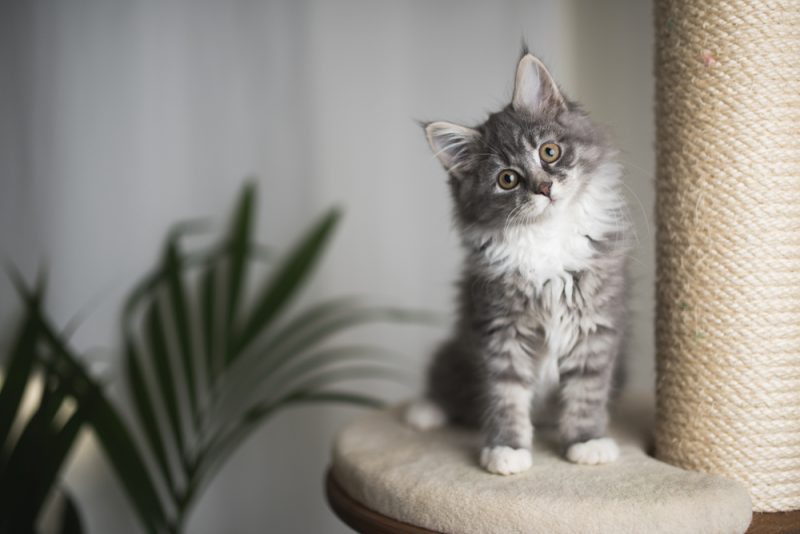
Kittens need stimulation and attention. To engage your cat mentally, maintain a cat-proofed environment and rotate toys and enrichment devices. Socialization is critical, as is introducing a routine with grooming and care tasks.
Adolescence (6–18 Months)
The adolescent phase consists of activity and stand-offishness. Maine Coons still need loads of exercise and food to fuel their growth but may also test boundaries and become more independent.
Be patient as they work through this challenging phase. Training may require a trip back to basics, and you’ll have to find creative outlets for their energy and mischief.
Junior (1.5–4 Years)
Maine Coons grow fast in the first couple of years. Their development then slows but continues until they reach their mature size at 3–4 years. They can transition off kitten food after 18–24 months.
Adult (4–10 Years)
Adult Maine Coons are typically easygoing, affectionate, and more relaxed. Take them to the vet at least once annually, and provide ongoing enrichment with a rotation of toys and devices to keep them in shape and docile.

Senior (10+ Years)
As your Maine Coon ages, talk with your vet about their routine. They may recommend specialty diets or supplements to aid your cat’s aging body. Monitor changing habits, as older cats may need environmental adjustments if they have issues feeding, eliminating, or sleeping.

How to Tell Your Maine Coon Cat’s Age
Teeth
Permanent teeth come in at 4–6 months. Younger cats will tend to have whiter teeth, while cats with stains are likely in their older years. Keep in mind that cats that don’t receive proper dental care may have large amounts of tartar accumulation that could make you think they are older than they actually are.
Coat
A kitten’s coat will be voluminous and plush, while older Maine Coons may have more graying and coarser fur without as much fluff or density. Self grooming will also decline as cats lose flexibility and develop painful conditions like arthritis due to age.
Muscle and Activity
Young cats are active and toned. As they age, they become less energetic, often taking on extra body weight and areas of sagginess.
Eyes
Between 4-8 weeks, a kitten’s eyes change from blue to their final color. Adults gradually show a changing look to their eyes, with seniors often developing cloudiness and frequent tearing or discharge.

Conclusion
Maine Coon cats live around 12.5 years on average, but the breed only has a minor impact on any pet’s longevity or quality of life. Breeding practices and upbringing are more critical than anything, giving owners the ability to add years to their pets’ lives. By following these insights on how long Maine Coon cats live, you can set them up for many years of happy, comfortable companionship.
Featured Image Credit: pix-l passion, Shutterstock

Expert cat care, straight to your inbox
Vet-reviewed advice, behavior tips, and the best of Catster. Free, and you can unsubscribe anytime.
By signing up, you agree to our Terms & Conditions and Privacy & Cookies Policy.
Catster is a cat magazine and cat website where cat lovers come together and get expert advice about cat behavior, cat health and cat news.
Join the conversation
Ask a question, share your story, or send private feedback.