Why Is My Cat’s Nose Dripping When Purring? 3 Vet-Reviewed Reasons & FAQ


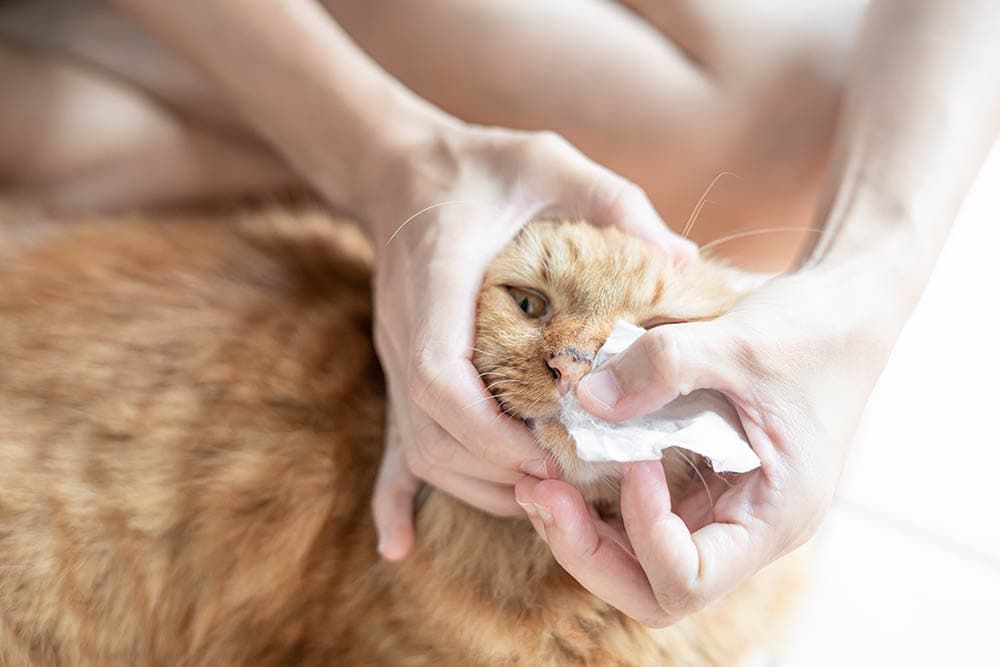
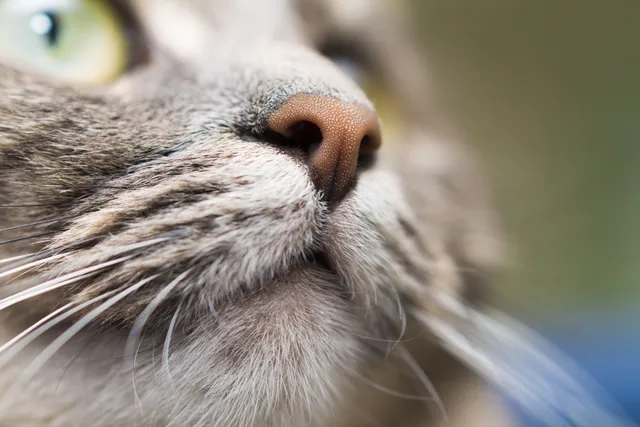
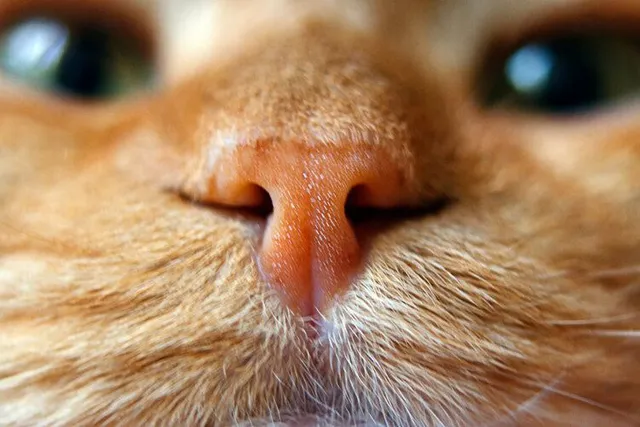
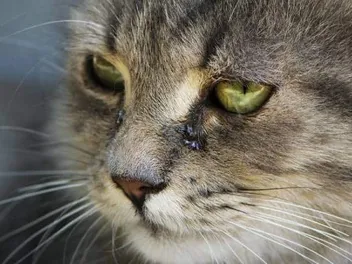
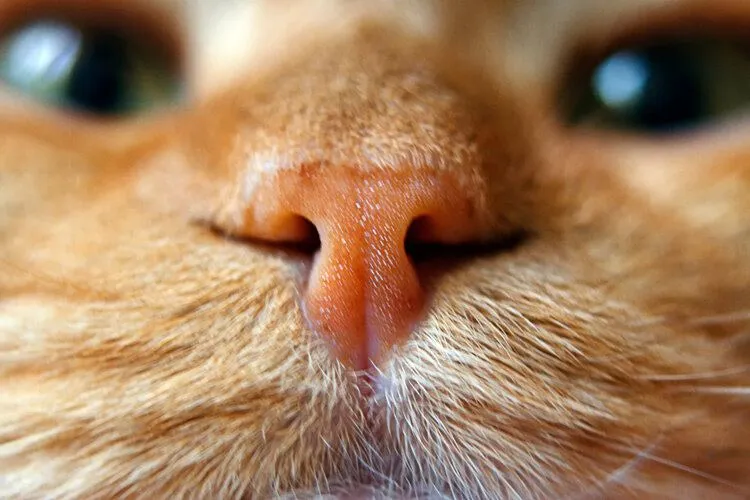
Have you ever been quietly petting a purring cat, only for them to stick a wet nose in your hand? The first time it happens, this might seem like a random coincidence. But if your cat’s nose is often wet or dripping when they purr hard, you might wonder if there’s more going on. The truth is that yes—some cats do get drippy noses when they purr. This isn’t a particularly common trait, but it can happen.
However, if this is not common for your cat, has become excessive, or the nasal discharge is thick, yellow, or crusty, alongside any signs of an upper respiratory illness, then this warrants prompt veterinary attention.
Although we don’t understand all the reasons why this happens, there are a few possible causes. Here are the top reasons why your cat’s nose might be dripping when they purr.

The 3 Reasons Why Cats' Noses May Get Wet When They Purr
1. Drippy Noses May Be Drool-Related
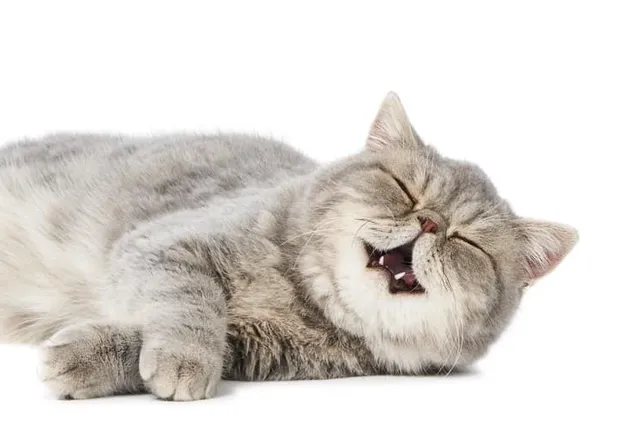
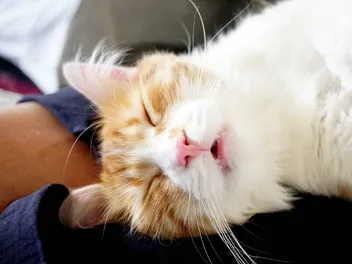
If your cat is a drooler, that may possibly extend to the nose, too. Sometimes, drooly cats may have drippy noses when they salivate. As to why your cat is drooling, it may be a pleasure response in anticipation of an upcoming meal, particularly when combined with kneading, as kittens knead while nursing from their mother.
Generally, drooling and dripping noses when purring as a sign of contentment is something cats start doing from a young age, and it may be more pronounced as they get older. At this time, we cannot find any scientifically verified evidence or a valid explanation why a wet nose may be related to this, but it is also possible to mistake a wet nose with an excess of drool.
2. It Could Be a Sign of an Upper Respiratory Illness
It’s also possible that the purring and nose dripping are unrelated. Runny noses can be caused by a number of ailments, such as an upper respiratory inflammation, infection, dental disease, a nasal foreign body, cancer, etc. An upper respiratory infection in cats is often referred to as feline flu or a cold and is contagious between cats.
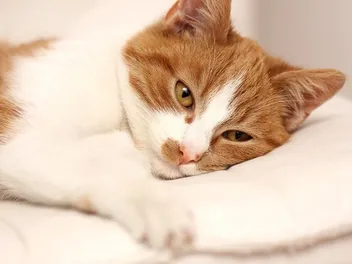
Signs of an upper respiratory illness in cats usually involves sneezing, nasal discharge, discharge from the eyes, conjunctivitis, nasal congestion, increased upper respiratory noise, reduced appetite, lethargy, fever, enlarged lymph nodes, drooling, and sometimes ulcers in the mouth.
If your cat is displaying any of the above signs, it’s important to get them examined by the vet as soon as possible. Some of these conditions may require additional diagnostic procedures, such as dental x-rays or endoscopy of the nasopharynx, while others may be treated symptomatically.
3. It May be Due to an Environmental Allergy or Irritation
Cats may have a dripping nose if they come in contact with a particular allergen, such as tree or grass pollen. However, allergies in cats usually exhibit as signs of allergic skin disease or digestive issues, but they may also manifest as sneezing, ocular and nasal discharge, increased upper respiratory signs, or coughing. This may manifest as your cat’s nose dripping at the same time as purring. Irritation to the upper respiratory tract and the nose may also occur when a cat inhales or comes in contact with an unpleasant scent or substance, and this may lead to drooling, sneezing, and nasal discharge.
If you think your cat is suffering with an allergy, consult a vet or a veterinary dermatologist about the diagnostic process that can help narrow down the most common allergens
Frequently Asked Questions
Are Runny Noses a Sign of Poor Health?
Runny noses can be a sign of allergy, infection, upper respiratory infection, or even dental illness, but in some cases, runny noses aren’t a cause to worry. This is usually when they are combined with drooling and signs of contentment, like purring and kneading. However, any nasal discharge that is not clear or is frequent and combined with other negative signs needs to be checked out by a vet.
How Should I Treat a Cat’s Runny Nose?
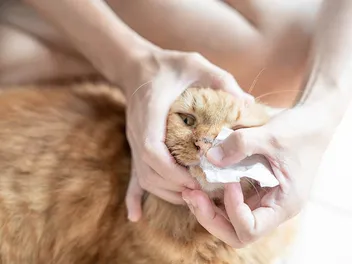
Most of the time, there’s not much you can do to treat your cat’s runny nose at home. Gently cleaning your cat’s nose and any stained fur with a cotton ball dipped in saline solution or warm water can help keep your cat’s nose clean so they can breathe more easily, but they should really be checked out by the vet as soon as possible.
When Should I Go to the Vet?
A runny nose on its own is not always a cause to be concerned about, but it can be a signal to look for other signs of illness, especially if it is common or recurrent. Eye discharge, conjunctivitis, sneezing, nasal congestion, lethargy, nasal discharge, changes in breathing, drooling, and reduced appetite can also be signs that your cat is sick. If these signs persist for a day or your cat is not eating their food, a vet visit is in order.
Be mindful that any respiratory difficulties, such as a blocked nose due to discharge or rapid and open-mouth breathing, are considered genuine life-threatening emergencies and need urgent veterinary attention. Get in touch with a vet immediately if this is the case, but also be aware that any respiratory or other illness that is left untreated may lead to rapidly worsening signs.

Last Thoughts
Drippy noses are not fun, and they may indicate a more serious underlying health issue. Sometimes, if your cat’s nose drips very slightly when they purr and drool at the same time, there is a chance that it is a sign of pleasure if your cat has been doing it for a long time and has no other signs of illness. However, if your cat is not quite right, they have never had a drippy nose, or they are showing some of the previously mentioned signs, they should be checked out by the vet as soon as possible.
Featured Image Credit: NONGASIMO, Shutterstock
Expert cat care, straight to your inbox
News, insights, and useful advice, delivered to you.

No spam — unsubscribe anytime.
By signing up, you agree to our Terms & Conditions and Privacy & Cookies Policy.
How useful was this post?
Click a star to rate. You can leave written feedback afterwards. (We read all feedback.)
Chelsea Flake Mortensen is a writer with a passion for cats. Growing up, she spent quite a bit of time around cats, along with a variety of other interesting pets. Chelsea holds a BA in English and Creative Writing from Brigham Young University.