Can Cats Get Colds? Vet-Approved Signs & Treatments

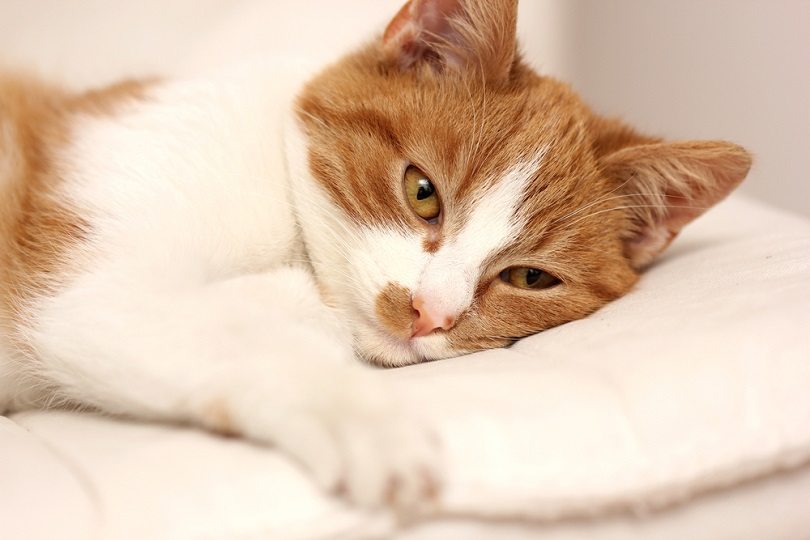
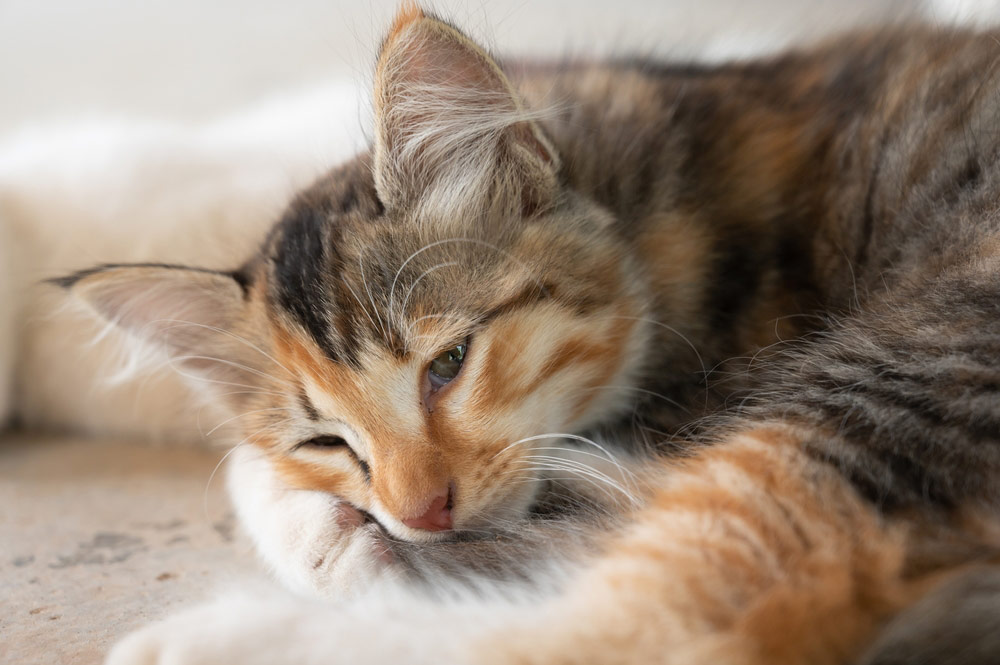
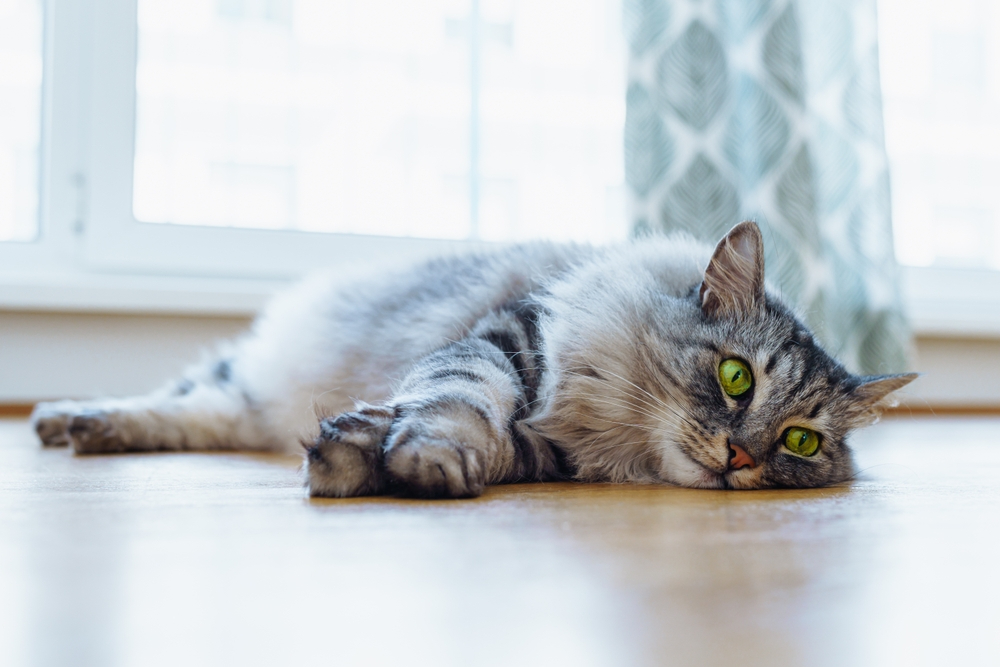
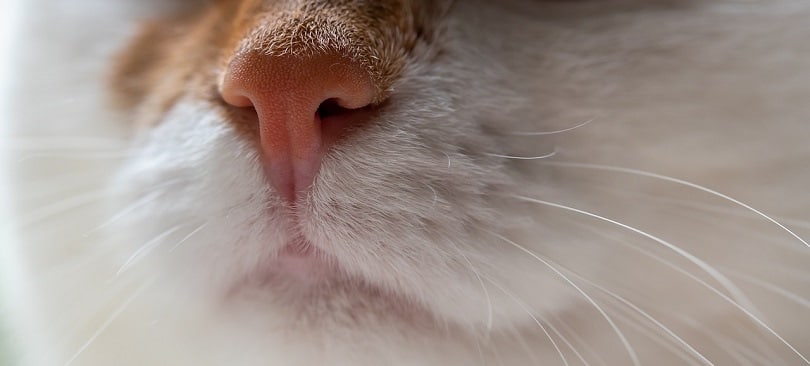
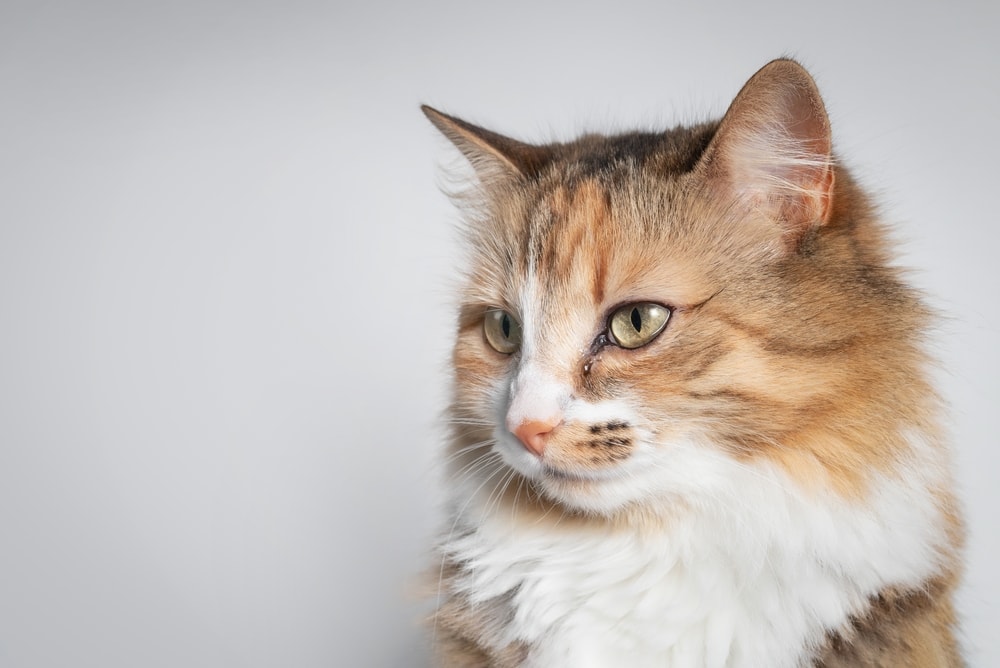
Cat colds exist, but they are most often referred to as upper respiratory infections. Cats can get some of the signs of a cold similarly to what humans get, though not from humans but from other cats. When a cat gets a cold, it’s not uncommon to see sneezing, congestion, wheezing, fever, enlarged lymph nodes, nasal discharge, conjunctivitis, lethargy, loss of appetite, and sometimes oral ulcers.
So, if you see any of these signs in your cat, they may have an upper respiratory infection. What should you do? Let’s first look into what kinds of signs they tend to show, how and why they get colds in the first place, and what to do about it.
This article is not a replacement for veterinary advice and a clinical examination, so please do not attempt to self diagnose your cat. Upper respiratory infections in cats may lead to a blocked nose or breathing difficulties if left untreated, which may become life threatening.

Signs of a Cold in Cats
Upper respiratory infections in cats are a general term that involves an infection with one or more viruses and bacteria. The most common culprits are feline herpesvirus type-1, feline calicivirus, Bordetella bronchiseptica, and Chlamydophila felis.1
Signs of a cold in cats may include:
How Do Indoor Cats Get Colds?
Of course you want to know how your cat got this cold, so you can prevent your cat from getting one in the future. These viruses and bacteria are highly contagious and cats may catch them through direct contact with an infected cat or one that is a carrier and sheds the virus or bacteria. Cats may also get exposed to these pathogens through contact with contaminated objects, such as food and water bowls, toys, or litter boxes used by infected cats.
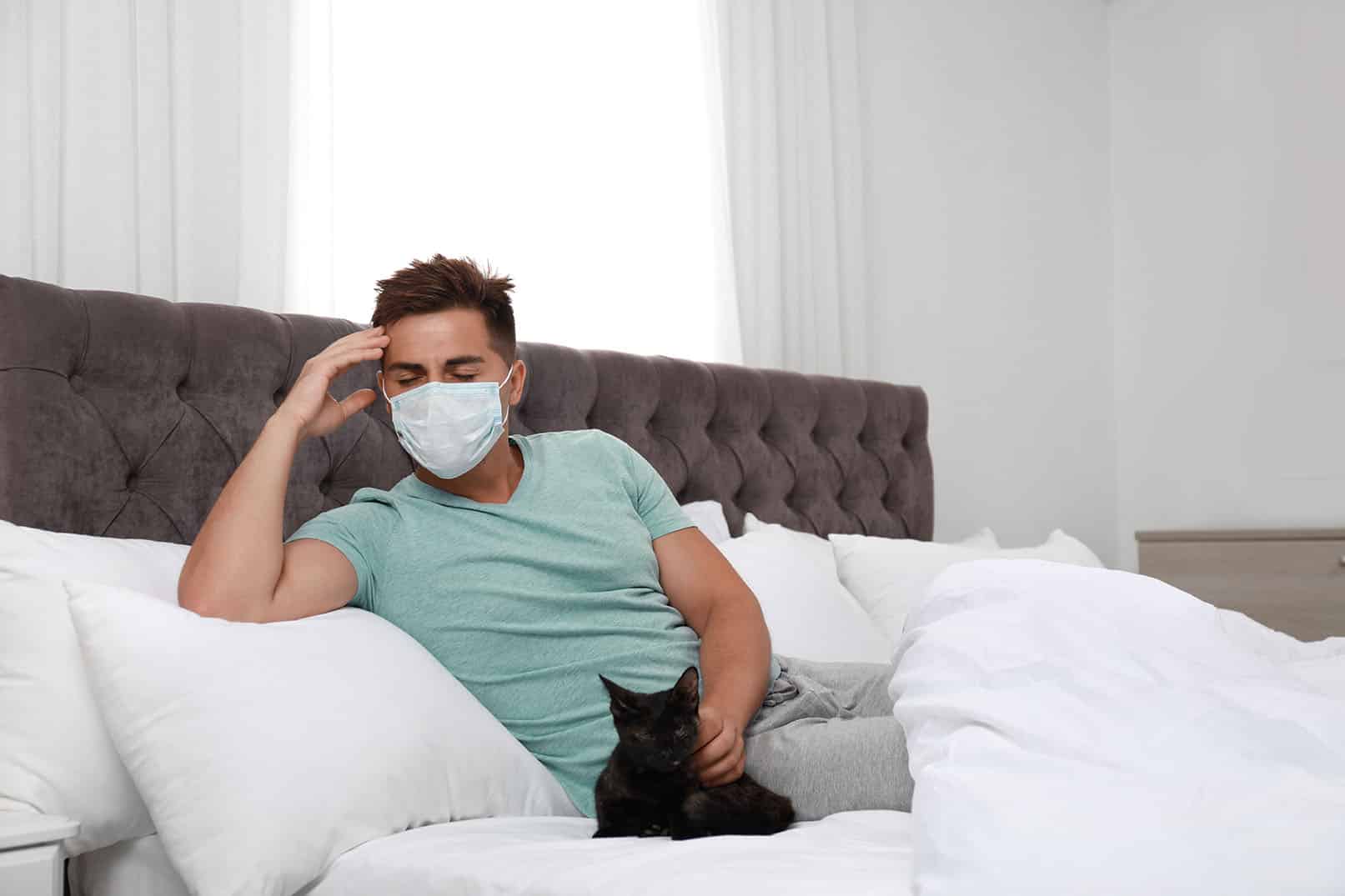
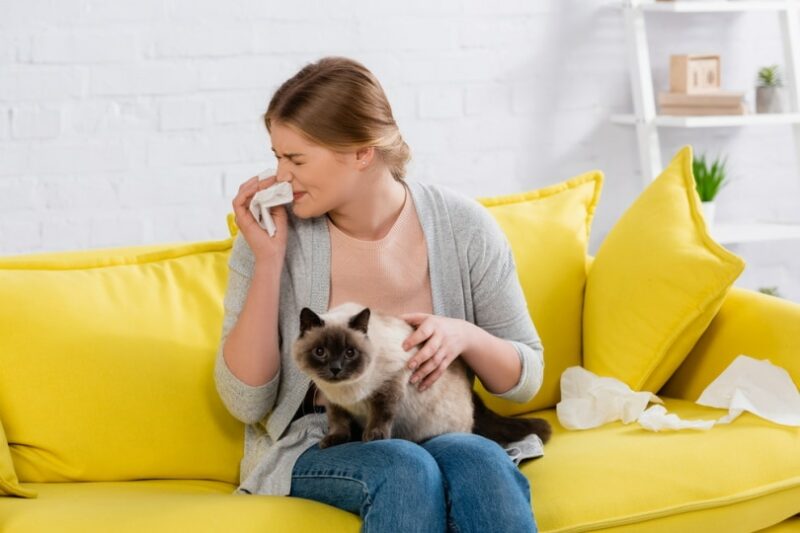
Outdoor cats and cats from a multi-cat household are more likely than indoor cats to get colds. This is because transmission usually happens between cats. Your cat generally cannot get a cold from you or any other human in the house, just cats.
Cats can also get kennel cough, but usually from other cats that live in big groups, such as colonies, while there is very little evidence they can catch it from dogs. However, they can give it to dogs instead. COVID-19 is not very common in pets, but people may spread the virus to their cats, which may shed it elsewhere if they are let outside. Cats will rarely show actual signs of illness, but this is not impossible. However, this virus is not a common cause of an upper respiratory infection in cats.
Let’s go back to a more typical cold, or cat flu. So how do indoor-only cats get colds?
Have you boarded your cat recently, or do you have a multi-cat household, with some cats being potential carriers of these viruses? This is a common way that indoor cats may get colds. When they are kept in an enclosed space with other cats, it's likely they will pass germs between each other, which explains how your cat got sick.
Another cold-causer is stress. Stress in your cat’s life, like a recent surgery, moving, or your absence, weakens their immune system and makes them more susceptible to viruses that cause colds.
Do Cat Colds Go Away on Their Own?
With very mild cat colds in otherwise healthy adult cats, some cases may go away on their own within a few days or a week. When you don’t see any improvement after 24-48 hours of their cold, or their condition is worsening, causing a reduced appetite, nasal discharge, oral ulcers, conjunctivitis, or any breathing difficulties at all, you should get your cat seen by a vet urgently.
Keep in mind, all of this advice pertains to healthy, adult cats. Kittens, senior cats, unvaccinated, pregnant and nursing cats are more at risk for serious complications than healthy adult cats, and it’s crucial to get a professional opinion as soon as possible.

How Are Cat Colds Treated?
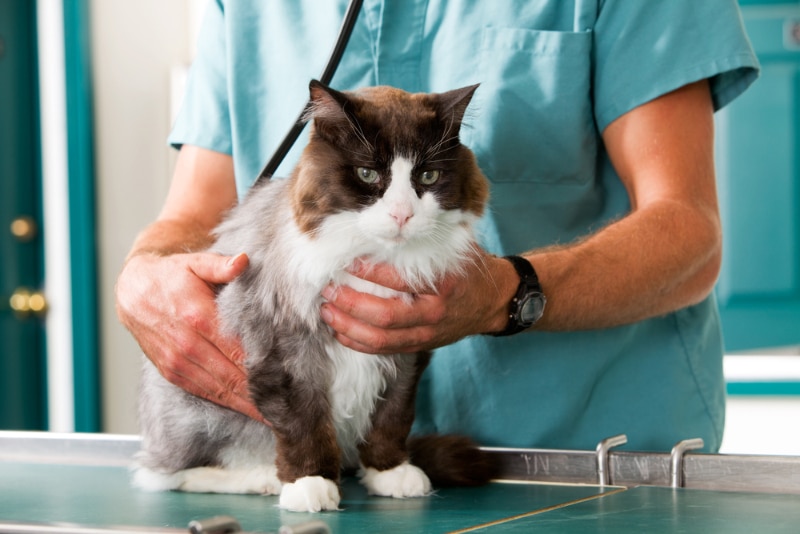
First of all, never give your kitty over-the-counter cold medication meant for humans. Some of these meds are toxic and may be fatal to cats. Next, it’s best to see your vet about the right solution for your cat’s cold. Your vet will know how serious the condition is when he or she examines your cat and will be able to properly treat your cat. They may prescribe a course of anti-inflammatories, sometimes antibiotics or appetite stimulants, while very sick cats will be admitted for oxygen therapy and intravenous fluids.
Sometimes, though, you can’t see your vet right away, and you want to offer your cat some relief sooner than later. Here are some things you can do to help her while you wait on the vet appointment.
Wipe Away Boogers
When your cat is well, they take care of their own grooming. But when they’re sick, you might need to help them out by cleaning the excess boogers from their face.
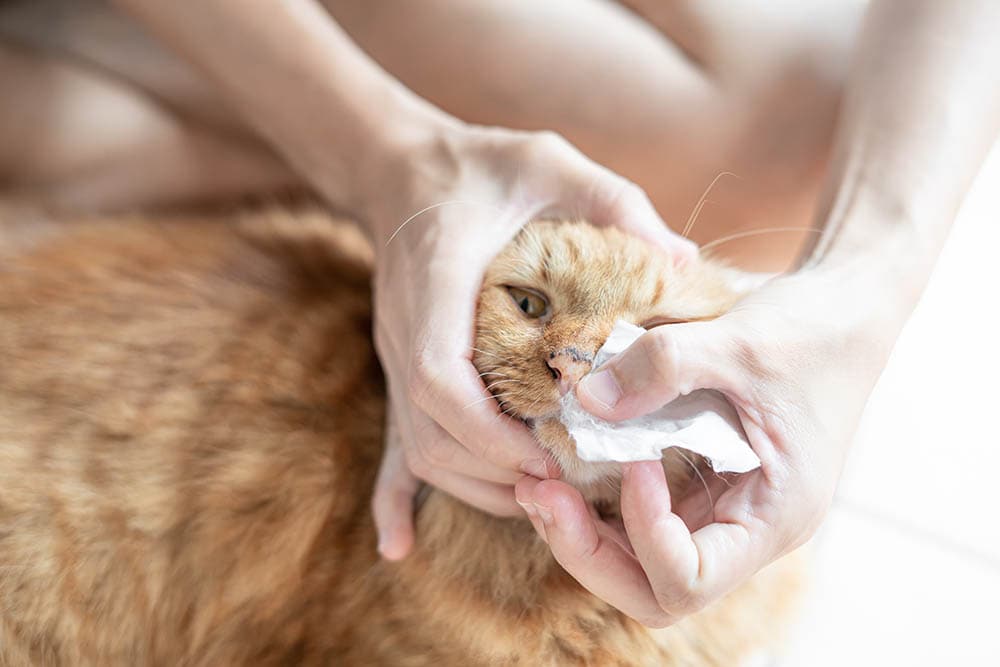
Gently wipe your kitty’s face with a clean, damp, and slightly warm washcloth. Wipe off any mucus formed around the nose and eyes. They might not like the process at first, but could feel a lot better when you are done and not mind it so much the next time.
Removing and cleaning nasal discharge as it gets produced is very important, as it may dry up and block off the nostrils, making it very hard for your cat to breathe properly. If this is the case or you cannot clean your cat’s nose, they will need to see the vet.
If your cat is having difficulty breathing through their nose, you may choose to use a bulb syringe at the tip of their nose to clear out mucus. These can be found in the same aisle as infant supplies at the local supermarket. Only do this if your cat will tolerate it; don’t force the use of it. This is just a temporary solution and your cat needs to see the vet immediately.
Run a Humidifier
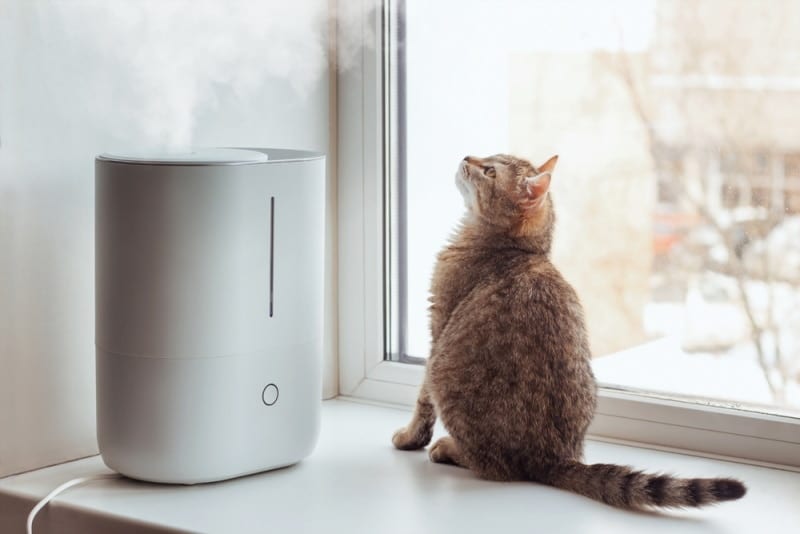
Decongestion is aided by extra moisture in the air. If you have a humidifier, run it by where your cat sleeps. It works even better if they are in an enclosed area.
If you don’t have a humidifier, you could put your cat in their crate, put a bowl of hot water near the entrance on the outside of the crate, and cover the area for about 15 minutes. This will hopefully flood your cat’s nasal passages with moisture, aiding in decongestion and encouraging removal of any discharge that is not yet visible.
Another way to do this is by keeping your cat in the bathroom with you while you run a hot shower for 10-15 minutes a few times per day.
Keep Them Comfortable
Cats with upper respiratory infections may feel unwell and will likely be more private, avoiding socialization with family members and other pets. However, some may be clingy. Ensure they are not disturbed by other animals or by children and give them their privacy, but also monitor them closely for any signs of deterioration. Keep an eye on their appetite, nasal discharge, and breathing.

Make Sure They Are Eating and Drinking
It’s somewhat normal for a cat with a cold to have a reduced appetite. They might eat a little less than normal because they don't feel good, or they cannot smell/taste their food like they used to, because of congestion. You can make food more enticing by heating it up and adding water to it. This will bring out the good smells in the food, so it might be more appetizing.
Do make sure, though, that they haven't given up eating altogether. This could be a sign of a more serious problem, and should be addressed by a vet immediately.
Cats tend to not drink as much water as they should, even in good health, so definitely push the water when you can. Fluids are important in staying hydrated.
Supplements
The only supplement for cat colds caused by feline herpesvirus approved by vets is lysine, an amino acid that could anecdotally help reduce the signs of this illness. If your vet approves, they will recommend an appropriate dose for your cat. Giving your cat lysine before a stressful event could boost their immune system enough to avoid a stress cold.
When to See a Vet About a Cat Cold
Like we mentioned before, you should try to talk to your vet as soon as you can when your cat has a cold. He or she will have the solution best tailored to your cat’s needs.
However, when you notice these signs, you should talk to a vet immediately:
These signs all require more advanced care. Vets say that these infections are easiest to treat early on, so keep a close eye on your kitty. Your vet can prescribe a pet medication to treat your cat’s cold signs.
We hope your cat feels better soon!
See Also:
Featured Image Credit: Natata, Shutterstock

Expert cat care, straight to your inbox
Vet-reviewed advice, behavior tips, and the best of Catster. Free, and you can unsubscribe anytime.
By signing up, you agree to our Terms & Conditions and Privacy & Cookies Policy.
Jordin Horn is a freelance writer who has covered many topics, including home improvement, gardening, pets, CBD, and parenting. Over the years, she has moved around so much that there's been no time to settle down and own a pet. However, as an animal lover, she dotes on and cuddles any pet she happens upon! She grew up with and dearly loved an American Eskimo Spitz named Maggie and a Pomeranian/Beagle mix named Gabby. She calls Colorado home, but has also recently resided in China, Iowa, and Puerto Rico
Jordin does not like to settle for the "easy answer" when it comes to living life with your pet. She loves to research the best methods and products out there and cut through the jargon so you can see plainly what something is or how something is done.
Join the conversation
Ask a question, share your story, or send private feedback.