Can Cats Get High? Vet-Reviewed Facts on Effect and Safety



In this article
Marijuana may be legalized for recreational use throughout Canada, 23 U.S. states, and the Australian Capital Territory, but that doesn’t mean it’s something you can just leave lying around your home, especially if you have children or pets.1
While dogs are most commonly affected by cannabis intoxication, cats can certainly be affected by marijuana, and being high is not nearly as pleasant for them as it is for humans1. Read on to learn more.

How Can Cats Get Intoxicated by Marijuana?
Your kitty can become intoxicated by the THC (tetrahydrocannabinol) in marijuana in several ways. In most situations, animal exposure to marijuana is accidental when a curious pet stumbles across the drug.
Edibles contain marijuana and are meant to be consumed, rather than inhaled. Edibles may be more dangerous and toxic than other forms of cannabis as they often contain more THC, and are more attractive to our pets. They can also produce secondary toxicities if they contain other harmful substances for cats (e.g., pot brownies contain both weed and chocolate).
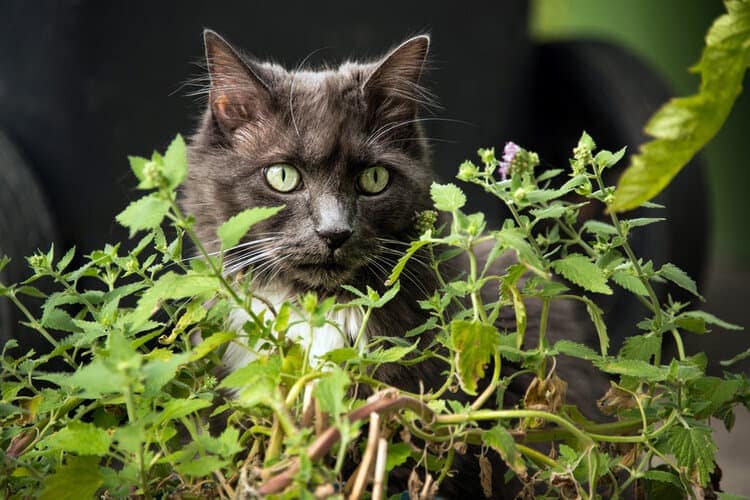
The marijuana plant contains THC in both its leaves and flowers, so if you’re growing one, your kitty can be exposed to its toxic effects by eating or chewing on the plants.
Cats can also be exposed to passive smoke inhalation if they’re in the same room as you while you’re smoking.
Is Marijuana Toxic for Cats?
Yes, cannabis is toxic for cats, but the exact toxic dose is unknown. As with humans, age, health status, and body size can affect how your kitty reacts to cannabis. Thankfully, while THC can be toxic for cats, it is rarely lethal. Most of the time, cats can recover from cannabis exposure without any long-term issues, but will often require supportive care and medication to manage the side effects.

How Does Marijuana Affect Cats?
All mammals, birds, reptiles, and fish have two cannabinoid receptors: CB1 and CB2. Cannabis acts on a person or animal’s cannabinoid receptors, mainly CB1, to alter brain chemistry, resulting in the laid-back or happy feeling that marijuana is usually known for. Unfortunately, this isn’t such a chill experience for animals, as it can be terrifying and full of paranoia or fear.
Once the drug enters your pet’s body, it alters the brain’s chemical messengers, dopamine and serotonin. Everything that goes into the body must exit eventually, and THC is no exception to this rule. THC can be stored in the liver’s fatty tissues, brain, and kidneys before it is eliminated. It gets metabolized in the liver, and most of it comes out through the feces, with a small percentage eliminated through the kidneys. Cannabis needs to be metabolized and excreted by the body for its effects to dissipate.
What Do I Do If I Think My Cat Has Gotten Into My Marijuana?

First, you’ll need to know what form of marijuana your pet was exposed to for a vet to treat it successfully. For example, eating a weed brownie will require an entirely different protocol, as a vet will need to treat both the cannabis exposure and chocolate toxicity, but inducing vomiting may reduce the effects. Inhalation, on the other hand, may require treatment for respiratory issues.
You’ll need to watch for signs of marijuana toxicity. These can include:
If your pet is exhibiting any of the above signs or you believe they may have been exposed to marijuana products, contact a vet immediately.
If your cat has ingested marijuana recently, the vet may be able to induce vomiting to reduce the absorption of the drug, so if you have seen your cat ingest marijuana, or suspect that your cat has ingested marijuana, contact a vet. No cure or antidote exists for marijuana toxicity, so the vet will focus primarily on supportive care until its effects wear off. Your kitty may need fluids intravenously to stay hydrated or medication to stave off nausea.
If cannabis is ingested at the same time as another problematic substance (e.g., chocolate), additional treatments may be necessary to treat any conditions associated with those substances.
Most cats will recover from exposure without any long-lasting effects. However, fatalities have occurred after ingestion of foods containing highly concentrated, medical-grade cannabis.
Are Catnip and Marijuana the Same?
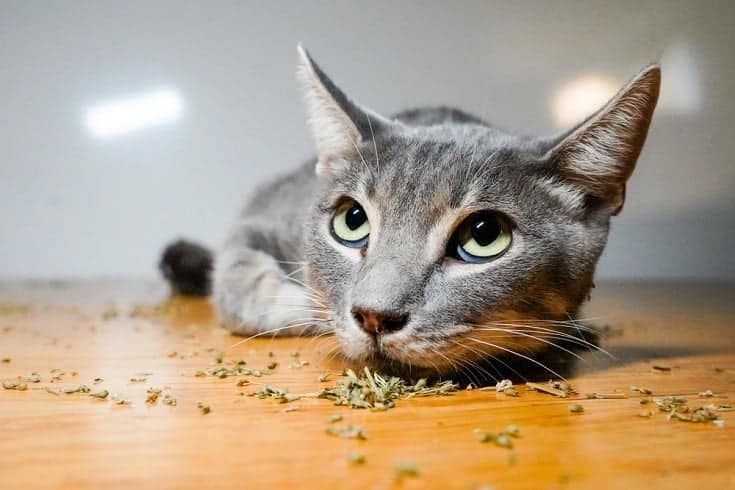
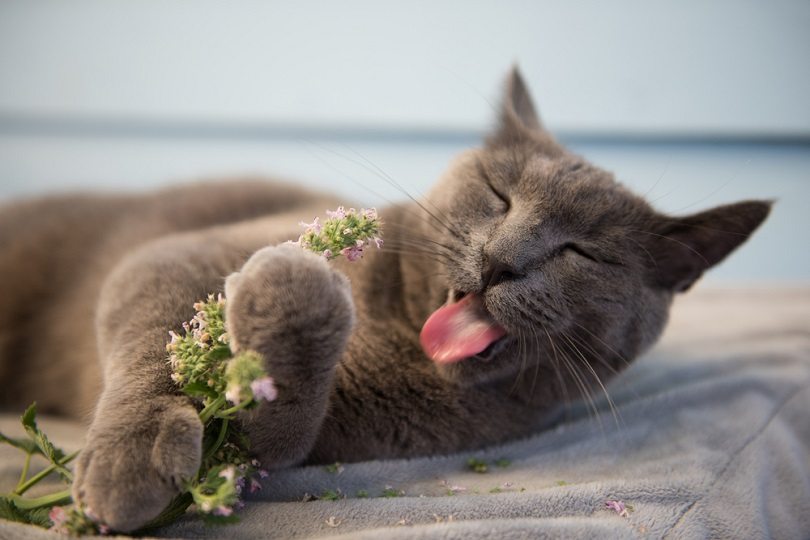
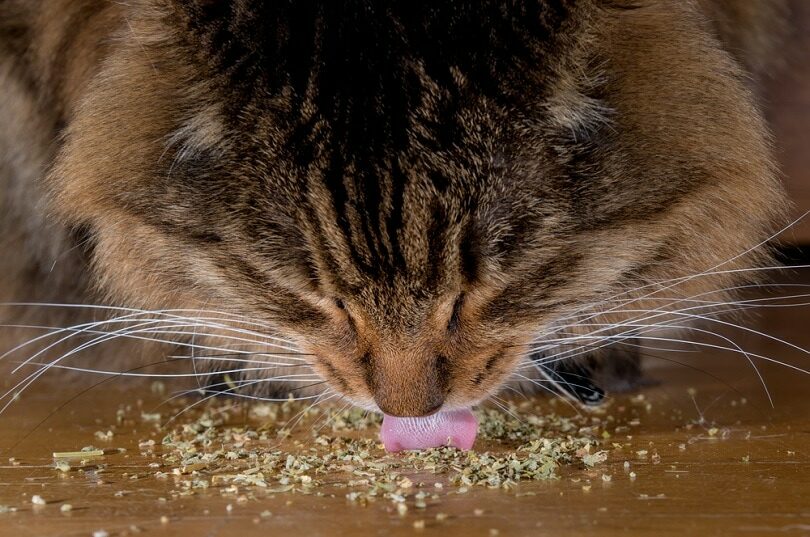
While catnip might appear to have the same effect on cats as marijuana does on humans, the two substances are not the same and do not work similarly in the cat’s body or brain. Catnip doesn’t affect the brain or make your kitty unaware of they're surroundings when they’re “under the influence.” Catnip mimics feline sex hormones, so cats often display behaviors similar to female cats when they’re in heat (e.g., rolling around, seeking physical contact). Additionally, catnip cannot cause an overdose like marijuana.

What About CBD Oil?
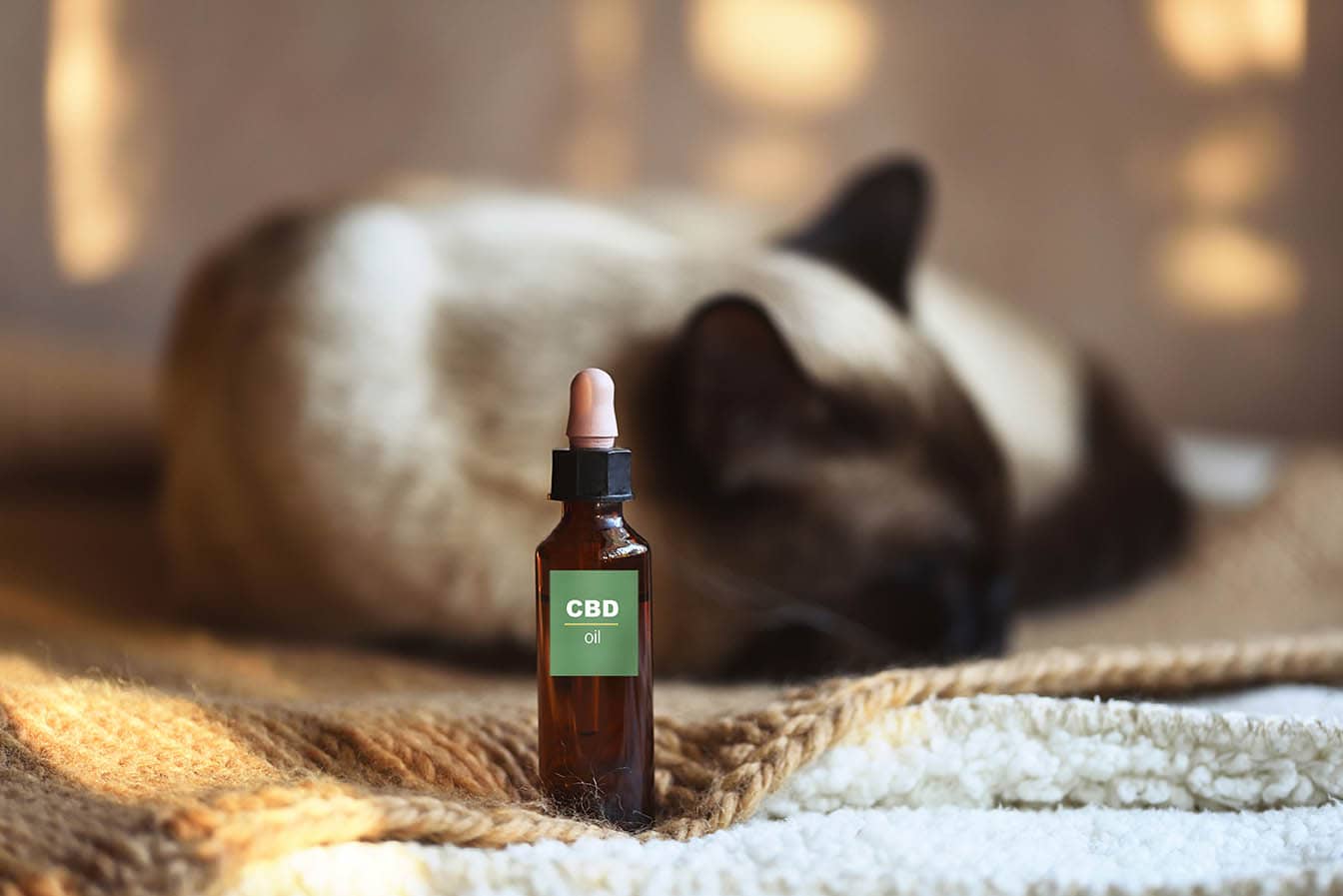
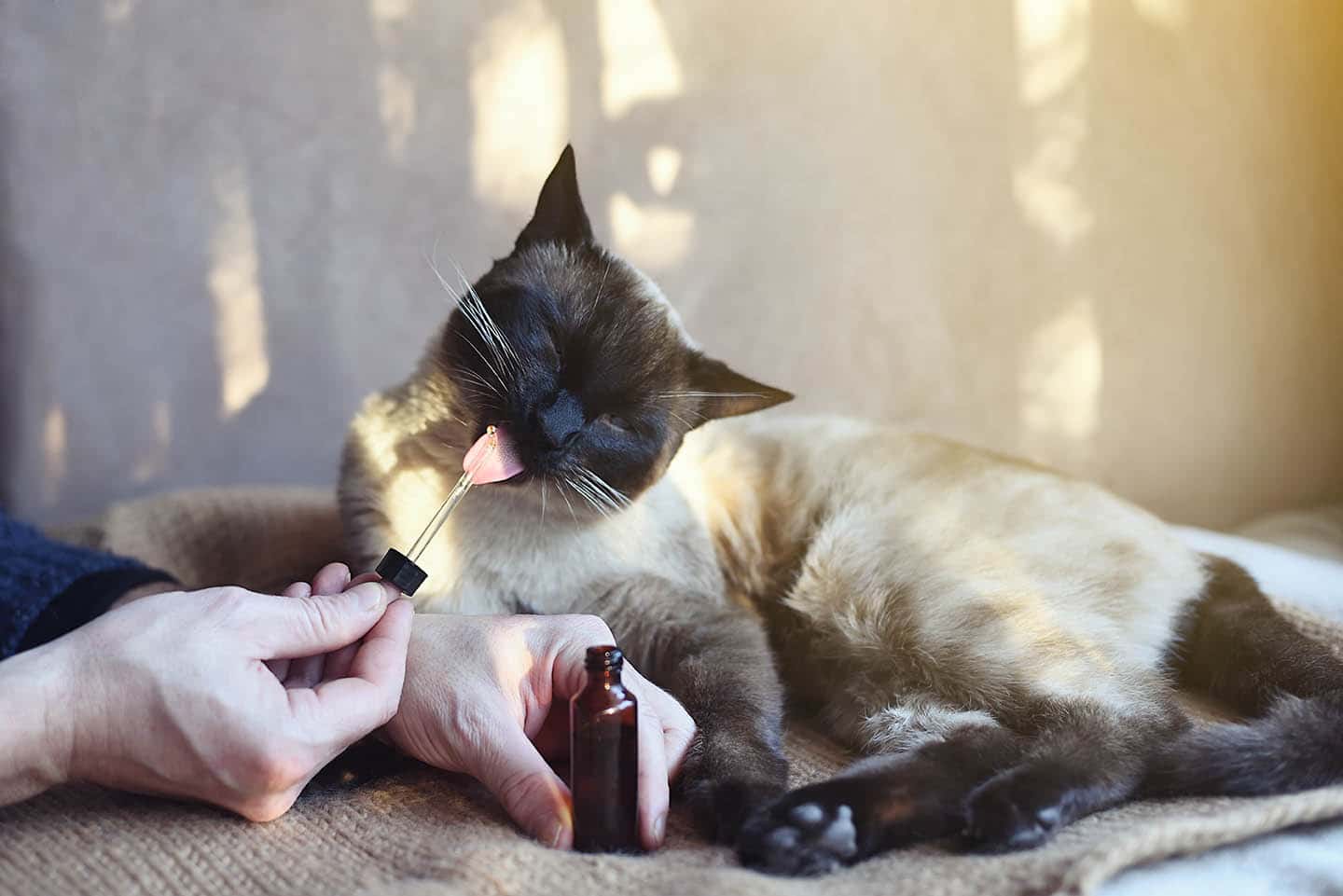
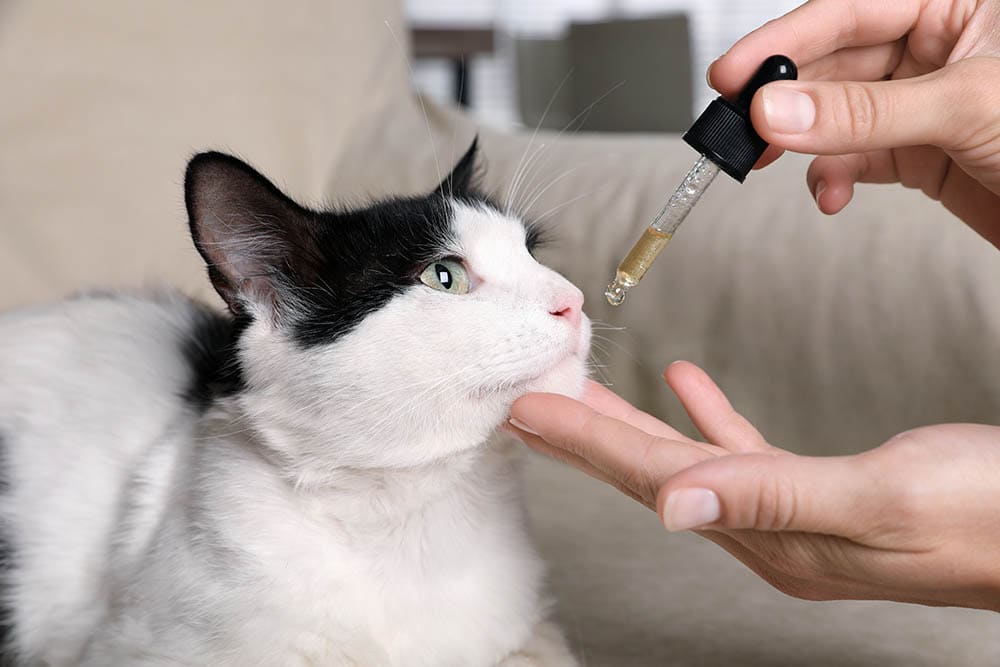
The use of CBD oil, which usually does not contain THC, is a substance commonly used by people to manage pain and anxiety. Its use in cats and dogs has been explored, but the clinical benefit is unconfirmed. The doses for humans will differ to those recommended for cats and dogs, so although there are safe CBD doses and products on the market for pets, do not allow your cat to have access to your CBD oil, and treat any accidental ingestion as you would treat marijuana ingestion.
Final Thoughts
Prevention is the only sure-fire way to keep your kitty safe from the effects of marijuana toxicity. Store your cannabis products somewhere your pet cannot access, and never smoke in the same room as your cat, to reduce the risk of second-hand smoke. Remember that what might feel relaxing and pleasant to many humans can feel terrifying to our pets, and they require a much smaller dose to feel those effects.
Sources
Featured Image Credit: 7raysmarketing, Pixabay

Expert cat care, straight to your inbox
Vet-reviewed advice, behavior tips, and the best of Catster. Free, and you can unsubscribe anytime.
By signing up, you agree to our Terms & Conditions and Privacy & Cookies Policy.
For Chantelle, writing and animals are the two driving forces in her life. Growing up on the Canadian prairies surrounded by pets, she now shares her home with five cats, two guinea pigs, and a bearded dragon. Chantelle, her husband, and their child pride themselves on being dedicated pet parent, even spending a fortune on wall-mounted cat shelves to provide their cats with an indoor jungle gym. When she's not snuggling with her cats or photographing their humorous moments, Chantelle is exploring the Rocky Mountains, rewatching her favorite Netflix series, and reading up on various random subjects.
Join the conversation
Ask a question, share your story, or send private feedback.