Can CBD Help a Cat With Anxiety? Exploring Alternatives (Vet-Reviewed)


In this article
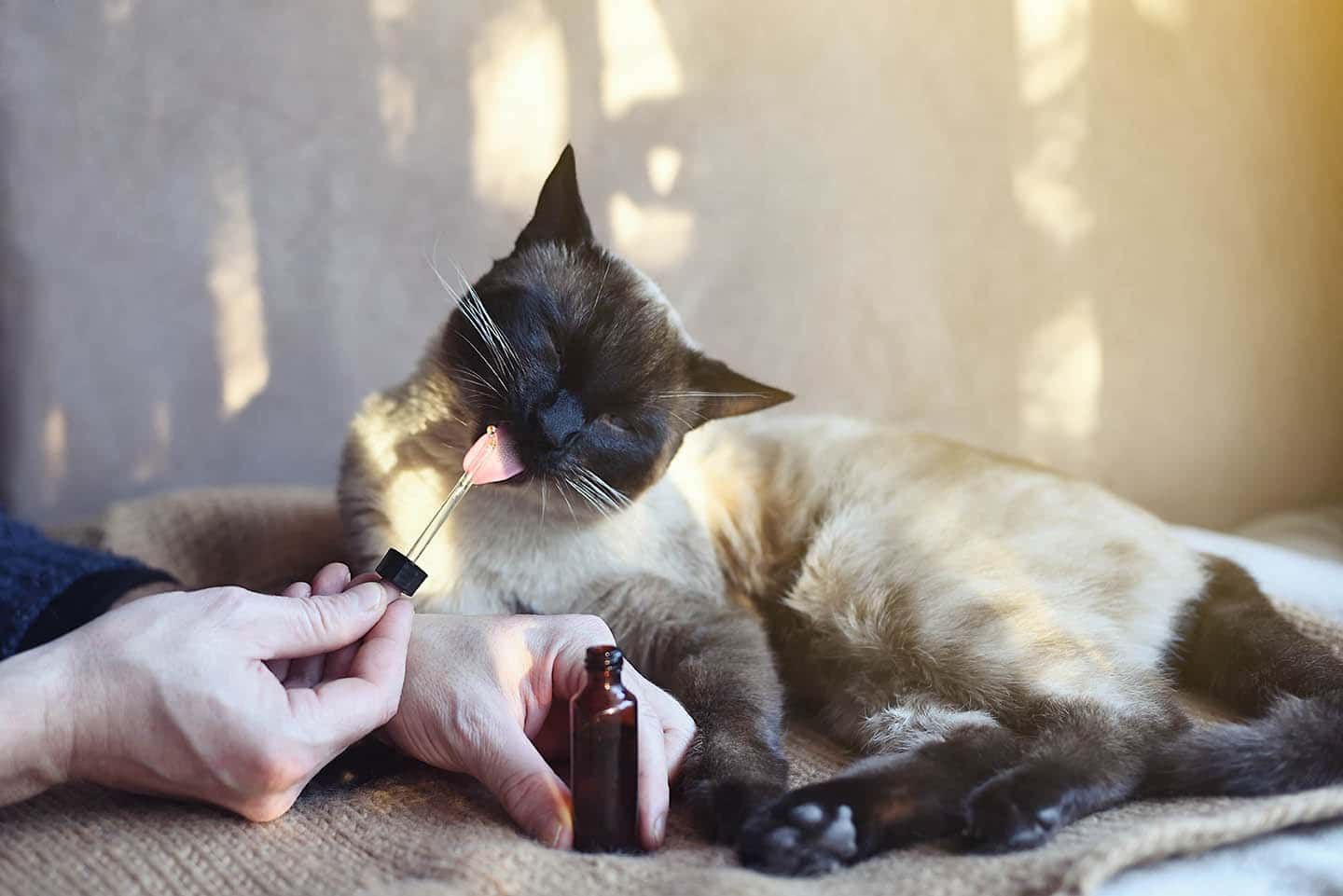
There have been limited scientific studies investigating the impact of cannabis-derived compounds in pets, but many pet parents are turning to it for help with their cat’s anxiety. Some pet parents report that CBD has helped their cat with anxiety as they see improvements in their pet’s anxiety signs, but scientific evidence in cats is still limited and not conclusive.1
When considering CBD for your pet, the most important thing is to consult with your vet and to factor into your decision of whether it is right for your pet, considering the potential benefits and risks. We delve into this here, so keep reading if you’d like to know exactly how CBD treatment can help your cat with anxiety.

What Is CBD?
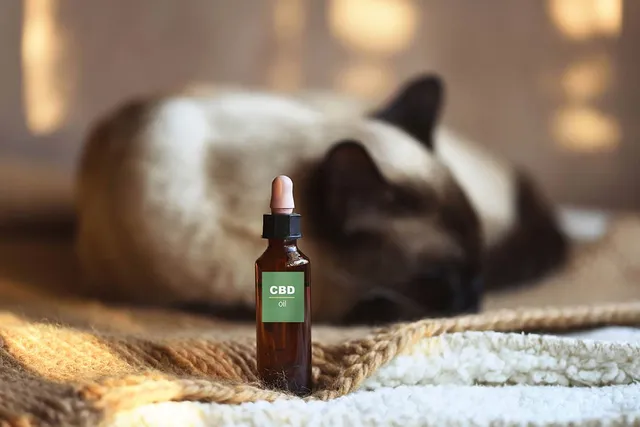
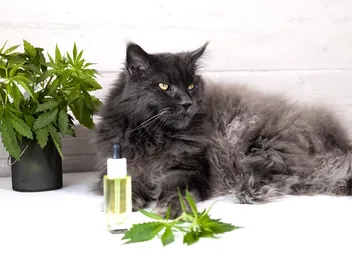
Cannabidiol (CBD) is a compound found in cannabis and hemp. When choosing a CBD treatment for your pet, it’s important to ensure THC levels are immeasurably low or absent, as tetrahydrocannabinol (THC) is the psychoactive compound in marijuana that produces intoxicating effects. Most CBD products are derived from hemp and not marijuana.
Many veterinarians are cautious about recommending CBD oil due to ongoing research and regulatory limitations, while some holistic veterinarians may consider its use as part of supportive care for issues such as pain, seizures, inflammation, managing stress, and anxiety.2 CBD treatment comes in oils, tinctures, and treats. We prefer oils or tinctures because they allow for more flexible and adjustable dosing.

What Is Cat Anxiety?
Anxiety is a physiological and emotional response to stressors. When we think about anxiety, it isn't a single disorder. Instead, it includes a range of related behavioral conditions and stress responses. Cats experience anxiety differently from humans, which means their signs may also differ.
Diagnosing anxiety in a cat can be tricky because they do not speak, and the visible signs are similar to those of other conditions. If you suspect your cat may suffer from anxiety, contact your vet to discuss the available treatment options.
The 3 Most Common Causes of Anxiety in Cats
1. Environmental Stress
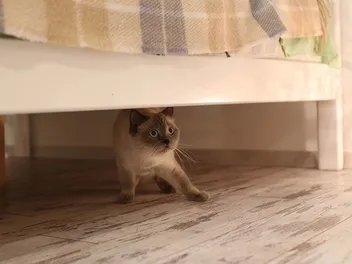
Your cat may experience environmental anxiety when their environment doesn’t provide enough stimulation or has stress triggers like loud construction noises, machines, etc. Signs to look out for are constant meowing, frequent hiding, scratching carpets or furniture, over-grooming, house soiling, and loss of appetite.
Those caring for anxious cats understand the struggles and discomfort that their companions feel on a daily basis. The innovative bowl shape of the Hepper Nest Bed provides nervous pets with support and its high sides offer a sense of security, diminishing stress and worry. To learn about how to the Hepper Nest can provide solace to your cat, click here.

- COMFY KITTY - Your cat or kitten will have an amazingly deep sleep in this self warming, nesting cat bed. The warm, fluffy cat bed lining provides calming stress relief for cats of all ages.
- PRETTY HOME - This round cat bed has a modern and unique design that’s perfect for a sleek indoor look. We don’t think of it as cat furniture but think of the Cat Nest as a “cat home”.
- SPACE SAVER - Reclaim your desk, window sill, or couch from kitten encroachment. This calming nest cat bed has an elevated, space-saving hideout so comfortable your kitty can't resist!
At Catster, we’ve admired Hepper for many years and decided to take a controlling ownership interest so that we could benefit from the outstanding designs of this cool cat company!
2. Separation Anxiety
Cats that are anxious when they are alone may suffer from separation anxiety. Signs you may notice include excessive meowing, destroying things in the home by excessive scratching, defecating outside the litter box, excessive grooming, etc.
3. Social Anxiety
This can be a cause of anxiety-related behavior in some cats, and it refers to cats that suffer from anxiety due to the presence of other animals or the unsolicited interactions of their owners. They may be aggressive and refuse to come out of a hiding spot.


Treatment Options for Cat Anxiety
There are a variety of options open to you, all of which you can discuss with your vet. To tackle the problems your cat is facing, you could investigate some of these options:
- Environmental change
- Mental stimulation
- Behavioral modification
- Medication
- Change of diet
Another option some pet owners consider is CBD. Many CBD products are derived from hemp and may contain cannabinoids, terpenes, and other naturally occurring compounds. While cats have an endocannabinoid system (ECS), researchers are still studying how CBD interacts with this system and what effects it may have on feline anxiety.
Like humans, dogs, and other mammals, cats have an endocannabinoid system (ECS), which is involved in regulating processes such as mood, sleep, appetite, memory, and other bodily functions.
What to Look For In a CBD Treatment
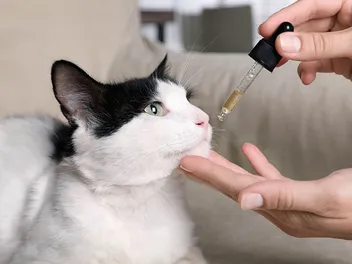
As long as you follow your veterinarian’s recommended dosage, which may be based on your cat’s weight and individual needs, CBD is generally well tolerated by many cats, although side effects and adverse reactions can still occur. If your vet gave you a range of dosages, such as one to two drops every 12 hours, we recommend starting small (as you should whenever introducing something to your cat’s diet). Always select the smallest dosage because it’s easy to increase a dose, whereas once your cat has ingested the CBD oil, you can’t go back.
Ask your vet about a specific product recommendation or concentration. A reliable product should have a Certificate of Analysis (COA) from an independent laboratory, which can help verify the product’s cannabinoid content and screen for contaminants. You also want a product that has very little to no traces of THC.

Side Effects of CBD Treatment
If your cat shows side effects from their CBD treatment, they may be related to the CBD itself, the dosage, THC content, product quality, or other ingredients in the formulation. Additionally, it could be another ingredient in your particular product. Following your veterinarian’s recommendations and the product’s instructions can help reduce the risk of side effects, but adverse reactions can still occur in some cats.
Signs to be on the lookout for:
If you notice any of these signs, cease using the product immediately and contact your vet for advice.
Final Thoughts
CBD may help some cats with anxiety or pain, but research on its effectiveness remains limited and ongoing. Contact your vet for advice on how your cat could benefit from CBD. It might be tempting to give CBD for humans to your pet, but we don’t recommend it. Getting the dose right is so important, and introducing something new to your pet should always be done with your vet’s approval.
Sources
Featured Image Credit: Lightcube, Shutterstock
Expert cat care, straight to your inbox
News, insights, and useful advice, delivered to you.

No spam — unsubscribe anytime.
By signing up, you agree to our Terms & Conditions and Privacy & Cookies Policy.
How useful was this post?
Click a star to rate. You can leave written feedback afterwards. (We read all feedback.)
Kerry-Ann lives in Scotland and would love to have a bigger garden so she could have her very own Highland cow. But her dogs probably wouldn’t like that idea very much. She has a La Chon called Harry who was sick with a liver shunt when he was a puppy. It wasn't likely he would make it into adulthood, which was difficult to comprehend, but he beat the odds and is a healthy old man now. She also has a Pug called Maddie who is a big foodie. She’s small, sassy, and every day she finds a new way to wind her brother up.
When she isn’t writing you can find Kerry-Ann going for long walks when it isn't raining, reading, or watching cartoons. She would one day like to be a tourist in her own country and travel through the Highlands with her family.