Orange Maine Coon Cat Breed: Info, Pictures, Traits & More
In this article
The Maine Coon is famous for being one of the largest domestic cat breeds. These stunning cats combine incredibly good looks with a friendly and outgoing nature. If you’ve been looking for the perfect cat, the Maine Coon could be it!
Breed Overview
Height:
Weight:
Lifespan:
Colors:
Suitable for:
Temperament:
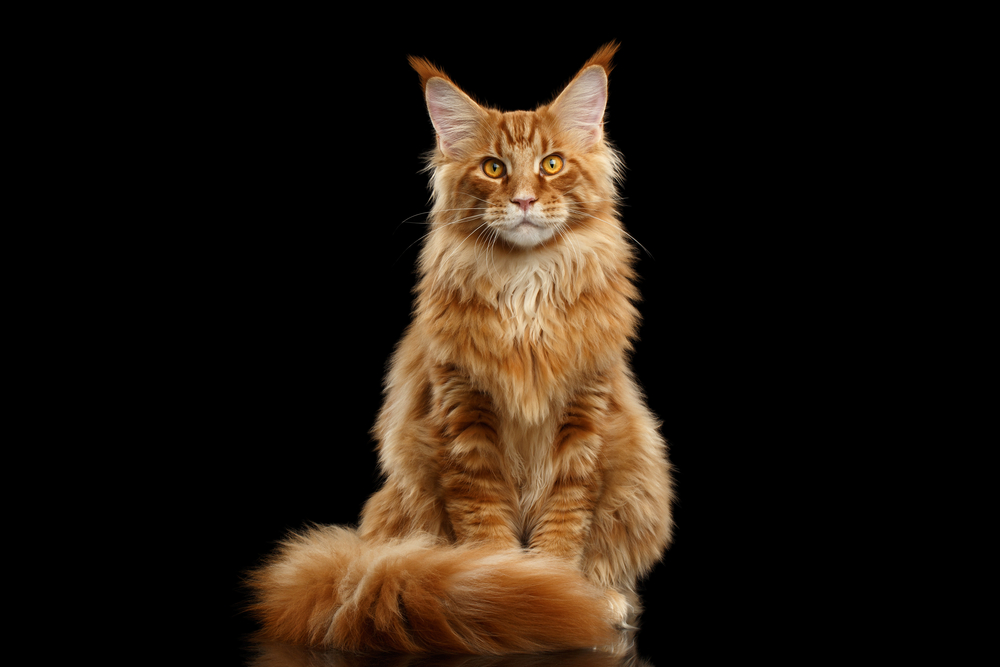
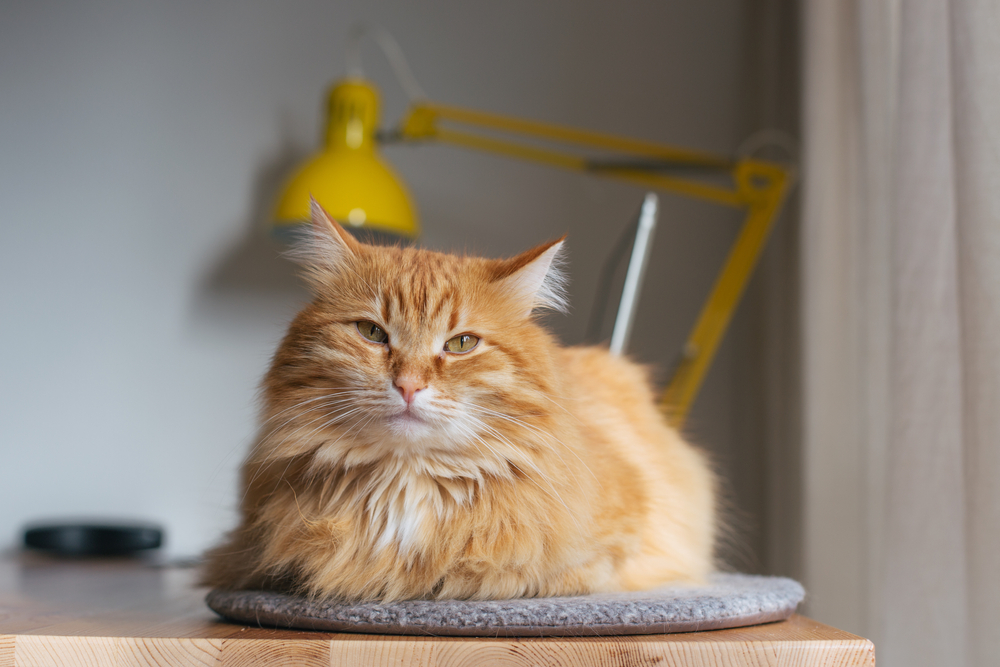
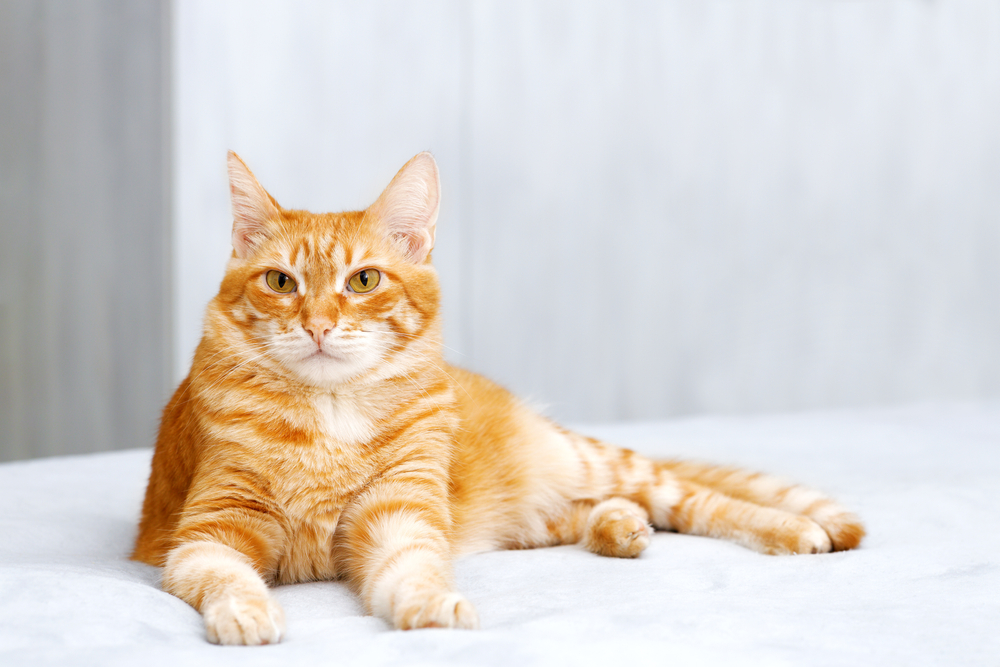
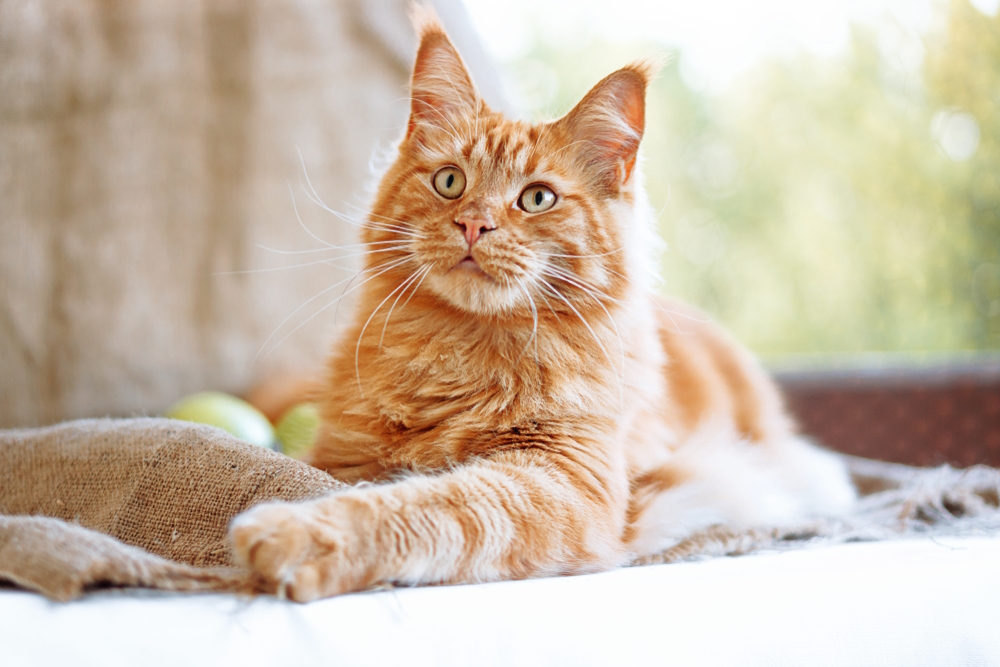
Maine Coon cats come in a wide range of coat colors, and orange is one of the most stunning. Although you may be tempted to call them ginger cats, their coat color is technically described as red. If you're looking to explore the various traits of Orange Maine Coons and learn what makes these cats so unique, you've come to the right place!
We’ll tell you everything you need to know about the charismatic and unmistakable Maine Coon, so you can decide if one of these giant kitties might be the perfect new addition to your family.
Orange Maine Coon Characteristics

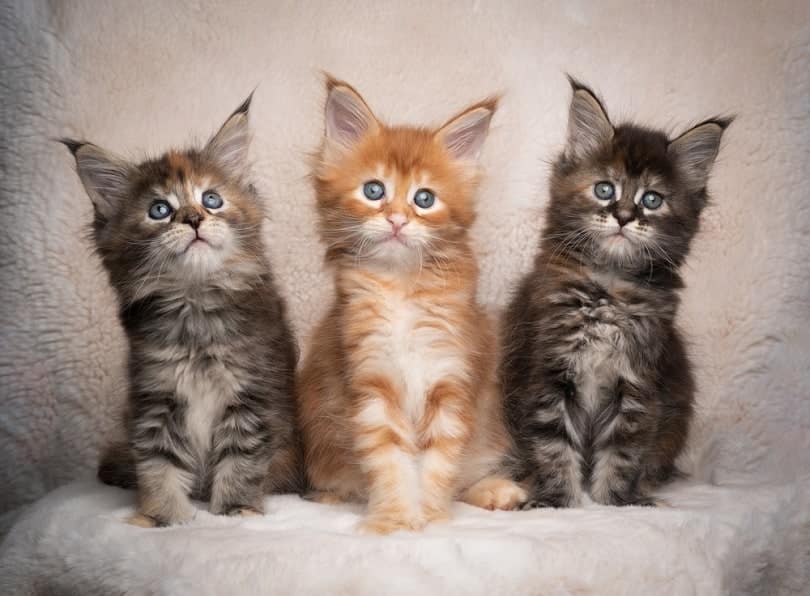
Orange Maine Coon Kitten

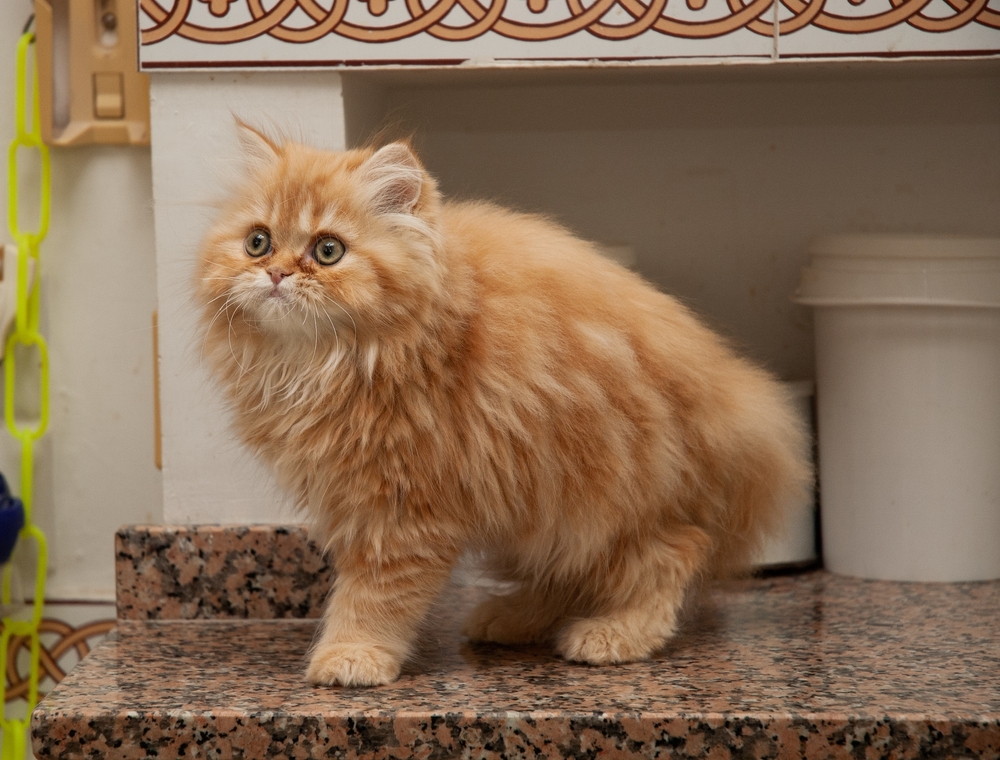
Fluffy Orange Maine Coon kittens are incredibly adorable, so be warned that if you visit a litter without being 100% sure you’re ready to own one of the huge cats. You might find yourself inadvertently agreeing to reserve a kitten, especially if you have your kids with you!
Maine Coon cats are affectionate, but they’re also independent, meaning they’re a good choice if you need to leave your house empty during the day while everyone is at work or school. While these cats adore attention, they won’t mind being left to their own devices during the day.
Orange Maine Coons are patient and good-natured, and they can make great companions for kids who know how to interact with cats safely and respectfully. Their longhaired coats need more grooming than other breeds, so you’ll need to set aside time for at least two weekly grooming sessions.
Maine Coons are often likened to dogs, personality-wise. They love human interaction and enjoy learning tricks, playing plenty of games, and even dabbling their paws in water.
We recommend asking for the following:
Reputable breeders will be more than happy to answer any of your questions. Maine Coon cats can suffer from a few genetic health conditions, so it’s vital to take the time to find a breeder who understands how to minimize the risks of these being passed onto the kittens they’re breeding.
Temperament & Intelligence of Orange Maine Coons
Orange Maine Coon cats have a personality that’s as big as their bodies! They love attention, but they’re not overbearing. Maine Coons can be vocal, but only when they want something.
Maine Coon cats love human company, but they’re independent enough to enjoy time alone too. So, if you need to head to work, your Orange Maine Coon cat will be more than happy to entertain themselves while you’re gone.
These cats might love their owners, but they can be standoffish with strangers until they get to know them better. Maine Coons retain the hunting abilities that made them famous as ship’s cats back in the day, so if your Orange Maine Coon is allowed outside, don’t be surprised if they proudly bring back the results of their hunting expeditions.
Are Maine Coons Good for Families? 👪
Orange Maine Coon cats make excellent family cats. They get along great with kids as long as the children know how to play with a cat. They have enough energy to enjoy plenty of games but are relaxed enough to nap on the couch in between.
Do Maine Coons Get Along With Other Pets?
Orange Maine Coons are usually happy to live in multi-pet households, either with other cats or dogs. As long as new cats are introduced carefully, most Maine Coons are happy to live alongside them.
Orange Maine Coons are also fine living with a dog in the household. Their playful natures and inquisitive personalities mean they can often enjoy playing with dogs.
Things to Know When Owning an Orange Maine Coon
Choosing to add an Orange Maine Coon to your family shouldn’t be a decision that you rush into. You’ll need to take the time to find a reputable breeder who carries out health checks, but you should also be prepared to invest time and money into keeping your Orange Maine Coon healthy and happy. Before you take the plunge, here’s more information to help you decide.
Food & Diet Requirements 🐡
Orange Maine Coon cats are usually active, so selecting a high-quality food with a high percentage of protein is important. Look for real meat as the first ingredient and no fillers, preservatives, or artificial flavorings. Whether you choose to feed kibble, wet food, or raw food will be down to your preferences and budget and what your cat likes!
Maine Coons can be prone to obesity, so you’ll need to keep a close eye on their weight. Your vet can show you how to assess your cat’s body condition, and you can adjust their rations if necessary. Maine Coons can suffer from hairballs due to their long coat, and special diets are available that contain higher levels of fiber to help decrease the chance of them getting hairballs.
Exercise 🐈
Orange Maine Coons enjoy plenty of exercise and the opportunity to explore their surroundings. If your cat goes outdoors, they will probably get enough exercise themselves, but if they’re an indoor cat, you might need to encourage them to play so they don’t gain too much weight.
Maine Coons love games, so having a good selection of toys can help keep your cat happy by indulging their instinct to chase and hunt. You can create food hide-and-seek games around the house, sprinkle catnip for your Orange Maine Coon to enjoy, and more!
Ensuring your cat has plenty of enrichment around the house is important, even more so if your cat lives indoors. Adding vertical components, like cat hammocks, scratching posts, shelves, and cat condos, will provide interest and entertainment.
Training 🧶

Orange Maine Coons are intelligent and can quickly be trained to learn commands. From teaching your cat to walk on a harness and leash to training them to sit, stay, and even high-five, the only limit is your imagination!
Orange Maine Coon cats will respond well to positive reinforcement techniques, such as using a clicker to mark the behavior that you want them to repeat and a food reward to let them know that they’ve done the right thing!
Grooming ✂️
Besides their stunning orange-red coats, Orange Maine Coons have a dense long coat. They need grooming at least twice a week to ensure it doesn’t become matted and tangled. If your Maine Coon goes outside, they may need more grooming.
Most Orange Maine Coon cats love being groomed, but it’s a good idea to get your kitten accustomed to it while they’re still young. Maine Coon coats shed more than most cats, so besides regular brushing sessions to remove loose hairs, you may need to vacuum your house more frequently as well.
Health and Conditions 🏥

Maine Coon cats fell out of favor in the 1900s, and as a result, the number of breeding cats declined to a low number. While they’re now a popular breed again, all Maine Coon cats are descended from a small gene pool. This means they can suffer from a higher-than-average number of health conditions.
The color of your Maine Coon cat won’t affect which conditions they may inherit, so Orange Maine Coons will have the same chance of suffering from a particular health condition as any other coat color.
We’ve outlined the main health conditions below, but any reputable breeder will be happy to talk to you about the health tests that they carry out on parent cats and their kittens.
Male vs Female
Perhaps you’ve decided that an Orange Maine Coon will be the perfect addition to your family, and we don’t blame you! These adorable cats have amazing personalities. Now, all that’s left to decide is if you want a male or female kitten!
We advise that you wait until you meet the sweet litter of kittens before you make up your mind. Maine Coons are a popular breed, so if you want an Orange Maine Coon, you may not get a choice of whether they’re male or female. It will all depend on the parent cat’s color and genetics, how many kittens there are, and which color and sex each kitten is!
Red or Orange Maine Coons are often male, so if you’re sure that you want a female Orange Maine Coon, you may need to wait a little longer or track down multiple breeders.
3 Little-Known Facts About The Orange Maine Coon
1. They Are Technically Red
While some Orange Maine Coon cats look like an orange or ginger tabby, their breed standard lists them as red. The Cat Fanciers Association’s (CFA) breed standard says the solid red color should be: “deep, rich, clear, brilliant red, without shading, markings, or ticking. The lips and chin should be the same color as the coat, and the nose leather and paw pads should be brick red.”
This base red coat can also end up as a red classic tabby, red mackerel tabby, and red ticked tabby. Red tabby Maine Coons can also have white markings. The CFA also lists red smoke or red cameo smoke. These stunning Maine Coon cats have a white undercoat, which can’t be easily seen while the cat is sitting still, as their topcoat is still a red color. As they move, their paler undercoat is apparent.
2. Orange Maine Coons Are the Dogs of the Cat World
Maine Coons are well known for their outgoing and playful personalities. Some people liken their characters more to dogs than cats. They love human attention, will happily learn tricks, and even enjoy going on walks with a leash!
3. Maine Coon Cats Can Be Traced Back to 1861
The first written reference to Maine Coon cats was back in 1861, and the cat was black and white. It’s unknown exactly where the breed originates, but they were used as ship cats due to their hunting prowess.
Their name derives from the state that they were found, Maine, and the fact that the original Maine Coon cats had ringed tails, resembling a raccoon.
Final Thoughts
The large size of a full-grown Orange Maine Coon, combined with their unique face and tufted ears, makes them instantly recognizable. These cats make lovely family pets, thanks to their playful and affectionate personalities and laid-back natures. While they love to play (including in water!), they’re just as happy to relax while you’re away from home.
This breed can suffer from more health problems than other breeds, so it’s vitally important to take the time to find a reputable breeder with the experience of producing healthy kittens. Orange Maine Coon cats from healthy bloodlines can live up to 20 years. Finding a specialist breeder will give you the best chance of finding a kitten that will have a long and healthy life. If you adopt an Orange Maine Coon, we’d love to hear more about them!
See Also:
Blue Maine Coon Cat: Facts, Origin & History (with Pictures)
Tortie Maine Coon Cat: Facts, Origin & History (With Pictures)
Featured Image Credit: Mariamichelle, Pixabay

Expert cat care, straight to your inbox
Vet-reviewed advice, behavior tips, and the best of Catster. Free, and you can unsubscribe anytime.
By signing up, you agree to our Terms & Conditions and Privacy & Cookies Policy.

Christian started writing for a local newspaper as a teenager, and he's been involved in the publishing industry for most of his adult life. Combining his love of writing with a passion for animals, he is currently the Director of Editorial at Pangolia and the Editor-in-Chief at Catster.
Christian lives in the Philippines with his wife, son, and four rescue cats: Trixie, Chloe, Sparky, and Chopper.
Join the conversation
Ask a question, share your story, or send private feedback.