What Can Cats Eat Besides Cat Food? Vet-Verified Nutrition Guide


In this article
When it comes to being a responsible cat parent, there is no worse feeling than getting home from the grocery store and unpacking everything, only to find you forgot the cat food! And that’s before your cat starts giving you the “I want food now” stare.
We sincerely hope this is never the case, as we can’t stress enough how important it is to provide your kitty with a balanced and complete feline-specific diet every day, despite every other circumstance. However, if such an unforeseen occasion is to somehow occur, we will provide you with a few safe options for your cat, as it’s most important not to offer them any food they should not eat or that may cause them harm.
Besides the food options that are safe and appropriate for your cat, we will briefly go through the non-safe and inappropriate options that you need to stay away from. As a responsible cat parent, we know you will likely already feel bad about this situation, but be sure to stock up on your cat’s regular food as soon as possible, trying not to let this happen again.

What Can Cats Eat Besides Cat Food: Safe Options
So what can cats eat besides cat food? There are many food ingredients that you might think are appropriate for your cat to eat. However, this is often not true.
To make things easy, we’ve broken down our list into five sections:
- Meat and fish
- Vegetables
- Fruits
- Grains
- Dairy and other
Remember that as an obligate carnivore, your cat should be eating a diet primarily based on an animal protein source. While you might think it’s appropriate to add a small number of fruits or vegetables to bulk out your cat’s emergency dinner, it’s best to use only the meat, and we will explain why for each food category.
As this is an important topic that cannot be taken lightly and needs to be well thought through and discussed with a veterinary professional, we recommend cooking all the meats listed below if you’re using them as a temporary substitute for your cat’s regular diet. The same applies if you’re thinking about creating a homemade diet for your kitty. This requires even more thought, research, and preparation, as a cat's nutritional needs are very particular and exact, and it’s easy to miss on the nutrients they desperately need to be healthy and to thrive.
Before considering this as an option going forward, it’s crucial to consult a veterinarian and a veterinary nutritionist to discuss the pros and cons and to provide you with the recipes, as this is a very time-consuming process and the risk of creating an imbalanced diet lacking essential nutrients is very high. This can leave long-term and lasting detrimental effects on your kitty’s health.

Meat and Fish
Some cat owners choose to feed their cats a raw meat diet. This is something that needs to be first discussed with a veterinarian, as feeding raw food carries certain health precautions and recognized risks, alongside the potential benefits.
Raw diets, if prepared adequately, can provide a nutritious meal for your cat and help with their digestive health, although the remainder of the claimed benefits have not yet been proven by research. Raw meat is not thermally processed, hence posing a higher risk of bacterial contamination, with bacteria such as Salmonella and Listeria, that may hurt not only your cat’s health but yours as well, being the one who handles their food.
On the other hand, cats should never have raw fish, as they may contain thiaminase, an enzyme that breaks down thiamine or essential vitamin B1. This may lead to thiamine deficiency, which exhibits neurological signs and poor vision. Raw fish can also contain various pathogens, such as bacteria and parasites, that may lead to digestive upset, referred to as food poisoning in people. The high fatty acid content from raw fish meat, particularly fish oils, may have a detrimental impact long-term.
1. Chicken
Pros
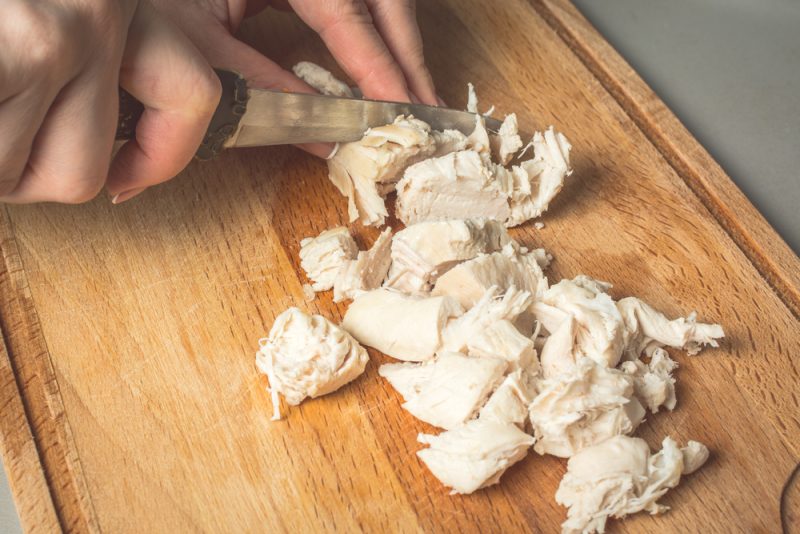
- Chicken is used in many commercial cat foods as an easily digestible protein source.
Cons
- Chicken skin has a high fat content, so remove it before feeding it to your cat, or offer it only in moderation.
- Never offer your cat any chicken bones.
- Make sure to cook the chicken meat properly, as even raw chicken intended for human consumption can often be contaminated with Salmonella and other bacteria.1
- Serve the meat cut up in small, bite-sized pieces, not in large chunks.
- Do not offer to cats that have a chicken food allergy.
2. Turkey

Pros
- Turkey is one of the commonly used meats in many cat foods, so it’s a good choice as a substitute dinner.
Cons
- Turkey skin is higher in fat than lean white meat, so only offer it in moderation or avoid it altogether.
- Make sure to remove all traces of bone.
- Thoroughly cook the meat before offering it to your cat due to potential for bacterial contamination of raw meat.
- Serve the meat cut up in small, bite-sized pieces, not in large chunks.
- Do not offer any to cats that have a turkey food allergy.
3. Salmon

Pros
- Salmon is an excellent source of healthy omega-3 fatty acids, as well as being high in protein.
Cons
- Be sure to cook the salmon first, and never offer raw fish to cats.
- Remove the skin, head and all the bones.
- Serve the meat cut up in small, bite-sized pieces, not in large chunks.
- Do not offer any to cats that have a salmon food allergy.
4. Canned Tuna in Water

Pros
- Tuna is a tasty option that plenty of cats love. It contains a good balance of vitamins, protein, minerals, and antioxidants.
- Only offer canned tuna in water, and only do so in moderation and occasionally.
Cons
- Feeding your cat tuna too often can increase the risk of mercury poisoning, and you should particularly avoid blue-fin tuna.
- Never offer your cat tuna in brine due to its high sodium content.
- Do not offer any to cats that have a tuna food allergy.
5. Lamb

Pros
- Lamb is a good source of iron, vitamin B12, and zinc.
Cons
- Cook the meat thoroughly and cut it up into small, bite-sized pieces.
- Remove all the bones.
- Do not offer any to cats that have a lamb food allergy.
6. Lean Ground Beef

Pros
- Beef contains plenty of protein and essential amino acids. It’s also high in a range of beneficial vitamins and minerals.
Cons
- Cook the meat thoroughly because of the risk of bacterial contamination.
- Serve the meat cut up into small, bite-sized pieces, not in large chunks.
- Remove all the bones.
- Do not offer any to cats that have a beef food allergy.

Vegetables

Now, you may want to add some veggies to your cat’s boiled meat or fish. However, this is not really required, and may have the opposite effect from what you're hoping for if offered in excess. Cats are obligate carnivores and they rely solely on animal protein to thrive. Vegetables and plants, in general, are not something they can easily digest and benefit from. There are certainly types of vegetables that are considered safe or non-toxic for cats, such as carrots, peas, green beans, broccoli, and pumpkin, meaning they can have them very occasionally as a rare treat, but there is no need to add them to your cat’s dinner. Excess of veggies can lead to a digestive upset with vomiting, diarrhea, and excessive gas, alongside pain and discomfort for your kitty.
Vegetables do not contain all the nutrients that cats need, such as essential amino acids, which they can only receive from animal protein. So, they cannot rely on this food category to provide them with any significant benefits. Vegetables are a good source of micronutrients and fiber, particularly for people. However, cats’ requirements for fiber are very different from ours, and this is usually where cat grass comes into the picture. So, occasional and species-safe veggie treats in moderation are fine for most cats, but it should not be a regular part of their diet.
Safe Vegetables For Cats:
- Carrots
- Peas
- Green Beans
- Broccoli
- Pumpkin
- Zucchini
- Spinach


Fruits
Similarly to vegetables, fruits are not something that cats should be having, and certainly not regularly. There are plenty of fruits that are considered non-toxic to cats, such as apples, strawberries, and blueberries, but they will not reap any or very little benefit from it. Other fruits, such as grapes, oranges, and other citrus fruits, are toxic or harmful for cats and should never be offered. Fruits are usually high in carbs, and this is not something cats require in their diet. Cats need a high-protein and moderate-fat diet and generally have no requirements for carbs, depending on their life stage and circumstances.
Of course, carbs are a good source of energy, but any excess calories may lead to weight gain over time. Fruit may cause a digestive upset in some cats, particularly if offered in excess, and many cats will show little to no interest in it in the first place.
Cats cannot taste sweet, so that may explain their lack of interest in carbs in general. They are even less efficient than dogs at digesting some sources of carbs. So, even though a little piece of fruit may be okay to offer to your cat, it should not be a regular part of their diet, and there is no need to include it in their dinner.
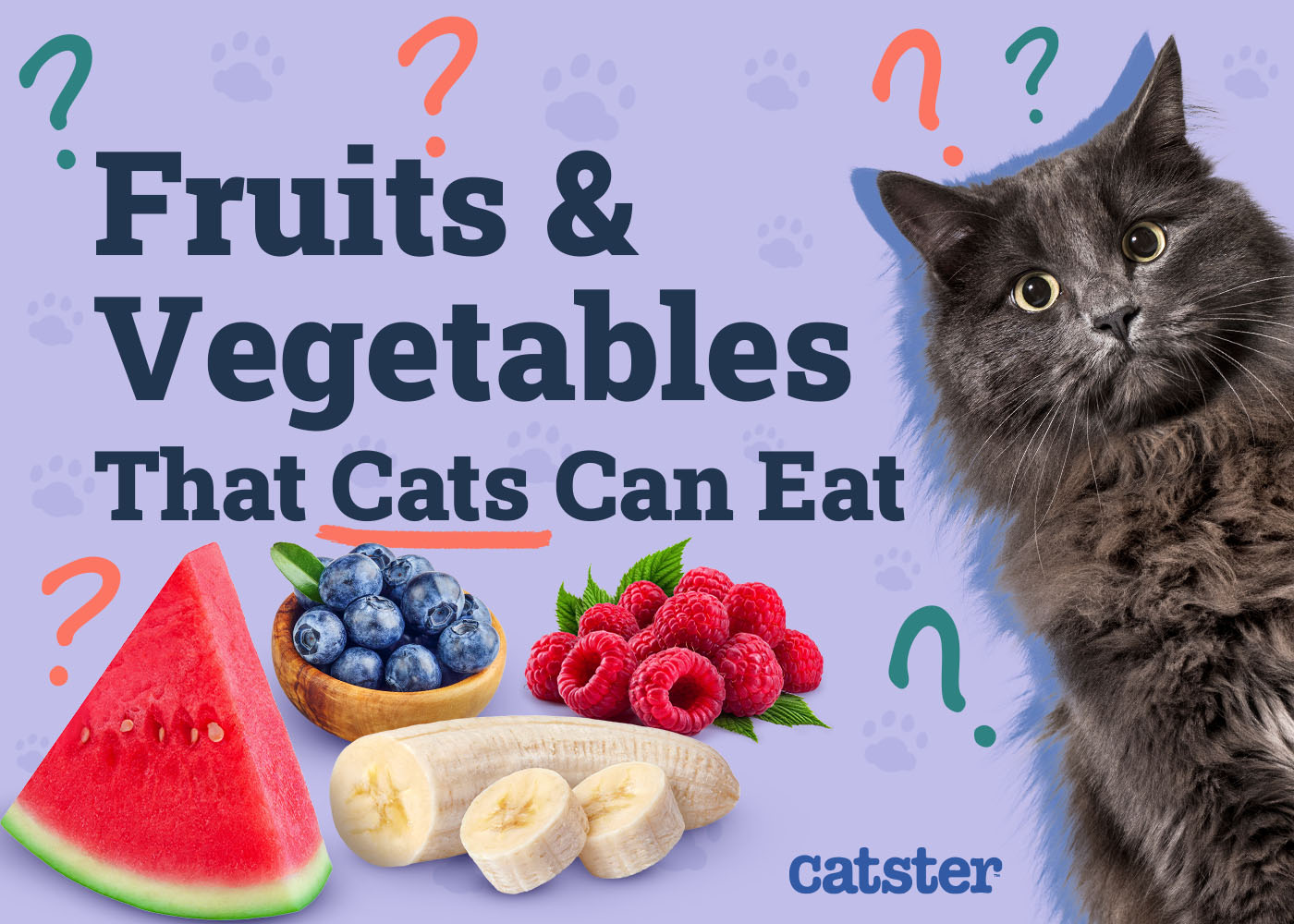
Safe Fruits For Cats:
- Apples
- Blueberries
- Strawberries
- Bananas
- Watermelon
- Pears
- Cantaloupe
- Peaches


Grains
Grains have their part in commercial cat foods, as they are a source of fiber, carbs, vitamins, minerals, fatty acids, and sometimes digestible protein. However, some grains should certainly not be a part of your cat’s diet or their dinner.
Bread and oats are not necessarily the best choice, as they are fillers with no real nutritional value. Oatmeal made with water is not toxic to cats, and a very small amount may be fine for most, but if it's made with milk, it can certainly be harmful, as the majority of adult cats are lactose intolerant.
You may wonder about rice, which is often recommended and mixed with a meat source for animals suffering with a stomach upset. Rice is a source of carbs and protein and can be offered in moderation very occasionally, but is not suitable to be a regular part of a cat’s diet.

- NO MESS - The 360° tray on this cat food and water bowl set has a raised design to catch and contain stray crumbs and drips. Protect your indoors and floors from wet and messy meals!
- WHISKER FRIENDLY - Shallow and wide metal containers with flat bottoms ensure your kitty can enjoy mealtime free from whisker fatigue!
- CHEW-SAFE MATERIALS - Kittens and cats love chewing on silicone and soft rubber - but it's a choking hazard. Our cat feeding station materials are anti-chew for a 100% safe feeding frenzy!
Learning about what your cat can and cannot eat is a crucial part of keeping them happy and healthy! Choosing a bowl to serve cat-friendly foods in is another important decision pet owners face. Satisfy the specific needs of your cat with the innovative design of the Hepper NomNom Cat Bowl. Learn why it’s our (and our cats!) favorite food and water dish here.
At Catster, we’ve admired Hepper for many years and decided to take a controlling ownership interest so that we could benefit from the outstanding designs of this cool cat company!

Dairy and Other Foods

Dairy products like cheese and milk are not something you should be offering to your kitty. After weaning from their mother’s milk, most cats will actually become lactose intolerant and will not digest dairy products well, as they will lack the enzyme called lactase. Some may be fine with a small amount, while others may get a stomach upset with a few licks of milk or a small bite of cheese. It’s best not to risk it, so avoid making dairy products a part of your cat’s dinner. Both milk and cheese can also be quite fatty, which again could predispose some cats for gastroenteritis.
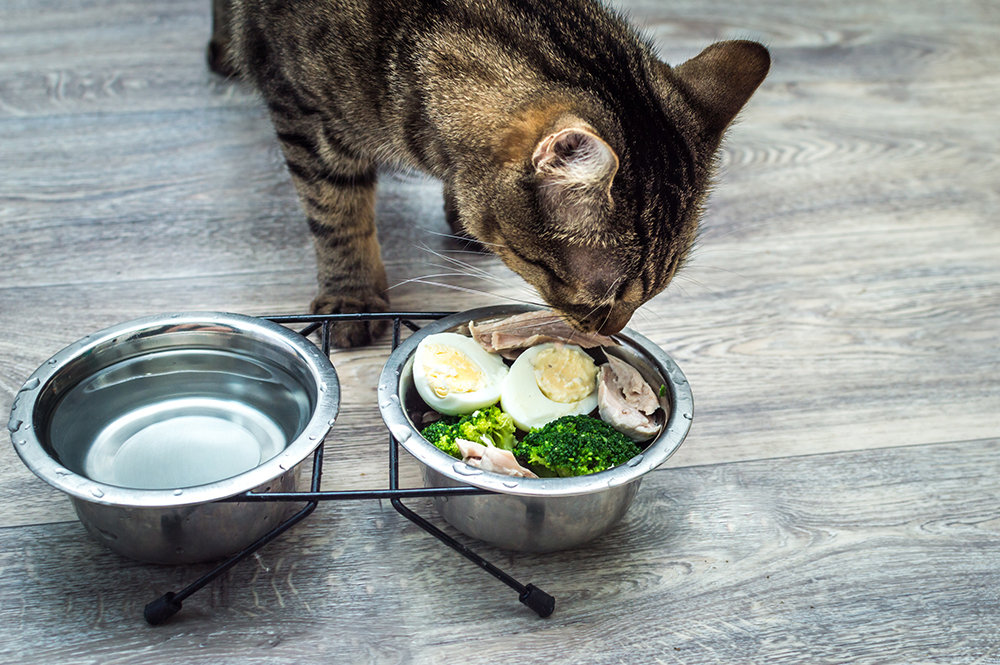
Now, a boiled egg is a different story. We’ve classed it here as “other,” although it is an animal protein. Alongside amino acids, it contains various minerals and vitamins. This is certainly something your cat can enjoy for dinner now and then if prepared the right way. Egg yolk is quite fatty, so it is not a first choice for overweight cats. Raw eggs, on the other hand, should never be offered, as they may contain Salmonella and also a substance called avidin, which can prevent absorption of biotin or vitamin B7.
As you can see, a boiled egg can be a good treat for cats on occasion, but do not make it a regular offering, as cats really need a complete and balanced diet in order to be healthy.
Conclusion
We hope this article helped you in making a nutritious and safe dinner for your kitty. There are things that cats can eat besides cat food, but please be mindful of them needing a complete diet with high-quality ingredients and all the essential amino acids and micronutrients required for health. It’s crucial to stick to a diet that has been carefully formulated to provide your cat with the correct ingredients that they need to stay strong and healthy. We understand there can always be an unforeseen circumstance, but hopefully this is rare or almost never happens. https://www.catster.com/guides/raw-food-diet-for-cats/
See also:
Sources
Featured Image Credit: Anastasiya Tsiasemnikava, Shutterstock

Expert cat care, straight to your inbox
Vet-reviewed advice, behavior tips, and the best of Catster. Free, and you can unsubscribe anytime.
By signing up, you agree to our Terms & Conditions and Privacy & Cookies Policy.
Christian started writing for a local newspaper as a teenager, and he's been involved in the publishing industry for most of his adult life. Combining his love of writing with a passion for animals, he is currently the Director of Editorial at Pangolia and the Editor-in-Chief at Catster.
Christian lives in the Philippines with his wife, son, and four rescue cats: Trixie, Chloe, Sparky, and Chopper.
Join the conversation
Ask a question, share your story, or send private feedback.