Why Do Cats Like Milk? 2 Vet-Approved Reasons & FAQ


In this article
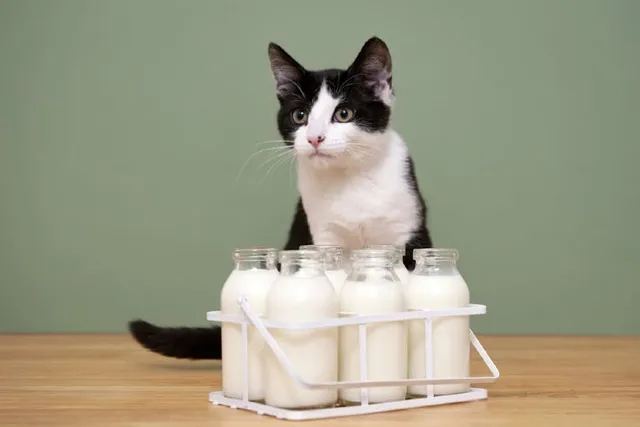
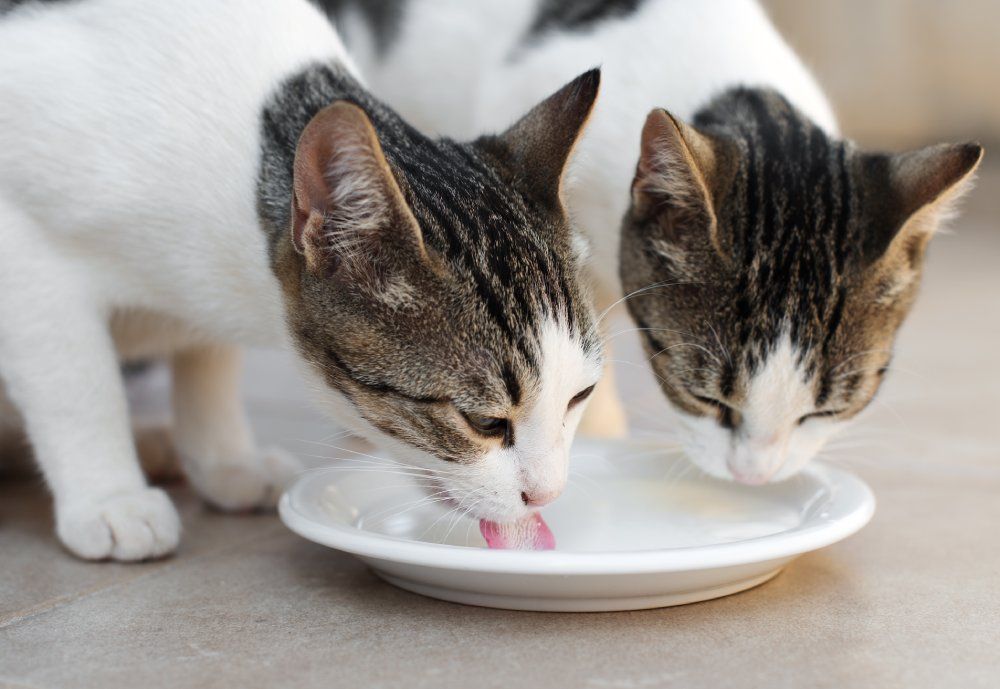
A cat lapping at a bowl of milk is something that we all think of when it comes to felines. This perception comes from farm cats from bygone eras lapping at the fatty topping of unprocessed cow’s milk and popular cartoons depicting a house cat’s fondness for a saucer of milk.
Despite the stereotype, however, cats should not consume milk and other dairy products because these can give them a bad stomachache. That said, many cats love milk whenever they get the chance to drink it.
There are two reasons that cats like milk so much, despite it not being good for them. Fortunately, there are milk alternatives you can give them instead.

The 2 Reasons Cats Like Milk
1. They Are Mammals
Cats are mammals, and like us and many other animals, they start their lives relying on the milk from their mother. Milk gives them the calcium, fat, protein, and other nutrients that they need to start growing properly. Unfortunately, this reliance on milk doesn’t last once your kitten starts eating solid food.
Mammals are born with an enzyme that breaks down the lactose in milk into more easily digested simple sugars. Unfortunately, as they grow, mammals slowly stop producing this enzyme and gradually lose their ability to digest milk. This is why cats—and many humans—are lactose intolerant.
Once they grow out of their need for their mother’s milk, milk-drinking cats can suffer from gastrointestinal problems due to their inability to properly digest lactose. This can result in problems like a bad stomachache, diarrhea, and vomiting.
2. Milk Has High Fat and Protein Content
The biggest reason that cats love milk so much is the fat and protein content. Milk and other dairy products, like yogurt, cheese, and ice cream are full of natural fats. Cats, with their sensitive noses, can smell the fat content in milk and will be drawn to it even if they’ve never eaten any type of dairy product before.
Although the fat content was much higher in the past, when cow’s milk came from small family farms and wasn’t processed, today’s skimmed milk still has plenty of fat and protein to interest cats.

Is Milk Bad for Cats?
Cats rarely drink water when they should, so it can be tempting to make your cat’s diet more interesting by giving them milk. However, cats don’t benefit from dairy products, and regularly giving your cat milk can cause more problems than benefits1.
The biggest problem is that cats are lactose intolerant. While they can digest their mother’s milk when they’re kittens, as they age, they lose the lactase enzyme that helps break the lactose in milk into easily digested sugars. This happens to us too, which is why some humans are also severely lactose intolerant.
Unfortunately for cats, despite how much they might adore drinking milk, they’ll likely end up with a bad stomachache, diarrhea, or vomiting because their body can’t digest it.
Too much milk can also result in obesity, especially if you give your cat too much on top of an already balanced diet. Your cat’s main diet should contain all the nutrients that they need, including fats. Overdoing the treats, like a particularly fatty milk product, will add too much fat to their daily intake and result in your cat becoming overweight.
Are All Cats Lactose Intolerant?
Unfortunately, all cats are indeed lactose intolerant, and if they have too much milk, they will suffer from digestive upset. Some cats are less intolerant than others, though, and they might be able to digest small amounts of milk with no ill effects. In these cases, a small splash of milk in a saucer as a one-off treat isn’t likely to hurt them.
If you do try to give milk to your cat, only give them a small amount and monitor their reaction afterward. Provided that they don’t suffer from a stomachache or other digestive issues, giving them another spoonful of milk as a treat later in the week won’t hurt them.
Don’t fall into the trap of making it a regular treat, though, even if they don't have a bad reaction. Too much milk can still cause them digestive distress. It’s best to find a safer and healthier alternative.

Alternatives to Milk for Cats
Regardless of how much cats might love milk, their intolerance to lactose makes the treat unhealthy for them. Although some cats might be fine with a spoonful of milk on rare occasions, sometimes it’s best to avoid dangerous foods altogether, just to be safe. Here are a few alternatives to treat your cat with instead.
Cat Water Fountain
A new water dish might not seem like much of a treat, but a water fountain can encourage cats to drink more water. Cats are naturally drawn to running water because their instincts tell them that it’s safer than still pools, which is why many of them dislike drinking out of a water bowl. They're also better at seeing movement, and the flowing water in a fountain will be much easier for them to see than still water in a bowl.
Cat water fountains also have the benefit of filtering the water and keeping it moving throughout the day, ensuring that it stays fresh for longer. If you can encourage your cat to drink more water, finding a new drink for them—like milk—is unnecessary.
Lactose-Free Milk Products
You can purchase lactose-free milk products that are designed for cats. This avoids the potential problem of digestive distress by ensuring that the milk is easy to digest. None of these products should become the main part of your cat’s diet, though. Whether the milk is free from lactose or not, you should only give it to your cat as a treat and only if they have no negative reactions.
As always, when adding something new to your cat's diet, it is the best idea to consult a vet before.

Conclusion
Despite being lactose intolerant, many cats adore lapping at a bowl of milk. While a spoonful of milk won’t harm some cats, others can suffer from severe stomachaches, vomiting, and diarrhea. However, a cat might still come back for more due to the high fat and protein content that they can smell in milk products.
Since milk isn’t the safest treat for cats, try to encourage them to drink more water by purchasing a cat water fountain. You can also try a lactose-free milk product instead, as long as you don’t let it interfere with your cat’s already balanced diet.
Featured Image Credit: Millibar, Flickr
Expert cat care, straight to your inbox
News, insights, and useful advice, delivered to you.

No spam — unsubscribe anytime.
By signing up, you agree to our Terms & Conditions and Privacy & Cookies Policy.
How useful was this post?
Click a star to rate. You can leave written feedback afterwards. (We read all feedback.)
Christian started writing for a local newspaper as a teenager, and he's been involved in the publishing industry for most of his adult life. Combining his love of writing with a passion for animals, he is currently the Director of Editorial at Pangolia and the Editor-in-Chief at Catster.
Christian lives in the Philippines with his wife, son, and four rescue cats: Trixie, Chloe, Sparky, and Chopper.