Can Cats Eat Rice? Vet-Approved Facts & FAQ


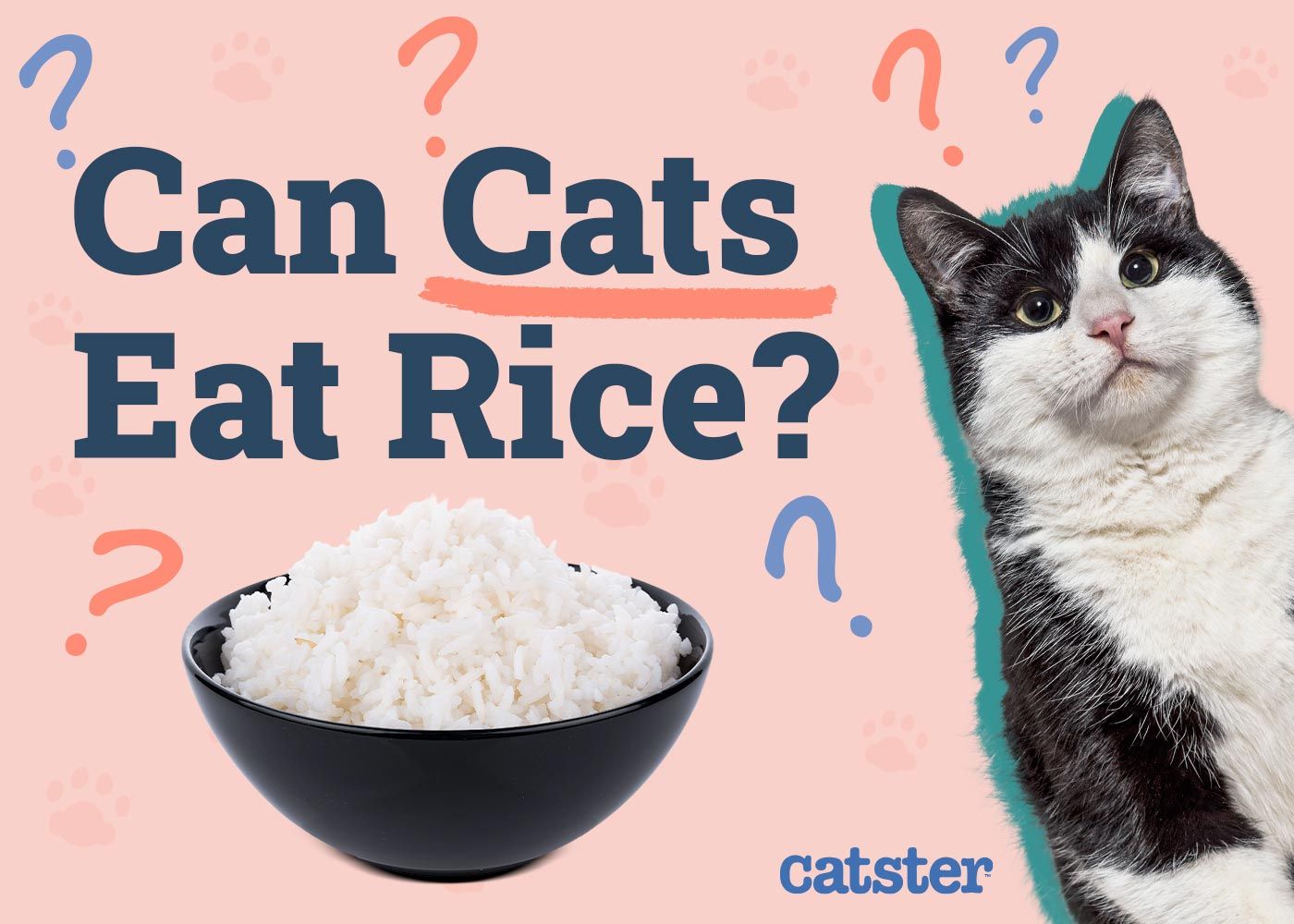
Cats are obligate carnivores—that is, they are meant to eat mostly animal protein. But while it's true that felines need specific nutrients only found in animal tissue, they can tolerate small amounts of carbs, which means, technically, yes, cats can eat rice. However, the real question is: Does rice have any real benefits for our feline friends?
Let’s explore the real deal of giving rice to your kitty and whether it's worth it.

What Is an Obligate Carnivore?
An obligate carnivore is an animal that has evolved to have their nutritional needs met primarily or exclusively through a diet consisting of animal tissue, particularly meat. Such animals are biologically adapted to thrive on foods high in animal protein and fat, and they have specific nutritional requirements that can only be adequately fulfilled by consuming these types of foods.
Cats are classic examples of obligate carnivores. Their natural diet in the wild consists of prey animals, and their bodies have evolved to efficiently process and utilize the nutrients found in animal tissues. Cats have specific dietary requirements for essential nutrients like taurine, arachidonic acid,arginine and vitamin A, which are primarily obtained from animal sources.
Unlike omnivores, which can derive nutrients from both plant and animal sources, obligate carnivores lack the necessary digestive enzymes and metabolic pathways to efficiently extract all the essential nutrients from plant-based foods. While cats may occasionally eat small amounts of plant matter in the wild (such as grass to aid digestion), their nutritional needs are best met through a diet rich in high-quality animal protein.

So, Do Cats Need Carbs to Thrive?
Unlike humans and many other mammals, a cat’s body has a limited ability to digest and use carbohydrates efficiently. A feline’s diet in the wild consists of small prey, which contain minimal amounts of carbs. Cats lack the enzymes needed for carbohydrate metabolism, which makes it harder for them to efficiently process plant-based foods.
To complicate matters even more, there is a great deal of debate regarding the appropriate amount of carbs that should be in cat food 1. Currently, there are no set minimum dietary carbohydrate requirements for cats, so most traditional commercial foods contain more carbohydrates than a wild cat would consume. Furthermore, key differences between domestic and feral cats (neuter status, indoor vs. outdoor lifestyle, etc.) may also affect the optimal dietary nutrient content.
That said, several clinical studies have shown the beneficial effects of a low-carb diet in the management of certain feline diseases, such as diabetes mellitus 2.
Does Rice Have Any Health Benefits for Cats?
There isn't much scientific research specifically focused on the effects of rice on cats, but in general, most veterinarians and feline experts agree that a small amount of plain, cooked rice is perfectly harmless to cats. Indeed, rice is sometimes recommended alongside lean, white meat as a temporary solution to certain dietary needs, such as digestive problems. However, many would argue that feeding your cat a specially formulated gastrointestinal diet such as Hills I/d or Royal Canin Gastrointestinal diet would be a much better-balanced option in these situations.
Interestingly, a type of high-quality protein sourced from rice is found in some cat foods: rice protein concentrate (RPC). This is a powdered form of protein derived from rice. It is produced by extracting the protein from rice grains, typically through a process that involves milling, enzymatic treatment, and filtration. It has been suggested that adding RPC to cat food improves its digestibility and palatability.
While these nutritional benefits are great, they're tied to a concentrated extract of rice protein, which means the bowl of plain rice that you serve your cat probably won't have the same impact on their digestive health.

How Much Rice Can You Give Your Cat?
The key here is moderation and blandness! Any rice you give your feline friend should be cooked, plain, and served without any seasoning. Do note that some cats may have difficulty digesting large amounts of rice, and this can potentially cause gastrointestinal upset or diarrhea.
As always, consult a veterinarian before introducing a new food to your cat's diet, primarily to make sure it’s suitable for their specific needs and health status.
Wrapping Up
Ultimately, there should be no problem with giving a small amount of rice to your fussy feline. However, rice should only be fed in small quantities, as part of a balanced diet, and ideally, under the supervision of your veterinarian. Otherwise, unless your feline companion just loves this grain, they won’t get much benefit from it.
See also:
Featured Image Credit: vm2002, Shutterstock
Expert cat care, straight to your inbox
News, insights, and useful advice, delivered to you.

No spam — unsubscribe anytime.
By signing up, you agree to our Terms & Conditions and Privacy & Cookies Policy.
How useful was this post?
Click a star to rate. You can leave written feedback afterwards. (We read all feedback.)
Genevieve is both a biologist and a science writer, driven by her deep love for capuchin monkeys, pumas, and kangaroos. Her dedication to wildlife has taken her across the globe, from Bolivia and Guatemala to Canada and Australia, working and volunteering at various rehabilitation centers. As a Canadian living in Argentina, Genevieve starts her days with horses and cows greeting her from the plains outside her home office. She is the proud parent of three rescued dogs—Lemmy, Nala, and Pochi—and an energetic kitten named Furiosa. The opportunity to share her passion and expertise in animal care brings her great satisfaction.