Get

In Your Inbox

Catster is reader-supported. When you buy via links on our site, we may earn an affiliate commission at no cost to you. Learn more.

Can Cats Eat Rice Pudding? Vet Reviewed Nutrition Facts & FAQ

Share

Can Cats Eat Rice Pudding

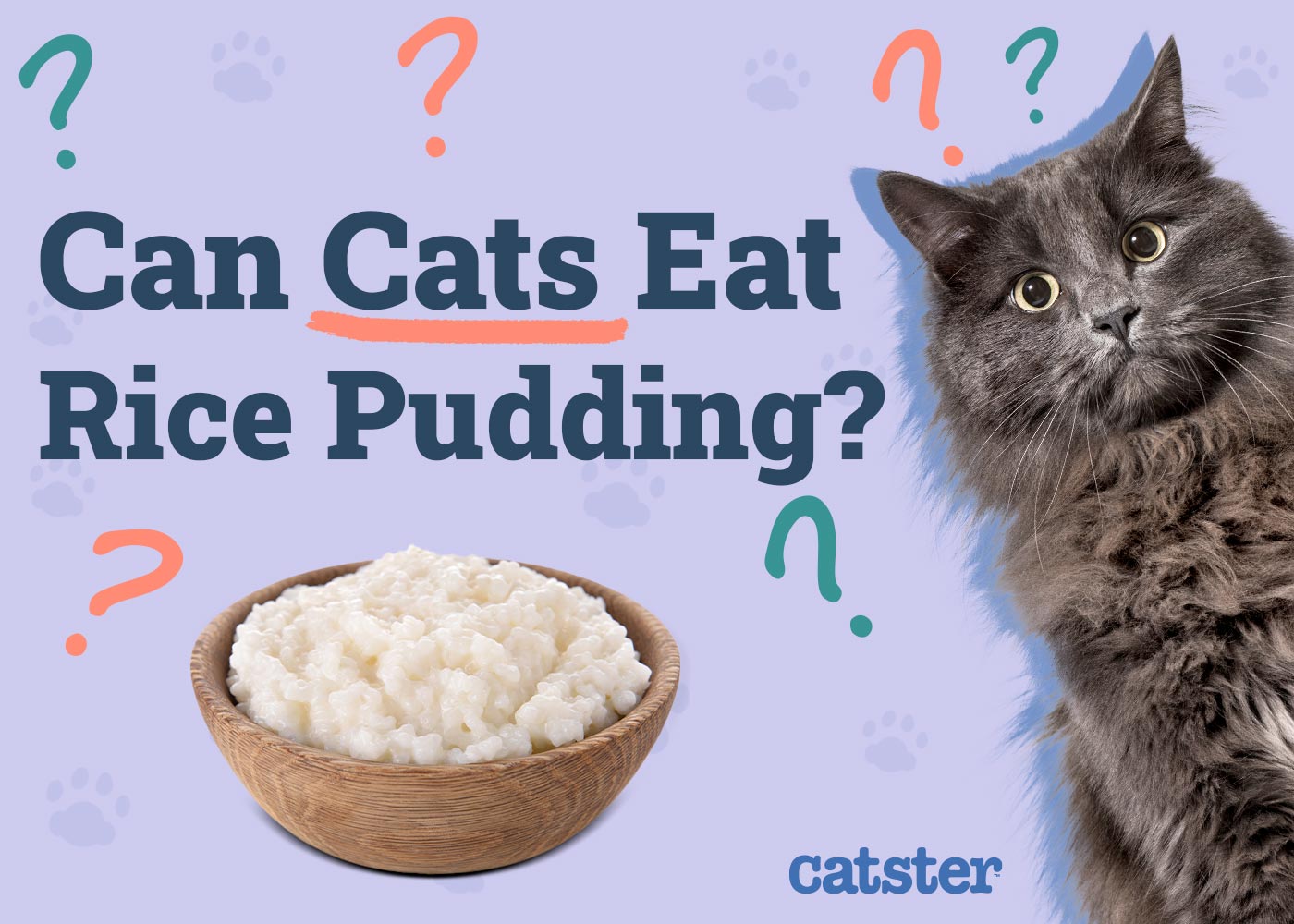
Sometimes, it can be tempting to treat our cats to a little bit of something we are enjoying, but it can be tricky to tell which foods are good for them and which are not. If you are wondering whether your sweet-toothed kitty can indulge in rice pudding, unfortunately, rice pudding is not good for cats at all and should be avoided due to the inclusion of certain ingredients.

Read on to find out more about why cats shouldn’t eat rice pudding and to get some tips on human foods cats can safely have as an occasional treat.

divider 1 paws

Why Is Rice Pudding Bad for Cats?

Rice pudding turkish milk sweet sutlac
Image Credit: Hvarts, Shutterstock

While a bit of plain rice (no sauce or seasoning at all) is okay for cats now and again, and rice is commonly found in commercial cat foods, the dessert rice pudding is not good for cats for two reasons.

The first reason is that it contains ingredients that are high in fat and calories, including sugar and butter. It also contains cow’s milk, which, contrary to popular belief, is bad for cats because their digestive systems aren’t built to handle lactose.

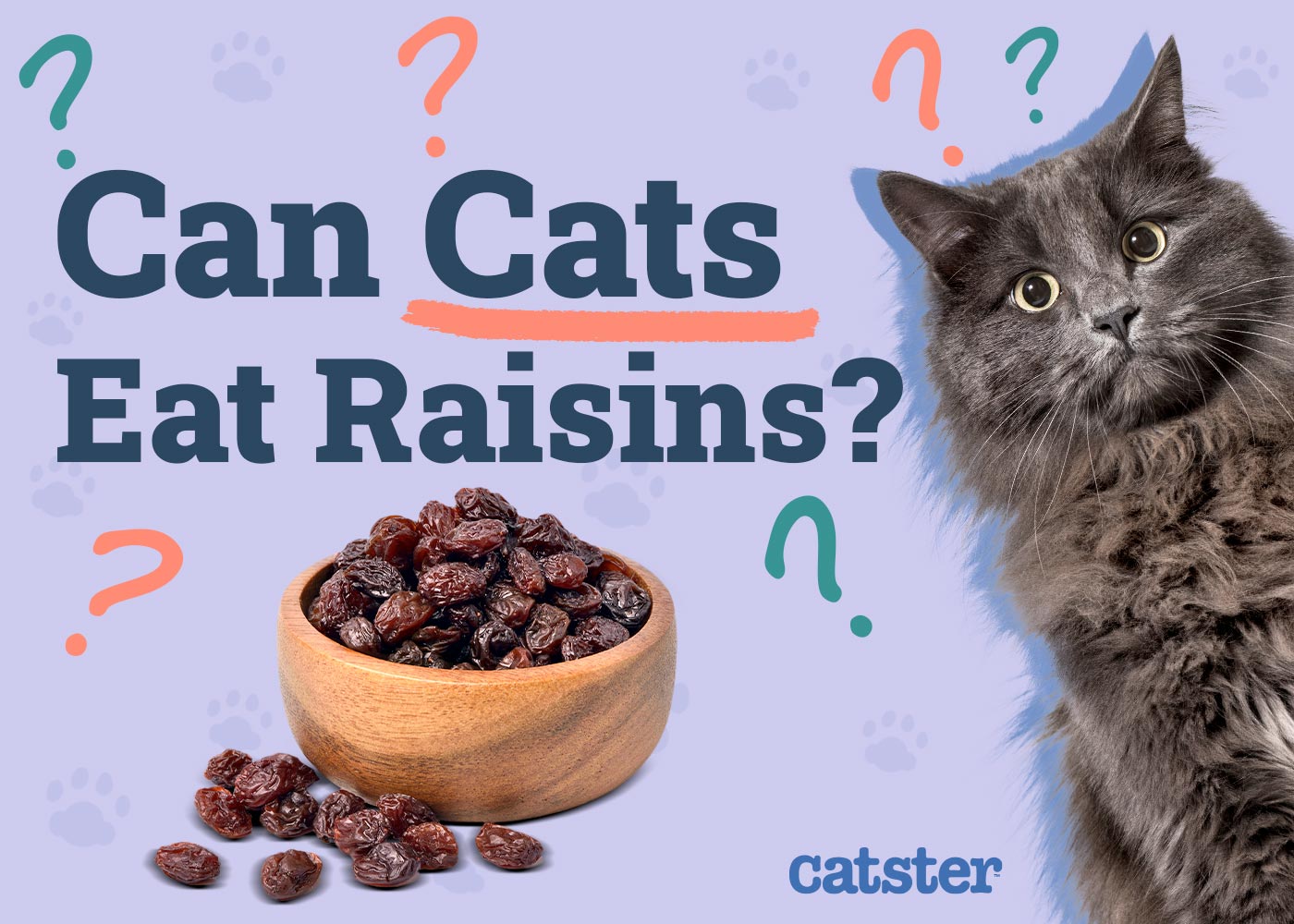
The second reason is that rice pudding often contains raisins, which are toxic to cats. Eating even a few of these dried grapes can cause an upset stomach with symptoms like vomiting, diarrhea, abdominal pain, lethargy, lack of appetite, drinking more, and decreased urination. In severe cases, cats can experience kidney failure as a result of grape and raisin toxicity. There is no known safe threshold for avoiding raisin toxicity.

My Cat Ate Rice Pudding, What Should I Do?

If your cat ate rice pudding containing raisins, you should contact your vet for advice. Because raisins are toxic to cats, it is always best to be on the safe side, even if your cat seems perfectly fine or you only suspect they’ve eaten raisins.

divider 1 paws

What Human Foods Can My Cat Eat?

First and foremost, cats should be fed a diet formulated specifically for them that contains a certain amount of protein, carbohydrates, fats, fatty acids, amino acids, minerals, and vitamins. The best way to make sure your cat is getting all the nutrients they need is by choosing a high-quality commercial diet that is complete and balanced. They also need fresh water to be available at all times.

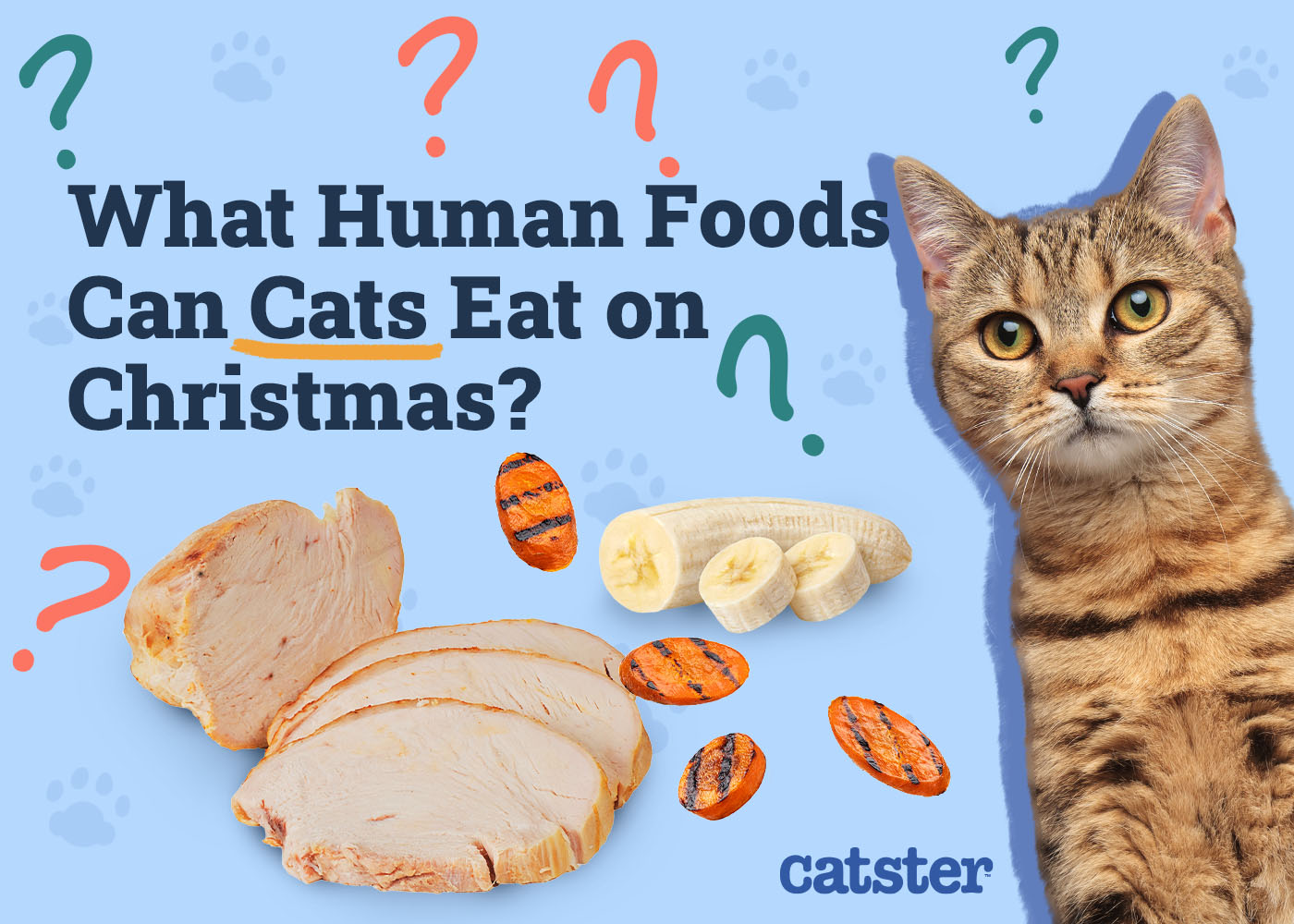
That said, you can offer certain human foods occasionally as a treat and in small amounts. Some cats never touch human foods and will happily stick to cat food, whereas others will nibble at anything they can get their paws on. If your cat has taken a shine to a certain kind of human food or is the adventurous type, here are some safe human foods you can give as treats:

  • Plain cooked meat like chicken (no seasoning)
  • Canned or cooked fish (no raw fish, not fish in oil)
  • Cucumber
  • Cantaloupe
  • Steamed broccoli
  • Steamed asparagus
  • Steamed green beans
  • Plain cooked rice
  • Blueberries
  • Strawberries
  • Melon
  • Oatmeal
  • Pumpkin
  • Cooked eggs
  • Bananas
  • Cooked winter squash
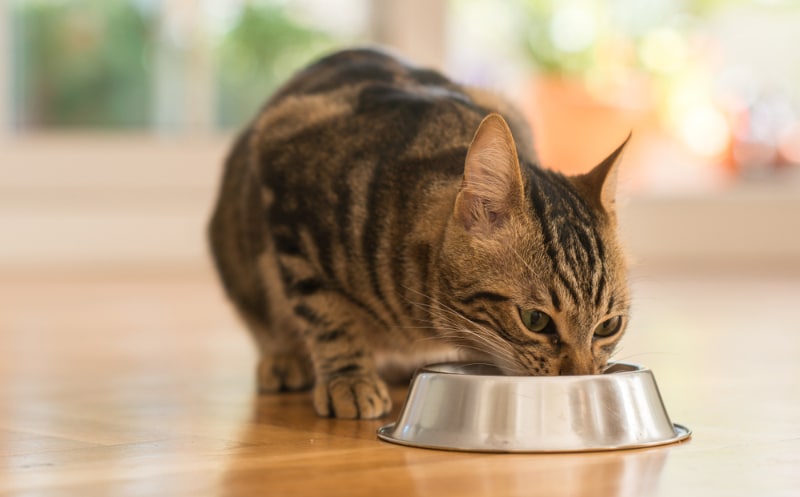
grey cat just finished eating
Image Credit: mik ulyannikov, Shutterstock

What Human Foods Shouldn’t Cats Eat?

In addition to rice pudding, there are quite a few human foods you should keep away from your cat, either because they’re toxic to them or simply very unhealthy.

These include:
  • Onions
  • Garlic
  • Scallions
  • Shallots
  • Chives
  • Raisins
  • Grapes
  • Raw eggs
  • Raw meat
  • Raw bones
  • Chocolate
  • Caffeine
  • Raw bread dough
  • Milk (most cats are lactose intolerant)
  • Alcohol
  • Lemons
  • Oranges
  • Limes
  • Grapefruits
  • Clementines
  • Coconut flesh
  • Coconut water
  • Macadamia nuts

divider 1 paws

Final Thoughts

Rice pudding is not good for cats due to the presence of sugar, high-fat, and toxic ingredients. For their regular diet, cats should stick to a standard, quality cat formula suitable for their age group and should only occasionally indulge in safe human foods like cooked meat and fish and certain fruits and vegetables as an occasional treat.

Related Reads:


Featured Image Credit: Africa Studio, Shutterstock

Want content like this delivered to you?

Sign Up For Our Newsletter

News, insights, expert advice, and everything cat

* By submitting, you agree to our Terms & Conditions and Privacy & Cookies Policy.


How useful was this post?

Click on a star to rate (you can leave written feedback after clicking submit)

Help us improve Catster for pet parents!

Your feedback really matters.

What did you like about this post? Also how can we improve it?

Join the conversation

Leave a Reply

You’re very welcome to leave a comment or question. Please know that all comments must meet our community guidelines, and your email address will NOT be published. Let’s have a positive and constructive conversation.


Catster's Digital Magazine is Back!

Vet-approved health & behavior advice

Real cat stories & community features

Chatting About Big Cat Tourism, Lion Hunting, and Learning From Our Mistakes | Chatty Cattys, Episode 26

In this episode of Catster’s Chatty Cattys podcast, Nicole and Dr. Karyn dive into the dark side of big cat tourism and the...

Why Cats Sit by the Door (But Don’t Go Through It)

Door-sitting is one of those quirky little habits that almost every cat owner experiences at some point. You know how it goes: a...

Six Legs Are Better Than Three – How A Tripod Dog and Kitten Found Friendship Through Recovery

Sometimes the most meaningful friendships begin in the most unexpected places. At a Maryland veterinary hospital operated by Last Chance Animal Rescue, two...

The Original Space Invaders – Why Zero Respect for Personal Boundaries Is a Good Thing

Cats have a reputation for being independent, and in many ways they are. But anyone who has tried to work at a laptop...

More related

Can Cats Eat Doritos? Vet-Approved Facts & FAQ

Doritos are a well-loved chip, to the point that they have been turned into everything from taco shells to casseroles. If you’re a...

How to Sing to Your Cats (& Do They Like It)? Feline Musical Facts

Tra-la-la-la, do you remember your do-re-mi-fa-so-la-ti-do? If so, your cat might appreciate you humming them a little tune now and again. While few...

Does a Cat Scratcher Sharpen or Dull Nails? Vet Approved Tips & FAQ

A cat scratcher provides felines with a safe way to engage in their usual scratching behavior, which helps them maintain the health of...

Japanese Food Names For Cats: 187 Great Ideas for Your Pet

Cats make wonderful pets and owning one can be great fun. However, thinking up the perfect name for them can be stress-inducing, especially...

Keep reading

Five Freedoms of Animal Welfare: How Vets Apply Them to Cats

It may be hard to imagine a time when drafting the principles of basic animal care was necessary. Sadly, the inhumane treatment of the country’s livestock prompted a 1965 British parliamentary inquiry into their conditions. It eventually led Professor John...

Smiling-vet-doctor-with-dog-pet-and-fluffy-cat

Is It Safe for Cats to Eat Moths? Vet-Reviewed Facts & FAQ

Cats are natural predators that enjoy a good hunt, whether to catch a mouse running by or to chase butterflies in the sun. Typically, if they can catch their prey, they also have the instinctual drive to eat it. Although...

What Happens If You Neuter a Cat Too Early? Vet-Reviewed Facts & Advice

There are over 60 million homeless cats across the United States.1 For some, living outdoors is all that they’ve known, having been born to feral parents. For others, this way of life is something that they’ve had to navigate and...

a tabby cat in a medical blanket after neutering surgery

12 Vet-Approved Tips That New Cat Parents Should Know About Feline Health

If you’ve recently adopted a cat, you may wonder how to ensure your new companion stays healthy so you can enjoy years of happiness together. There’s plenty of feline health information for new cat parents to become familiar with, but...

veterinarian doctor holds cat

Chonks: The Internet Craze That Promotes Unhealthy Cats (Vet-Reviewed Analysis)

If you were to open your Instagram account and mindlessly scroll through the media buffet, you would undoubtedly see pictures and videos of “chonky” cats. What is meant by “chonky”? Pudgy, cuddly, fat cats. Photos as far as the eye...

veterinarian weighs an overweight pet on a scale

Can Cats Eat Oregano? Vet-Verified Toxicity Facts & What to Do

Oregano is a popular and versatile culinary herb that’s often used in cooking all over the world, as well as for medicinal properties. Many common cooking herbs are fine for cats, but what about oregano? Can cats eat oregano? Is...

Can Cats Eat Oregano

How Much Time Should You Spend With Your Cat? Vet-Approved Advice

We all have busy lives, so we’re constantly trying to carve out time to spend with our family and friends and still have quality alone time. When you own a cat or multiple cats, you need to spend time with...

young cat owner playing with her pet at home

How to Brush Out Matted Cat Fur: 6 Vet-Reviewed Steps

Matting can be stressful for the cat and the owner. Your cat will be unhappy and painful, and working through the tangles in your cat’s fur can be difficult, especially if the matting is severe. Matting can occur around a...

brushing ragdoll cat's hair

Love Cats? So Do We! Join the Catster Community

Stay informed with expert pet care insights delivered straight to your inbox! Discover professional guidance on animal behavior, feeding tips, trusted product picks, and much more.


Sign up for the Catster Email Newsletter

Stay informed with expert pet care insights delivered straight to your inbox! Discover professional guidance on animal behavior, feeding tips, trusted product picks, and much more.