Can Cats Eat Venison? Important Facts & Health Guidelines


In this article
The word “venison” (from the Latin verb venari, meaning “to hunt”) refers to meat from large game animals, most commonly deer. Though not the most typical protein in commercial cat foods, venison is used in some food formulas. Home-prepared venison is also safe for non-allergic cats to eat as long as it’s fully cooked and offered only in moderation.
That’s the short story, though. There’s a great deal more to know about how to safely feed meat to cats and how much is appropriate to feed them. Let’s explore both the health benefits and the risks of feeding venison to cats.

Do Cats Like Venison?
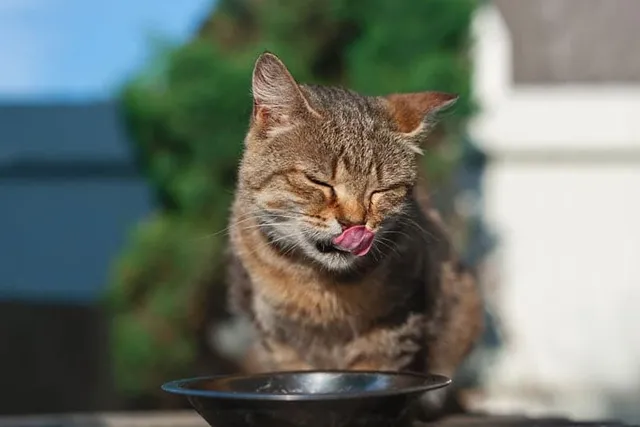
If you’ve been a cat parent for a while, it will have already become apparent that cats can be very finicky! While some cats will happily eat anything offered, others turn their noses up and stalk off, tail in the air when you even dare present them with something they deem inadequate.
On that basis, whether or not your cat likes venison really depends on their personal tastes. Some cats love it, and some hate it.

Is Venison Good for Cats?
Cats are obligate carnivores, which means they rely on nutrients from animal sources. For this reason, cats can enjoy venison and even reap some nutritional benefits. For one thing, venison is high in protein, which means it’s a source of essential amino acids that cats need, including taurine. It’s a good source of omega-3, and the omega-3 to omega-6 ratio is well-balanced.
Venison is also a good source of B vitamins, vitamin K, zinc, and iron. In addition, it’s leaner and contains fewer calories than more common meats like beef, pork, and lamb. All that said, how venison is prepared for cats and how much you offer is key to ensuring your cat enjoys a healthy relationship with this uncommon protein source.
Finally, we would always recommend running new and novel proteins by the vet before introducing them into your cat’s diet, especially if your cat has a health condition.

How Should I Prepare Venison for My Cat?
Venison should always be cooked all the way through to ensure that any potentially harmful bacteria present in raw meat are killed off. You should also remove any bones to prevent the risk of your cat choking.
In addition, the way venison is cooked is all-important. You’ll want to avoid adding oils (especially heavy, man-made oils) because these can be harsh on the cat’s digestive system, and seasonings like salt, butter, and garlic (toxic). These are all bad for cats and can even make them very unwell. The venison you offer your cat should be cut into small, bite-sized pieces.

Can Cats Eat Raw Venison?
Feeding raw venison to your cat is risky because raw meat is sometimes found to contain dangerous pathogens, including Salmonella, E. Coli, and Listeria. For this reason, most experts don’t recommend offering raw meat to cats at all in order to protect both you and your cat.
How Much Venison Can My Cat Have?
This depends on the form in which it’s offered. Venison is a protein sometimes included in commercial diets, so if your cat’s commercial diet contains venison, they’ll be eating this every day. This is okay because complete and balanced formulas are designed to contain all the nutrients your cat needs.
On the other hand, home-prepared venison and other meats should only be considered as treats. They shouldn’t be offered in place of a complete and balanced formula because they’re simply not nutritious enough on their own to fulfill all of a cat’s dietary needs.
Foods outside of your cat’s regular food formula (like treats and human foods) should only make up about 10% of a cat’s daily calorie intake. It’s up to you how and when you offer it, but one idea is to add a few pieces of venison to your cat’s food bowl now and again if they enjoy it.

Can Cats Be Allergic to Venison?
Yes. As with other types of protein, cats can suffer from a venison allergy, although this is rare. More frequently reported cat food allergies are to chicken, beef, and fish. Food allergies in cats may present as skin signs, including itchiness, rashes, and hair loss, and gastrointestinal signs, such as vomiting and diarrhea.
To diagnose food allergies or hypersensitivities, vets may recommend a food trial (also known as an elimination diet trial), feeding your cat a type of protein they have never had before. As venison is an uncommon ingredient in cat food that many cats have not had before, and it is unusual for cats to be allergic to it, venison is sometimes used as a ‘novel’ protein source in these diets. Obviously, the more different proteins your cat has had in their diet previously, the fewer options available if vets want to put your cat on a novel protein diet. Speak to your vet if you are concerned your cat may be suffering from food allergies before you change their diet.
Final Thoughts
In a nutshell, cats can eat pieces of cooked, plain venison as a treat, but it should not replace a complete and balanced food formula. Venison alone doesn’t offer cats all the nutrients, vitamins, and minerals they need to thrive, and preparing your own cat food at home is pretty hard to get right in terms of nutrition.
If your cat can’t get enough of venison, you might want to look into getting them a commercial formula made with this meat. We recommend asking your vet for their input before changing your cat’s diet or introducing new foods, as venison might not suit all cats.
Featured Image Credit: Firma V, Shutterstock

Expert cat care, straight to your inbox
Vet-reviewed advice, behavior tips, and the best of Catster. Free, and you can unsubscribe anytime.
By signing up, you agree to our Terms & Conditions and Privacy & Cookies Policy.
Christian started writing for a local newspaper as a teenager, and he's been involved in the publishing industry for most of his adult life. Combining his love of writing with a passion for animals, he is currently the Director of Editorial at Pangolia and the Editor-in-Chief at Catster.
Christian lives in the Philippines with his wife, son, and four rescue cats: Trixie, Chloe, Sparky, and Chopper.
Join the conversation
Ask a question, share your story, or send private feedback.