Why Is My Cat So Jumpy All of a Sudden? 8 Vet Reviewed Reasons


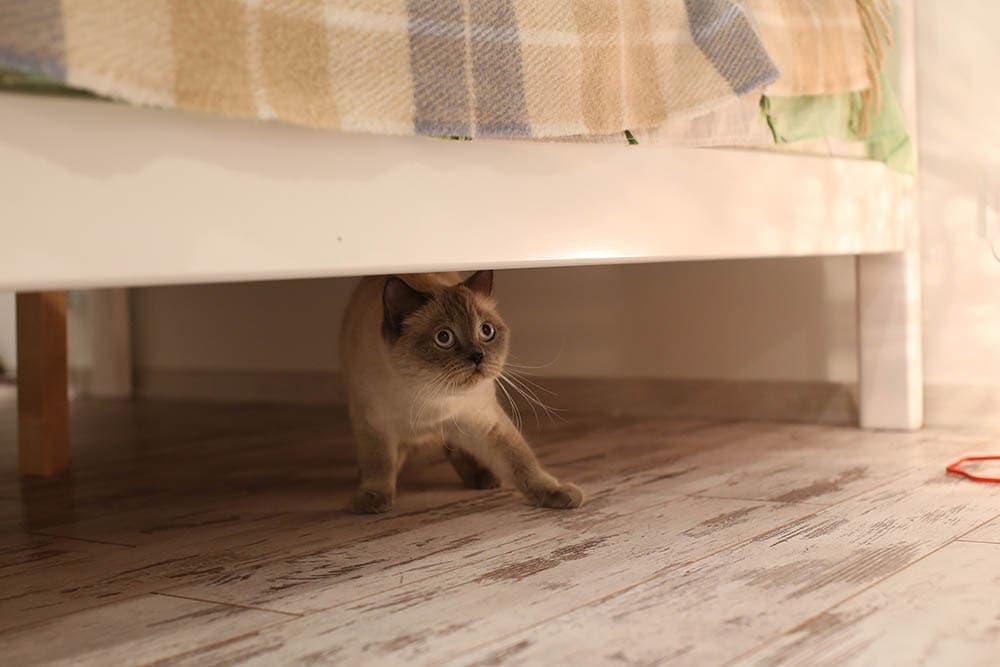
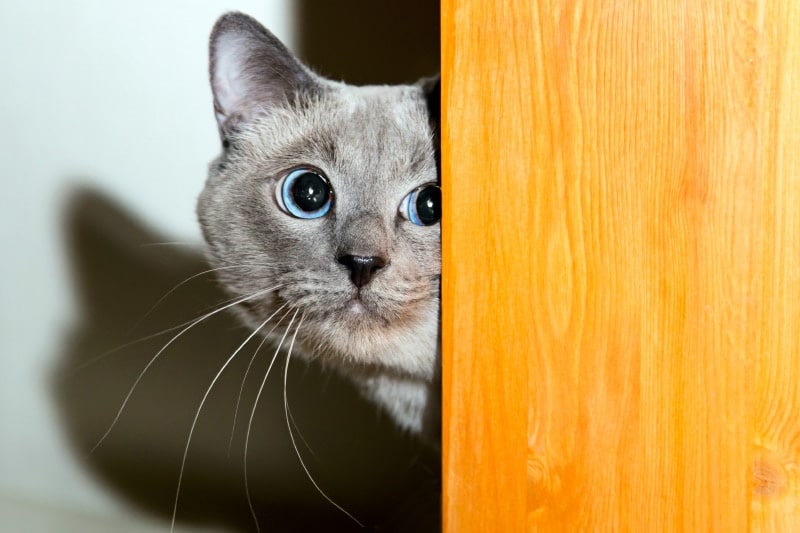
It can be alarming to see your cat act jumpy all of a sudden, especially out of nowhere. Cats cannot tell us exactly how they feel, which is why cat owners should pay close attention to their cat’s body language. We can get an idea of how our cat is feeling by observing their behavior, and a jumpy cat likely feels fearful or anxious.
Sudden behavioral changes in cats should not be ignored, and it is important to get to the bottom of this behavior. This article will discuss the eight possible reasons behind your cat’s sudden jumpiness.

The 8 Reasons That Your Cat Is So Jumpy
1. Something Frightened Them
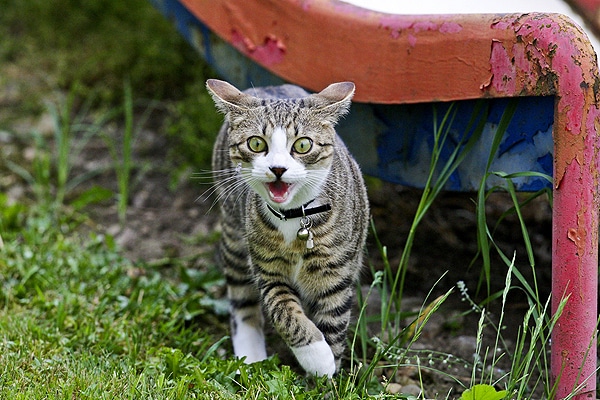
The most likely reason your cat could be acting jumpy is because something frightened them. This could have been from a loud sound, unusual smells, dogs barking, or children playing or shouting.
Cats have a better sense of hearing and smell than us, so they can pick up on disturbances around the home that you might have not heard. It is also possible that your cat could be startled by the neighbor's dog barking or a new pet they might have gotten.
Another possibility is that your cat is frightened after getting trapped somewhere, either in the home or outdoors. Cats who roam outdoors could have encountered a predator or nearly been hit by a car, making them feel much more alert about their environment.
If your cat is feeling jumpy after being frightened, they will probably calm down within a few hours when they feel safer.

2. Anxiety or Stress
If your cat is feeling anxious or stressed, they are not going to be in a relaxed state. This can make them appear jumpy to even the slightest sounds or movements that would otherwise not have bothered them. The source of your cat’s anxiety or stress can vary and is not always easy to pinpoint. It can often stem from changes in your cat's environment such as moving house, building work or renovations or a new addition to the family.
Regardless, a stressed cat is going to startle more easily, and you might notice that they prefer to run or hide away when approached.
3. Past Trauma
Cats with an unknown past, like those adopted from shelters or rescue organizations, could have a history of abuse or other trauma that can make them jumpy at times. Certain situations could trigger the emotions your cat felt from the trauma and make them more wary of their surroundings. Stress or fear about past trauma can negatively impact your cat’s life and cause changes in their behavior.
If this is the case, then it is a good idea to speak with a veterinarian about managing your cat’s trauma and any behavioral changes caused by it.
4. Changes In Their Environment
Cats do not handle sudden changes in their environment well, which can make them feel anxious and therefore jumpy. Cats enjoy having a routine in their lives because it makes them feel comfortable and safe. It can be stressful when things in your cat’s environment change without giving them time to adjust.
Even if you feel the change in their environment is not significant for you, it might be a big deal for your cat. This includes any changes to their daily routine, new people staying over, a new pet, or moving houses. The new changes can make your cat feel uneasy, making them alert and potentially more anxious than normal.
5. Poor Socialization
Early socialization is important for cats to get them trusting of humans and other animal interactions. Cats who have been poorly socialized as kittens may have difficulty bonding with humans and adapting to new situations. They are usually more fearful of us and unfamiliar objects in their environment, which can make them jumpy.
The key socialization period for kittens is between 2 and 7 weeks of age and so will begin when they are still with their mother. Positive experiences, particularly during this period, will teach them that different people, pets and other things in the environment are not a threat. A lack of socialization or negative experiences may cause a cat to become more fearful and therefore more jumpy.

6. New Arrivals
Most cats are not very happy about sharing their space with new pets in the home. They have likely built a daily routine that brings them comfort, which a new pet can disrupt. Furthermore, the smells and sounds of a new pet can make your cat fearful because they have not yet adjusted to its presence.
Your cat is likely going to be more fearful of a larger pet like a dog or a loud parrot rather than small reptiles or fish. Cats can be fearful of dogs if they haven’t been exposed to them from a young age. You might notice that your cat will be jumpy and hide more than usual.
If you plan to welcome new pets into your home, be sure to give your cat time and space to adjust and socialize with them. Cats do not enjoy change, so a new pet in their home can make them feel anxious.
7. Illness or Injury
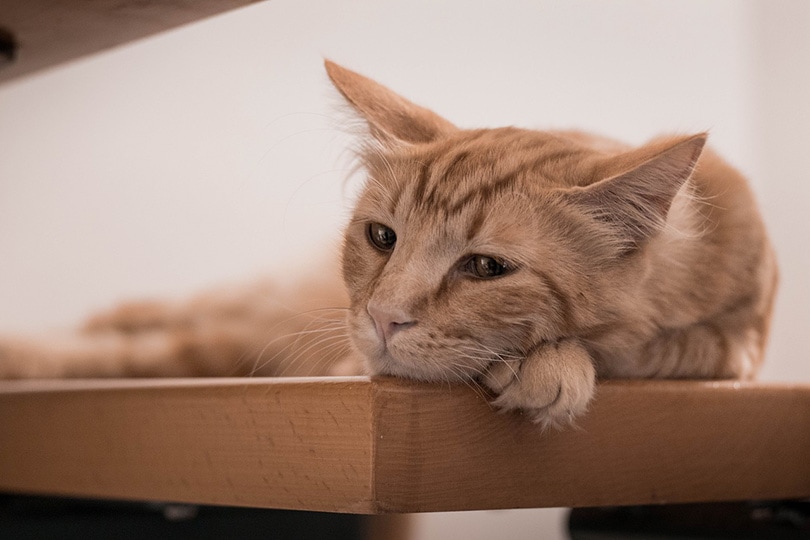
Cats feel vulnerable when they are ill or injured, which can make them jumpy. A cat who is not feeling well is probably going to be more withdrawn or agitated. If your cat is experiencing physical pain, a single touch or movement from you could worsen how they feel. This can make your cat act jumpier around you in an attempt to avoid being touched or picked up. A loss of vision or hearing can also make your cat jumpy.
Cats often try to hide their signs of illness to avoid appearing vulnerable, so behavioral changes should be taken seriously. If you suspect your cat is acting jumpy because of an injury or illness, they should be taken to a veterinarian.

8. Cognitive Decline
Older felines could develop aging problems like feline cognitive dysfunction (dementia). This condition most commonly affects cats over 10 years of age and can worsen over time (known as cognitive decline).
Cats with this condition might experience changes in their memory, awareness, and how they respond to stimuli. They may become irritable or confused, causing them to feel jumpy. Unfortunately, there is no current cure for feline dementia but environmental and dietary management can help. Their signs should be monitored and treated by a veterinarian.
Conclusion
Sudden behavioral changes in cats should not be overlooked, especially if you suspect your cat might be ill, injured, or experiencing age-related problems. While cats might feel jumpy from time to time depending on their emotions and past experiences, it should not happen frequently or for a prolonged period.
If your cat is acting abnormally and becoming fearful of you and their environment, you should consult with a veterinarian.
Sources
Featured Image Credit: Zossia, Shutterstock

Expert cat care, straight to your inbox
Vet-reviewed advice, behavior tips, and the best of Catster. Free, and you can unsubscribe anytime.
By signing up, you agree to our Terms & Conditions and Privacy & Cookies Policy.
Sarah Psaradelis is an avid young writer with dual passions for literature and animals. She enjoys sharing knowledge of animal care and helping others. Sarah has over 8 years of writing experience and is currently studying veterinary science. She resides in South Africa where she takes care of fish, aquarium snails, dogs, and rodents. Sarah is a passionate vegan activist and animal rescuer pursuing her path to make the world a better place for humans and animals alike.
Join the conversation
Ask a question, share your story, or send private feedback.