Why Is My Cat Acting Weird? 10 Vet Reviewed Reasons


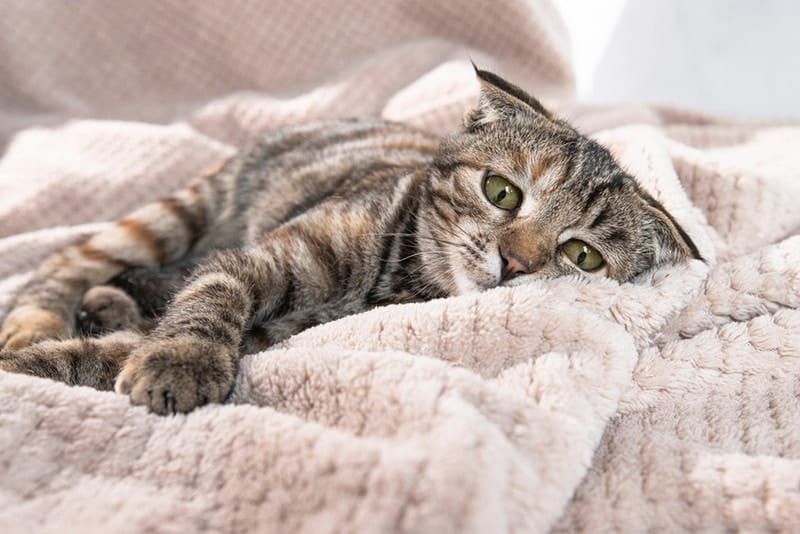
From manic midnight zoomies to suddenly hiding away from you, cats do some pretty strange things. You know your cat's “normal” behavior best, so it can be alarming when they do something that's not only weird, but also out of the ordinary for their personality. The sudden onset of certain behaviors can certainly be troubling, since they can be signs of illness or anxiety. Here are 10 reasons your cat may be acting weird and what to do about each one.

The 10 Possible Reasons Your Cat Is Acting Weird
“Weird” is a very broad word that can cover a lot of behaviors. That being said, cats can act weird for a variety of reasons. These 10 are some of the most common. However, it’s important to remember that this list is not all-inclusive, so always contact a vet if you’re concerned about your cat’s behavior. Now without further ado, here are some reasons your cat may be acting weird.
1. They Got into Catnip
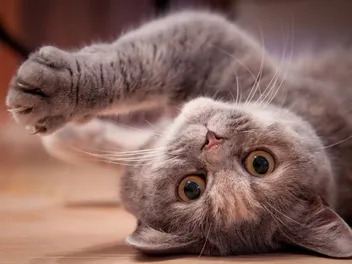
Did you know that a cat's responsiveness to catnip is thought to be a genetic trait? An estimated 30–50% of cats don't feel anything when they play with catnip. After smelling catnip most cats react by rolling, flipping and rubbing. Some cats will also display signs such as enlarged pupils and frantic running. They might become more affectionate or more aggressive depending on their personal experience.
After the initial 10–15-minute surge of emotions, cats tend to mellow out, so usually nothing needs to be done if you’re sure it was catnip they got into. However, if you suspect they got into another plant, or if your cat doesn’t stop acting weird after about 30 minutes, it’s best to go ahead and contact a vet.
2. 2. They're Sniffing

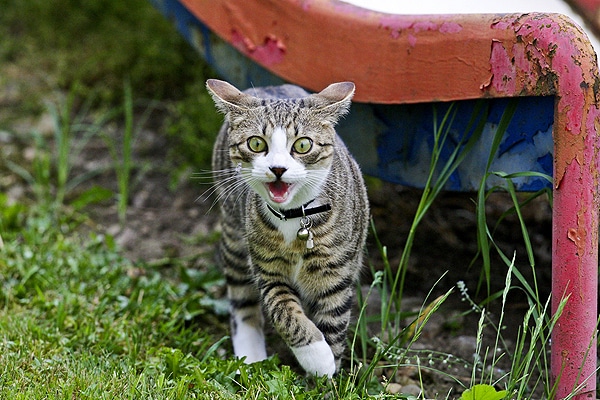
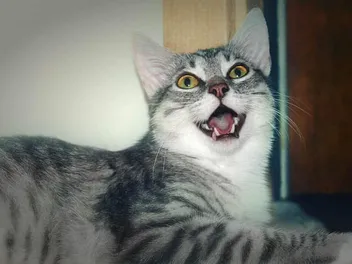
If your cat is sitting or standing in a certain spot with their mouth just hanging open for a few seconds, they could just be sniffing. Unlike humans, cats possess a special sensory tool called the vomeronasal or Jacobson's organ in the roof of their mouth. Their Jacobson's organ allows them to take in more scents than they could with their nose alone. When you see your cat staring ahead with their mouth slightly parted, they're not crazy. They're just using their Jacobson's organ. This behavior should only last a few seconds at a time, so if your cat has their mouth open for longer and appears to be breathing through their mouth, you should contact a veterinarian as soon as possible as it may be a signs of breathing difficulties.
3. Stress
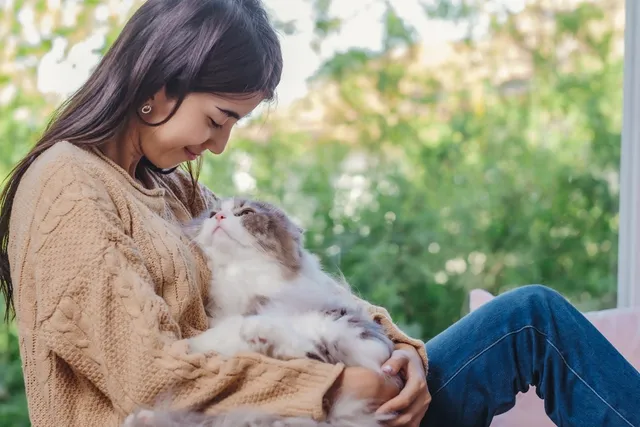
Cats get anxious—a lot—because change stresses them out. More serious life transitions, such as moving to a new home or adopting another pet, can make them feel especially shaken. Too much stress too often can take a toll on their overall health. It's important to spend extra time with your cat during these seasons of life to encourage them to feel stable, loved, and wanted.
4. Feline Lower Urinary Tract Disease (FLUTD) or Other Illness

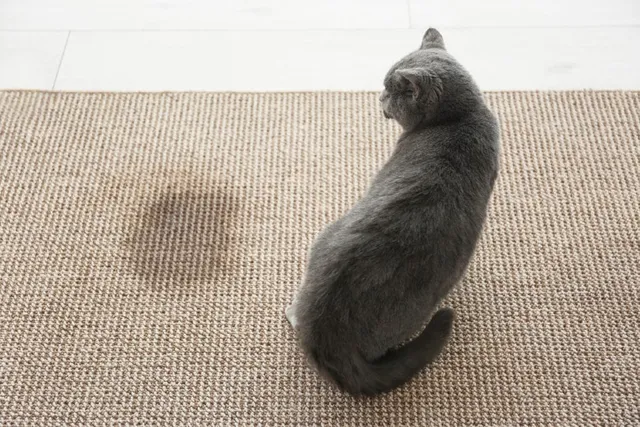
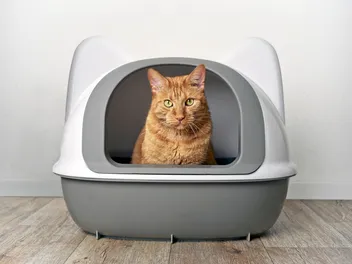
FLUTD is a general term for a range of conditions that affect the bladder and urethra of cats. These can range from stress induced cystitis, to an emergency blocked urethra. If your cat is having trouble urinating or has suddenly started urinating outside of their litter box, take them to the vet to figure out what's wrong. The solution could be as simple as reducing the stress levels in the house and giving them prescribed medication, but more involved lifestyle changes might be necessary if your cat has a serious condition.
Other illnesses can also cause your cat to act weird, but signs of other illnesses can vary depending on the illness. Cats can hide illnesses really well, but if your cat seems to be in pain or distress, is acting more lethargic than usual, is vomiting or has diarrhea, or just seems off in any way, contact a vet for advice.
5. They’re in Heat
If you have an unaltered female cat over 4 months old, congratulations: you probably have a heat monster on your hands. They may not breathe fire, but a cat in heat may start acting weird. Signs of a cat going into heat include loud yowling, spraying pee, extending their tail upwards in a suggestive pose, and rubbing their body against you and the furniture. This phase lasts for about 2 weeks in female cats, and then repeats a few weeks later during the mating season unless pregnancy occurs. Males don't have reproductive cycles, so they may display these behaviors 24/7, year-round. If you suspect this is why your cat is acting weird, contact a vet about spay or neuter surgery.
6. 6. Overstimulation

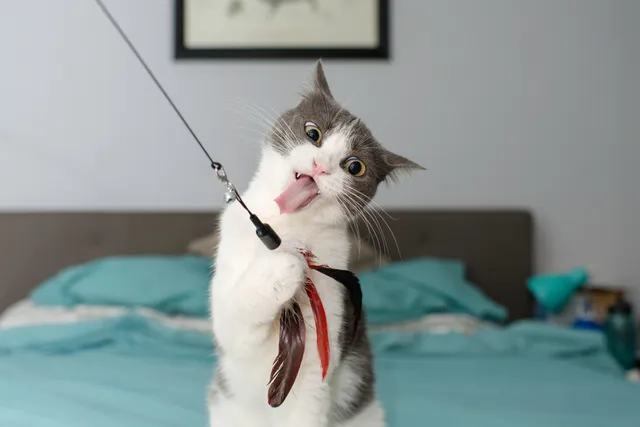
An overly excited cat may literally bounce off the walls. A vigorous cat fight, a huff of catnip, or an exquisite new cardboard box from your Amazon order can easily put them over the edge. Unless your cat is putting themselves into danger or is injured, it’s best to let them calm down on their own.
7. Seizure
Cats may shake their head on occasion, but if they're having a seizure, they will usually shake and twitch involuntarily and this can involve the whole body. They may also drool and lose bowel and bladder control. Before and after seizures cats also have a period of time when their behavior is different, they can hide away or seek out attention and may be lethargic and not themselves. Call a vet immediately if you believe your cat is having a seizure. In the meantime, set your cat on the ground if they're not already so they don't injure themselves by accidentally falling, and it can help your vet if you take a video of the episode.
8. Fleas

If your cat is voluntarily shaking and scratching more than usual, these tiny parasites might be to blame. These small creatures can wreak a lot of havoc, passing on tapeworms to your cat and even causing anemia due to the loss of blood in severe cases. If you suspect or know your cat has fleas, then you should contact a vet to ask about the best flea treatment for your cat. A single female flea can lay up to 40–50 eggs a day, so it's important to get on top of the problem as soon as possible and prevent recurrent infestations.
9. Ear Mites
A cat that has ear mites will frequently scratch or shake their head. Your cat's ears should normally be clean and dry, so seeing tiny dark specks that look like coffee grounds or excessive wax can be a sign of ear mites. It's a fairly common problem especially in kittens, but you'll want to take your cat to the vet to get their ears cleaned and for vet-prescribed drops to kill the mites.
10. Ear Infection

Ear infections with no underlying cause are rare in cats. Usually, allergies or prolonged ear mites are the root reasons for ear infections, regardless of whether they're fungal or bacterial. Most cat ear infections start in the outer ear canal, but it's important to take your cat to the vet for treatment before the infection has a chance to spread into the middle or inner ear where hearing damage can happen.
Conclusion
Cats are quirky, and some cat behaviors aren't anything serious and will resolve on their own. They're just a bonus of cat ownership! But sudden strange behaviors can be a cause for concern for caring pet parents. Always feel free to call a vet if you're worried about your cat due to weird or unusual behaviors, especially if they've stopped eating, drinking, or are having trouble urinating.
Sources
Featured Image Credit: Julia Cherk, Shutterstock
Expert cat care, straight to your inbox
News, insights, and useful advice, delivered to you.

No spam — unsubscribe anytime.
By signing up, you agree to our Terms & Conditions and Privacy & Cookies Policy.
How useful was this post?
Click a star to rate. You can leave written feedback afterwards. (We read all feedback.)
Brooke Norris is a freelance writer who lives with three cats and a dog. She has a B.S. in Media Studies from the University of North Georgia. Booke loves storytelling and spending time with her pets at their house in New Orleans, Louisiana. In her free time, she enjoys gardening, cooking, and brewing coffee.