Cat Ear Mites vs Earwax: Vet-Reviewed Ways to Tell the Difference


In this article
Earwax is entirely normal. Ear mites, on the other hand—not so much. If your cat has ear mites, they will require veterinary care. While ear mites aren’t often serious, they can cause extreme itching, discomfort, and even skin lesions if they aren’t dealt with promptly.
Sometimes, it is difficult to tell the difference between ear mites and earwax when it comes to your feline. Luckily, there are a few differences between these two scenarios. There is no reason to take your cat to the vet for a small amount of earwax, but ear mites are different.
In this article, we’ll help you tell the difference between these two issues. You don’t want to take your cat to the vet unnecessarily, but you don’t want to ignore health problems either. Remember that, if in doubt, you should always get your cat checked sooner rather than later!

Overview of Cat Ear Mites

Ear mites (Otodectes cynotis) are tiny parasites that live in an animal’s ear canal, including cats. They are widespread in sick cats, kittens, and those with compromised immune systems. However, ear mites can also occur in otherwise healthy adult cats.
Ear mites are highly contagious, and they can jump from dogs to cats. However, they are not very common in people.
Signs
The naked eye can barely see ear mites. They are so small that only a microscope can pick them up clearly. Just by looking into your cat’s ear, you might be able to see tiny whitish dots that move away from the light. However, your cat’s other signs will be more helpful to determine if your cat has ear mites.
Here are some of the most common ear mite signs:
Overview of Earwax

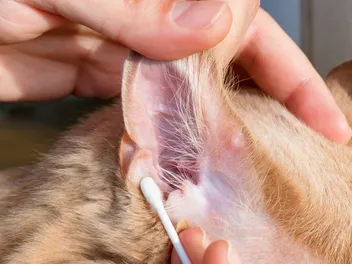
Cats do not usually have a lot of earwax in their ears. If a cat has a lot of earwax, it may be a sign of an underlying problem, so it is recommended to speak with a vet. This is especially true if the earwax is smelly. Yeast and bacterial infections will cause an increase in earwax, for instance.
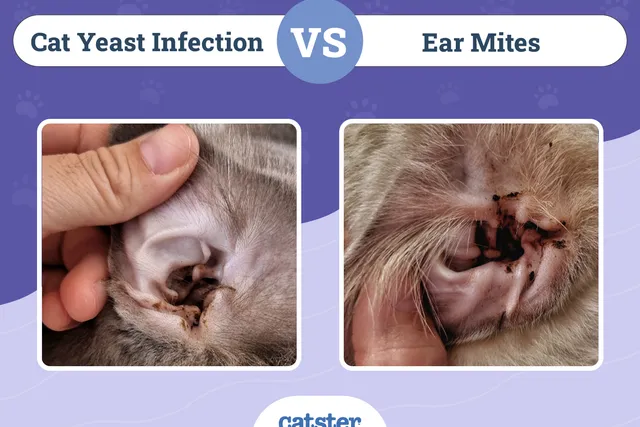
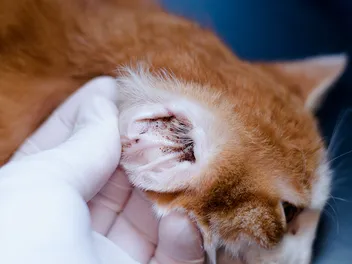
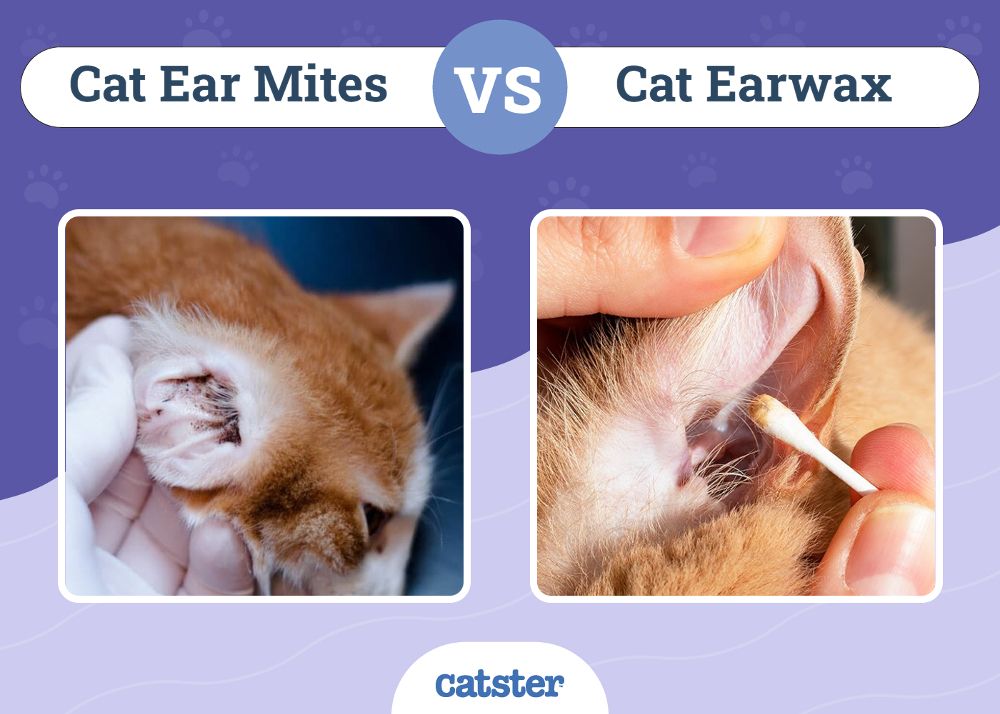
Normal ear appearance includes a minimal or no amount of earwax and pale pink skin. If the earwax is abundant or smelly, it is a sign of an underlying problem. It is essential to note that earwax and ear mites are not necessarily exclusive. Increased dark and dry ear discharge is a sign of ear mites. Therefore, if your cat has a lot of earwax and they are scratching, there is a good chance that they have an ear mite infestation.

- Gentle Care For All Pets - Infused with moisturizing hypoallergenic ingredients & enriched with cucumber & aloe fragrance for healthier fur, coat & skin, the ultimate dog and cat cleaning wipes
- Deep Cleans From Head to Tail - Tackle the toughest dirt & messes with our extra strong pet wipes for dogs, cats and other pets while being gentle on sensitive areas like the face, ears, butt & paws
- Freshness On The Go - Each dog grooming wipes pack contains 30 counts of premium dog wipes that leaves your pets fresh. Packed in resealable packaging, keeping the cat wipes fresh & ready whenever
Cleaning your cat's sensitive areas can be tricky, but high-quality wet wipes can make it much easier. Try a natural, hypoallergenic option like Hepper's Wash Wipes, made with moisturizing ingredients and specifically designed to gently clean your cat's skin and fur. These wipes are as convenient as they are effective!
At Catster, we’ve admired Hepper for many years and decided to take a controlling ownership interest so that we could benefit from the outstanding designs of this cool cat company!
How to Tell the Difference
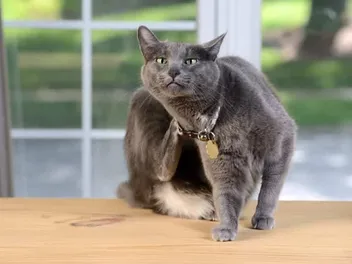
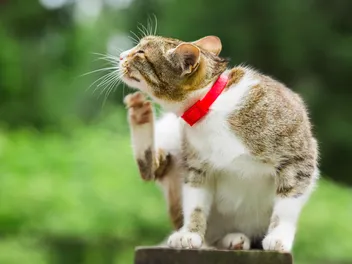
Ear problems leading to increased earwax typically cause various degrees of itchiness, ear discomfort, redness, inflammation, and head shaking. If your cat shows any of these signs, you should consult with your vet because an underlying ear problem is extremely likely.
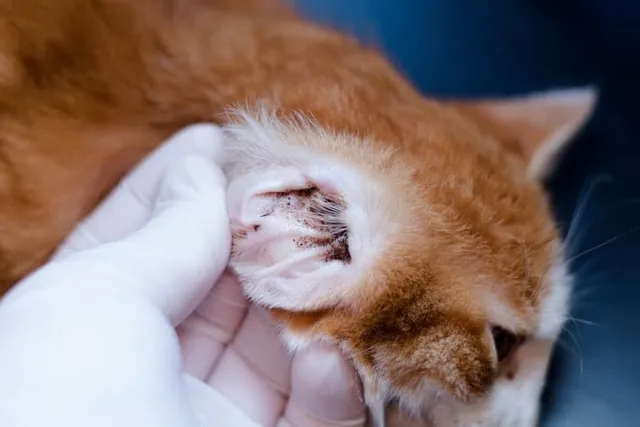
Cats with ear mites will usually have dark and dry ear discharge that can resemble coffee grounds. However, this can be difficult to figure out if you’ve never paid much attention to your cat’s ears before. What exactly darker means can be confusing. Cats with ear mites might have a different odor coming from their ear; however, this is not a typical sign.
Bacterial or yeast infections do generally cause an odor. You will need veterinary attention to determine precisely what is wrong with your cat’s ear, but ear odor does indicate that something is wrong.
Usually, the ear mites lead to damage in the ear canal and ear flap after they’ve been there for a while. Severe itchiness and discomfort appear sooner, the damage to the skin is a consequence of the scratching. Bacterial and yeast infections are also itchy and uncomfortable.
Treating Ear Mites

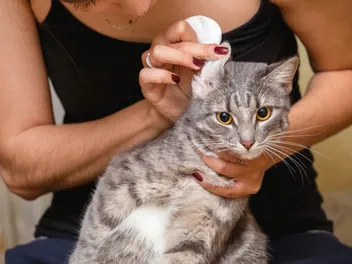
If you notice any signs that your feline has ear discharge or uncomfortable ears, you should seek veterinary attention. Your vet can quickly get a swab sample of your cat’s ears and look at it under a microscope, which will help them determine the underlying problem.
Bacterial infections often require antibiotics. However, the medication for treating ear mites or fungal infections is different. That is why your vet needs to determine the correct cause. Otherwise, the treatment could be ineffective. For ear mites, an anti-parasitic formulation will be administered. This formula is straightforward to administer at the vet’s office and quickly gets rid of these bugs.
Other Types of Mites
There are other types of skin mites your cat may get as well. Feline scabies (Notoedric mange), walking dandruff (Cheyletiellosis), and feline demodicosis are the most common. These produce slightly different signs depending on the body part affected. Your vet can treat these mites, but it requires an accurate diagnosis. The treatment consists of antiparasitic medication and, sometimes, medication to treat the itchiness and secondary infections.
These mites are generally very contagious. Because of this, it is essential to seek veterinary care right away.
Conclusion
Ear mites and earwax often come hand-in-hand. Ear mites will cause an increase and change in your cat’s earwax due to the blood, debris, and skin issues caused by the ear mites. Typically, a cat with an infection or ear mites will have uncomfortable and itchy ears with earwax. They may look a bit like coffee grounds.
Therefore, you shouldn’t necessarily be trying to tell the difference between ear mites and earwax. You should always consult your vet since an untreated ear infection will cause major problems for your cat that may be avoidable.
Related Reads:
Featured Image Credit: (L) Todorean-Gabriel, Shutterstock | (R) Yaya Photos, Shutterstock
Expert cat care, straight to your inbox
News, insights, and useful advice, delivered to you.

No spam — unsubscribe anytime.
By signing up, you agree to our Terms & Conditions and Privacy & Cookies Policy.
How useful was this post?
Click a star to rate. You can leave written feedback afterwards. (We read all feedback.)
Kristin is passionate about helping pet parents create a fulfilling life with their pets by informing them on the latest scientific research and helping them choose the best products for their pets. She currently resides in Tennessee with four dogs, three cats, two fish, and a lizard, though she has dreams of owning chickens one-day!