Why Does My Cat Have Bumps on Their Skin? 8 Common Reasons



In this article
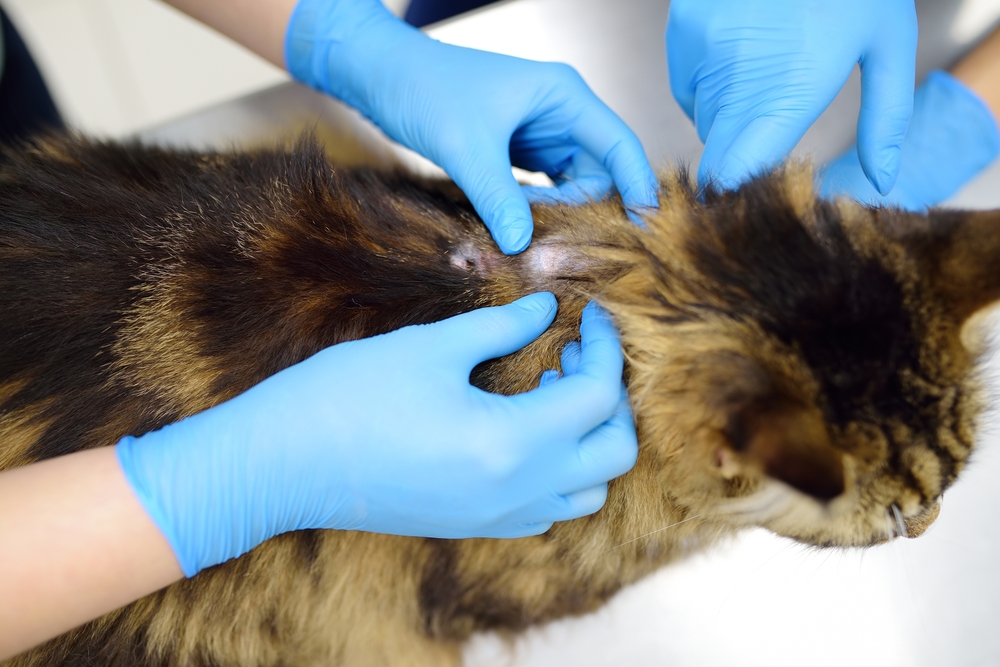
It can be scary to notice a lump on your cat’s skin. Immediately, your mind rushed to the worst-case scenario—but don’t jump to conclusions yet! There are plenty of reasons that your cat may have a bump on their skin unrelated to cancer.
In this article, we'll review some common reasons your cat may have lumps on their skin. The categories we'll cover include trauma-related bumps, tumor-related bumps, and bumps caused by bugs, parasites, or fungi.

The 8 Reasons Why Cats Can Have Bumps on Their Skin
Trauma-Related
Bumps on your cat’s skin can be due to a previous physical trauma that occurred. If your cat got into a fight recently, it may be the cause of the strange bump on their skin. Take a look at some of the possibilities and see if they fit your cat’s circumstances.
1. Injury
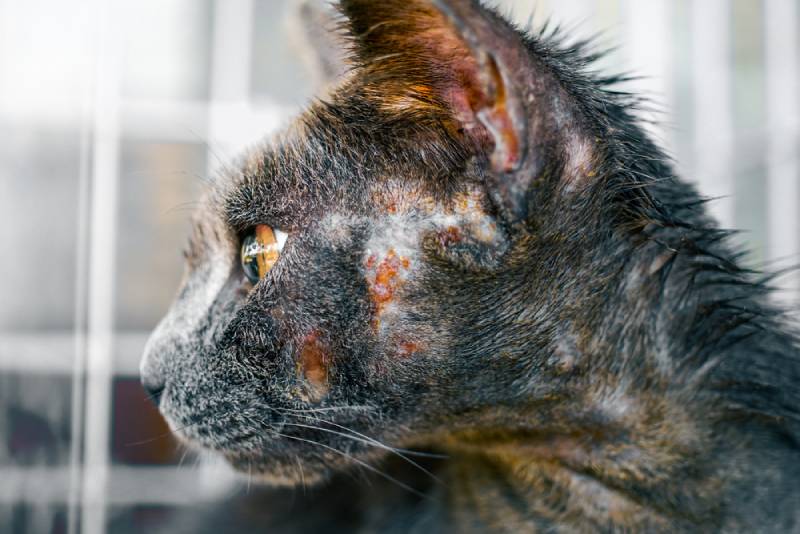
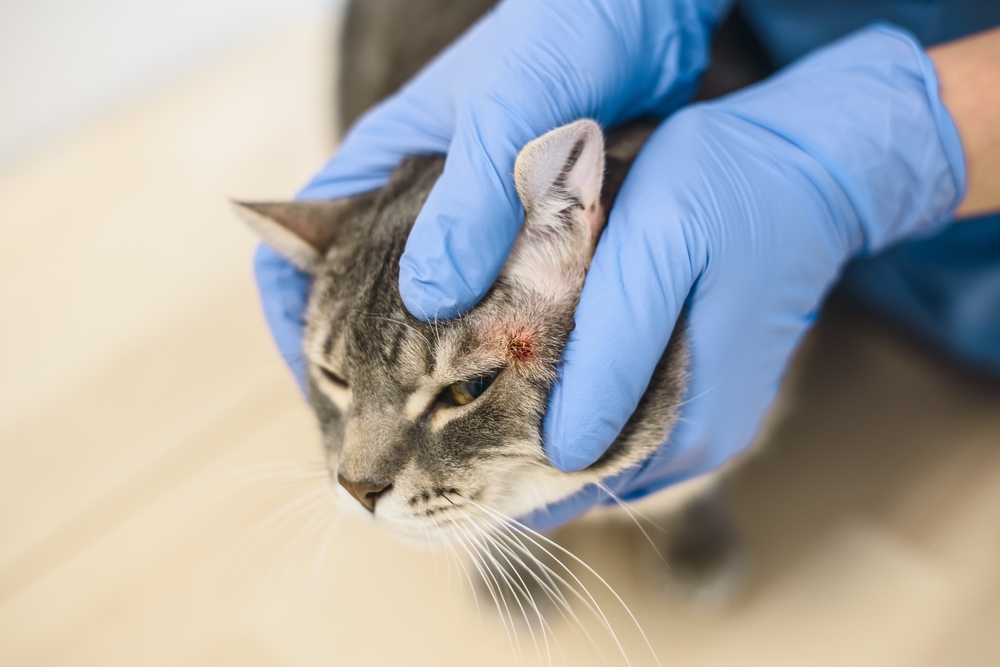
An injury may lead to lumps on your cat’s skin.1 This can include swollen wounds, blisters, sores, and more. Cats often hide their pain, so it may be difficult to tell whether they are injured by their behavior alone. If an injury is small and difficult to see past the fur, you may not notice it.
However, if the injury becomes infected, there may be more clear signs. Signs that your cat has an infected injury include swelling, redness, warmth, and discharge. Depending on the nature and severity of the injury, a veterinarian may recommend different treatment approaches.
If you notice a wound on your cat’s skin, it is best to take your cat to the vet so that the vet can determine the seriousness of the matter and provide proper care.
2. Abscesses

Abscesses are related to injuries because they often cause them. They typically occur due to a bite or other puncture wound.2 Signs that your cat may have an abscess include swelling, fever, pain, and discharge. You may notice them limping if the abscess is on one of your cat’s legs.
Treatment will depend on the severity of the abscess and its location. The vet may sedate your cat for minor surgery to lance the abscess and remove the pus. Antibiotics and anti-inflammatories are often prescribed, and the vet may advise you on how to clean the wound at home.
Tumors
Unfortunately, tumors can also cause bumps on your cat’s skin. However, not all tumors are cancerous. Some tumors are benign, meaning they are not invasive and do not spread to other areas of the body. Let's take a look at some of the different types of tumors that can cause bumps on your cat’s skin.
3. Fatty Tumors or Lipomas
Fatty tumors, or lipomas, are benign tumors.3 They are generally soft lumps under the skin that can be freely moved. When compared to dogs, these tumors are relatively rare in cats. The lumps are noncancerous but still need diagnostic testing to confirm that they are benign fatty lumps.
Usually, lipomas do not cause your cat pain, but that is not always the case. They tend to grow so a veterinarian may only recommend careful monitoring of the lipoma, but there are instances where surgical removal is necessary.
4. Mast Cells Tumors
Mast cells are a type of white blood cells that are present throughout your cat’s body. A mast cell tumor is formed when the cells rapidly replicate and divide. On the skin, they tend to appear as single, hairless lumps. Mast cell tumors are the second most common type of skin tumor in cats.4
The tumors can develop rapidly or over a long period and can be benign or malignant. Mast cell tumors on the skin are often benign, while mast cell tumors on other body parts tend to be malignant. Surgical removal is the most common treatment method when mast cell tumors develop on the skin.
5. Fibrosarcoma
Fibrosarcomas are tumors of connective tissue that can be highly invasive locally but are generally slow to spread to other organs. These lumps tend to grow slowly but vaccination associated fibrosarcomas can be more aggressive. Fibrosarcomas that arise from under the skin’s surface often feel bumpy, and the tumors tend to be fixed and not freely movable when palpated.
Surgical removal by a veterinary specialist is usually advisable since it can be difficult to determine the edges of the tumor, making complete removal difficult.
Multiple surgeries and radiation therapy may be necessary. The prognosis heavily depends on the tumor's severity, growth location, and treatment. Without aggressive treatment, some tumors will return.
Bugs, Parasites, or Fungi
Injuries and illnesses are not the only possible causes of lumps on your cat’s skin. Bug bites and stings, parasites, and fungal infections may also lead to strange bumps.
6. Ticks

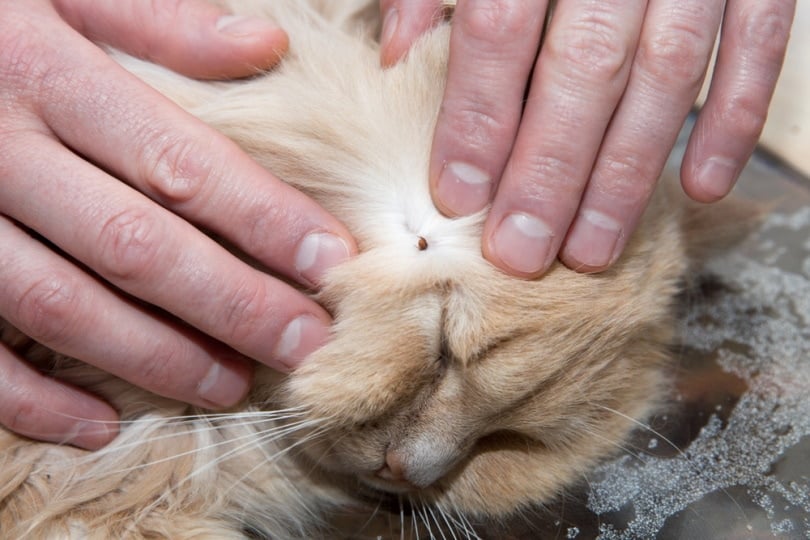
Ticks are pesky parasites that can bother our cats if they go outside. If your cat has a strange lump on their skin, a tick could be the cause. Cats self-groom regularly, so you will not likely find more than one or two ticks on their body. If you find several ticks, it can indicate a more serious illness since illnesses can make cats groom less.
If you spot a tick on your cat’s skin, you can take them to the vet or remove it yourself if you have the right equipment and know how to do it correctly. It is best to remove ticks as soon as possible since they can transmit certain diseases such as Lyme disease.
7. Bug Bites or Stings
Like injuries, a previous bug bite or sting on your cat’s skin can leave a bump behind. If your cat has been bitten or stung by an insect, try to identify which insect left the lump and avoid letting your cat lick or scratch the area.
Some signs that your cat is having a severe reaction to a bug bite or sting include swelling, hives, drooling, and difficulty breathing. Contact a veterinarian immediately if any of these signs occur or if you are ever uncertain about the severity of the bug bite or sting.
8. Ringworm
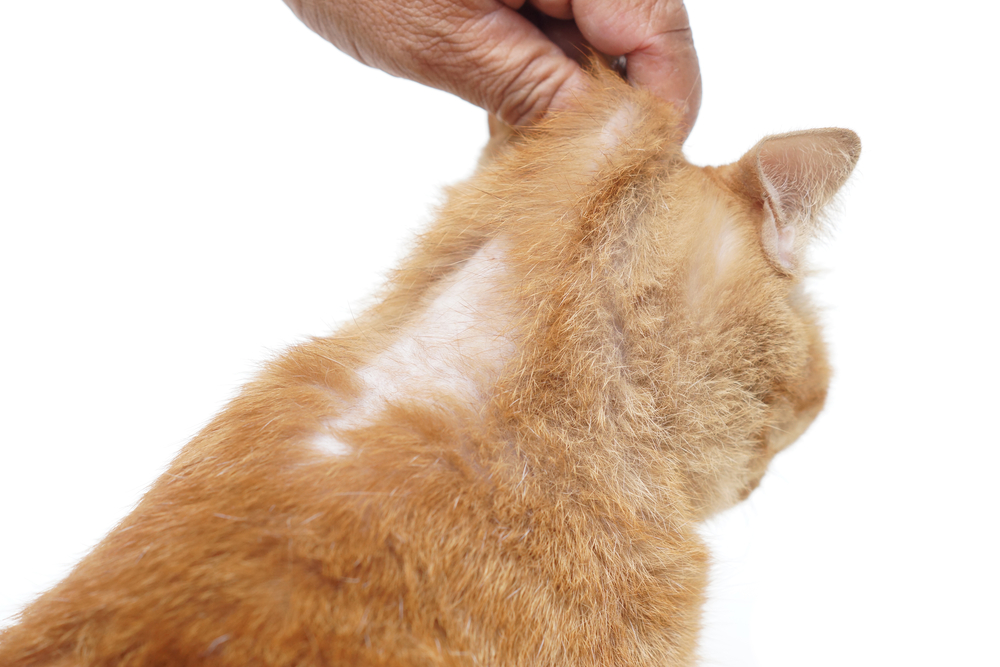
Ringworm is a fungal infection that impacts your cat’s skin. It causes hair loss and scaly skin, which is sometimes red and raised and in a circular pattern. Ringworm is a zoonotic disease that can be passed from your cat to you, so be careful handling any cat that may have ringworm.
If you suspect your cat may have ringworm, it is important to get them to a veterinarian for proper diagnosis and treatment since it can look similar to other skin diseases. Depending on the case, a veterinarian may recommend oral or topical treatments.
Conclusion
There are several common reasons that your cat’s skin may have developed odd lumps or bumps. Trauma or tumors may be the cause, but bug bites, parasites, or infections can also affect your cat’s skin. In any case, consult a vet about any new or odd lumps you notice on your cat’s skin. If there is a possibility that your cat may be suffering from something serious, it will be essential to diagnose the condition and provide treatment early.
Featured Image Credit: Healthy Definition, Shutterstock

Expert cat care, straight to your inbox
Vet-reviewed advice, behavior tips, and the best of Catster. Free, and you can unsubscribe anytime.
By signing up, you agree to our Terms & Conditions and Privacy & Cookies Policy.
Cats are Jordyn’s passion. Whenever she has the opportunity she loves to learn about animals and share her knowledge with everyone. She is devoted to her sassy tabby cat named Jack and works hard to buy him his favorite treats and toys. Discovering new ways to better care for her cat is always on her to-do list, and she is eager to help pet parents everywhere. In Jordyn's spare time, she loves to write, read, and take long walks. She has a creative spirit, which often helps her to come up with funny cat names.
Join the conversation
Ask a question, share your story, or send private feedback.