My Cat Has a Lump on Their Back Near The Spine, Is It Dangerous? Vet Approved Advice

In this article
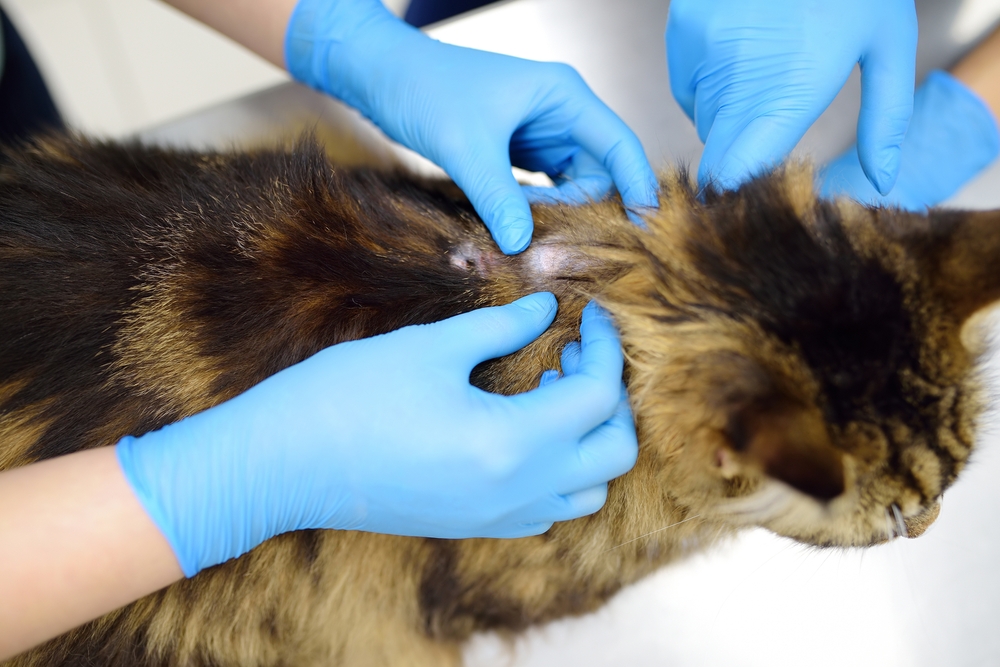
Every pet parent is familiar with the alarm of discovering a sudden change in their pet. It can be very scary to find a growth in their body, and our brains immediately jump to cancer since that's a fairly common reason for new lumps. However, there can be several reasons that a cat can have a lump on it's back near the spine, many of which are benign. You still want to get your cat checked out by a veterinarian because some conditions can have terrible consequences if you don't deal with them quickly.

The 5 Causes Why Your Cat Has a Lump on Their Back Near the Spine
1. Tumors
Unfortunately, cancer is one of the most common diagnoses when your cat has lumps on their back, especially if the lump is hard. However, not all tumors are malignant or cancerous, and your cat may have a positive prognosis depending on the type of tumor and how far it progressed before it was discovered.
In older studies, about 85% of cats with spinal lymphoma tested positive for feline leukemia, though that link is weaker now that FeLV is less common. The FeLV vaccine is designed to protect your cat against feline leukemia, and it's recommended for all kittens and for adult cats at risk of exposure. Even so, the FeLV vaccine isn't 100% effective.
Cats can also get lipomas: benign, fatty growths near the spine or elsewhere in the body. Vets often take a fine-needle biopsy, and if the diagnosis is confirmed, treatment can range from surgical removal to monitoring the lump.

2. Injection Reaction
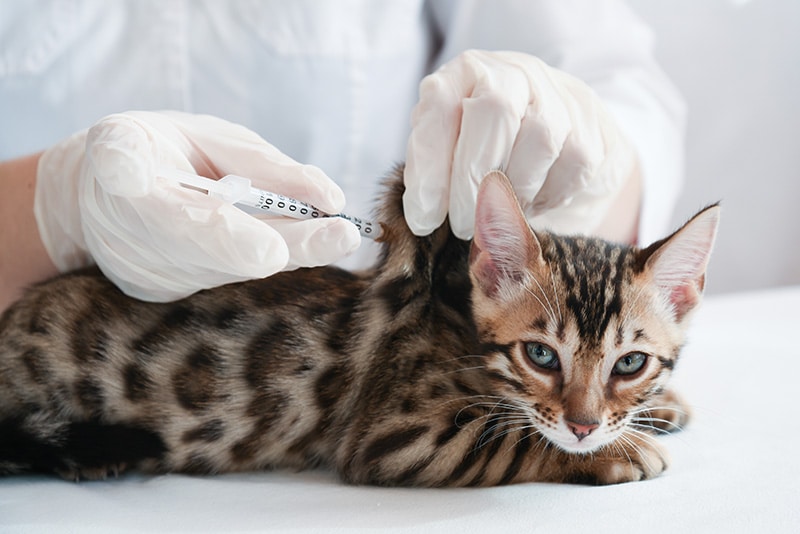
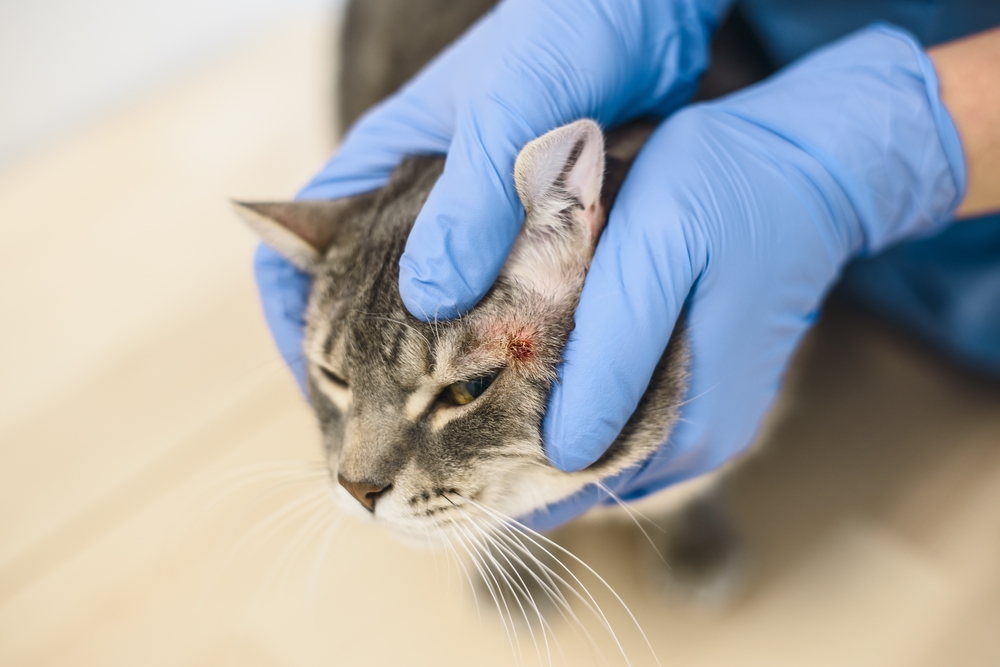
If your cat has recently been to the vet and received an injection, they may develop a lump near the injection site. This can take days or weeks to appear and take weeks to resolve. Cats are also prone to feline injection site sarcoma (FISS), a cancerous growth triggered by injections. Research into the exact cause of FISS is ongoing, but certain vaccines, including those for rabies and FeLV, seem to carry a higher risk.
FISS are usually highly aggressive, and surgical removal with wide margins is needed. Because the loose skin over the withers — the scruff — is an easy and more comfortable location for injections, many of these sarcomas form over the spine, making surgical removal difficult. For this reason, vets are now advised to inject these vaccines away from the scruff, preferably over a limb, where amputation may be used to save the cat’s life.
The risk of FISS is statistically low, but it’s a good idea to talk to your vet about your cat’s specific risk factors to make sure they are only receiving the vaccines they need.
3. Infection (Abscess)
A lump may form from an injury that has become infected, with a pocket of pus accumulating beneath the skin. These are particularly common in cats that fight. Depending on the type, location, and severity of infection, your vet may recommend draining the abscess or prescribe antibiotics. Any injury should be treated as soon as possible to prevent infection, especially those near the spine.

4. Injury
Your cat could have a lump on their back due to an injury, such as falling or being hit by a car. If you have an older cat, you might need to evaluate their living space to eliminate the possibility of them jumping to dangerous heights and injuring themselves, such as an inviting bookshelf leading to the precarious peak of a cabinet.
5. Congenital Disorders
Although somewhat rare, there are a range of genetic disorders that your cat may have been born with that can cause spinal issues. Signs of a congenital disorder generally appear in kittens and young cats, usually before 2 years old, but will require a diagnosis by a veterinarian.


When Should You Take Your Cat to the Vet for a Lump Near Their Spine
While you don't know if the lump is life-threatening, you should always take your cat to the vet when you discover any issues or lumps near their spine. The central nervous system is crucial to your cat's health, and an early diagnosis lends to a more hopeful prognosis.
When you visit your vet, take all of your cat's medical records and tell them about any other unusual symptoms your cat may have been experiencing, including other mobility issues. Your veterinarian will likely conduct extensive diagnostic testing, such as running blood tests and scans, to rule out cancer and other serious diseases.
Conclusion
If you’ve noticed a lump on your cat’s back near the spine, it may be caused by anything from injury to a life-threatening illness. You should always take your cat to the vet to be evaluated as quickly as possible. The sooner they reach a diagnosis, the sooner you can put your cat on the road to recovery, or at least make them comfortable for as long as possible.
Unfortunately, cancer is a possible cause, but certainly not the only one. Early diagnosis and treatment will always give the best results, so if you’ve noticed a lump or swelling on your cat’s back, don’t just ‘wait and see’. Get your vet to check it ASAP.
See also:
Featured Image Credit: Maria Sbytova, Shutterstock
Expert cat care, straight to your inbox
Vet-reviewed advice, behavior tips, and the best of Catster. Free, and you can unsubscribe anytime.
By signing up, you agree to our Terms & Conditions and Privacy & Cookies Policy.
Brooke Norris is a freelance writer who lives with three cats and a dog. She has a B.S. in Media Studies from the University of North Georgia. Booke loves storytelling and spending time with her pets at their house in New Orleans, Louisiana. In her free time, she enjoys gardening, cooking, and brewing coffee.
Join the conversation
Ask a question, share your story, or send private feedback.