Paws and Effect: The Reasons Behind a Cat’s Sudden Aggression

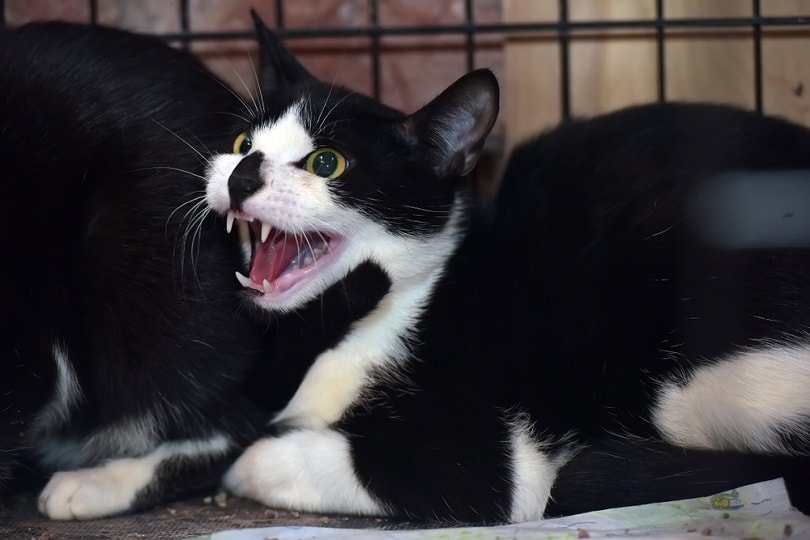
We all know that feline behavior can be somewhat unpredictable. Just when you think you’ve got it all figured out, a cat is already three steps ahead of you. But there’s a big difference between normal feline quirks and uncharacteristic aggression.
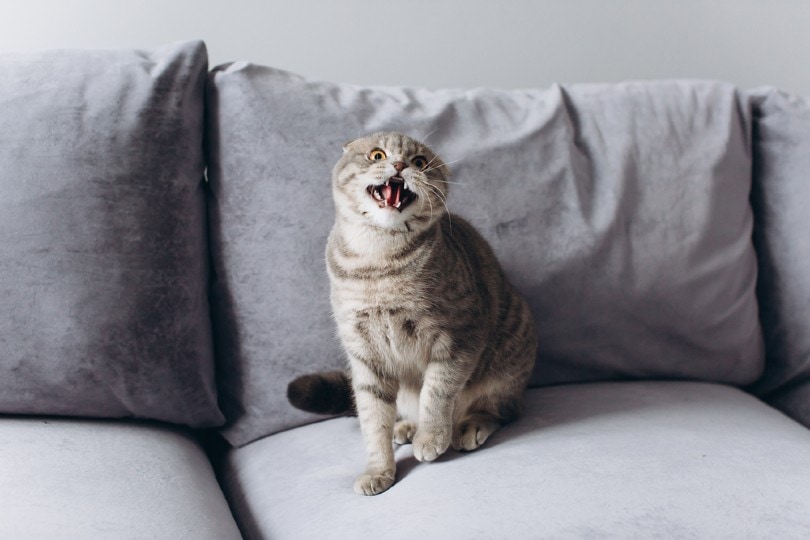
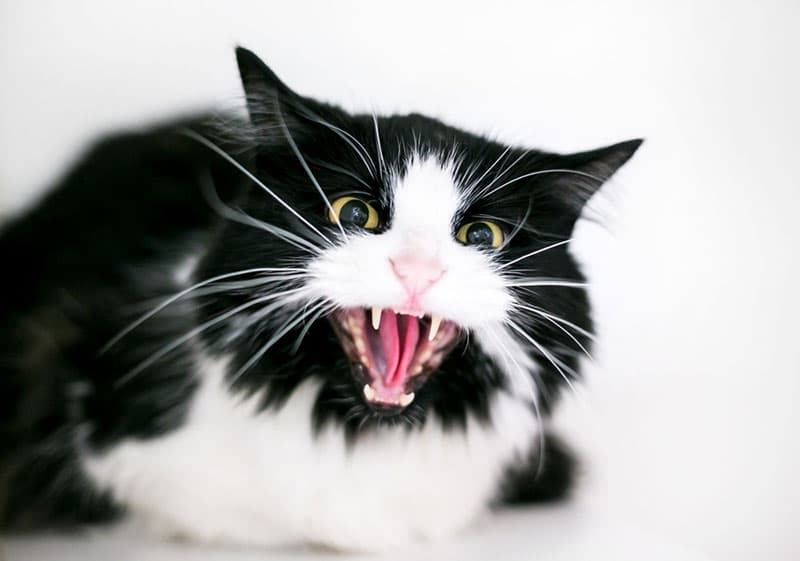
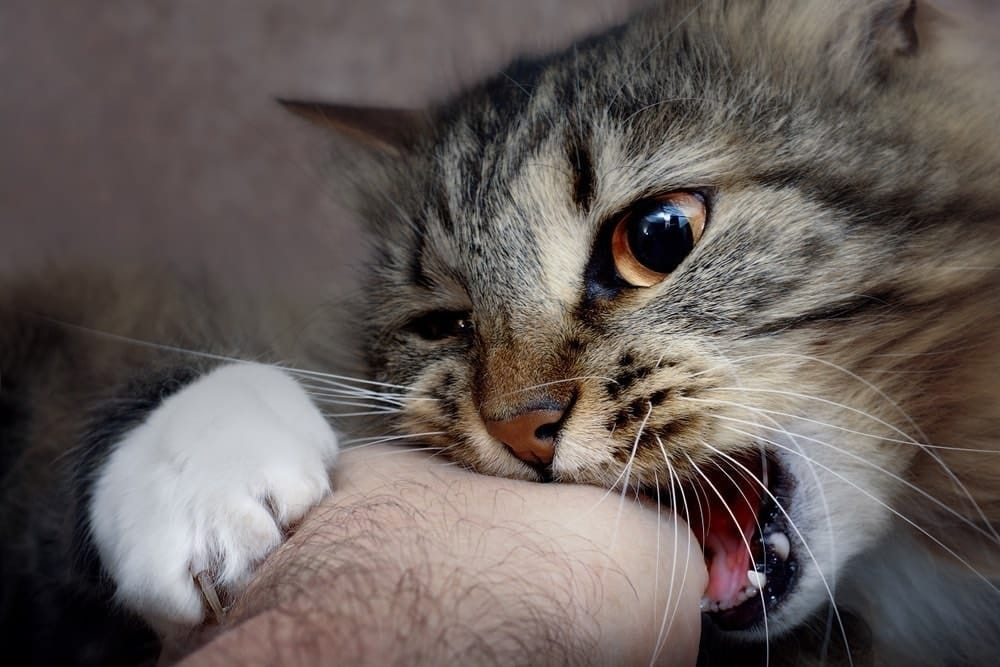
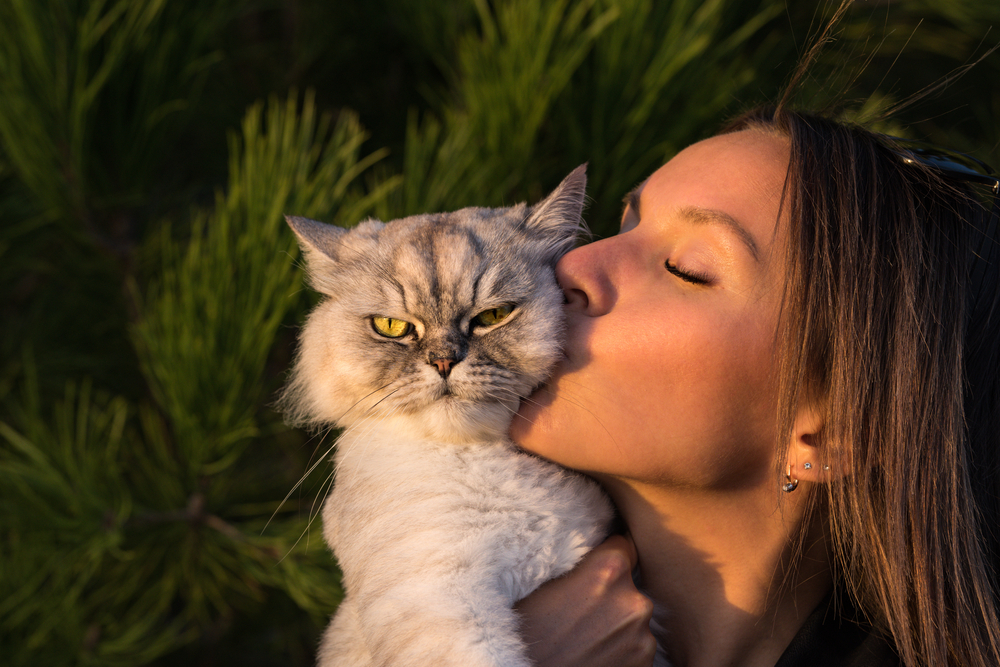
A cat that has always been gentle and suddenly starts lashing out may be reacting to something in its environment, changing hormones, pain, or a health problem. Aggression has many causes, from fear and frustration to competition with other cats. Understanding what has changed can help identify the cause and determine the best way to respond.
Competition And Heat Cycles
Unneutered male cats may fight over access to females, particularly when several cats are competing for mates in the same area. When a female cat is in heat, she may attract multiple males, making fights more likely.
Female cats can also behave differently during heat cycles. Many become unusually affectionate and demanding of attention, while others may become irritable or aggressive. Hormonal changes can also affect how they interact with other cats, particularly other females.
Spaying/neutering is an important aspect of taking care of a cat. Not only does it help to minimize aggression and friction between cats, but it also prevents unwanted litters and helps reduce the risk of certain diseases.

Pain and Disease
Pain can make even a normally friendly cat lash out. A cat may react aggressively if someone touches a sore area or approaches when it is feeling unwell.
Urinary tract disease can make a cat pretty miserable, and males in particular are vulnerable to urinary blockages, which are extremely painful and can become life-threatening. A cat that is straining to urinate or unable to pass urine needs emergency veterinary attention.
Infections, injuries, arthritis, and cancer are often painful but difficult to recognize from the outside. If aggression appears suddenly or seems linked to discomfort, a veterinary examination is an important first step.
Fear And Stress
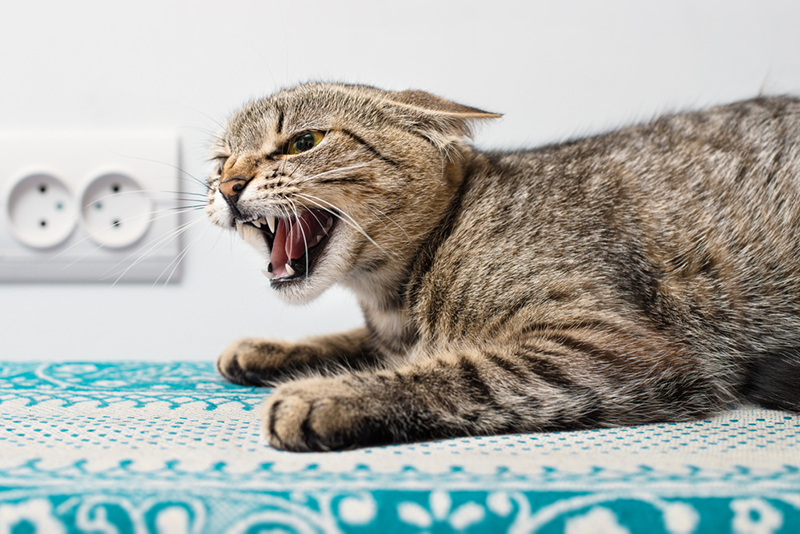
A frightened cat may respond aggressively when startled, even if it is usually relaxed and friendly. A sudden noise, an unfamiliar person, or another threatening experience can trigger a defensive reaction.
Ongoing stress can also contribute to aggression. Cats that feel unsafe in their surroundings may remain on edge and react defensively to people or animals around them.
Every cat should have access to a quiet, comfortable place where it can retreat without being disturbed. Giving a frightened cat space can help it feel more secure.

Play That Goes Too Far
Not every aggressive-looking interaction is driven by anger or fear. Play helps cats practise their hunting skills, and some become too rough when playing with people or other animals.
However, rough play should not be encouraged because biting and scratching can cause injuries. Rewarding gentle play and redirecting a cat toward appropriate toys can help it learn more acceptable ways to use its energy.
Territorial Behavior
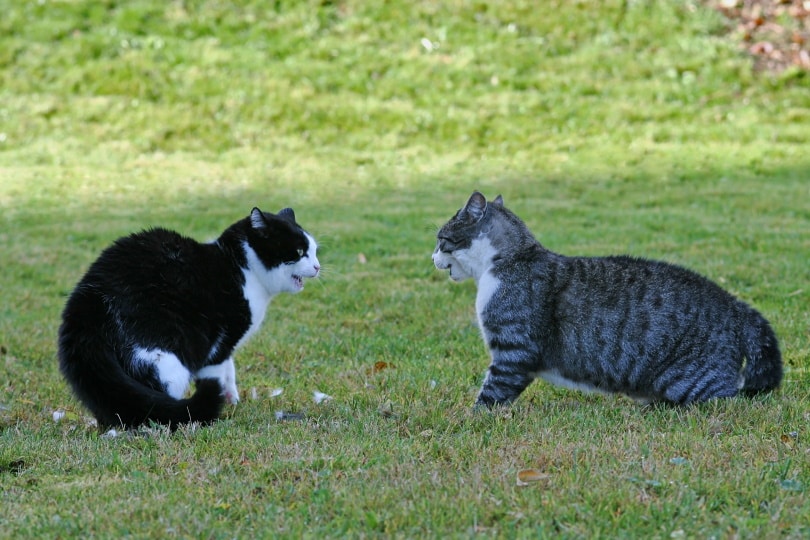
Cats can be protective of their territory, so the arrival of another animal may trigger aggression. The newcomer could be a new cat or dog in the household, or an outdoor cat that has started visiting the yard.
Sometimes, owners may not even realize another cat is nearby. Seeing or smelling an unfamiliar animal can leave a cat agitated, causing it to react to other pets or people.
Aggressive behavior plus inappropriate urination and scent-marking are not uncommon when a cat feels its territory is under threat.

Frustration Turned Outward
A cat that becomes frustrated by something it cannot reach may take that frustration out on another target. This is known as redirected aggression.
For example, a cat might become agitated after seeing another cat outside, then lash out at a person or pet nearby. The target may have done nothing wrong and simply been in the wrong place at the wrong time.
Giving an agitated cat time and space to calm down is safer than trying to handle it immediately.
Changes In The Household
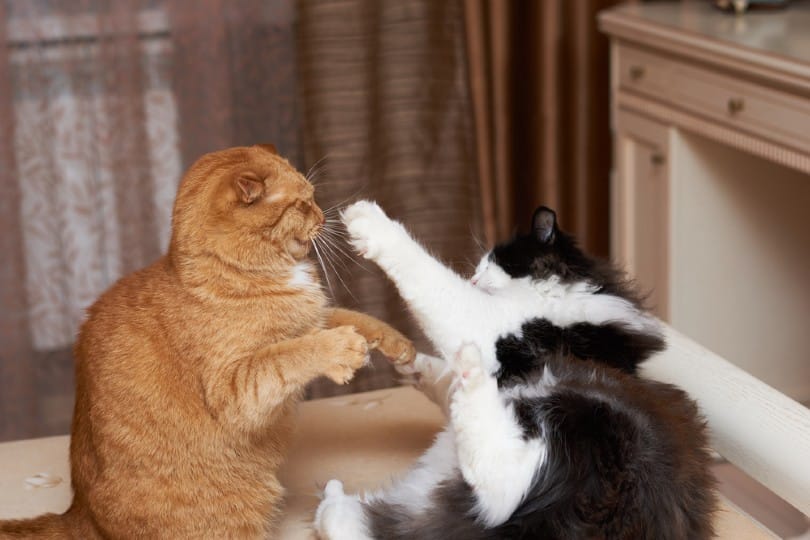
Cats living together usually have established social relationships, and introducing a new pet tends to upset the status quo. A certain amount of fighting and posturing is to be expected as the cats adjust to the change, but escalating aggression or bullying of one cat should be addressed.
Introducing a new animal gradually can help reduce conflict. Cats should have time to become familiar with each other without being forced into close contact before they are ready.
Petting That Turns Into Biting
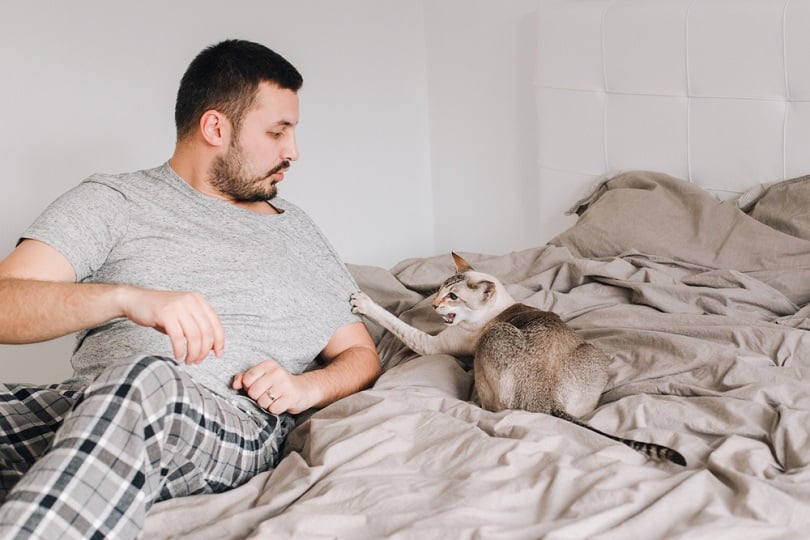
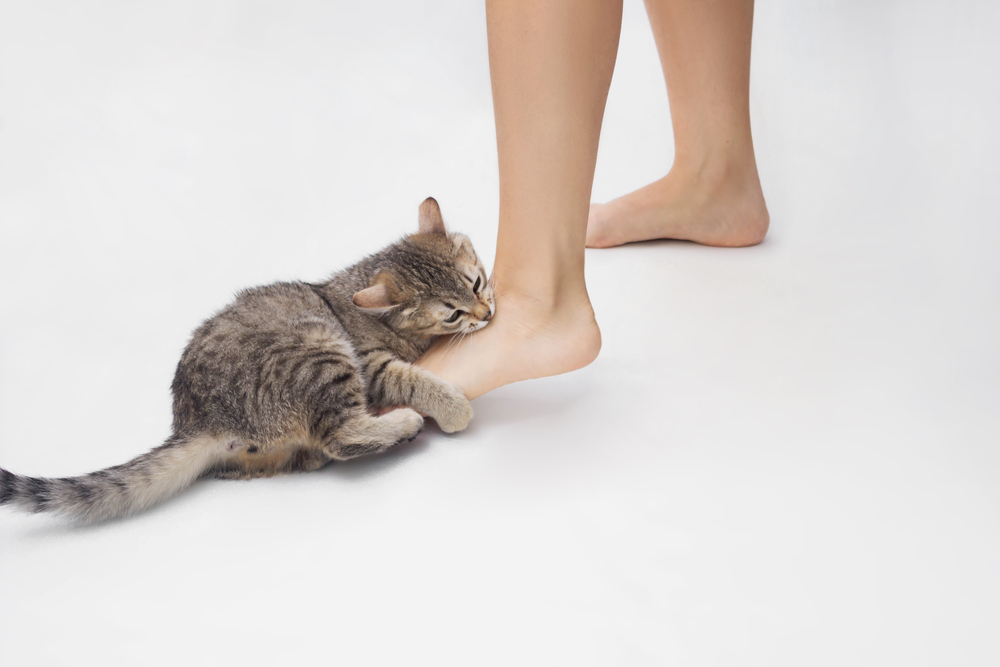
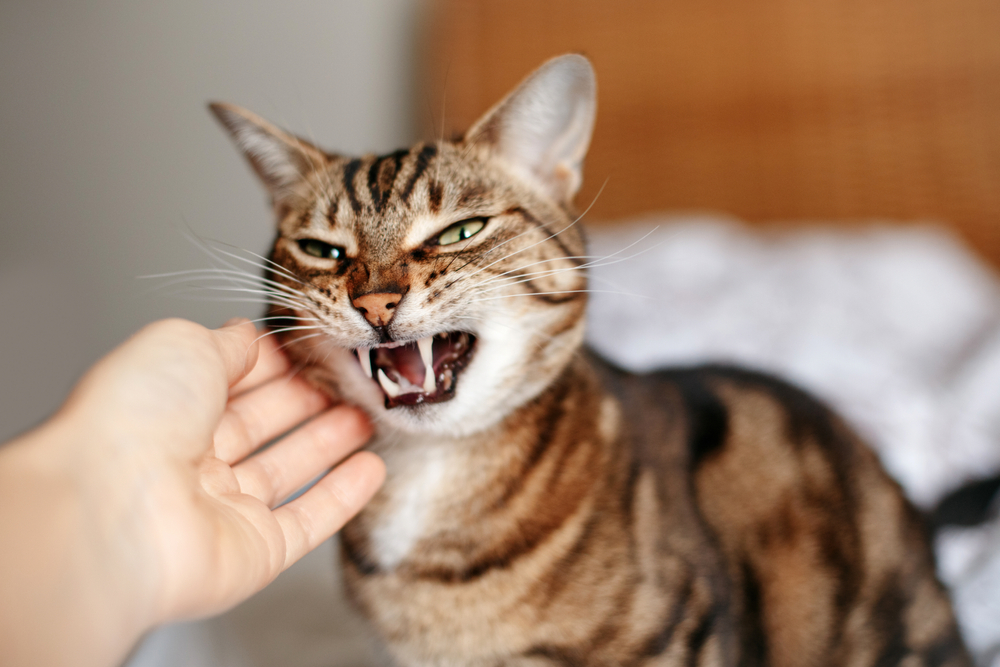
Some cats seem to enjoy attention but suddenly bite or scratch once petting begins. A cat may become overstimulated by touch, or it may simply want to be near a person without being handled.
Watch for signs of discomfort, such as flattened ears or a flicking tail. If a cat seems agitated, stop petting and give it space. Treats can reward calm interactions when the cat is comfortable.

Why It’s Important
Aggression can be difficult for a household to manage, but many causes can be addressed with patience and the right approach. Rewarding calm behavior, avoiding known triggers, and providing a safe place to retreat can all help.
The first step is to work out why the cat is behaving differently. If the aggression is sudden, it may be linked to pain or illness, so you should always consult a veterinarian before treating it as a behavioral issue. Once medical causes are excluded, look for changes – both indoors and outside the home – that might be affecting your cat.
Simple steps like providing extra hiding places, calming aids, and adapting handling techniques can go a long way to reducing feline aggression.
Featured Image Credit: Anna-Krivitskaya, Shutterstock
Did You Know?
- Our brand-new posts are rounded up and included in our weekly emails. Don't miss out on the latest - sign up for our newsletter below!
Expert cat care, straight to your inbox
Vet-reviewed advice, behavior tips, and the best of Catster. Free, and you can unsubscribe anytime.
By signing up, you agree to our Terms & Conditions and Privacy & Cookies Policy.
Dan has been working in the pet world for over 4 years covering cats, dogs, and all other pets in between. He loves helping pet parents keep their companions happy, healthy, and of course, totally spoiled! Originally from London, Dan now travels and works remotely, which unfortunately means no pets at home, but it gives him plenty of opportunities to fuss over other people's furry friends.
Join the conversation
Ask a question, share your story, or send private feedback.