Does My Cat Hate Me? Signs, Causes & What to Do About It (Vet-Verified)


In this article
Cats don’t really feel hatred, but they can be scared, irritated, stressed, anxious, or even in pain. And these states of mind can make it seem like your cat hates you based on your interpretation of your cat’s actions. Whether your cat avoids you or even attacks you when you get too close, there is likely a reason for it, and if you can identify the probable cause of this action, it might be possible to correct it.
Below, we look at some of the most likely causes of disdain and aggression, as well as the steps you can take to help repair your relationship.

Signs Your Cat Might Be “Upset” with You
Intrinsically, cats don’t feel “upset” with their owners in the way we get upset with other people, either. However, a cat may act somewhat differently if something is bothering them or if they feel threatened, agitated, or unwell. Most owners have a good feeling of their cats’ emotions through body language and the general state of the relationship. If the cat is acting out of character, not letting you pet them on the belly when they normally don’t mind, for example, this uncharacteristic behavior is a good sign something might be up.
It doesn’t mean your cat hates you, but it probably does mean that it might be worth identifying what is going on. Other signs to look for include:
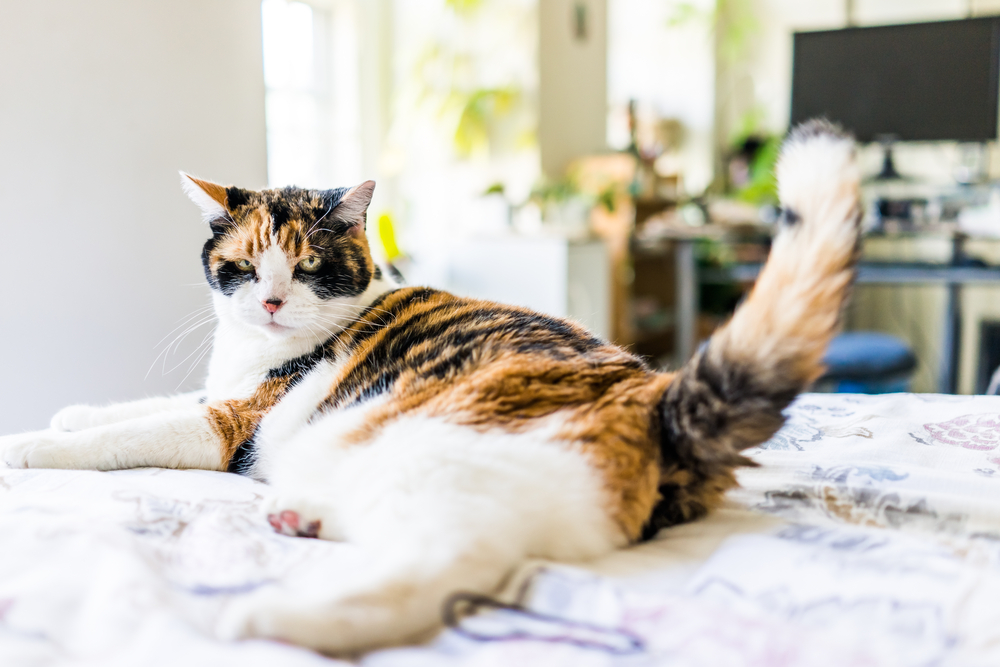
- Avoiding You – Some cats love their own space. They would rather spend half the day hiding amongst your clothes in the closet, rather than curled up on your lap. Other cats really enjoy human attention and lots of affection from their family. If your cat is suddenly avoiding you, and you find that you aren’t getting to spend as much time together, it could be a sign they are unwell—many cats instinctively try to hide away when in pain.
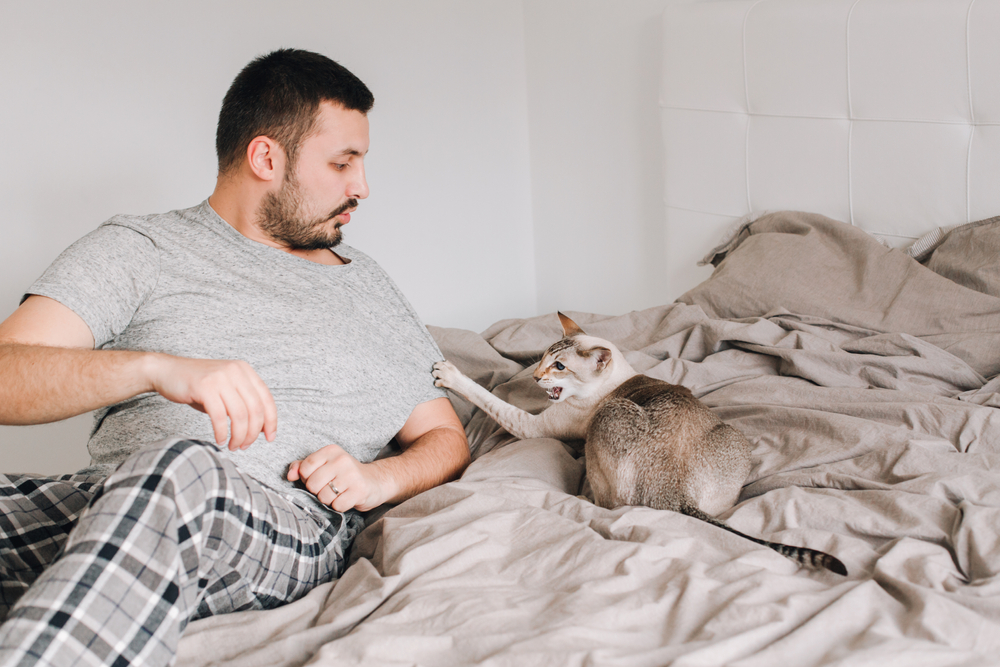
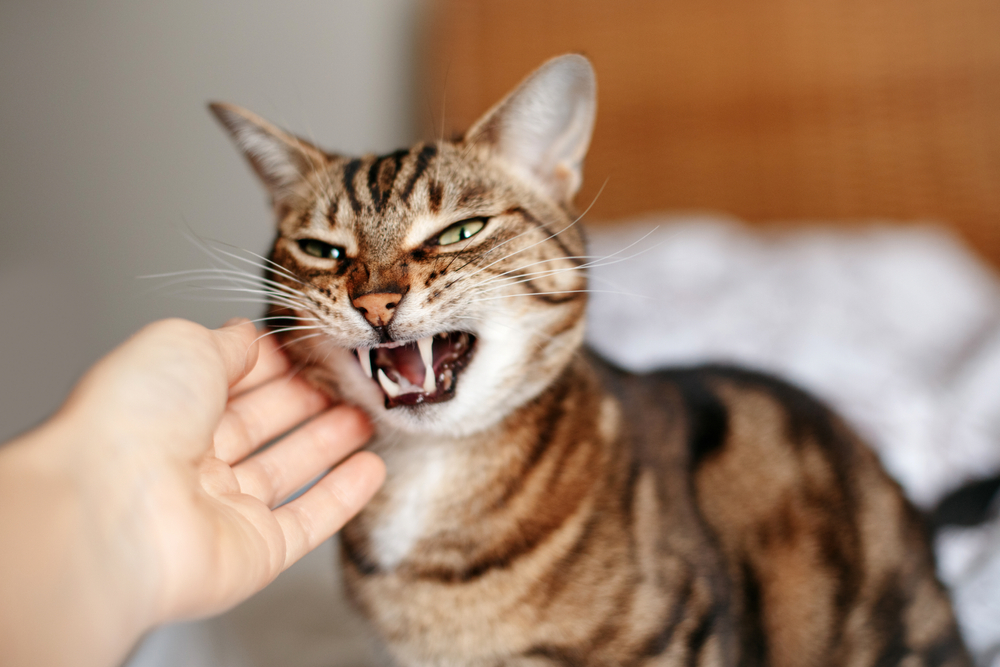
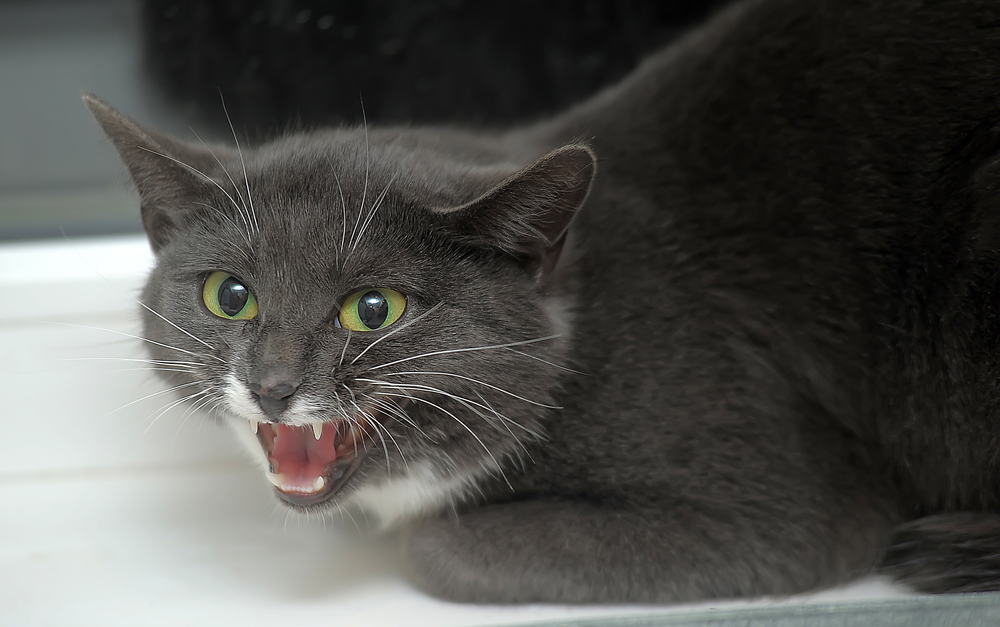
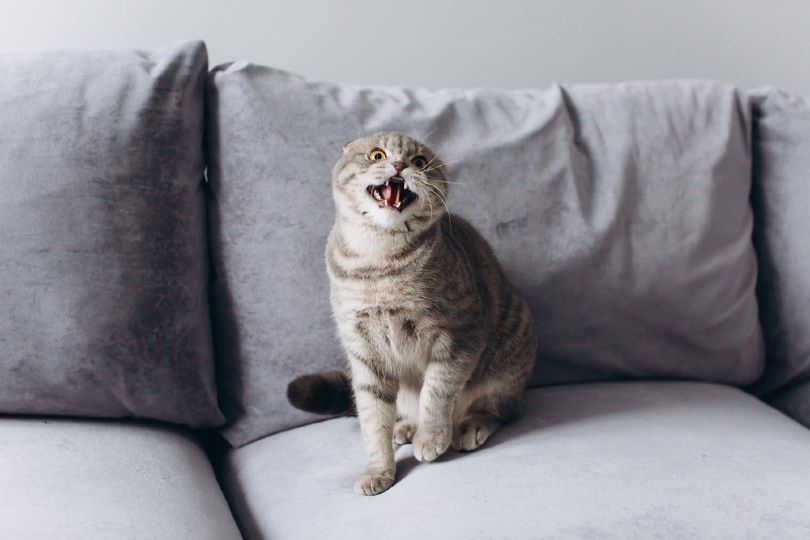
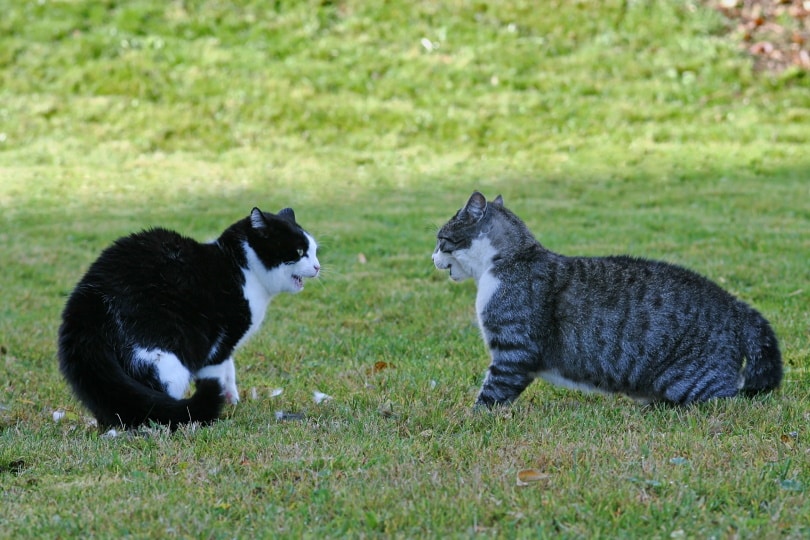
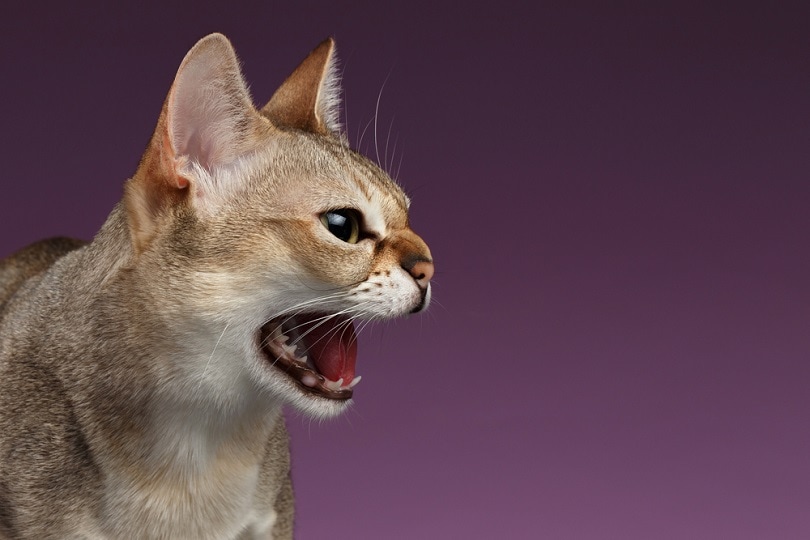
- Growling and Hissing – These should be obvious signs, but if your cat is making aggressive or defensive cat noises, something is up. They might be scared of you or scared in general. They might be anxious or possibly in pain. Noises to listen out for include deep guttural growling and hissing. These noises are usually followed by some form of physical aggression if you don’t take heed of the warning.
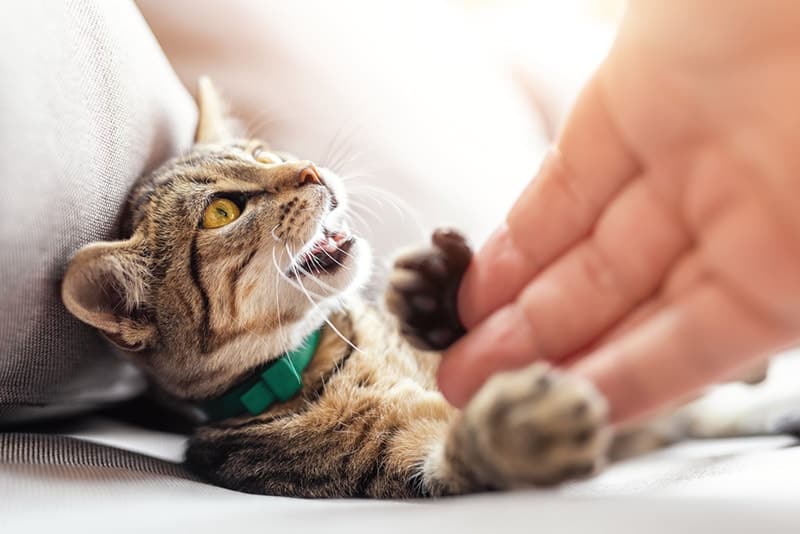
- Scratching and Biting – As well as warning sounds like growling and hissing, you may notice your cat’s fur standing up, their back arching, and their ears lying flat. These are also good warning signs that you should pay attention to. If you fail to pay attention to the early warnings, your cat may swipe at you and if they feel threatened, claws might be involved. Your cat may also try to bite you, especially if your hand is within easy reach.

Causes
These are signs that your cat might be displeased with you, but there can be other causes for such actions. Always consider the context of the action and the behavior, as well as what is going on in and around your cat’s life. Other possible causes include:
- Illness – When cats feel poorly, they are more likely to feel threatened and at risk. This stems from their days as wild animals when illness would lead to challenges by other cats and might leave them prone to predation. And, just like some people, some cats don’t like to be fussed over when they’re ill. If there’s a chance your kitty is poorly, take them to the vet so they can rule out any possible illnesses.
- Trauma or Injury – Similar to an illness, sometimes, a physical injury or trauma can lead to pain. In turn, the pain may result in a cat who acts differently. At times, the signs of injury are very easily noticeable (for example, limping). At other times, the signs can be very subtle and might involve your cat opting to isolate themselves and perhaps not eating as much as normally do, purring excessively, grooming excessively, and/or having litter box incidents (such as missing the box despite never having done so before). Needless to say, a cat that's injured or unwell needs veterinary attention.
- Change In Physical Environment – Some cats are shy and often described as creatures of habit. For such cats, if anything is amiss, it can upset a cat’s mood and change their usual habits. If you’ve recently moved, or even if you’ve had some kind of refurbishment done on the house, this could be causing distress. Moving or changing a litter tray can be a difficult experience for some felines. If you’ve started closing a door that prevents your cat from getting to their favorite makeshift bed, that’s another possible environmental change that can detrimentally affect your cat. Though not all cats are immediately susceptible to such changes affecting their mood, some cats do indeed act strangely when subjected to subtle changes.
- Change In Circumstances – It isn’t just environmental changes that can negatively impact a cat’s mood. A change in family circumstances, or even a change in your routine can be upsetting for some cats. If you’ve brought home a new baby, added a new pet to the household, or if your work patterns have changed, this could be enough to cause a change in your cat’s mood.
- Personality – Ultimately, some cats are just not huge fans of being coddled, picked up, cuddled with, and interacted with excessively. It does come down to individual preferences at times, and their personalities. However, it’s also worth noting that past experiences (especially those during kittenhood) can have a long-lasting effect on your cat’s personality and their attitude towards other people, animals, and activities (such as a bath).

What To Do About It
Whenever your cat seemingly acts in a way that isn’t normal for them, your priority should be having them looked over by a veterinarian. This is because behavior issues can, at times, be caused by an underlying health issue (which obviously needs a veterinarian’s input). Also keep in mind that many times, a behavior issue can be accompanied by a health issue—the two aren’t mutually exclusive. Therefore, having your pet looked over by a veterinarian should always take precedence over behavior modification attempts or training.
If your cat is actively trying to avoid you, it’s best to give your cat some space—if they want to go off and lie down, let them. If they want you to stop stroking and petting them, stop. A cat that’s in pain may lash out when forced into a situation they don’t agree with (this includes cuddling).
Assuming your cat has a clean bill of health from a veterinarian, identifying the cause of unwanted behavior often involves a reflection on recent events. For instance, think about any changes that might have occurred in your cat’s environment or routines.
Likewise, if you’ve moved their litter trays, try placing them back where they were, and consider changing back to the litter you were using. Perhaps leave the door to the spare room open so your cat can have their favorite hiding spot back.
There’s not much you can do for a cat that simply prefers to not be highly affectionate all the time. Though many people claim that you can tempt these cats with treats or toys, and eventually “win them over”, it’s important to keep in mind that these are often unrealistic expectations. Pet behaviorists think that because cats are sometimes very prone to stress, attempting to force them into such a form of interaction can actually be detrimental to their health.
These concerns aren’t unfounded, as it’s documented that stressed cats can develop health issues, such as urinary obstructions.

Frequently Asked Questions (FAQ)
How Do I Know If My Cat Loves Me?
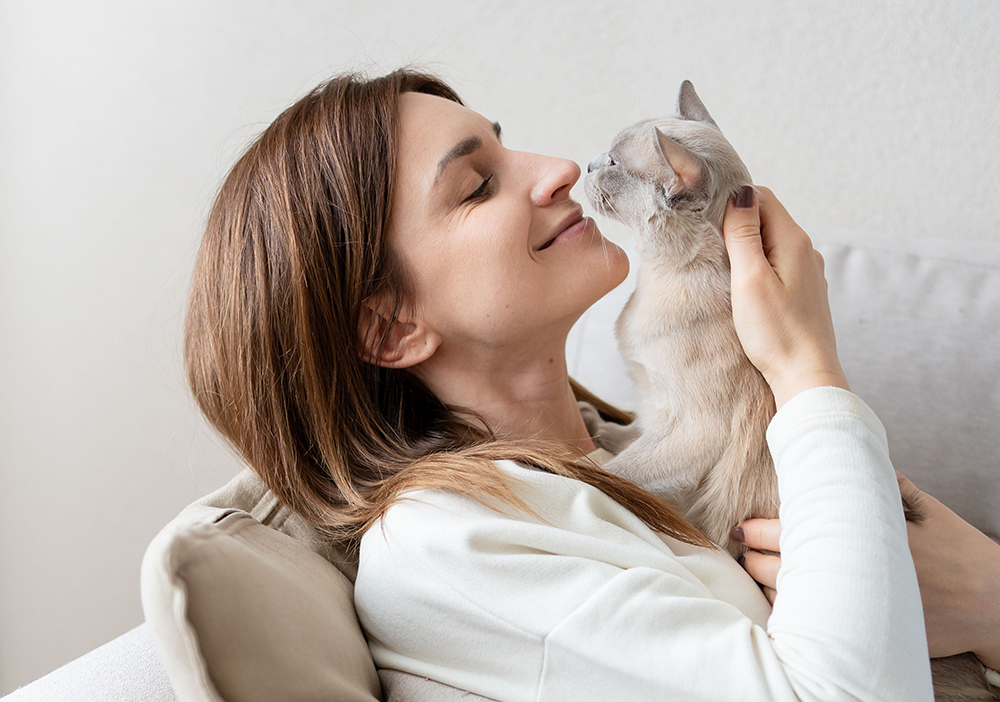
From a philosophical sense, whether or not our cats love us is also an endless debate. For the believers, they say there are several ways a cat makes this known. For instance, they claim that if your cat shows you their belly, it is a sign of trust. Likewise, if they slowly blink at you, headbutt you for attention, or groom you, they’re thought to be expressing “love”.
Opponents of the concept of feline “love” don’t necessarily argue on a cat’s body language cues; they seem to only disagree on the concept of “love” itself. They don’t believe that animals would express such emotions (which they believe are only attributed to humans). Regardless of your stance on the question of feline love, the signs of a comfortable content cat who enjoys your companionship are pretty universal.

Do Cats Bond with Their Humans?
Cats can form very close bonds with their humans. This concept is well-studied. For example, one study found that cats spent more time with their owners (upon their return) when they were away for an extended period of time. This demonstrates that cats do form social bonds with their humans and that a human’s presence is an important part of their social needs.
Do Cats Have Favorite People?
Generally speaking, cats will show the most affection to those that spend the most time caring for them, or those that give them the most treats. However, some cats will “love” all of their human family members equally. It isn’t necessarily breed-dependent, but it can be influenced by the type and amount and type of attention and handling the cat has received throughout their life.
Conclusion
Cats can be curious creatures that are difficult to read, but once you’ve lived with one for a while, you will get a good idea of their individual quirks and learn to read their mood. You will be able to recognize when your feline friend wants attention and when they would rather be left alone.
Cats don’t feel hate in the way people do, but they can be displeased, anxious, scared, or might even be ill or in pain, which can make it seem as though they hate you. Addressing such behavior issues begins with having a veterinarian look over your cat and then assessing their environment.
However, do keep in mind that your cat, as an individual, has a personality associated with certain preferences. Therefore, they may sometimes be acting normally in their mind, and it might be our interpretation that needs to be modified instead.
Related Reads: Will My Cat Hate Me After the Vet? Tips to Avoid It
Sources
Featured Image Credit: Creative Cat Studio, Shutterstock

Expert cat care, straight to your inbox
Vet-reviewed advice, behavior tips, and the best of Catster. Free, and you can unsubscribe anytime.
By signing up, you agree to our Terms & Conditions and Privacy & Cookies Policy.
Matt is a freelance writer from the UK. He lives with his partner and daughter, as well as one dog and two cats.
A data analyst by trade, Matt moved from numbers to words more than 15 years ago and has been writing content ever since. Having volunteered at a local animal sanctuary, he has a lot of experience with different breeds of cats, dogs and horses. He currently shares his home with his partner and daughter, as well as a rescue dog from Macedonia (which might be an Akita cross) and two cats. Matt has also kept bearded dragons, a variety of birds, fish, guinea pigs, hamsters, mice, and rats. His daughter has adopted the same passion for animals, keeping and breeding snakes.
A geek at heart, Matt is a member of a local board gaming group that meets weekly, and regularly forces his family to “enjoy” board games with him at home.
Join the conversation
Ask a question, share your story, or send private feedback.