The Bite Stuff: The Truth Behind a Cat's Sudden Nip


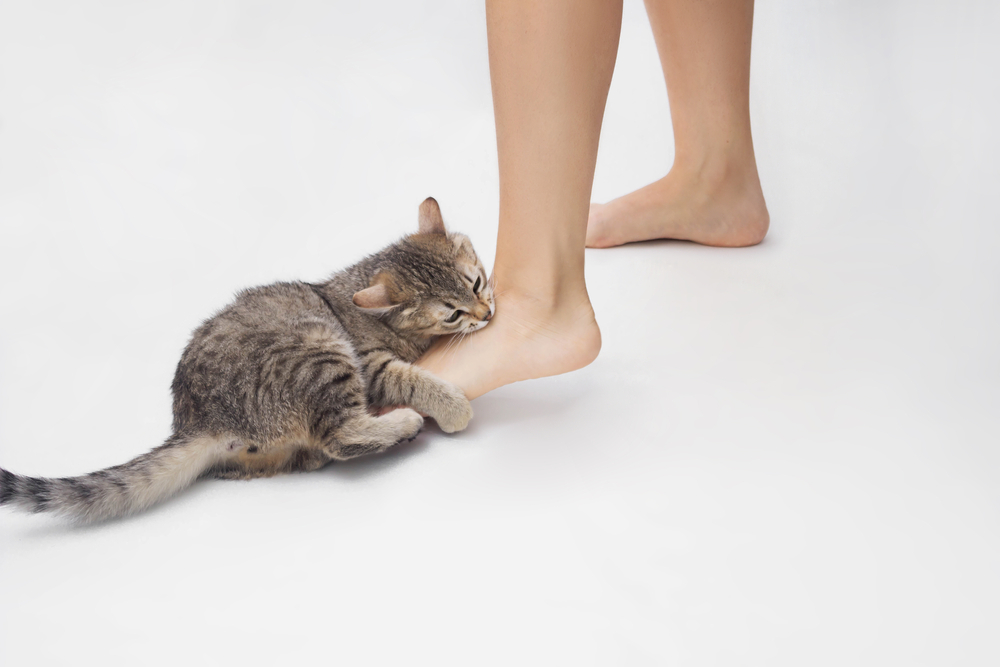
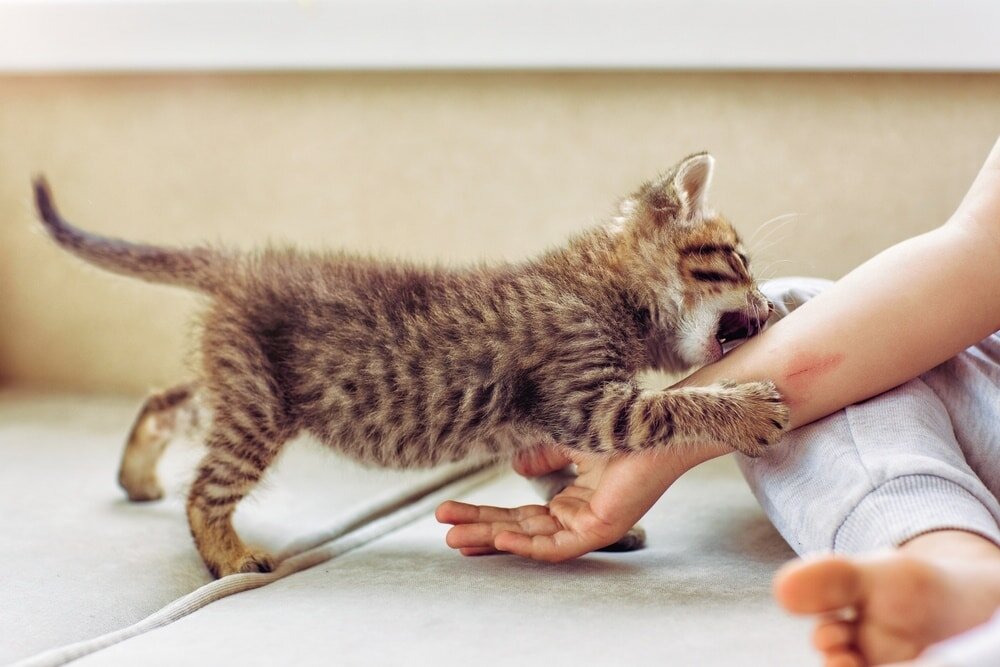
A cat bite that seems to come out of nowhere is one of the more confusing things a cat owner deals with. Everything seems calm as they come for snuggles, but a moment later there are teeth involved. It might seem random, but it almost never is. Cats predominantly communicate through body language, and a bite that looks unprovoked usually has a specific reason behind it, even if that reason isn't obvious in the moment.
The trick is figuring out what your cat was trying to say.
Your Cat Wants Attention
Sometimes, a bite is basically the feline equivalent of tapping you on the shoulder.
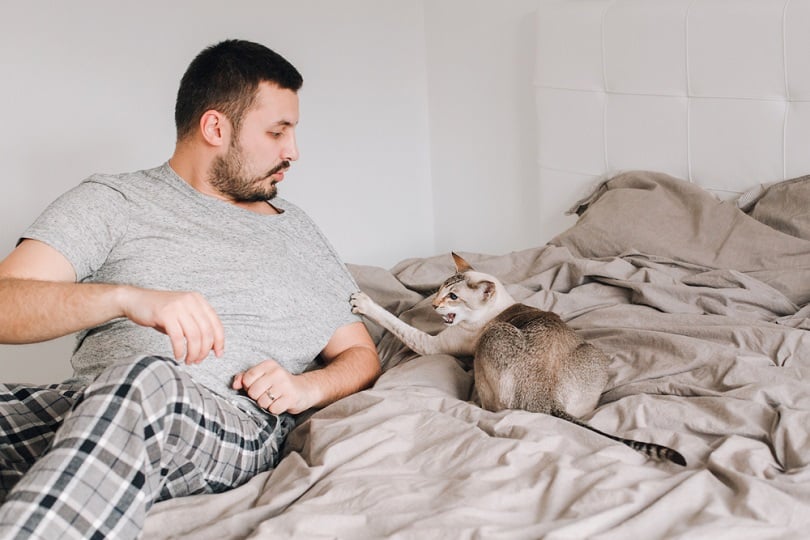
If your cat feels they are being ignored, a gentle nip can be a way of getting your attention and asking for interaction. This is especially likely when the bite comes with relaxed behavior, purring, or an otherwise calm demeanor.
That does not necessarily mean your cat is trying to hurt you. It may simply be their rather questionable way of saying, “Excuse me, I am over here.”
Your Cat Wants to Play
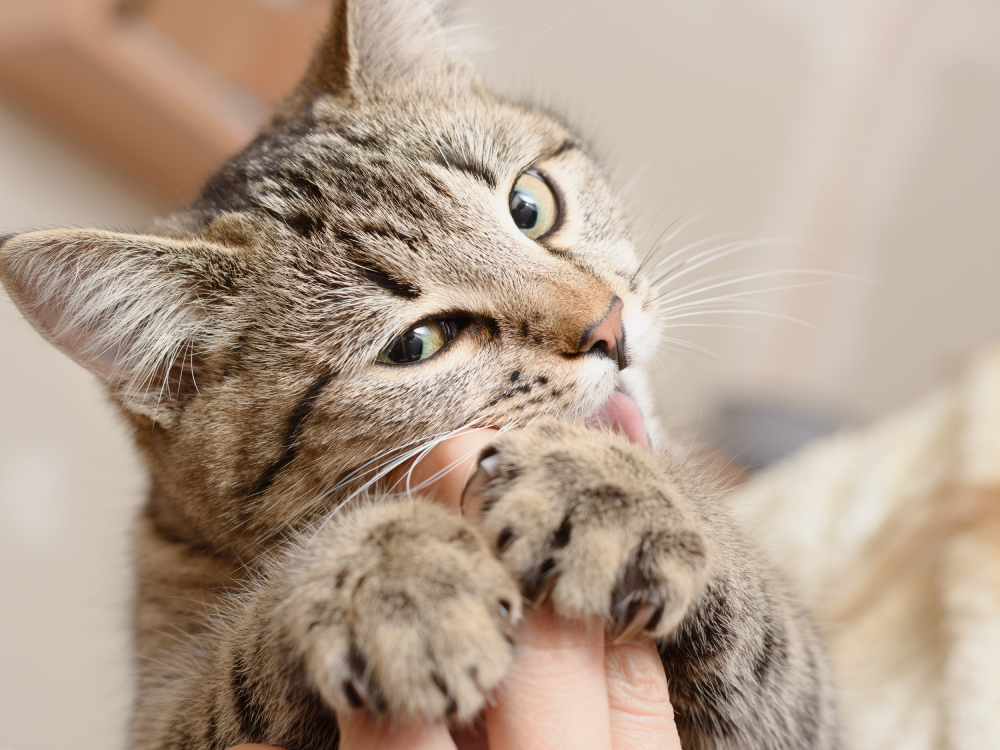
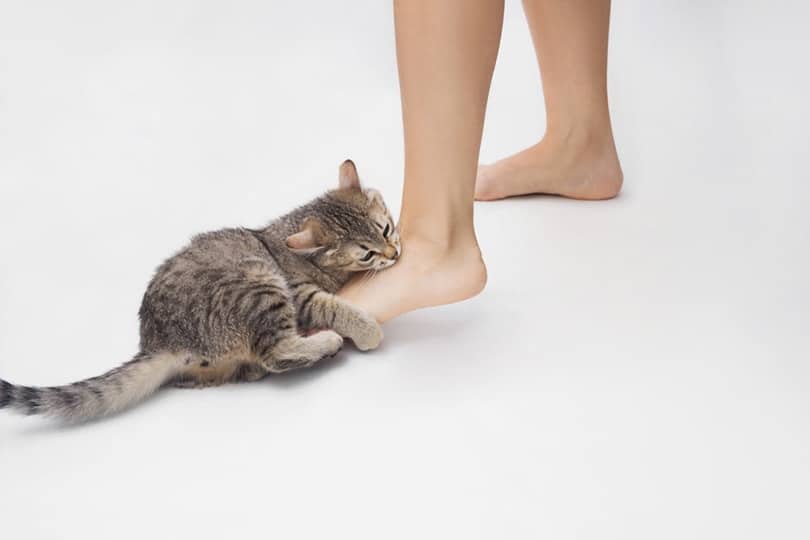
Cats can switch into play mode remarkably quickly. A sudden pounce or bite may be less about aggression and more about getting a game started.
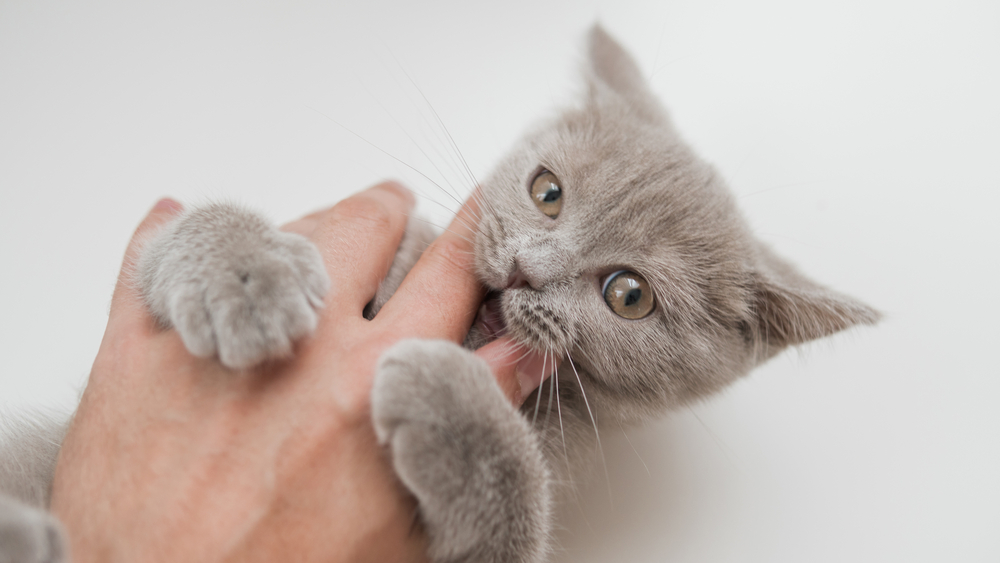
The important thing is where that playful energy goes. If your cat likes to chase, grab, or bite your hands, try redirecting them toward toys instead. Interactive toys can give them an appropriate target for stalking and pouncing, while cat trees, scratchers, and other enrichment can help keep their natural instincts busy.
Your fingers will appreciate the arrangement.

Your Cat Was Startled
Some cats are simply more easily startled than others. A sudden touch, unexpected movement, or a person approaching too quickly can trigger a defensive response.
In this situation, the bite may have little to do with anger or aggression. Your cat may have been surprised and reacted before having a chance to figure out what was happening.
Cats that are easily startled generally do better when people give them plenty of space and avoid forcing interactions. Letting your cat approach at their own pace can go a long way toward preventing surprise bites.
Your Cat is Showing Affection
This one can be particularly confusing because affection is not always as gentle as humans might prefer.
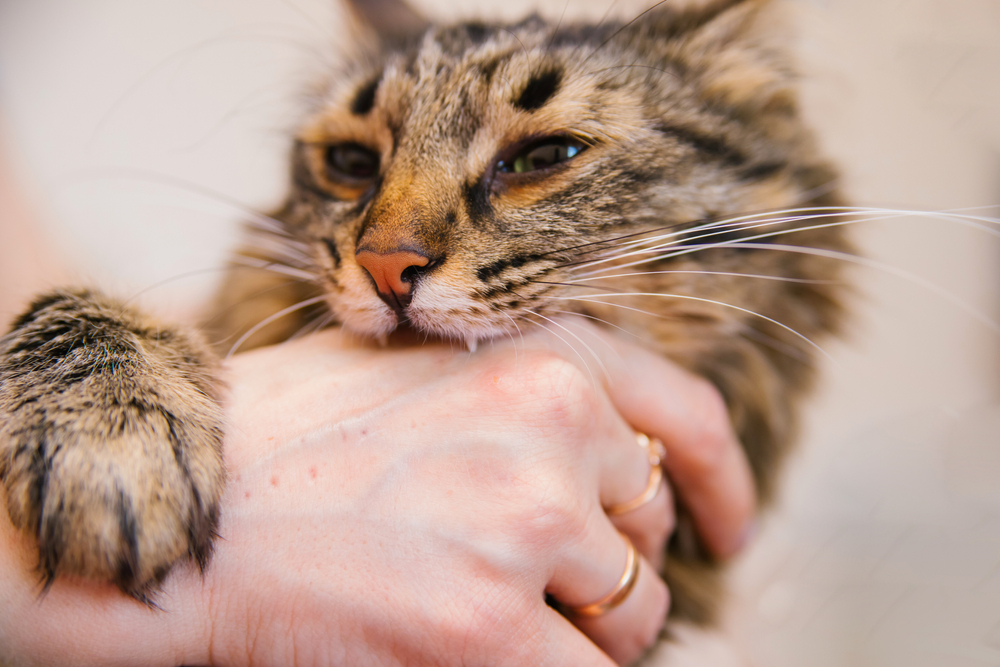
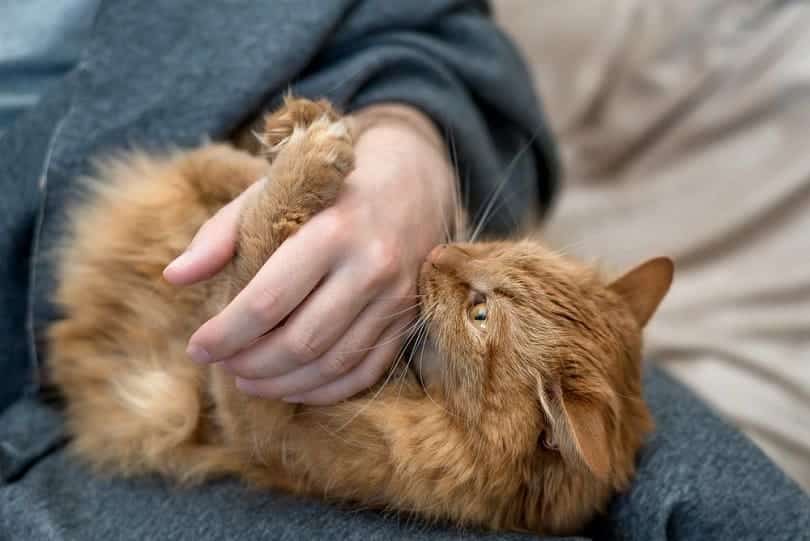
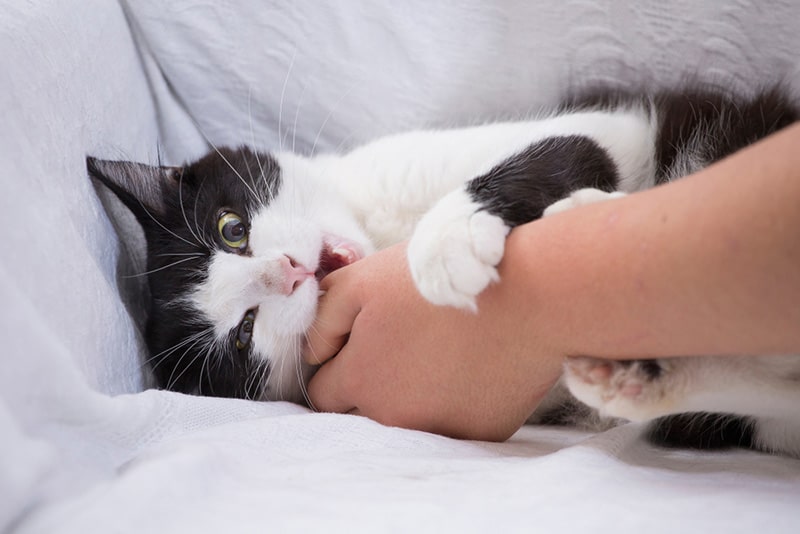
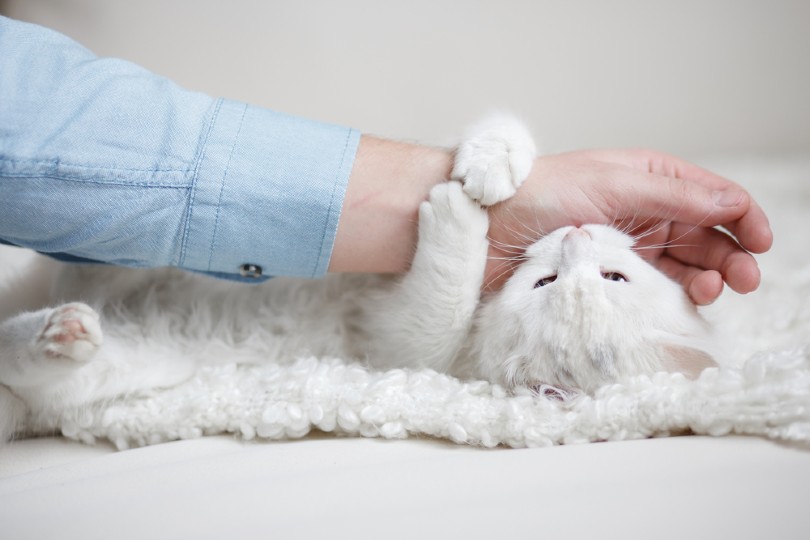
A cat may give a soft bite while purring, cuddling, kneading, or gently holding you with their paws. In some cases, this can be part of how they express closeness and affection.
Of course, there is a difference between a gentle nibble and a bite that hurts. If your cat is otherwise relaxed, though, there may be no hostile message behind it.
The best response is not to bite back or punish the cat. Instead, pay attention to the rest of their body language and learn to recognize when a playful or affectionate interaction is becoming too much.
Your Cat is Actually Being Aggressive
Not every bite is a quirky display of feline affection.
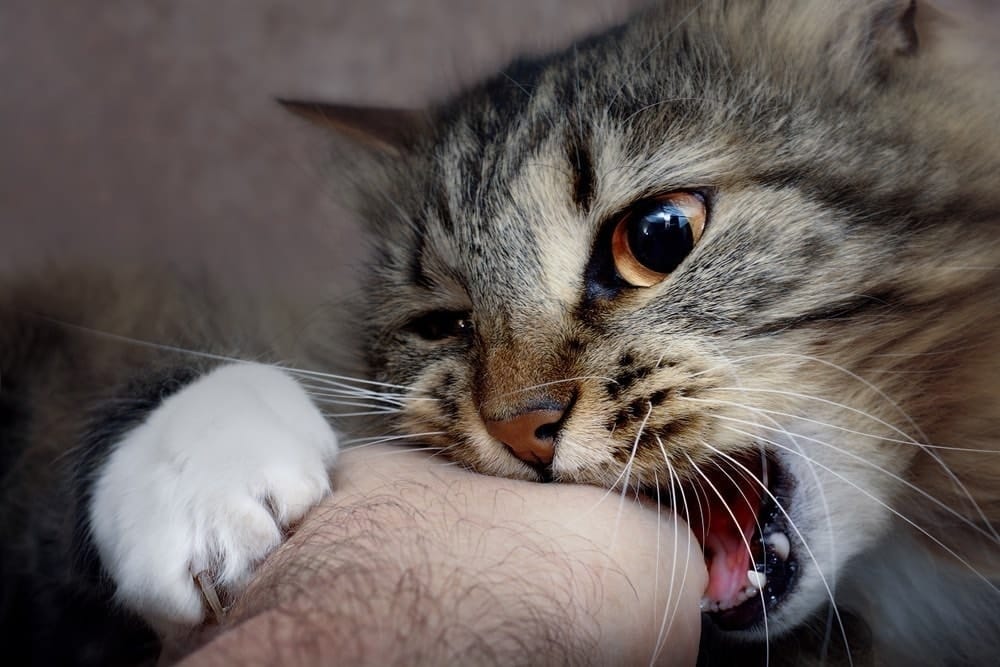
A cat that is unusually tense, irritable, defensive, or agitated may bite because they genuinely feel threatened or aggressive. These bites can be more intense and deserve to be taken seriously.
Think about what has changed recently. A new person or animal in the home, a stressful event, a change in routine, or another unfamiliar situation can all affect a cat's behavior.

Your Cat is in Pain
If your cat bites specifically when you touch a certain area, pain should be high on the list of possibilities.
A sore muscle, injury, scratch, dental problem, or another medical issue can make a normally friendly cat react defensively when that area is handled. Because cats are good at hiding signs of illness, pain is not always obvious until something triggers a reaction.
This is one situation where a training solution is not the answer. If biting is new, unusually intense, or consistently happens when a particular part of your cat's body is touched, a veterinary examination can help determine whether an underlying medical problem is responsible.
IMPORTANTThere is also a practical reason to take bites seriously: cat bites can cause significant wounds and carry a risk of infection. Any bite or scratch has the potential to cause infection, and even those that don’t break the skin can result in pain and swelling. Whether your cat intended harm or not, a cat bite wound warrants medical attention. |
How to Stop the Biting Habit
Whatever the reason, physical punishment is never the answer. Hitting, swatting, or otherwise frightening a cat can increase fear and stress and may make unwanted behavior worse.
Even dramatic reactions can sometimes send the wrong message. If your cat bites during play, suddenly jerking your hand away may turn the whole thing into an exciting game of chase.
Instead, give your cat appropriate outlets for their energy. Keep toys available, use interactive play to encourage healthy hunting behaviors, and make sure your cat has enough stimulation throughout the day.

Cats that were separated from their mother or litter too early are often more likely to bite and scratch too hard during play with their humans because they missed out on a vital part of socialization. The wrestling, chasing, and play-fighting between kittens and cats isn’t just fun and games; it’s how they learn what it feels like to be bitten or scratched themselves. If you’ve got a cat that loves to play rough, one possible solution is to bring in another cat.
It is also important to respect boundaries. Some cats love being handled for long stretches. Others would prefer a few scratches and then some personal space. A bite can sometimes be your cat's very direct way of saying that the interaction has gone far enough.
Most importantly, do not assume a new biting habit is simply a personality quirk. If you cannot figure out why your cat has started biting, particularly if the behavior is connected to being touched, a visit to the vet is worth considering.
What looks like a completely random bite may actually be your cat communicating something important. Once you know what to look for, those teeth that “came out of nowhere” start to make a lot more sense.
Featured Image Credit: Marina Demeshko, Shutterstock
Did You Know?
- Our brand-new posts are rounded up and included in our weekly emails. Don't miss out on the latest - sign up for our newsletter below!

Expert cat care, straight to your inbox
Vet-reviewed advice, behavior tips, and the best of Catster. Free, and you can unsubscribe anytime.
By signing up, you agree to our Terms & Conditions and Privacy & Cookies Policy.
Dan has been working in the pet world for over 4 years covering cats, dogs, and all other pets in between. He loves helping pet parents keep their companions happy, healthy, and of course, totally spoiled! Originally from London, Dan now travels and works remotely, which unfortunately means no pets at home, but it gives him plenty of opportunities to fuss over other people's furry friends.
Join the conversation
Ask a question, share your story, or send private feedback.