Skin Tags on Cats: Vet-Reviewed Causes, Care, & FAQ

It can feel alarming when you’re petting your cat, and your fingers suddenly come across a small bump on their skin. However, not all bumps are the same, and some are completely benign. Cats can start to develop bumps and lumps on their skin as a normal part of aging. One type of bump you might notice on your cat's skin is a skin tag.
Being aware of the types of bumps that can form on your cat’s skin can help you take better care of your cat. We’ll go over all you need to know about skin tags on cats and how to provide the best treatment for your cat if you find one.

What Is a Skin Tag?
A skin tag is a benign overgrowth of skin cells. Most skin tags are made up of blood vessels and collagen, and they can form on any part of your cat’s body. They’re usually small in size, but some skin tags may grow over time. Your cat may develop multiple benign skin tags on their body, and it’s very possible that they don’t have an adverse effect on their overall health.
Some skin tags can be loose and dangle on your cat’s skin, while others feel like a hard bump. For the most part, your cat won’t feel bothered by a skin tag. They’re typically painless and don’t itch. They don’t really have much of an effect on your cat, except for their appearance. In some cases, your cat may accidentally scratch a skin tag, and it causes bleeding. However, minor scratches typically heal without requiring any human intervention.

What Are the Signs of Skin Tags?
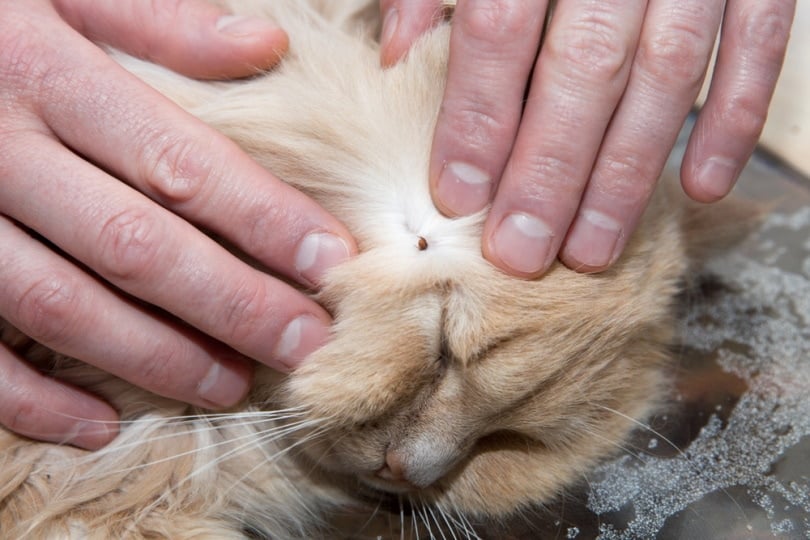
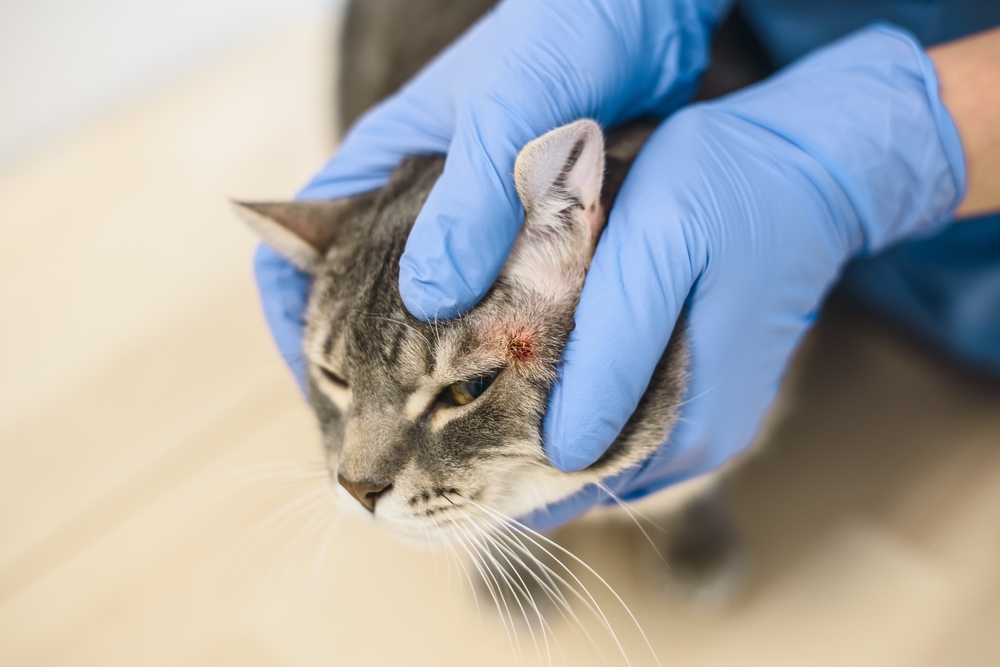
Skin tags typically look like a raised bump on your cat’s skin. You can differentiate skin tags from moles because they have a fleshy color, while moles are darker. It can be difficult to differentiate skin tags from warts because warts can also be the same color as skin tags.
Since skin tags are benign and don’t really have a negative impact on your cat, your cat won’t really show any other signs or changes in behavior. You’ll most likely become aware of a skin tag while you’re simply petting your cat. If your cat shows signs of feeling itchy or irritated by a bump on their skin, the bump is probably not a skin tag, and it’s best to get the bump examined by your veterinarian.
What Are the Causes of Skin Tags?
There isn’t really a known cause for skin tags, but there are some guesses as to why they appear. A common belief is that they’re caused by friction on the skin. So, you might find skin tags on parts of your cat’s body where there are more creases and folds.
In some cases, weight gain and obesity may trigger the growth of skin tags. This is because your cat’s skin may become more prone to rubbing against itself. The growth of fat cells may also contribute to the formation of skin tags.
Newer research is showing a possibility of a link between diabetes and skin tags. However, it’s important to remember that this research is applicable to humans, and the correlation between feline diabetes and skin tags is not yet proven. It’s also likely that since diabetes and obesity have a strong link, skin tags may be caused by obesity, not diabetes. So, skin tags on cats aren’t really a reliable indicator of feline diabetes.
Your cat’s genetics may also play a role in the formation of skin tags. If your cat’s parents were prone to developing skin tags, there’s a good chance that your cat may also have skin tags. Skin tags may also grow due to medication. It’s a rare side effect, but some cats may end up with skin tags if they’re on a long-term prednisone treatment.

How Do I Care for a Cat With Skin Tags?
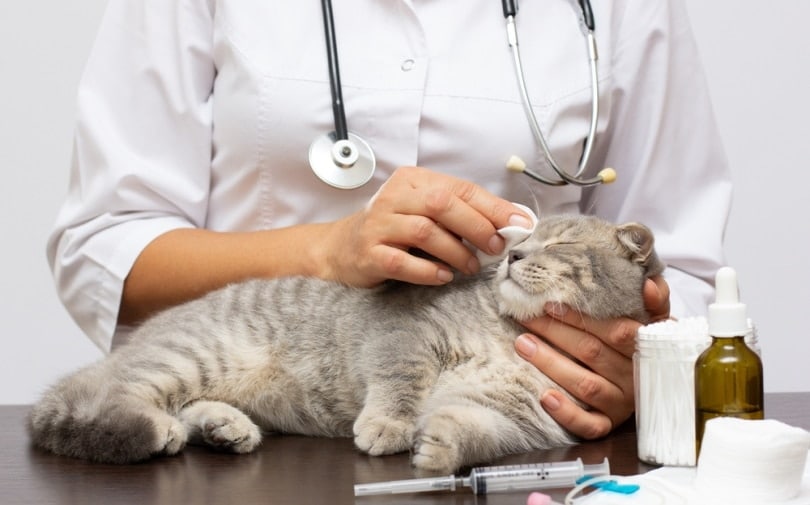
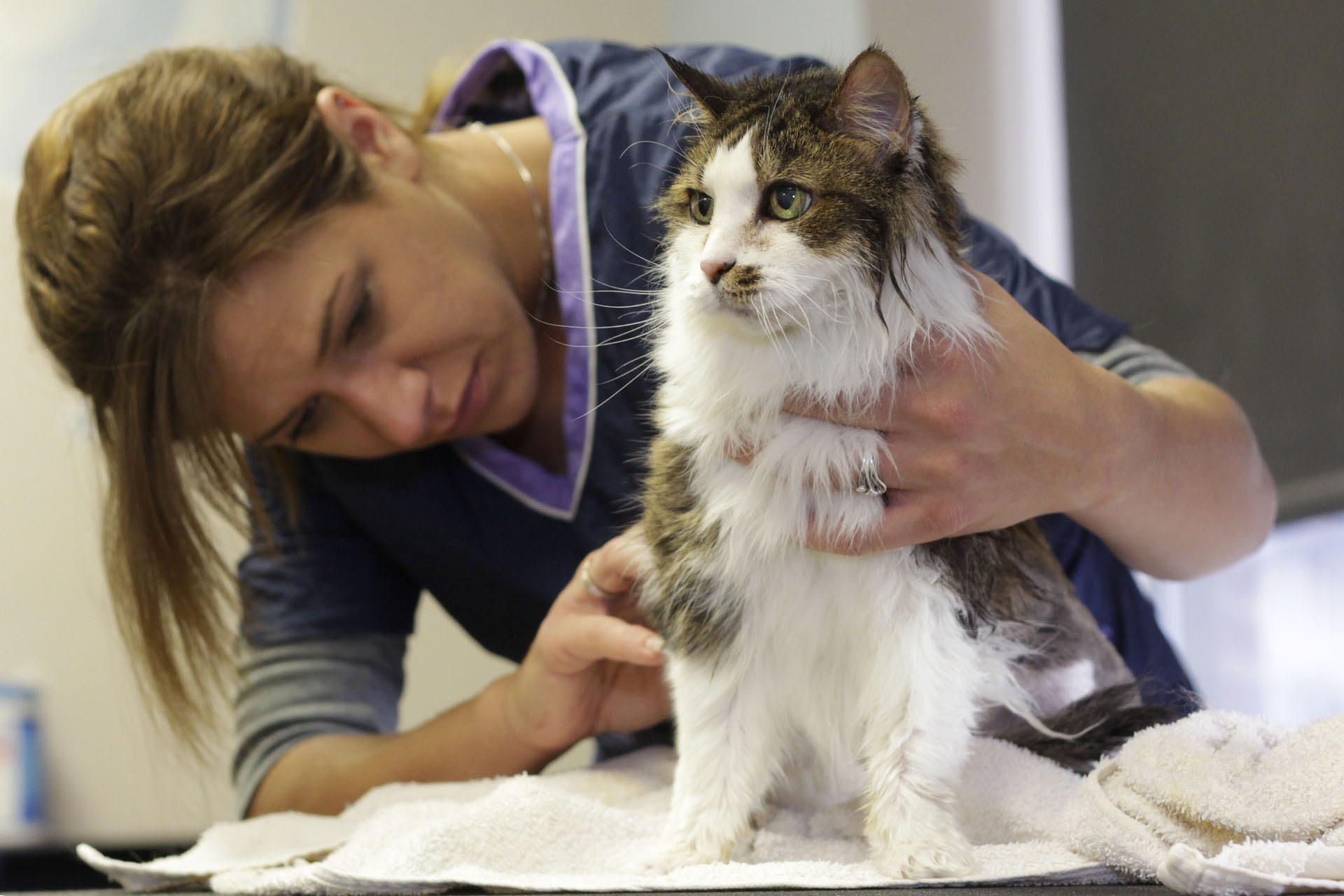
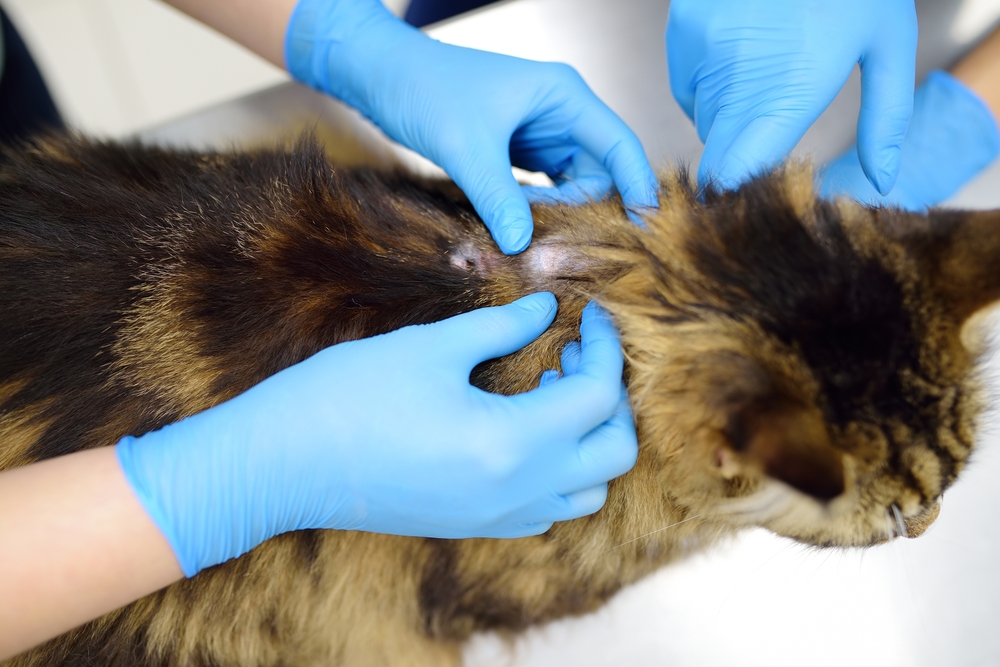
The best way to help your cat is to have a veterinarian check the skin tag. Since some bumps on the skin are malignant or can be symptoms of an underlying health issue, it’s better to be safe than sorry and have a veterinarian examine it. Make sure also to consult a veterinarian if the skin tag ever changes in size, color, or shape.
Your veterinarian may do a more thorough physical exam on your cat if needed. In some cases, a biopsy may be completed, and a skin sample from the skin tag can be further analyzed.
If the results of the exam conclude that the bump is a benign skin tag, you usually don’t have to change much about how you care for your cat. However, if your cat has gained an excessive amount of weight, a veterinarian will recommend a weight loss and management plan to get your cat to a healthier weight.
Your cat probably won’t require skin tag removal unless the skin tag consistently gets caught on things and keeps bleeding. If the skin tag is on an area of the skin that causes discomfort for your cat, such as near the eyes, you can consult a veterinarian about removing it.
Skin tags are typically removed by either getting frozen or cauterized. A veterinarian may freeze a skin tag to cut off its blood supply, which causes it to fall off. Cauterizing a skin tag means applying heat to burn the skin tag and seal the skin around it. Sometimes, a veterinarian may take a piece of string and wrap it tightly around the base of the skin tag. This eventually cuts off the circulation, and the skin tag will fall off.
It’s important to not ever try to remove your cat’s skin tag at home. There are many false home remedies that just don’t work in removing skin tags and can end up causing more irritation for your cat. At-home removals can also be extremely painful for cats, and improper removal can lead to bleeding and infections.
Frequently Asked Questions
Do skin tags on cats go away on their own?
No, skin tags don’t usually go away on their own. In some rare cases, a tiny skin tag may just dry up and fall off on its own after a few months. A skin tag may also get caught on something as your cat’s moving around, and it can get torn off your cat’s skin. If you surgically remove a skin tag, it usually doesn’t grow back. However, there are some cases where a skin tag may appear near the same area on the skin.
Is it better to remove skin tags on cats?
Since skin tags are harmless, it’s best to leave them alone unless they’re really bothering your cat. It’s also very possible for skin tag removal to be categorized as a cosmetic procedure, and most pet insurance companies don’t offer coverage for these types of veterinary bills.
Conclusion
While it’s uncertain as to exactly why skin tags appear on your cat’s skin, you usually don’t have to worry if you find them on your cat. However, just make sure to get clearance from a veterinarian, as other kinds of bumps on the skin can indicate serious health issues. Once a veterinarian confirms the bump is a skin tag, you don’t have to worry too much, and most cats will live unbothered and unaffected by skin tags.
Sources
Featured Image Credit: Wirestock Creators, Shutterstock

Expert cat care, straight to your inbox
Vet-reviewed advice, behavior tips, and the best of Catster. Free, and you can unsubscribe anytime.
By signing up, you agree to our Terms & Conditions and Privacy & Cookies Policy.
Jessica is a freelance writer who spends most of her day researching and writing while her fluffy Cavapoo, Nora, naps beside her. She loves and appreciates pets and animals because there’s so much to learn from them, and they do so much for people. As a dog owner, she understands the special connection that pet owners form with their pets. She loves sharing helpful information that people can use to better understand their pets. When she’s not writing, you can find her walking dogs, tending to her plant babies, or drinking her nth cup of coffee.
Join the conversation
Ask a question, share your story, or send private feedback.