10 Bombay Cat Facts You'll Be Surprised To Learn

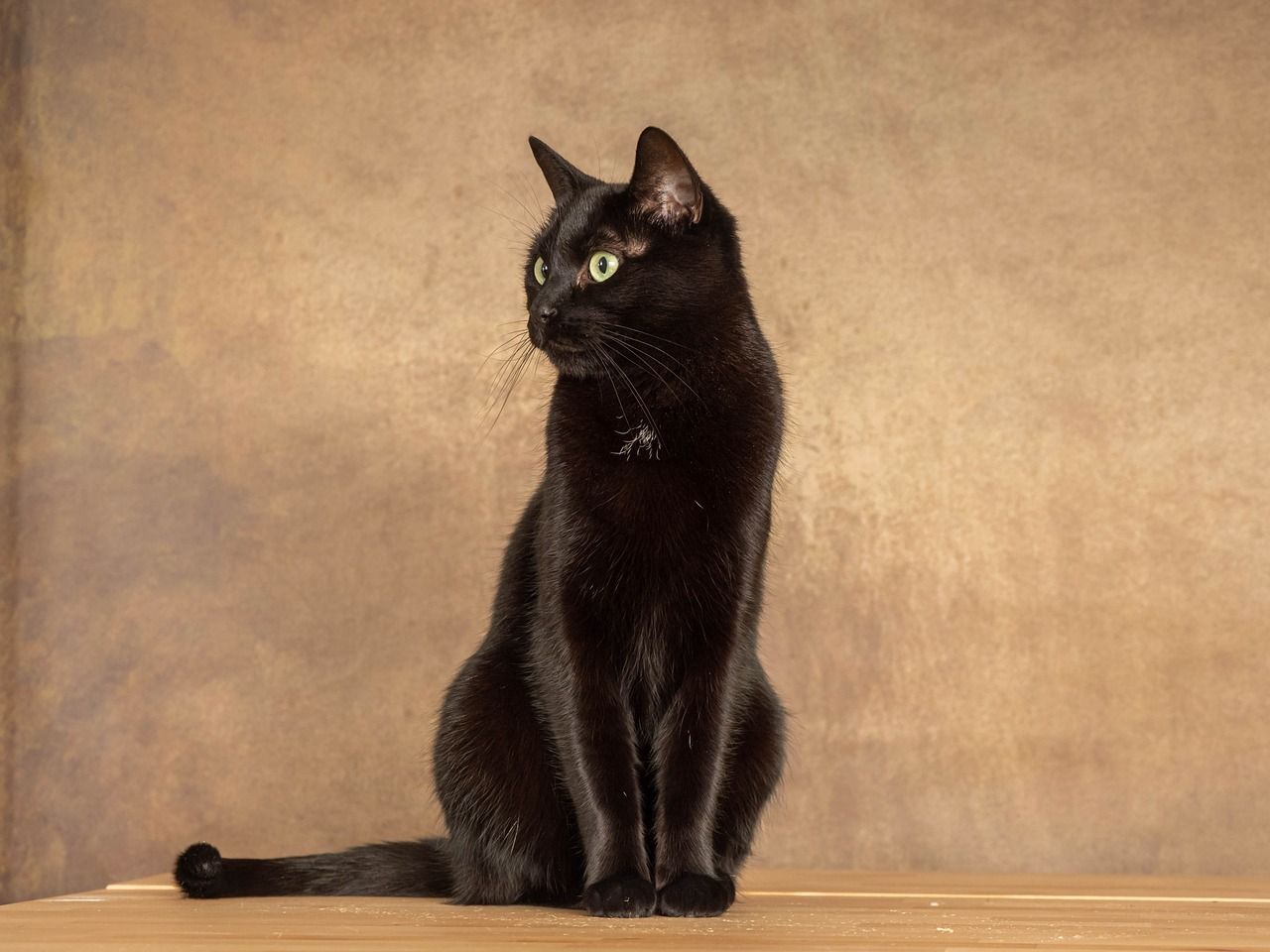
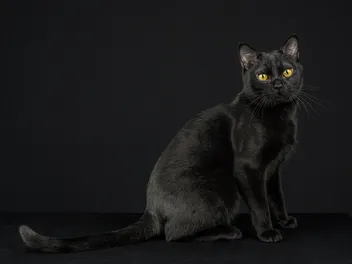
The Bombay Cat is a cat breed that was originally developed by crossbreeding sable Burmese Cats and American Shorthairs. These beautiful cats are known for their sleek black coats and exotic appearance. Despite looking like miniature leopards, Bombay Cats are anything but elusive and aloof. These cats are social butterflies and are known to be extremely affectionate and playful pets.
There are many wonderful things to love about Bombay Cats. Here are 10 of our favorite facts about the beautiful and charming Bombay Cat.

The 10 Bombay Cat Facts
1. Bombay Cats Don’t Originate from India
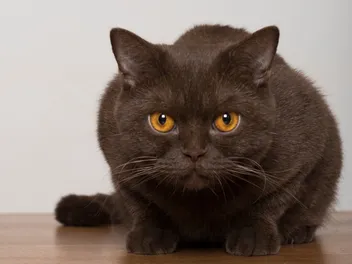
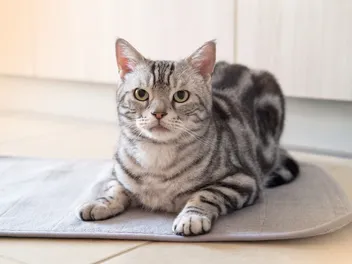
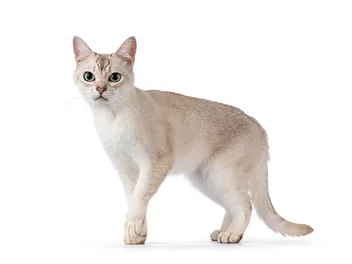
Despite their names, Bombay Cats don’t have roots in India. These cats were originally bred in the US by breeder Nikki Horner. Horner began developing the breed in the 1950s and eventually bred the first litter of kittens in 1965. The kittens were developed by breeding black American Shorthairs and sable Burmese Cats.
Bombay Cats got their name because they looked like small black leopards known to inhabit Bombay. Along with sharing similar sleek black coats, Bombay Cats have a muscular and athletic build that gives them a wilder appearance than typical domestic cats.
2. Bombay Cats Are Medium-Sized Cats
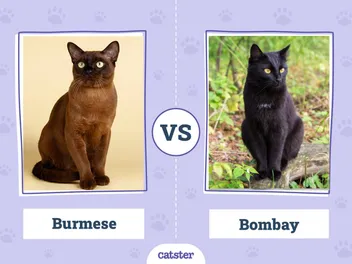
Though Bombay Cats look similar to their Burmese Cat cousins, they tend to be slightly larger and have a more muscular build. Bombay Cats usually weigh between 8 and 12 pounds, but male Bombay Cats can grow larger and weigh slightly over 15 pounds.
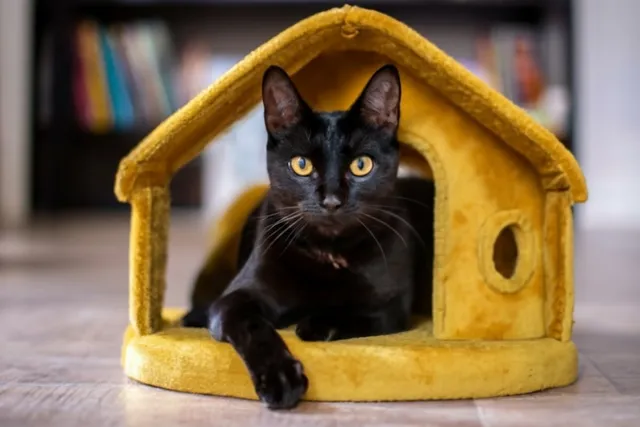
Bombay Cats tend to look stocky and muscular, but they’re surprisingly agile and athletic. They’ll appreciate having plenty of vertical spaces to climb and leap onto. Since they can grow to larger sizes, it’ll be helpful to install cat furniture sized for larger cats.

3. There Are Two Types of Bombay Cats
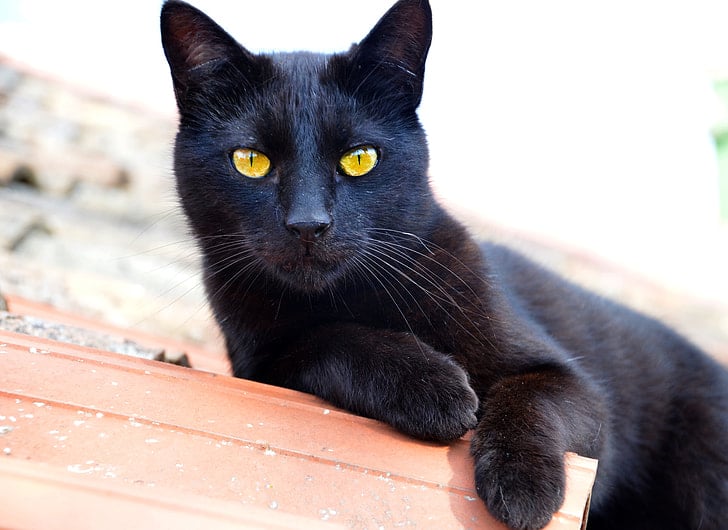
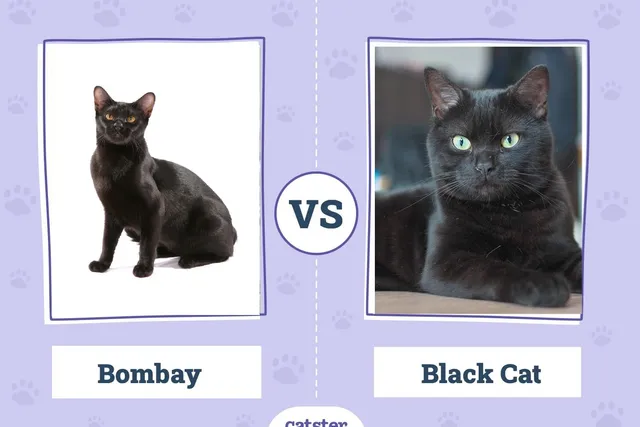
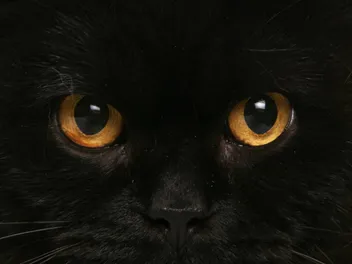
There are two main varieties of Bombay Cats—the American Bombay Cat and the British Bombay Cat. Both varieties of this breed have solid black coats, but they have different eye colors. The British Bombay Cat has gold, green, or copper eyes, while the American Bombay Cat has yellow or orange eyes.
Other than the differences in eye color, the American and British varieties don’t have very distinguishable differences in appearance or temperament.
4. Bombay Cats Are Extroverted
Bombay Cats break the aloof stereotype attributed to cats. They’re quite social and friendly, and many aren’t shy around strangers. They like to interact with people, and some may even be chatty and vocal and have “conversations” with their owners.
Because Bombay Cats like being around people, they don’t do very well being home alone for long hours. They like to follow their family members around the house like a shadow and also don’t mind cuddling and napping together.

5. Bombay Cats Are Completely Black
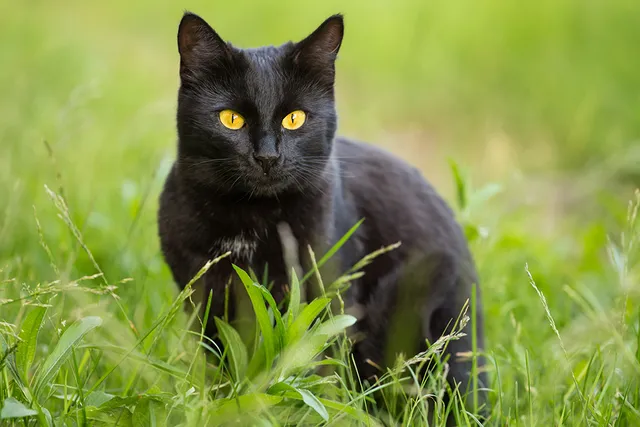
Aside from their eye color, Bombay Cats are completely black. They have sleek, sold black coats, and their paws, whiskers, and noses are also black. Some Bombay Cats may have patches of white, particularly on their chest, when they’re kittens. However, these patches usually darken and disappear as the kittens mature. By the time they’re adults, their coats usually become solid black.
It’s highly unusual for Bombay Cats to retain their white patches, and the Cat Fanciers’ Association’s (CFA) breed standards also prefer a solid black coat for Bombay Cats.
6. Bombay Cats Are Good for First-Time Cat Owners
Bombay Cats are pretty easygoing and adaptable. They also tend to be very affectionate and relational with people and end up developing strong bonds with their family members. Their flexible personalities make them good fits for first-time cat owners. They’re usually good with children and can live harmoniously with other cats.
Bombay Cats are confident, and with proper socialization, they can learn to get along with dogs. Just keep in mind that if they live with young children and dogs, they’ll appreciate having their own vertical spaces where they can rest without any interruptions. It’s important to remember that even extroverted cats need their alone time every once in a while.

7. Bombay Cats Are Heat Seekers
There’s a good chance your Bombay Cat will like to cuddle with you as a means of getting some warmth. While many different cat breeds enjoy sunbathing, Bombay Cats seem to really appreciate warmth and heat. They’re known to burrow into blankets and appreciate hot water bottles and cat heating pads. So, if you plan to bring home a Bombay Cat and care for one, it’s best to make sure you have multiple heat sources for your cat to use and enjoy.
8. Bombay Cats Have Low Grooming Needs
Bombay Cats have sleek, short coats and don’t really require frequent brushing or bathing. They’ll still appreciate getting brushed once a week, as brushing can help remove dead hair and debris and distribute natural oils around the body. Brushing can also be a good bonding activity for you and your cat.
Since Bombay Cats have relatively short hair, using a soft bristle brush should suffice.

9. Bombay Cats Can Be Leash-Trained
Bombay Cats are often known for having dog-like personalities. Along with loving people, they’re easy to train, and many can learn new tricks. Since Bombay Cats are curious and adventurous, they can learn to walk on a leash. They’ll usually enjoy exploring the great outdoors and will appreciate being taken out for outdoor excursions.
Just remember to go at a slow and gentle pace when leash-training a Bombay Cat. They should never be forced to do anything that makes them feel uncomfortable or unsafe. Leash training requires time and patience, and going too quickly can discourage your Bombay Cat from wanting to wear a harness and leash altogether.
10. Bombay Cats Are Difficult to Find
It may be easy to find a black cat, but Bombay Cats are pretty uncommon. Although the CFA granted them champion status in 1976, they’ve remained fairly rare throughout the years. People speculate that they’re not common because their appearance and temperament are so similar to black Burmese Cats.
If you’re interested in caring for a Bombay Cat, your best bet would be to check the CFA’s breeder registry. Though uncommon, you may also be able to find adoptable Bombay Cats at cat shows.


Conclusion
Bombay Cats are charming and delightful cats. They’re playful and affectionate and capable of bringing smiles to people’s faces. If you’re interested in caring for a Bombay Cat, make sure to connect with a reputable breeder with ethical breeding programs.
It may take some time to find a Bombay Cat, but it’s worth the effort, and you’ll find yourself in the company of a loving and loyal friend.
Featured Image Credit: Ton van de Blaak, Pixabay
Expert cat care, straight to your inbox
News, insights, and useful advice, delivered to you.

No spam — unsubscribe anytime.
By signing up, you agree to our Terms & Conditions and Privacy & Cookies Policy.
How useful was this post?
Click a star to rate. You can leave written feedback afterwards. (We read all feedback.)
Jessica is a freelance writer who spends most of her day researching and writing while her fluffy Cavapoo, Nora, naps beside her. She loves and appreciates pets and animals because there’s so much to learn from them, and they do so much for people. As a dog owner, she understands the special connection that pet owners form with their pets. She loves sharing helpful information that people can use to better understand their pets. When she’s not writing, you can find her walking dogs, tending to her plant babies, or drinking her nth cup of coffee.