Best Waters for Cats: 6 Vet-Reviewed Types & FAQ


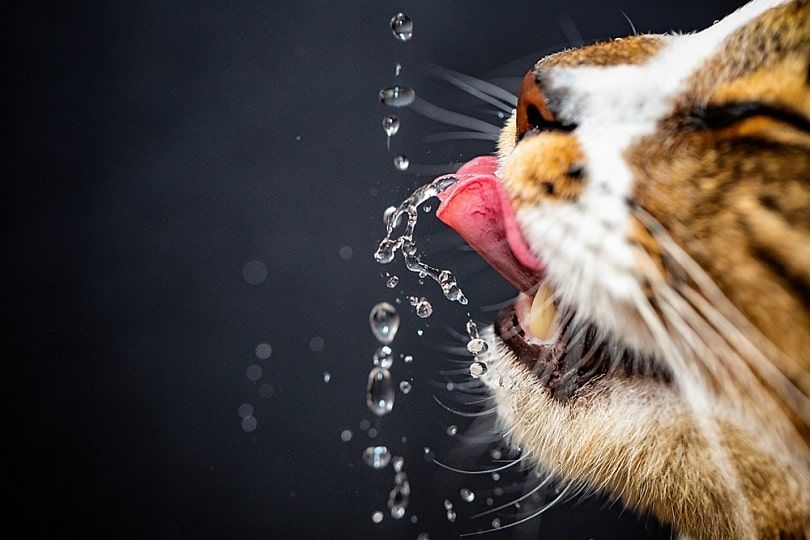
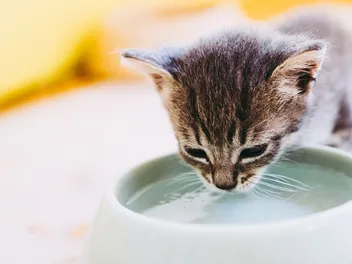
Although cats aren’t known to lap up a bowl of water like dogs, they need to remain hydrated, and it is also crucial for their water to be clean and fresh. There are a few sources of water and different ways it is treated, and it makes a difference to the health of our fur babies, so which water is best? In this article, we’ll go through the six best waters you can safely give your cat to keep them optimally hydrated! Let’s have a look.

The 6 Best Types of Water for Cats
1. Spring Water
Natural spring water is one of the best and most natural water sources for your cat. It comes from groundwater, and as it naturally flows to the surface of the ground, it is collected at the opening of the spring. It is considered pre-purified because it has traveled through natural filters like clay, sandstone, and limestone.
Once spring water is collected, it is analyzed to ensure that it meets the standards of the Environmental Protection Agency (EPA) and the Food and Drug Administration (FDA) before it is bottled and sold.

2. Filtered Water
Filtered water has been filtered after coming out of your tap at home. It can be purified using a filter attachment on your sink or a jug with a built-in filter. Filtered water is one of the cheapest, easiest, and most convenient ways to ensure your cat gets clean water. Filters remove impurities and debris to make the water safe and healthy for your cat to drink.
3. Mineral Water

Mineral water comes from an underground source and is typically bottled directly when it’s obtained. It contains at least 250 parts per million total dissolved solids and it retains the natural minerals from the underground source.
Some mineral waters are carbonated, which can add to their refreshing qualities. However, cats should only drink plain mineral water without added carbon dioxide gas.
Mineral water contains minerals and gasses like:
4. Alkaline Water
Alkaline water is water to which ions have been added to increase its pH to around 8 to 9 on the scale. The pH of regular water is approximately 6.5 to 7. Several health benefits for humans have been claimed; however, there is no scientific evidence that this type of water provides such benefits, and even less is known about its effects on cats.
Benefits of alkaline water include:
5. Reverse Osmosis System Water
The reverse osmosis system removes sediment, chloride, and dissolved solids. It results in up to 98% of dissolved solids removed, which makes it one of the healthier types of water for your cat to drink. It can easily be installed under your sink at home and is more environmentally friendly than bottled water.
It is one of the best waters you can give to your cat because the process filters out any contaminants without adding other chemicals to the water.

6. Tap Water
Tap water is the simplest solution, and it can generally be a trusted source of water since it is regulated and checked to ensure it is safe for human consumption. However, you must ensure that your tap water is of the best quality for your cat. If you won’t drink it, your cat shouldn't.
Frequently Asked Questions (FAQ)
Can Cats Drink Carbonated Water?
Carbonated or fizzy water is unsuitable for cats, as it may cause gastric upset. Your cat may even vomit or experience diarrhea, so keeping carbonated water out of their bowl is best.
Is Vitamin or Smart Water Good for Cats?
Vitamin water is made up of water with added vitamins and minerals. Cats should stick to drinking plain water; however, if your cat has a few sips, it should not harm them. If you feel your cat could benefit from vitamin water, you should speak to a vet for professional advice.
Is “Dirty Water” Safe for Cats?
It’s not uncommon to see your cat drinking from a puddle, the bath, a potted plant, the pond, and the toilet! This is often because they are curious or dissatisfied with the size and shape of their water bowl, the freshness of the water, or the bowl's position. If the water hasn't been circulating, it is stagnant and has a high chance of harboring bacteria and contaminants that can harm your cat. Some puddles may include harmful substances that you are unaware of, so you should try to keep your cat away from stagnant water sources.
Ponds and lakes often contain algae that can be toxic to your cat, and pool water contains chlorine, which can dehydrate your pet. The toilet bowl can be contaminated with cleaning agents, leading to health issues if your cat drinks it often.
How Much Water Should My Cat Drink?
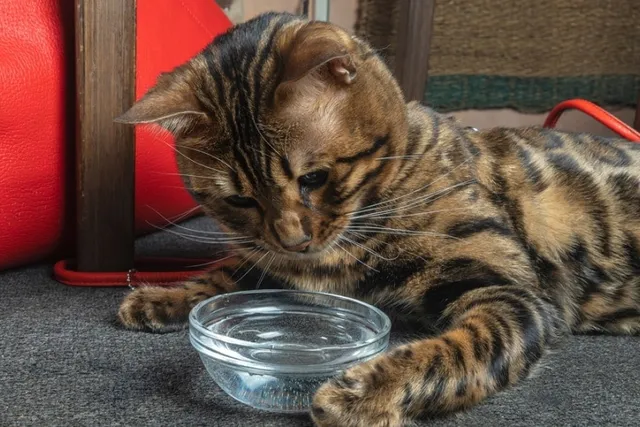
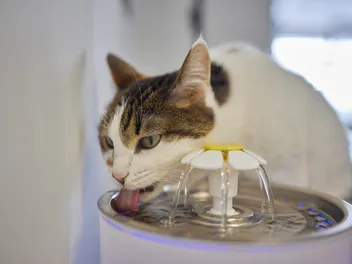
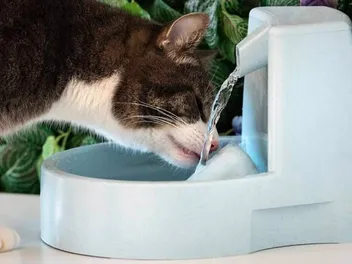
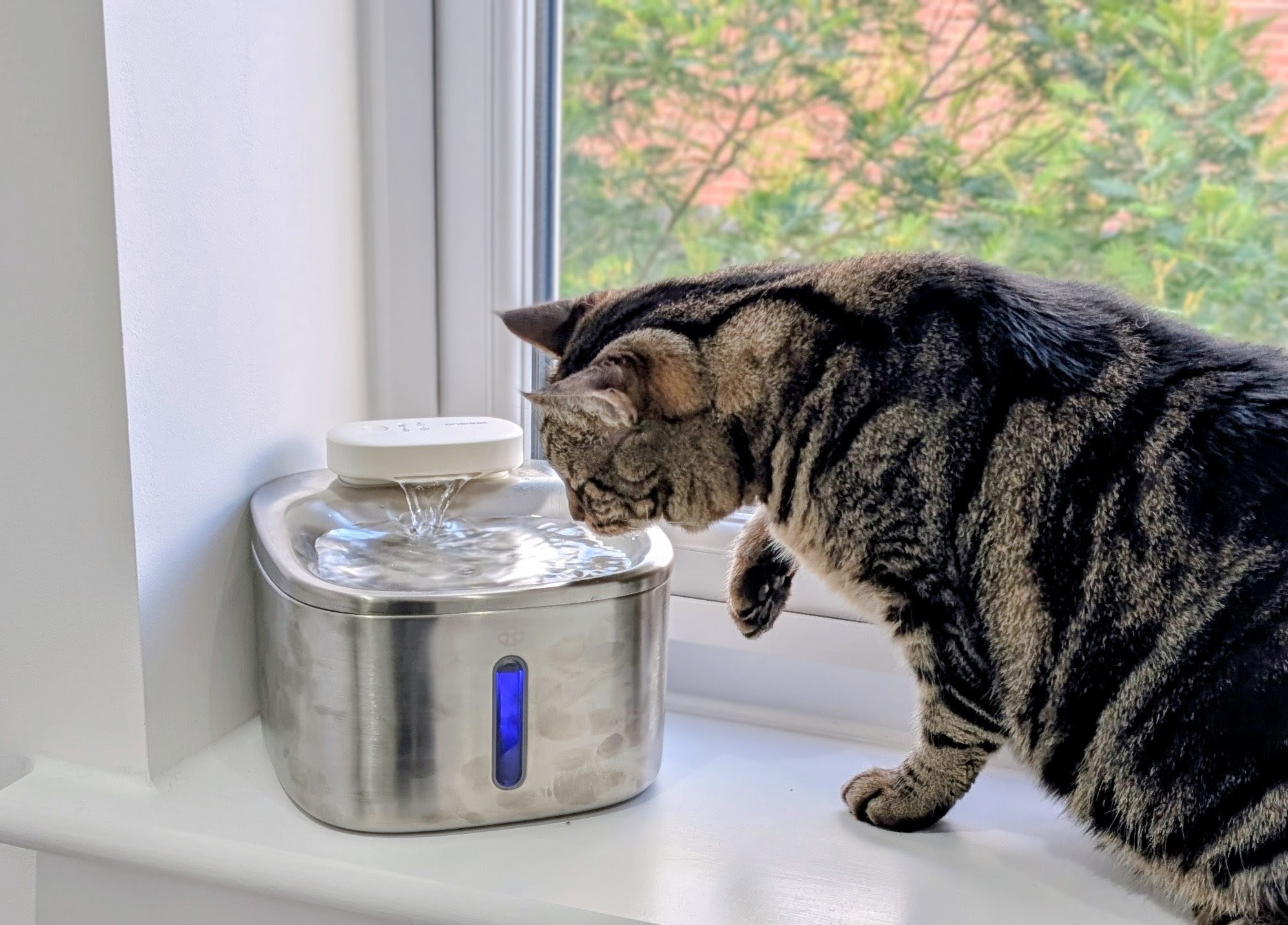
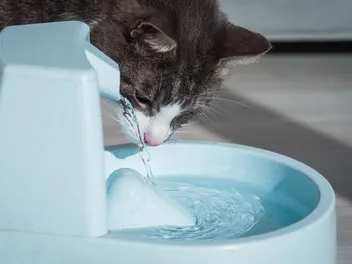
Your cat's water requirements depend on their age, diet, health situation, activity levels, and climate. Generally, cats should drink 4 ounces of water for every 5 pounds of body weight per day. Therefore, a 10-pound cat will need a cup of water daily. The most important thing is that your cat's water is clean. The best thing to do is ensure that your cat has access to clean, fresh water daily by refreshing the water several times or buying a cat water fountain.
Conclusion
When it comes to your cat’s hydration, the water quality is very important to their health. Your pet must have clean, fresh water that’s free of chemicals and contaminants. Spring water and filtered tap water are the better options, and you can easily add a filter to your tap for the easiest and most convenient water source. Purchasing bottled water can be very wasteful and expensive. You should also ensure you find the best way to give your cat water, whether with multiple bowls or a water fountain. This will ensure your cat doesn't choose unsuitable water sources over the water bowl.
See Also:
Featured Image Credit: AltamashUrooj, Shutterstock
Expert cat care, straight to your inbox
News, insights, and useful advice, delivered to you.

No spam — unsubscribe anytime.
By signing up, you agree to our Terms & Conditions and Privacy & Cookies Policy.
How useful was this post?
Click a star to rate. You can leave written feedback afterwards. (We read all feedback.)
Christian started writing for a local newspaper as a teenager, and he's been involved in the publishing industry for most of his adult life. Combining his love of writing with a passion for animals, he is currently the Director of Editorial at Pangolia and the Editor-in-Chief at Catster.
Christian lives in the Philippines with his wife, son, and four rescue cats: Trixie, Chloe, Sparky, and Chopper.