Can Cats Drink Smartwater or Flavored Water? Vet-Approved Nutritional Science & Advice


Water is one of the most important elements that living things need for survival as it plays an important role in proper body function. Of course, this includes cats as well; fresh water is absolutely essential for all pet cats (with the exception of nursing kittens).
A failure to drink enough water can lead to dehydration, which can lead to other health problems as well. That’s why it’s important that cats drink enough water. And as a cat owner, you may be wondering if you can give your cat certain types of water that are intended for human consumption.
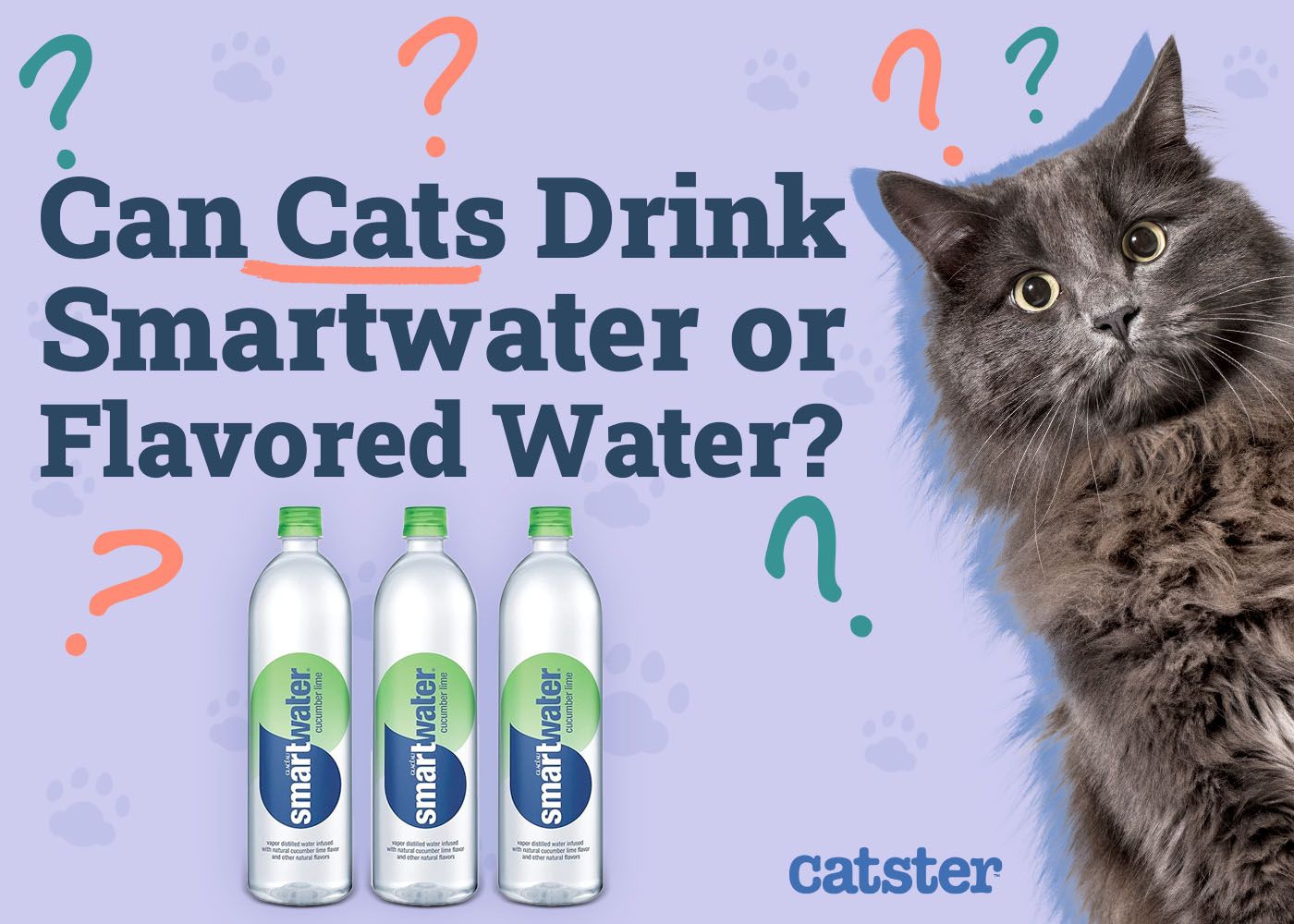
Cats can drink original Smartwater, but most flavored waters can only be assessed for their safety by looking at the ingredient label. Continue reading to learn why this is the case.

Can Cats Drink Smartwater?
Smartwater is made by Glaceau and is one of the most popular brands of water on the market today. Before we get into whether or not cats can drink Smartwater, it’s important to note that there are different types of water products under the Smartwater brand. Not only does Smartwater have plain bottled water (pH-balanced), but they also have alkaline water, water with antioxidants, and flavored water as well. The type of Smartwater determines whether it is safe for your cat.

What Types of Smartwater Are Safe for Cats?
In general, the original, pH-balanced Smartwater is safe for cats to drink. However it isn’t considered “healthy” for cats when compared to other drinking water (nonetheless, it is safe).
Original Smartwater contains no sugar, sodium, fluoride, and is made of vapor distilled water and added electrolytes. The product also contains some electrolytes added merely for taste. These might be appealing to us, but might not be readily accepted by cats, as their taste profile isn’t the same as ours. However, these electrolytes are safe for cats.
Other types of Smartwater other than the original that are safe for cats include:
- Smartwater Flavor - not dangerous but likely not recommended. Might not be readily accepted by some cats.
- Smartwater Antioxidant - safe for cats (though likely wouldn’t benefit them the way it would benefit humans)
- Smartwater Alkaline - the pH of this water is 9.5, a value that’s safe for cats. Therefore, cats can drink this. However, it’s likely not going to benefit them the way it would benefit humans
What Are Electrolytes?
Electrolytes are essentially substances that have a positive or negative charge when dissolved in a medium. They help to regulate your body, such as causing muscles to contract, balancing fluids, and hydrating you, especially because your body loses electrolytes through urination and sweat.
Examples of electrolytes include:
But, having too much or too few electrolytes in your body can lead to problems such as headaches, weakness, seizures, nausea and vomiting, kidney problems, etc., depending on what electrolytes there is an imbalance of.

What Do Electrolytes Have to Do With Cats?
In general, electrolytes work the same way inside a cat's body that they do in a human's. However, electrolyte requirements are very different in cats when compared to humans, therefore, a product that’s intended to rehydrate humans isn’t necessarily going to have the same effect on cats. In fact, it may make matters worse for cats.
Most rehydrating drinks and products on the market for human consumption are intended to replace the electrolytes we commonly lose as we sweat. Humans have an abundance of sweat glands, and during periods of strenuous exercise, we can lose electrolytes by virtue of sweating. The role of rehydrating drinks is to help us replenish electrolytes when we’re dehydrated.
With that being said, Smartwater is NOT a great option to give to cats that do seem genuinely dehydrated. Dehydration in cats means that their bodies are losing excess fluid. Signs of moderate dehydration include:
- Dry, tacky gums
- Lethargy
- A loss of appetite, or refusal to eat
- Weakness
- Sunken eyes
- An increased heart rate
- Loss of skin elasticity
Dehydration to this extent is never normal in cats, and therefore, if you suspect that your pet is dehydrated and showing any of the signs listed above, you should prioritize having them looked over by your veterinarian instead of just assuming they require electrolytes.
For cats that are very mildly dehydrated (such as on a hot day, or after a period of intense play), an increase in water intake is considered normal. Offering these cats incentives to drink more may help them rehydrate quicker.
If your cat is showing any of these signs, we recommend speaking with a vet.
Can Cats Drink Flavored Water?
All flavored water should be assessed for feline safety by looking over at its ingredients. When in doubt though, it’s best to avoid offering your cat flavored water. The primary concern with flavored water is the added ingredients, such as artificial or natural enhancers. Different brands of flavored water use different ingredients to enhance the flavor of their product. Therefore, it isn’t possible to make a generalized statement about their safety (or lack thereof) for cats.

What Is the Best Water for Cats?
So, you now know that Smartwater original is okay for cats, but flavored should be carefully assessed. With that being said, what type of water is the best for cats? The best answer to this question is that any plain water that is safe for humans is safe for cats too.
One reason that Smartwater should not be given to cats too often is that its price doesn’t make it worth it, even if it has added electrolytes. These are meant to help us replenish lost electrolytes after a bout of intense physical activity. But most water already has electrolytes in it, so your cat can get the electrolytes that he or she needs just by drinking regular water without any extra electrolytes added to it.
In general, tap water, bottled water, or any other type of filtered, treated water is the safest for cats as these types of water have been filtered to remove harmful substances or impurities. Distilled water is generally thought to be not good for cats because it has been too filtered and the electrolytes and minerals have been removed. Spring or well water is okay for cats occasionally, but neither of these types of water has been treated and still contains impurities.
How to Get Your Cat to Drink More Water
Getting your cat to drink more water is not always as simple as offering a different type of water to him or her, especially if your cat has a medical condition that your vet has diagnosed. For an otherwise healthy cat, you may have to change the way that water is offered to your cat instead. Here are some things you can try.
Consider a Dietary Change
One of the best ways to offer your cat a boost in their hydration is to consider a dietary change to fresh food which is high in animal protein and animal fats. The reason for this is that animal fats naturally contain a high amount of water. 100 grams of animal fat actually contain around 108 grams of water, therefore, fat is more “water heavy” than a diet that’s high in carbohydrates because carbohydrates don’t contain as much water as fat does.
This is part of the reason why wild cats are very successful in their arid desert environment, the fat in their prey offers them hydration in a geographical landscape where water is scarce.

Offer Wet Food
Wet cat food has a higher moisture content than dry food does, so if your cat isn’t drinking enough water, another idea is to transition to wet food. However, wet food still may not offer our cat all of the water that he or she needs, so you may have to add a bit more hydration to the food in order to get your cat to drink it.
The best way of adding hydration to your cat’s existing food is to consider a food topper. However, these toppers do contain calories as well, and therefore, you would need to balance your cat’s nutritional intake accordingly.
Try Different Dishes/Fountains
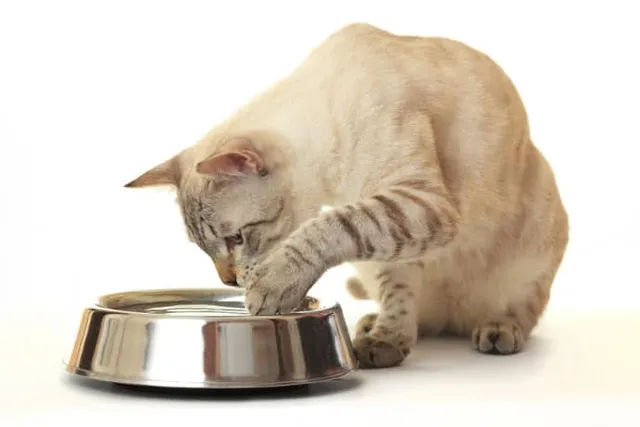
Some cats just don’t drink water because they don’t like the dish that the water is in. The dish may be too small or is the wrong shape for your cat, so try different water bowls until you find one your cat likes. Some cats also don’t like standing water and prefer to drink water that is moving. If that’s the case, try a bowl with a water fountain that keeps the water constantly flowing.

Change the Location
Your cat may just not like the location of the water bowl. Maybe it’s too close to the food or litter box, for example. Or maybe you have multiple cats and your cat doesn’t like to share a bowl. In either case, moving the bowl or adding more bowls may entice your cat to drink more water.
Final Thoughts
Smartwater original is okay for cats in small amounts, but flavored water is not. If your cat isn’t drinking enough water, there are some things you can try to get your cat to drink more without offering water that isn’t good for them.
However, it is important to keep in mind that dehydration isn’t considered normal in cats, and if you suspect that your cat isn’t drinking enough water, have your veterinarian examine them to find out the underlying cause of their dehydration.
Related Reads:
Expert cat care, straight to your inbox
News, insights, and useful advice, delivered to you.

No spam — unsubscribe anytime.
By signing up, you agree to our Terms & Conditions and Privacy & Cookies Policy.
How useful was this post?
Click a star to rate. You can leave written feedback afterwards. (We read all feedback.)
Savannah started as a science teacher and is now a full-time freelance cat writer. She loves traveling, tending her garden, and writing about wildlife and nature. She's also the proud parent of a daughter, three cats (Thunder, Kittylina, and Bubba), a long-haired Chihuahua (Penny), and a turtle (Creek).