Is Cat Water Additive a Good Idea? Vet Approved Pros & Cons


In this article
Dental hygiene plays an important role in a cat’s overall health. It’s essential to develop a dental hygiene regime to ensure the teeth and gums stay healthy in order to prevent other medical problems occurring down the road, such as broken teeth or periodontal disease. Even worse, your cat will constantly swallow bacteria from infected gums, which might cause damage to vital organs.
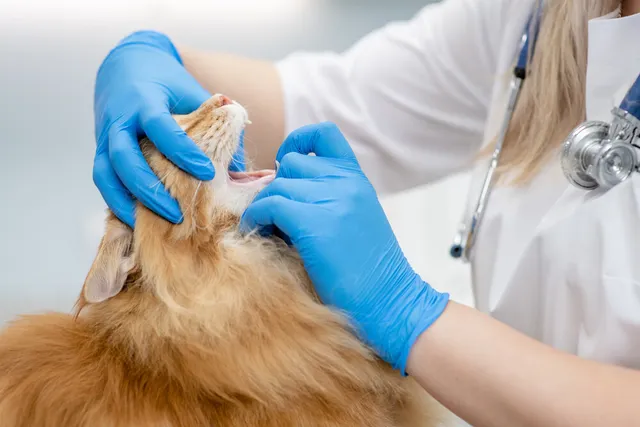
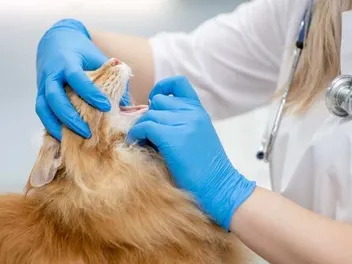
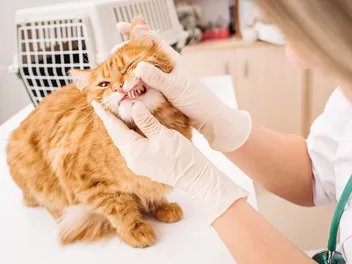
Suppose your cat has bad breath, which is typically a sign of an oral hygiene issue. The first step is to take your cat to the vet for a thorough oral examination so that the source of the bad smell can be found and treated. Once you’ve made sure your cat’s teeth are healthy, how do you maintain a sweet-smelling, healthy mouth in the years to come? Are cat water additives a good idea? Let’s examine this topic and explore the pros and cons of adding water additives to your cat’s water bowl.

Before You Start
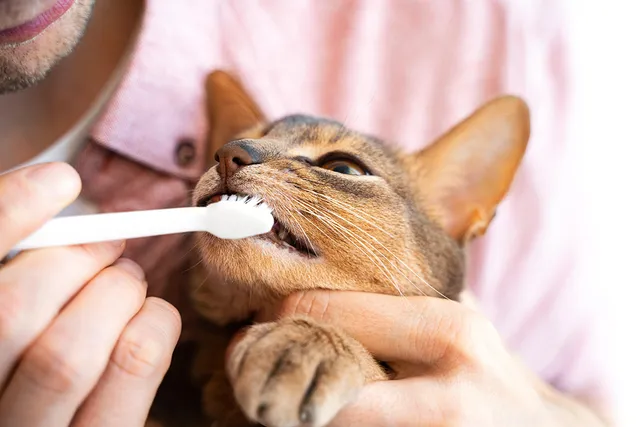
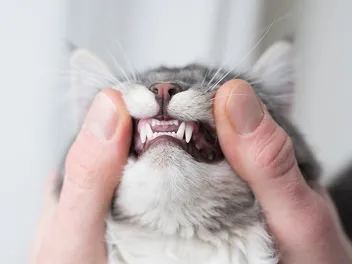
Brushing your cat’s teeth a few times a week with a cat-approved toothpaste1 is the single best thing you can do to keep plaque and tartar from forming on the teeth. When plaque hardens, it creates a porous, rough surface that allows bacteria to grow. Once this happens, the only way to truly remove the tartar is by a dental cleaning by your veterinarian. Once your cat’s teeth are cleaned, it’s up to you to keep the teeth and gums healthy.

If you add a water additive to your cat’s water bowl, ensure it is accepted by the Veterinary Oral Health Council (VOHC) for safety. We should note that adding a water additive should not take the place of brushing your cat’s teeth, but for some cat parents, teeth brushing is just not a reality. You can feed a kibble dental diet that gently scrapes plaque as your cat eats to help, but it’s best to use a combination of teeth brushing (if your cat allows it) and dental diets/treats in addition to a water additive.
You can also use a Q-tip to wipe the teeth a couple of times daily to help keep plaque down. Dental wipes are also an effective way to remove plaque before it turns into tartar. Some cats just won’t allow you to do this, so be careful not to get bitten when trying these methods.
Brushing your cat’s teeth takes time and patience. It is important that you are both in a calm mood before starting and that you give your cat the time to become comfortable with each step before moving on to the next one. This video demonstrates the steps and technique well.
Pros of Adding a Water Additive
1. Helps Reduce Plaque and Tartar Buildup
As we've mentioned, dental problems arise when plaque builds up on the teeth, calcifying and turning to tartar. Tartar below the gum line leads to periodontal disease if left untreated, so it’s imperative to keep your cat’s teeth as clean as possible. When tartar is present, the only way to remove it is through a dental cleaning, which is something only your veterinary surgeon can do and requires a general anesthetic. Studies show that adding a water additive to your cat’s water will help keep plaque down by 50%, which can help keep your cat’s teeth healthy.
2. Freshens Breath
Water additives can help with stinky breath, which is always welcomed! Fresh breath is also a sign that your cat’s dental hygiene is in check.

3. Fights Bacteria
Water additives can help eliminate bacteria in your cat’s mouth each time your cat drinks water, which is the culprit for plaque formation on the teeth.
4. Provides a Dental Hygiene Alternative
Even though water additives should not take the place of teeth brushing, they can provide some sort of defense for cats who will not allow their teeth to be brushed.
5. Some Come in Various Flavors
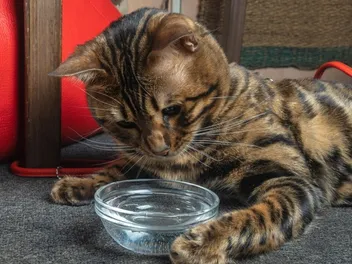
All cat owners know it’s a battle sometimes to get a cat to drink water, and some water additives will entice your cat to drink if it’s a pleasant flavor. They also come in tasteless and odorless forms, so you may need to experiment to see what your cat prefers.

Cons of Adding a Water Additive
1. Could Deter Some Cats From Drinking
Again, some cats drink little water, and if you’re a cat owner who feeds mostly wet canned food to hydrate your kitty, water additives may not work. Also, if the water additive has a flavor your cat does not like, it could deter him from drinking water altogether, and you certainly don’t want that to happen—if it does, try the odorless and tasteless form of additive.
2. Less Effective in Automatic Water Fountains
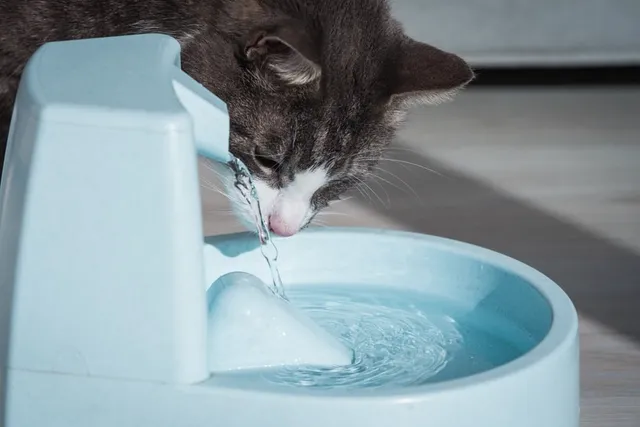
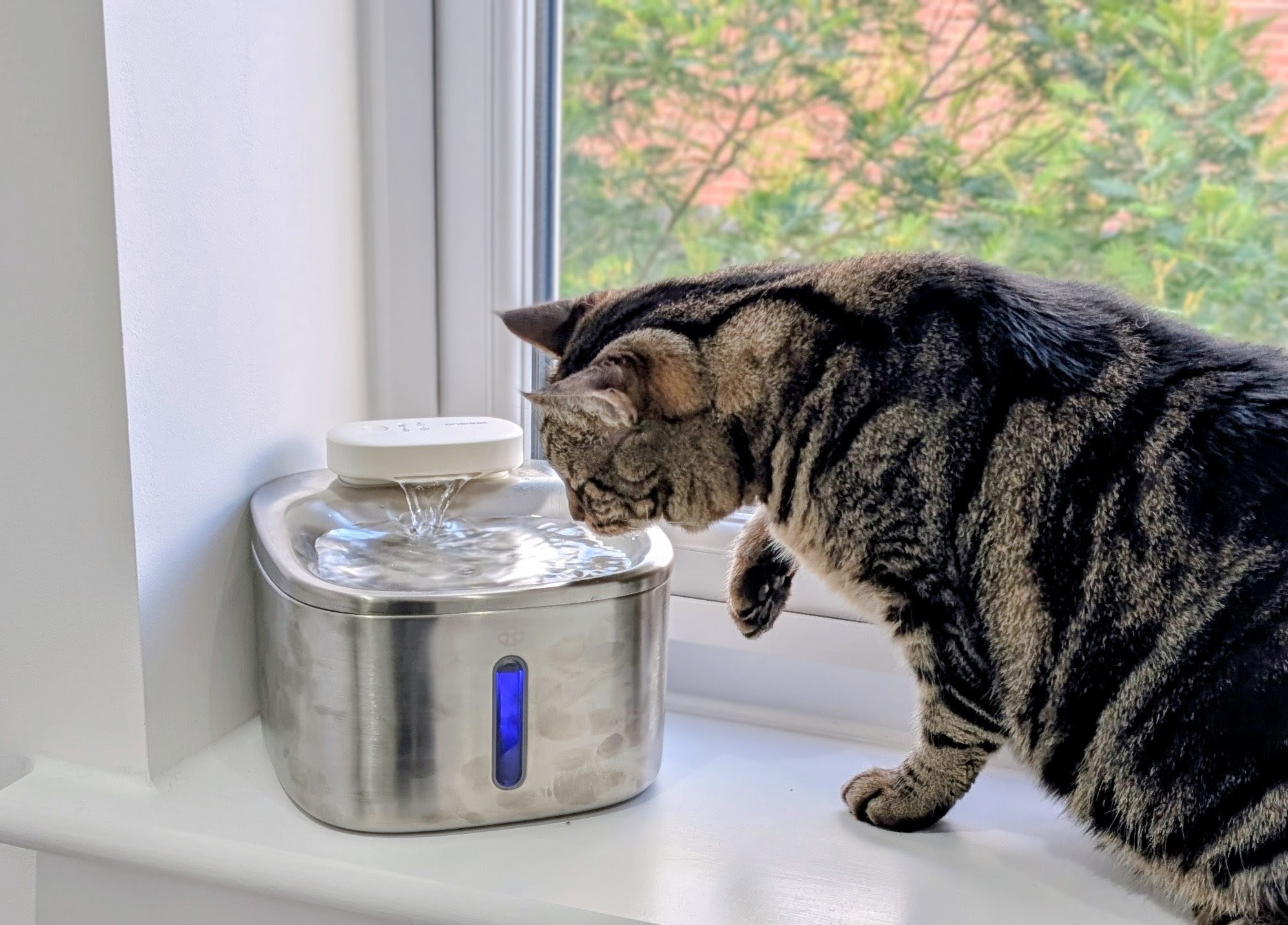
You can use water additives in some automatic water fountains, but keep in mind that the water fountain may cause the additive to lose effectiveness. As the water fountain filters the water, it may inadvertently filter out some of the effective ingredients in the additive.

3. Not 100% Effective
Water additives are not a complete solution for dental hygiene for your kitty. While water additives do help with keeping plaque down, it’s not meant to replace brushing your cat’s teeth; however, they are a good alternative if you have no other choice.
4. May Cause Sickness in Some Cats
Some pet parents report their cat developed vomiting and diarrhea after drinking a water additive, so it’s wise to monitor your cat and discontinue use if your cat gets sick. Most water additives use all-natural ingredients, such as green tea leaf extract, glycerin, sodium benzoate, pomegranate extract, and erythritol (a natural sweetener).
Conclusion
As long as you buy a water additive that is VOHC-approved, there is no harm in trying a water additive for your cat. Keep in mind that water additives do not work for all cats, and they are not meant to take the place of other dental hygiene regimens, such as teeth brushing and dental diets. Have your cat’s teeth checked yearly by your vet, and if you notice a decrease in appetite or bad breath, take your kitty in for an examination.
Expert cat care, straight to your inbox
News, insights, and useful advice, delivered to you.

No spam — unsubscribe anytime.
By signing up, you agree to our Terms & Conditions and Privacy & Cookies Policy.
How useful was this post?
Click a star to rate. You can leave written feedback afterwards. (We read all feedback.)
Rachel Giordano is a Pensacola, Florida-based musician and writer. She lives with her partner and their two dogs, Sophie, a Boston Terrier, and Aero, a Border Collie/Sheltie mix. Rachel holds a Bachelor of Arts degree in communication and loves writing about all types of cat breeds. When she’s not writing about cats, she loves to write suspense/thriller novels. A musician by night and writer by day, she enjoys sharing her knowledge of the needs and requirements of our furry friends.