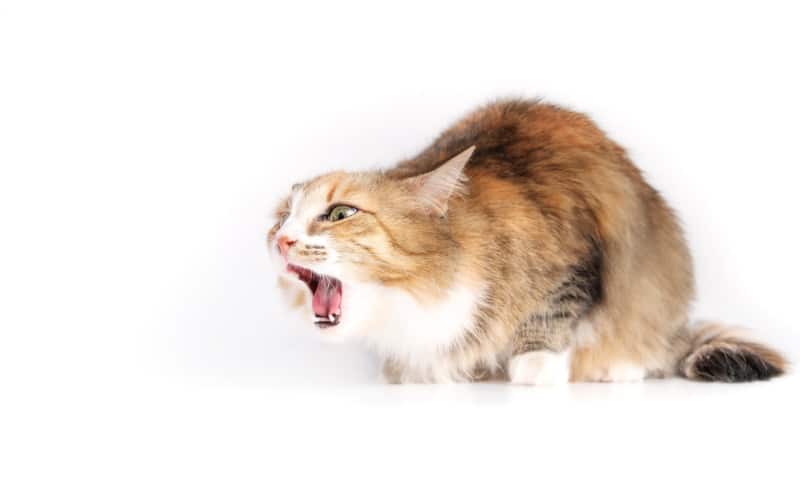
My Cat Just Threw Up, What Should I Do? (6 Vet-Approved Treatment Tips)

In this article
Vomiting is common in all cats, but excessive throwing up is not normal. If your cat is throwing up excessively every few weeks, you should take them to a vet as soon as possible. However, if this is your cat’s first time, you can try different methods at home to bring your pet back to normal.
Cats throw up for many reasons, such as food allergies, diabetes, irritable bowel disease, cancer, or kidney disorders. Vomiting might also be your cat’s reaction to eating something wrong. If you just found your cat throwing up, you are at the right place. This guide includes six crucial tips to develop your next action plan. So, let’s dive in.

Vomiting vs. Regurgitation
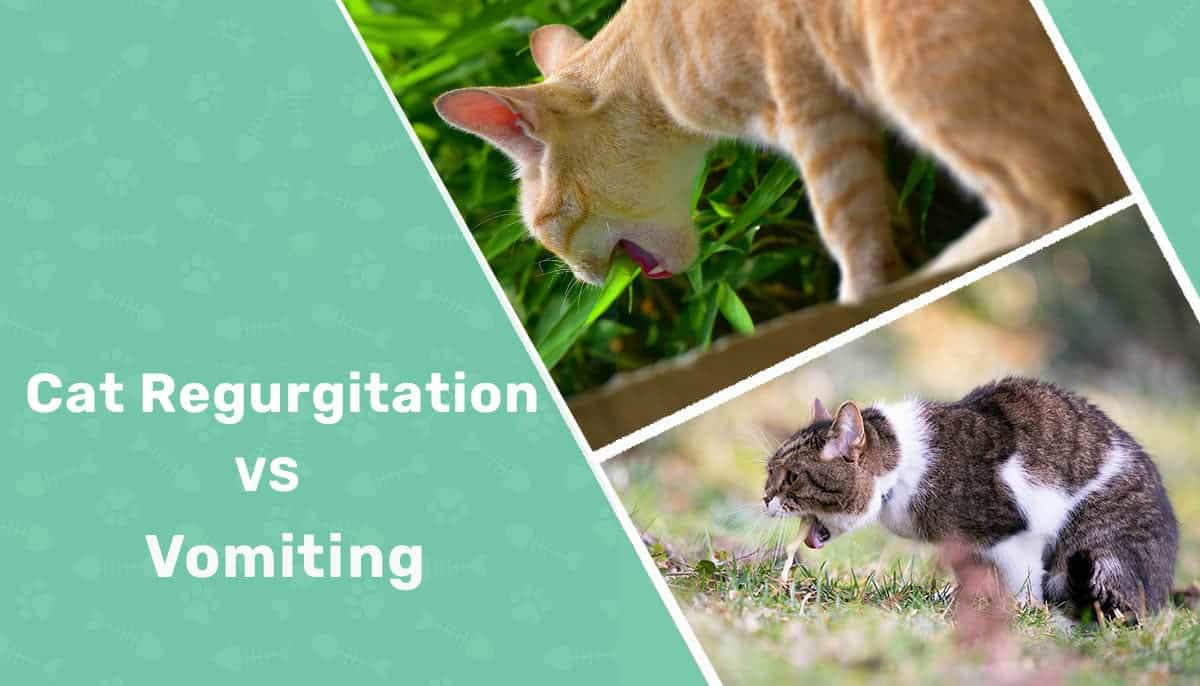
It’s essential to understand how vomiting differs from regurgitation before finding the treatment for your cat’s condition. Many cat owners also mistake vomiting for coughing, but all these three conditions are quite different.
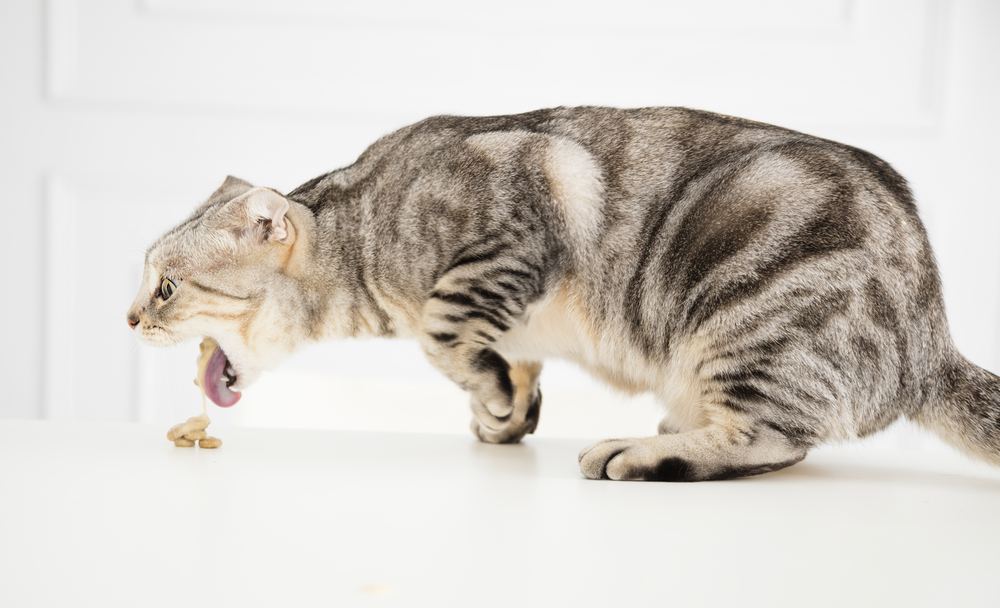
Vomiting is when the content in your cat's stomach and small intestine comes through their mouth. It begins with severe contraction of the cat’s abdominal muscles, requiring the animal to apply force to eject the vomit.
On the other hand, regurgitation doesn’t involve any type of force or abdominal contractions. Instead, it is a passive motion that expels the contents from the cat’s mouth and stomach. Regurgitation typically occurs when your cat has just finished eating or drinking, indicating an issue with the animal’s esophagus.
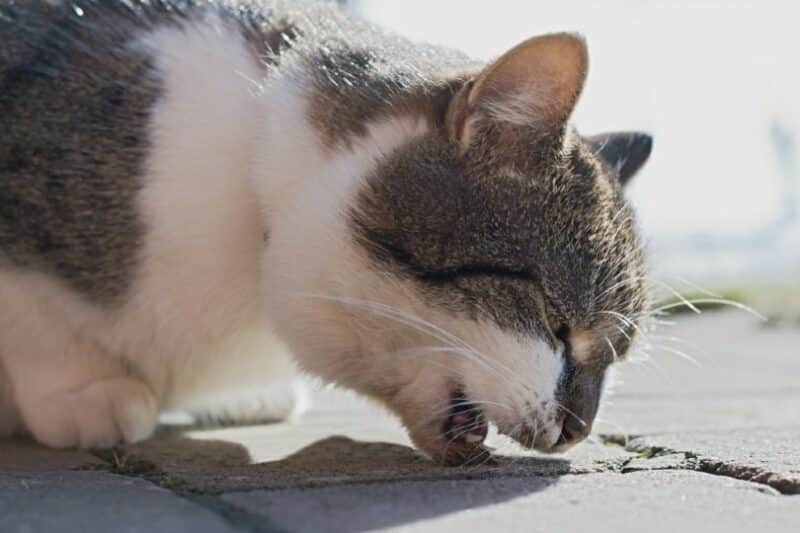
Coughing involves force, but nothing comes out of your cat’s mouth. It may look like your cat is vomiting by crouching down on their legs and stretching their neck. Sometimes, froth or foam may fill your cat’s mouth, but they usually swallow it again.
If you can’t understand the difference between vomiting, coughing, and regurgitation, you might record a video of your cat’s vomit and show it to your vet. Doing so will help diagnose your pet's condition.

How to Effectively Clean Up Cat Messes, Odors & Stains
The first part of cat mess prevention is ensuring you are taking the time to properly clean any accidents - and that starts with investing in the right products! Of course, you'll want to opt for something safe first and foremost, to protect your feline's health, but secondly, you'll need a solution powerful enough to lift the toughest, stinkiest, most set-in stains. After careful consideration, we fell in love with one product and highly recommend it to all pet owners!
Our Favorite Enzyme Cleaner
| Rating | Image | Product | Details | |
|---|---|---|---|---|
Best Enzyme Spray
 |
|
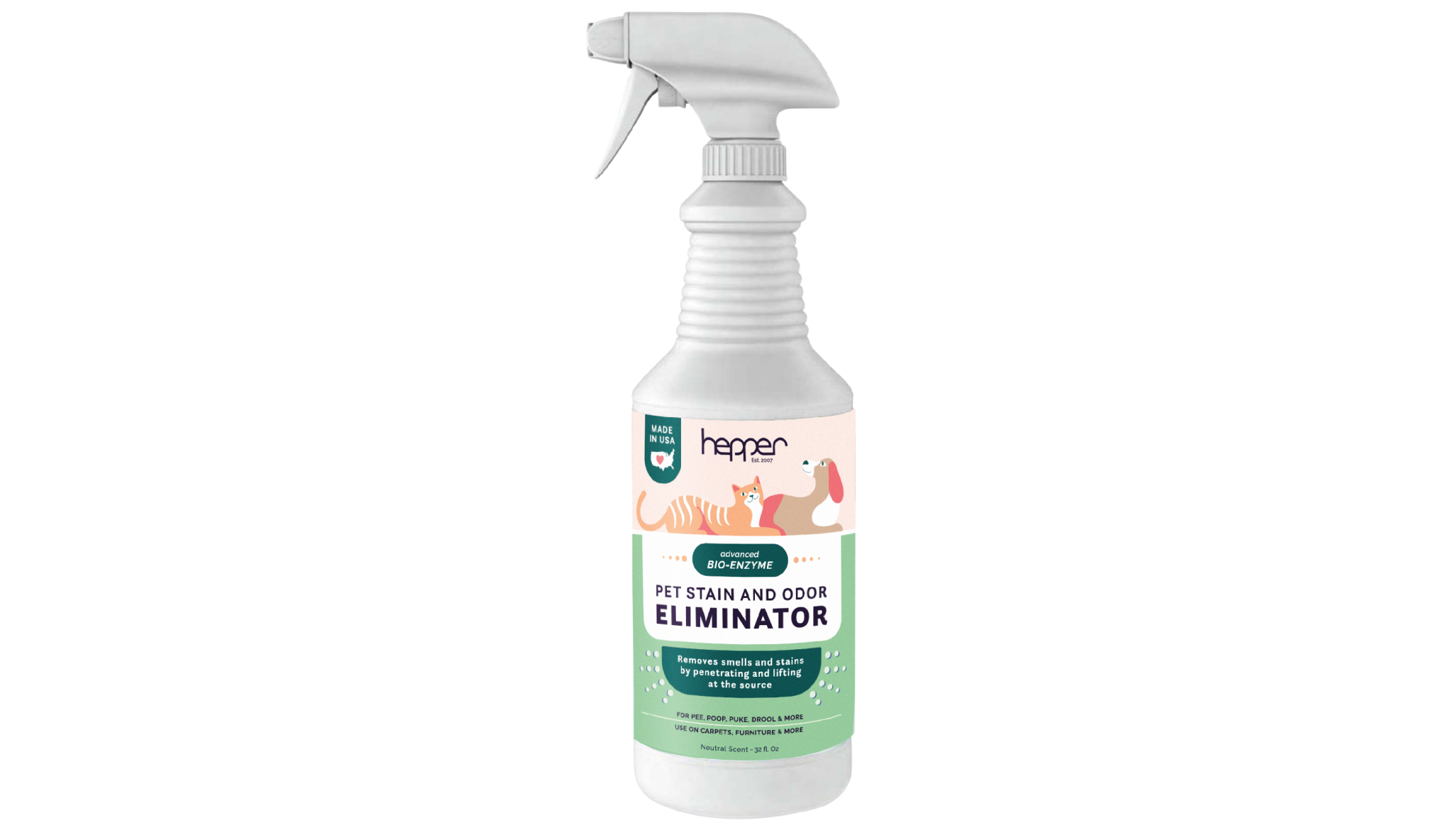
Hepper Advanced Bio-Enzyme Pet Stain & Odor Eliminator Spray |
|
Check Price |
There are several reasons we can't get enough of the Hepper Advanced Bio-Enzyme Pet Stain & Odor Eliminator Spray. It permanently removes the very worst smells and stains, it can be used on a multitude of surfaces and its neutral scented, meaning no odor masking! It comes in a generous 32-oz bottle and comes with 100% satisfaction guarantee. Learn more about this holy grail of a cleaner here!
At Catster, we’ve admired Hepper for many years, and decided to take a controlling ownership interest so that we could benefit from the outstanding products of this cool cat company!

What Makes Your Cat Throw Up?
Cats can throw up whether or not they're sick. They may throw up right after eating too fast or too much. They may also vomit in response to a change in their environment.
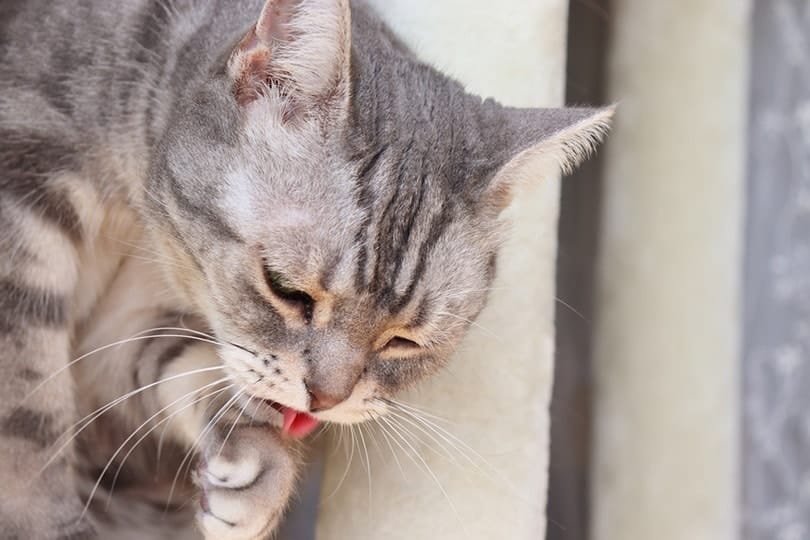
Cats with long hair are also likely to engulf hairballs that stick in their stomach, which they might end up throwing up. It’s normal if your cat vomits a hairball every 1 or 2 weeks. Doing so helps them prevent blockages from their digestive passage.
Remember, ejecting hairballs is not painful for your cat, but you should brush their fur regularly to keep it maintained. Some other common causes that make your cat vomit include the following:
- Cancer
- Diabetes
- Hyperthyroidism
- Kidney disease
- Food allergies
- Food poisoning
- Intestinal parasites
- Inflammatory bowel disease
- Foreign objects stuck in their digestive tract
These signs can cause a severe life threat to your pet, but early intervention can help them live a long, healthy life.

The 6 Important Tips to Treat Vomiting in Cats
Preventing the reasons for vomiting will be more comfortable for your cat than receiving the treatment. Thus, you must identify things that trigger vomiting in your cat and remove them from your cat’s surroundings.
Here are six effective tips to prevent and treat excessive vomiting in your cat:
1. Is Hair Involved?
Hairballs are the common cause of vomiting in cats, especially those with long hair. If this is the reason behind your cat's illness, you can try switching to over-the-counter (OTC) hairball formulae upon your vet’s prescription.
These products prevent hairball formation by breaking it into smaller pieces through special enzymes. As a result, your cat does not throw up frequently. A high-fiber diet is also recommended for cats that vomit hairballs. Only give products to your cat after consulting a professional vet.

2. Evaluate Your Cat’s Diet
If your cat throws up, you should go through its diet and see what went wrong. Eating too many table scraps or treats can make your cat vomit at any time. Thus, modify your cat's daily diet and monitor the quantity you give them. Always provide them with smaller portions multiple times a day.
You should always give your pet high-quality cat products and include nutritious foods in their diet. That's the only way to keep your cat healthy in the long run.
3. Remove Objects That Are Not Edible
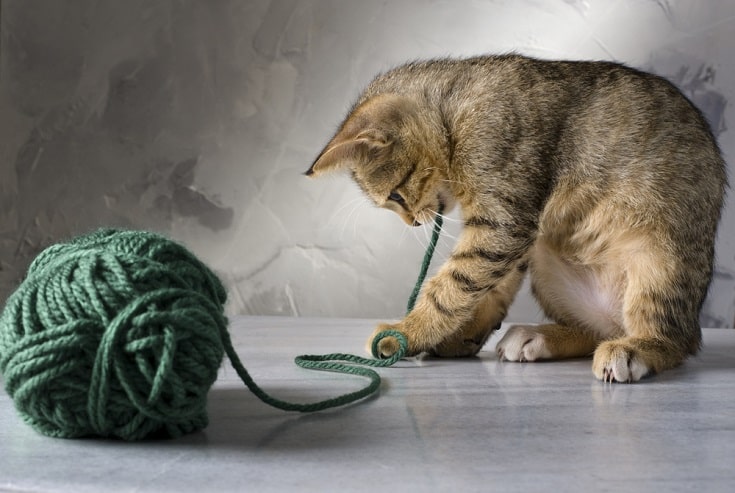
Your work isn't done even if your cat has returned to their normal condition. Instead, you should look around and find non-food objects that your cat may swallow and vomit later. Cats are naturally curious, which is why they often get into accidents that make them sick.
You should remove toys, yarn, medicine, toxic plants, chocolate, and other tiny objects that your cat can ingest quickly. These objects can lead to digestive complications in your feline friend.
4. Inquire About a Special Cat Diet From Your Vet
If this is the third or fourth time your cat has vomited, you should take it to a vet to diagnose any underlying health issue. Food allergies, poisoning, and inflammatory bowel diseases are two common causes of frequent vomiting in cats.
If your doctor diagnoses any of these conditions in your cat, they prescribe you a special diet to avoid vomiting again.
5. Test for Acute Vomiting
You should immediately take your cat to a hospital for emergency treatment when its condition doesn't seem to improve. The doctor will identify whether your cat has chronic vomiting or acute vomiting.
In acute vomiting, cats rarely throw up. To identify this condition, the veterinarian will perform the following tests:
If these tests are negative, your cat is diagnosed with acute vomiting. The vet will prescribe you anti-nausea supplements for treatment.

6. Seek Medical Attention for Chronic Vomiting
Chronic vomiting is when your cat frequently vomits for months or once a week. Your vet will perform the below tests to diagnose this condition in your pet and determine the best treatment:
After performing these tests, your vet can differentiate between gastrointestinal lymphoma, food hypersensitivity, and inflammatory bowel disease. They may also recommend a new diet before performing these tests if your cat's condition is related to food poisoning.
When Should You Call the Vet if Your Cat Vomits?
It is not necessary to contact a vet right after your cat throws up. That is because occasional vomiting is often not serious, and your cat will start feeling better after some time. However, there are some conditions in which you should call the vet right away. These include the following:
Conclusion
Occasional vomiting is common in all cat breeds, but excessive throwing up is not. If your cat has just thrown up, you should calm them down and remove all non-food items from their surroundings.
You can also feed them about 25% of their regular food after waiting for some hours. Wait for some time and see if your cat digested it properly. Then, increase their meal gradually over the next day.
However, if your feline vomits again, you will need a professional vet’s help to diagnose your pet’s underlying health issues. The vet will develop the best treatment plan to ensure your cat's optimal health.
See also:
Featured Image Credit: Tunatura, Shutterstock

Expert cat care, straight to your inbox
Vet-reviewed advice, behavior tips, and the best of Catster. Free, and you can unsubscribe anytime.
By signing up, you agree to our Terms & Conditions and Privacy & Cookies Policy.
Jessica is a freelance writer who spends most of her day researching and writing while her fluffy Cavapoo, Nora, naps beside her. She loves and appreciates pets and animals because there’s so much to learn from them, and they do so much for people. As a dog owner, she understands the special connection that pet owners form with their pets. She loves sharing helpful information that people can use to better understand their pets. When she’s not writing, you can find her walking dogs, tending to her plant babies, or drinking her nth cup of coffee.
Join the conversation
Ask a question, share your story, or send private feedback.