Cat Regurgitation vs. Vomiting: Vet Reviewed Differences & How to Help


In this article
Owning a cat or several of them comes with a great deal of responsibility. Felines are independent creatures that can practically take care of themselves. However, if your cat gets sick or is involved in an accident, as a responsible pet parent, you need to know the best course of action to help them. That’s why being aware of the difference between vomiting and regurgitation is crucial.
Regurgitation and vomiting can appear to be the same thing, but to a trained eye, there are several significant differences between them. Knowing these will help you determine if your cat is coughing up a hairball, for instance, or is genuinely sick and needs veterinary care immediately. To learn those differences and become a better cat caretaker, read on.


At a Glance
Overview of Vomiting
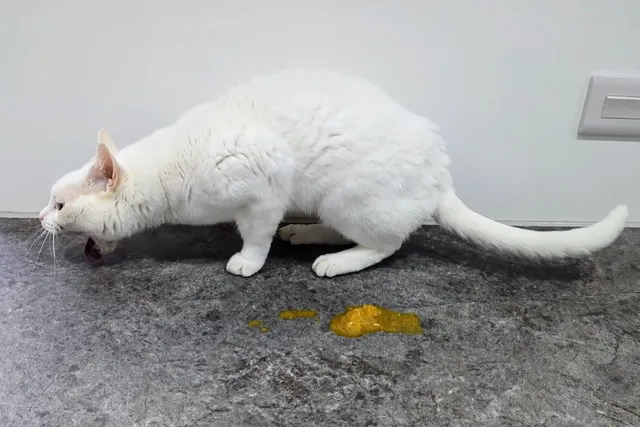
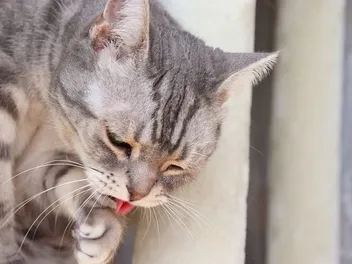
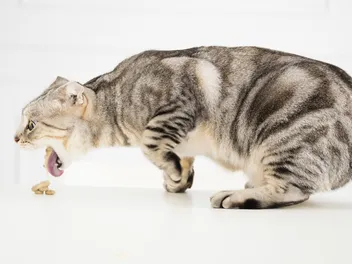
Vomiting in cats happens when their body is actively expelling or evacuating food that has already reached their stomach and upper intestine and is being digested. While vomiting can be a sign that a cat is ill or suffering from a dire health issue, it can also be a benign issue.

Do Cats Vomit When They’re Healthy?
Cats can and do vomit when they’re healthy, most often when they “cough up” a hairball caused by ingesting hair when grooming themselves. The sound that accompanies the vomiting of hairballs is why it is often mistakenly referred to as “coughing up.” This is an example of acute vomiting. Cats can sometimes vomit for 1 to 3 days and then stop once their body has resolved the problem—for example, if your cat eats spoiled food or a moderately toxic plant. A cat that vomits once or twice a month with no other signs will likely be fine.
What Health Issues Can Cause Severe Vomiting in Cats?
Severe vomiting must be treated as quickly as possible since an underlying issue usually causes your cat to throw up. The most common causes of severe vomiting in cats include the following:
- A bacterial or viral infection
- An obstruction in your cat’s stomach or intestines
- Liver and thyroid disease
- Cancer
- Inflammatory bowel disease
- Urinary tract obstruction
- Worms
- Furballs
- Gastritis (stomach inflammation)
- Food allergies
- Diabetes
- Pancreatitis
Overview of Regurgitation
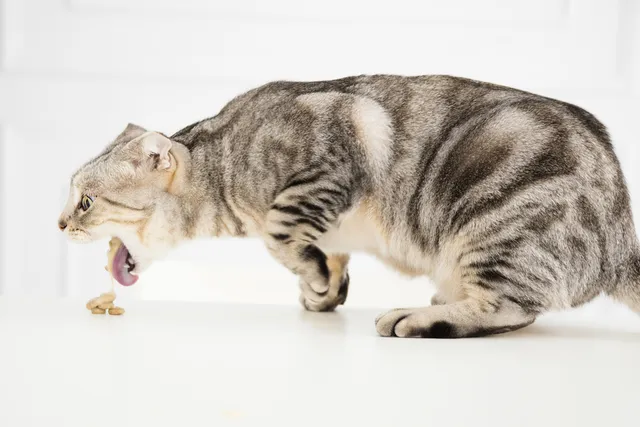
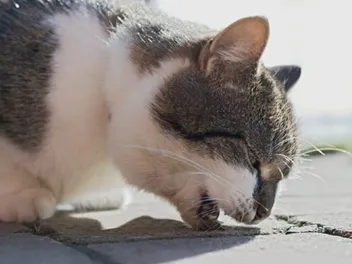
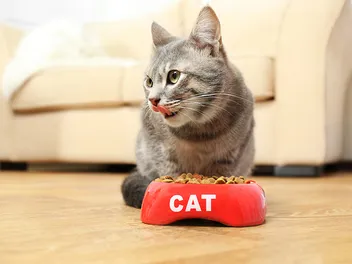
The main difference between regurgitation and vomiting is that the food your cat regurgitates hasn’t started digesting in their stomach. Another difference is that rather than being an active process, regurgitation is passive and occurs automatically when your cat’s body expels undigested food. In other words, your cat doesn’t think about regurgitation; their body makes it happen. Another difference is that there’s no accompanying nausea, and your cat won’t have strong, painful contractions in their abdomen, which are often seen with vomiting.

Do Cats Regurgitate When They’re Healthy?
Cats may regurgitate when they’re healthy. Several things can force your cat’s body to regurgitate something, and it’s rare for the issue to be serious.
They include the following:
What Health Issues Can Cause Severe Regurgitation in Cats?
Most regurgitation issues aren’t severe and don’t require intervention. If, however, your cat suddenly starts regurgitating frequently or has been regurgitating since they were a kitten, the following health issues might be to blame:
- Your cat has an esophageal obstruction.
- Your cat has an esophagus abnormality.
- It’s idiopathic (there’s no way to tell the cause).
When Should You Contact a Veterinarian in Cases of Vomiting?

As we’ve seen, vomiting can be acute and go away naturally, leaving your cat no worse for the wear. If it happens about once or twice a month and goes away as quickly as it comes and your cat is otherwise fit and healthy, there’s generally no need to worry. However, chronic vomiting or sudden, severe vomiting are two signs that your cat needs veterinary assistance. If your feline friend has been vomiting for over 24 hours and has any of the following signs, you should take them to your veterinarian immediately.
- They seem to have extreme lethargy.
- They've lost weight.
- Their gums are unusually pale.
- They're also having moderate to severe diarrhea.
- There are flecks of blood in your cat’s vomit.
- They are drinking and urinating far more than usual.
- They can’t stop vomiting or keep any food down.
When Should You Contact a Veterinarian in Cases of Regurgitation?
Far fewer cats go to the vet for regurgitation-related issues than for vomit-related issues. Regurgitation is usually caused by something that just happened or that your cat just ate, and it typically isn’t life threatening. If a cat regurgitates one or two times a month, you can consider it normal behavior.
However, if your cat is regurgitating more often (or has been since they were a kitten), that’s a sign something isn’t right. If your cat regurgitates frequently and has any of these signs, you should get veterinary care immediately.
- Lethargy
- Extreme weight loss
- Change in behavior
How Can I Help My Cat’s Vomiting or Regurgitation At Home?
If your cat is vomiting or regurgitating frequently, they need to be examined by a vet so you can get a proper diagnosis and have a treatment plan formulated. However, if your cat is only doing these things occasionally, there are some things you might want to consider trying at home to help relieve any digestive issues.
Slow Things Down
If your cat tends to gulp down their food as though they haven’t eaten for days, try slowing down their feeding pace by using a large, flat bowl to spread their food over, a slow-feeder bowl, or a feeding puzzle.
Parasite Prevention
Intestinal worms can cause gastrointestinal inflammation and obstructions, and fleas can lead to overgrooming and hairballs, so make sure your cat is up to date with flea and worming prevention.

Hairball Treatment
If you suspect that hairballs might be triggering your cat’s upchuck reflex, you might want to try adding a supplement to their food. Additionally, extra brushing sessions to remove excess fur will go a long way in reducing the amount of hair your cat ingests when grooming themselves.
A change in diet
Cats can become sensitive to certain ingredients in their food, and trialing one that is designed for cats with sensitive stomachs could be just what the doctor ordered. Look for high-quality foods that contain just one or two animal proteins, ideally ones that your cat hasn’t eaten before, and fewer additives. When introducing a new food, make sure you slowly change from old to new over a week to avoid causing any additional gastrointestinal upset. Don’t make any dramatic changes without first checking with your vet, especially if your cat has any health conditions.

Final Thoughts
Regurgitation and vomiting in cats can, at first glance, appear to be the same thing. That’s not the case, however. A vomiting cat might be getting rid of some rotten fish that they ate the night before or “coughing” up a hairball. However, a cat that’s frequently vomiting might also have diabetes, cancer, or several other life-threatening health issues. Regurgitation is usually benign and happens when a cat eats too fast, drinks too much water, or gulps down their food like a dog. Occasionally, regurgitation can be a sign of a deeper health issue, but the risk is relatively low. We hope that this information has been helpful and clarified the difference between vomiting and regurgitation in cats. While they may seem the same, the two health issues are quite different, and knowing how makes you a better pet parent!
Sources
Featured Image Credit by: (L) AjayTvm, Shutterstock | (R) Nils Jacobi, Shutterstock
Expert cat care, straight to your inbox
News, insights, and useful advice, delivered to you.

No spam — unsubscribe anytime.
By signing up, you agree to our Terms & Conditions and Privacy & Cookies Policy.
How useful was this post?
Click a star to rate. You can leave written feedback afterwards. (We read all feedback.)
Gregory Iacono former chiropractor and self-taught writer. Greg has experience in a wide variety of subjects including video script. As a man of clinical experience, Greg has the ability to digest a complex subject and make it accessible to the reader. Greg enjoys traveling and spending time with his two daughters and son.