Siamese Cat vs. Oriental Shorthair Cat: Vet-Verified Key Differences (With Pictures)


In this article
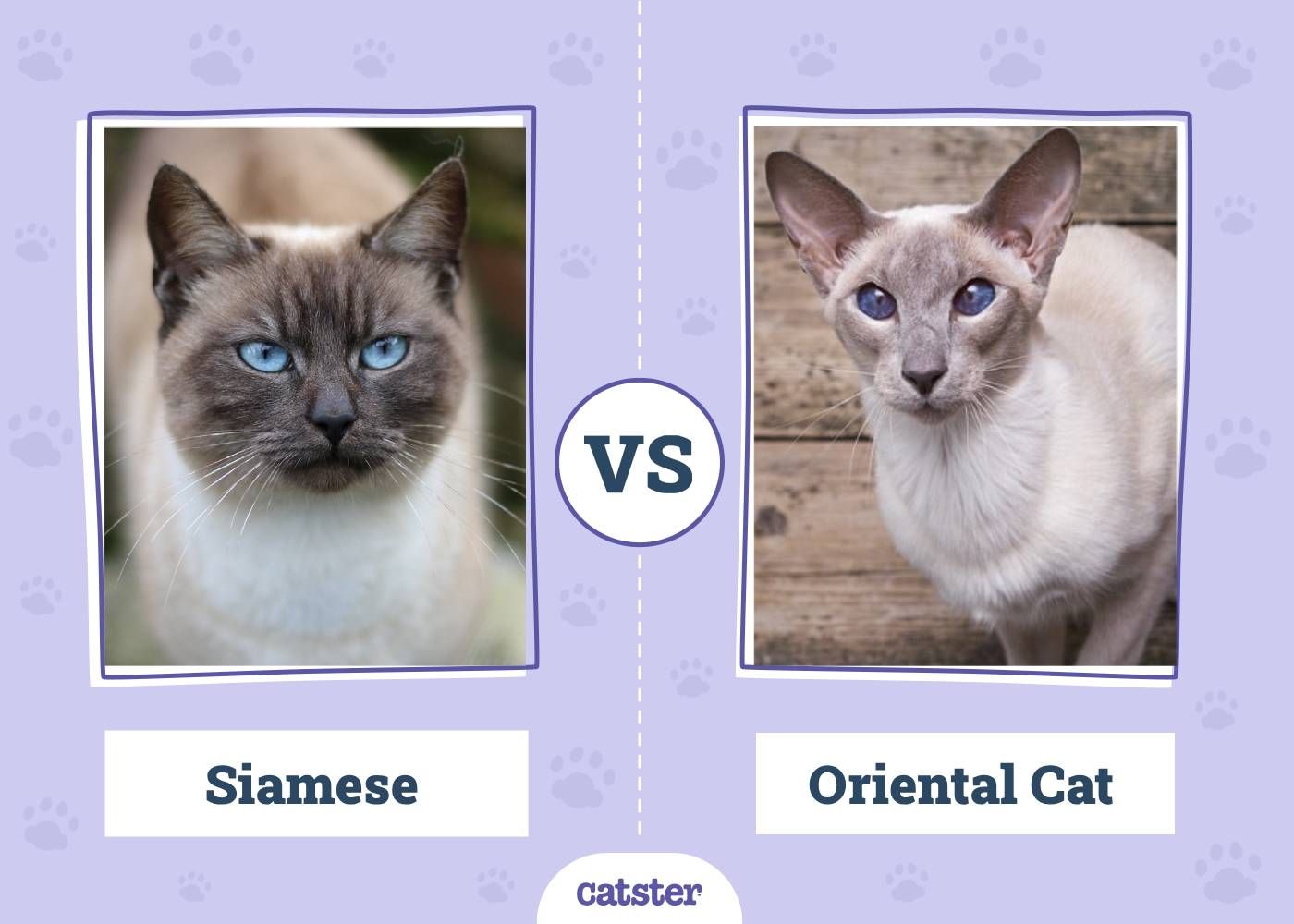
Both the Siamese and Oriental Shorthair have similar physical traits, since they both belong to the Siamese Breed Group. It can be hard to tell the difference between these two breeds, which makes it even harder to figure out which one works better for you. Both of these cats bond closely with their humans and tend to be more outgoing than your average cat.
However, these cat breeds aren’t exactly the same, and their differences can make a huge impact on owning them. Let’s have a look at both of these breeds, as well as the differences between them.

Visual Differences

At a Glance

Siamese Overview
The Siamese cat was one of the very first Asian breeds to be recognized in the Western world. They’re native to Thailand, which is actually home to many different cat breeds. Thailand was once called Siam, hence the breed’s name.
The Siamese first became popular in Europe and North America around the 1800s. However, the feline has changed a lot from those early days.

Appearance
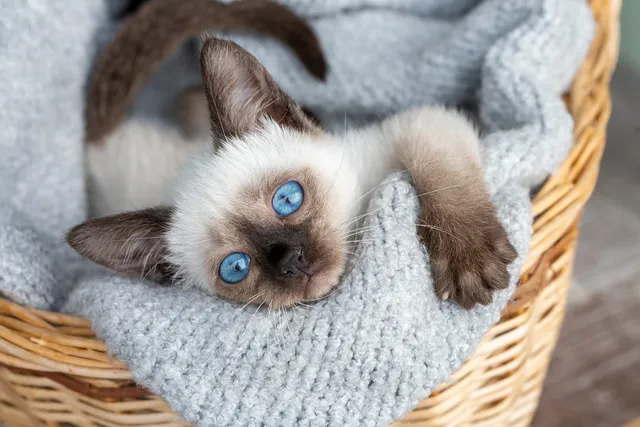
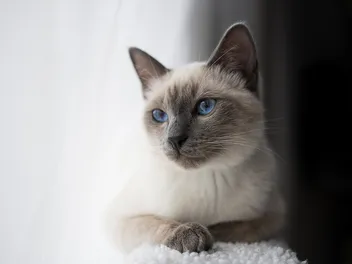
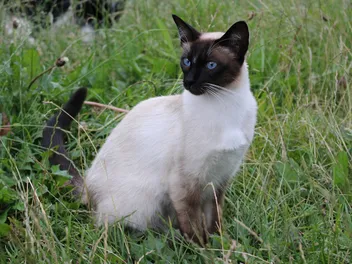
Siamese cats have long, muscular bodies and triangular heads. Their eyes are often blue, and their ears are extremely large. The modern feline features the color point pattern, though the breed likely had other coat types years ago.
The breed’s coat color is caused by a form of albinism. The enzyme that creates the coat’s pigment becomes heat-sensitive in Siamese cats. Therefore, pigment is only produced in the cat’s extremities, which are much cooler than other parts of the body. All Siamese cats are born completely white due to the warmth of their mother’s womb.
Temperament
Siamese cats are often very friendly. They’re very outgoing cats that tend to love everyone. As they’re extremely people-oriented, these felines are known to follow their humans around the house and meow for attention. Their call is extremely high-pitched and often compared to a cry. They're considerably noisy compared to other breeds. Due to their tendency to follow their humans around the house, this breed often gets described as “dog-like.”
With that said, they can suffer from separation anxiety when left alone for too long. They aren’t necessarily the best pets for families that are gone for much of the day. Many people suggest adopting two cats so that they can help keep each other company. However, remember that this does mean twice the work.

Health
Siamese cats are at high risk of a wide range of diseases. They are prone to two cardiac issues: endocardial fibroelastosis and mitral stenosis. Siamese cats have documented predispositions to conditions such as asthma, certain cancers, progressive retinal atrophy (in some lines), and amyloidosis.
Oriental Shorthair Overview
The Oriental Shorthair was developed directly from the Siamese cat. However, this breed was specifically bred and developed in the UK, despite having strong roots in Asia. They share many of the same temperament and physical traits as a Siamese cat. However, they do have several key differences.

Appearance
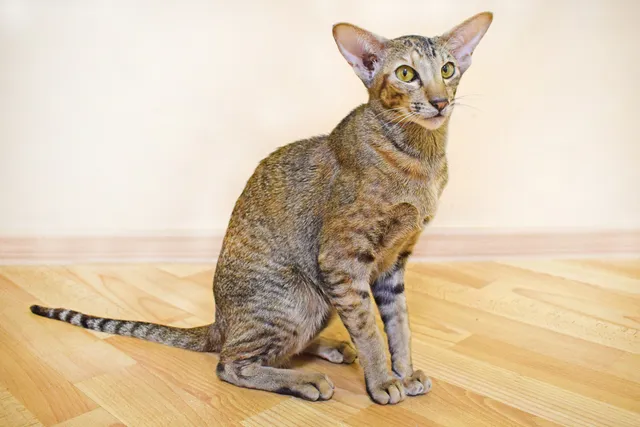
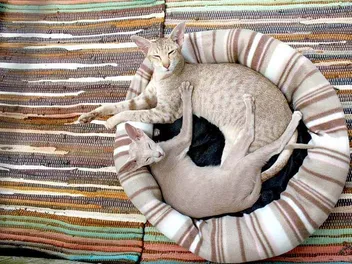
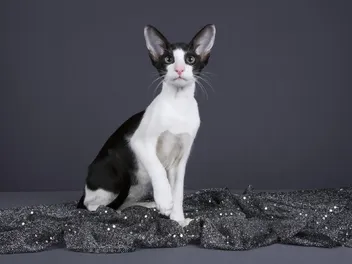
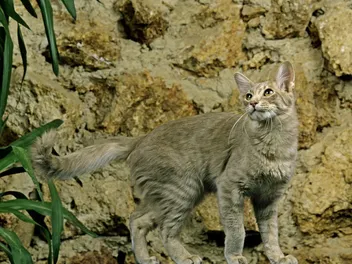
Oriental Shorthair cats were bred from Siamese felines. Therefore, their appearance is pretty similar to the previous cat we discussed. These felines do come in a range of coat colors, unlike the Siamese. They don’t have the same pointed coat all the time, but they absolutely can.
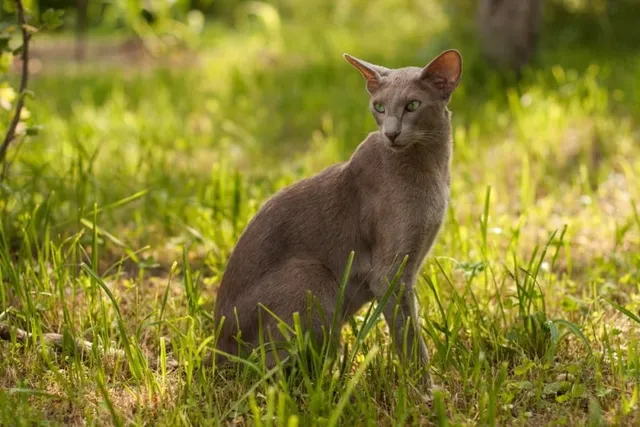
These cats tend to be very slender and have long legs. Their ears are extremely large, and their almond-shaped eyes can come in a range of different colors. Often, they have green eyes, but variations exist.
This breed only has short hair. However, the Oriental Longhair is an extremely similar breed with longer fur.
Temperament
This breed acts very similarly to the Siamese. Oriental Shorthair cats tend to connect readily with people and be very outgoing. They are curious about their surroundings and remain playful into adulthood. It isn’t odd for them to follow their owners around the house looking for attention. They may even greet you at the door. These behaviors make them pretty dog-like.
Oriental Shorthairs also tend to be loud. They meow a lot and have “conversations” with their people. Many describe them as conversationalists for this reason.

Health
The Oriental Shorthair's close relationship with the Siamese does cause them to be prone to about the same health conditions and have a similar lifespan.
This breed is prone to progressive retinal atrophy (PRA), systemic amyloidosis (liver), urinary calculi or stones, pyometra, and dystocia (problems at birth). Choosing your cat from a quality breeder can help prevent health issues.
What Are the Differences Between a Siamese and Oriental Shorthair?
The Oriental Shorthair can come in a range of different colors and patterns. The Siamese only comes in a pointed coat, though. Otherwise, their physical characteristics are pretty much the same, including their triangular head and lean body.
Each cat’s eye color is also different. Siamese exclusively have blue eyes, while the Oriental Shorthair have green eyes.
Which Breed Is Right for You?

In most domains, these two breeds are extremely similar, to the point that which one you choose doesn’t really matter. They act extremely similarly with no overarching differences between breeds. Furthermore, both cats can be pointed, though the Oriental Shorthair doesn’t have this coat all the time.
The Oriental Shorthair was bred from the Siamese, which is why both breeds are extremely similar. In the end, the one you choose largely depends on what coat color you’re interested in, as well as which breed is easier to find in your area. Both these breeds have a similar temperament and health predispositions, though individual variation always exists.
Related Read:
Featured Image Credit: Left - MLARANDA, Pixabay | Right - Ambiento, Shutterstock
Expert cat care, straight to your inbox
News, insights, and useful advice, delivered to you.

No spam — unsubscribe anytime.
By signing up, you agree to our Terms & Conditions and Privacy & Cookies Policy.
How useful was this post?
Click a star to rate. You can leave written feedback afterwards. (We read all feedback.)
Kristin is passionate about helping pet parents create a fulfilling life with their pets by informing them on the latest scientific research and helping them choose the best products for their pets. She currently resides in Tennessee with four dogs, three cats, two fish, and a lizard, though she has dreams of owning chickens one-day!