Siamese Cat Health Problems: 7 Vet-Reviewed Issues

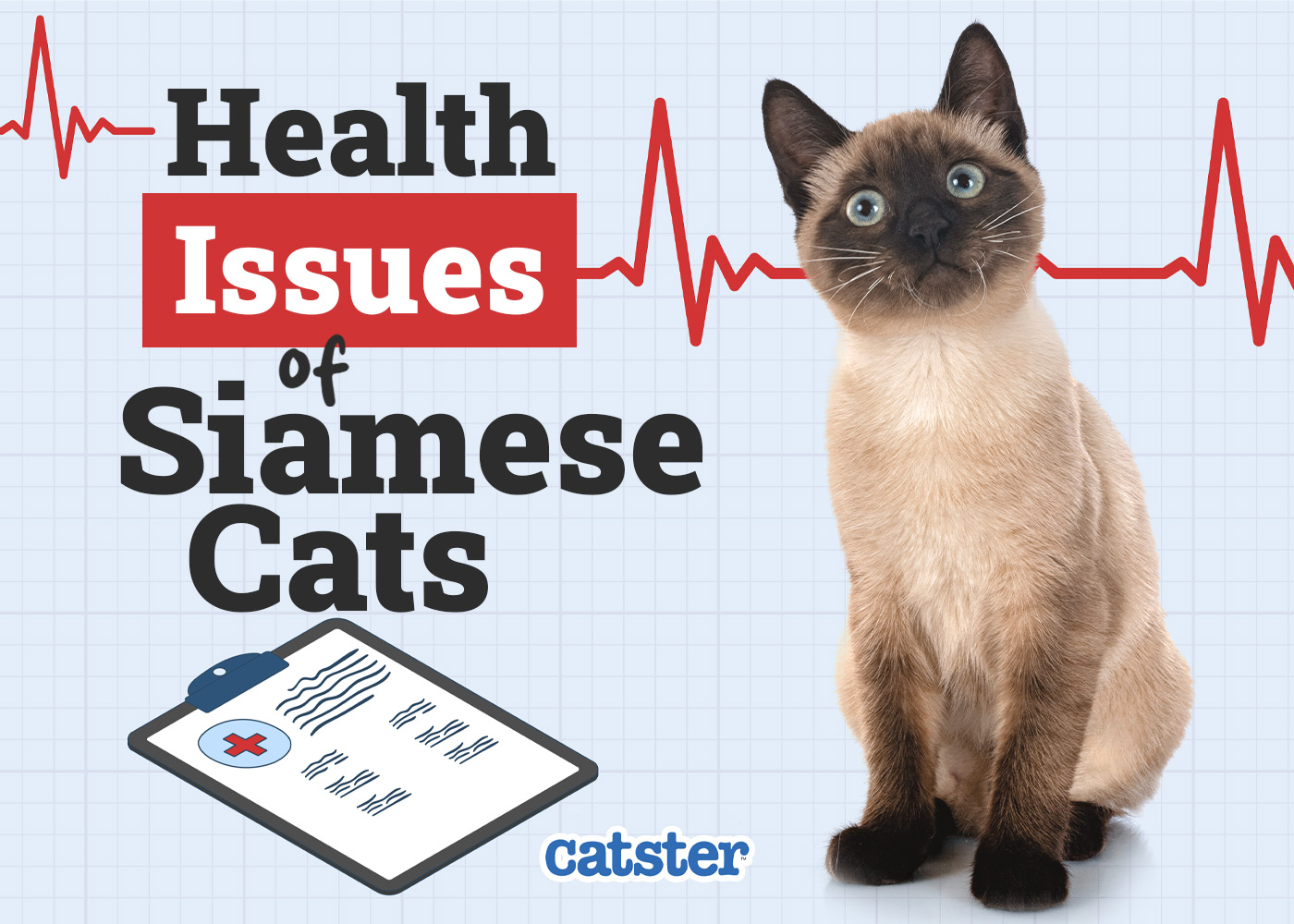
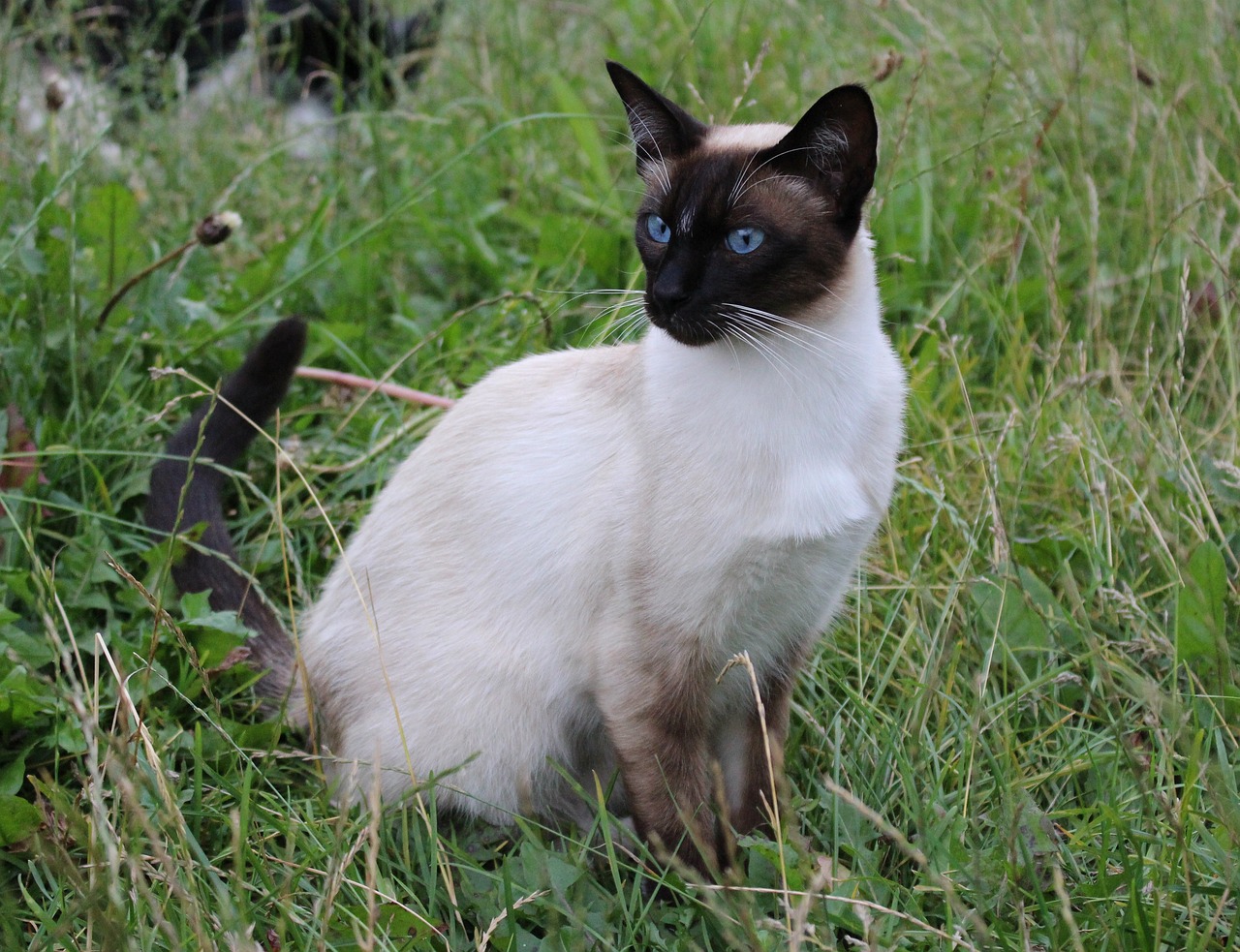
Siamese cats are among the most popular cat breeds in the United States. They are intelligent, vocal, affectionate, and have dog-like personalities. They are also strikingly beautiful with piercing blue, almond-shaped eyes. With these amazing characteristics, it’s no wonder they are one of the most sought-after cats.
If you’re on the lookout for a Siamese cat, you should familiarize yourself with common health problems that Siamese cats are genetically predisposed to. In this article, we’ll dive deeper into common health issues for you to keep in mind. We’ll start with non-serious issues and work our way down to more severe health problems.

The 7 Common Siamese Cat Health Problems:
1. Asthma
Asthma is when airways become inflamed. Some veterinarians refer to this condition as feline bronchitis. Siamese cats are more prone to developing asthma, as well as overweight kitties. The condition usually strikes between 2–8 years of age, and the signs are a dry cough, shortness of breath, and wheezing. If your Siamese has a cough for a month or more, it’s wise to take your kitty in for examination.
If you are concerned about the health and well-being of your pet, seek veterinary advice for the best course of action.
2. Nystagmus
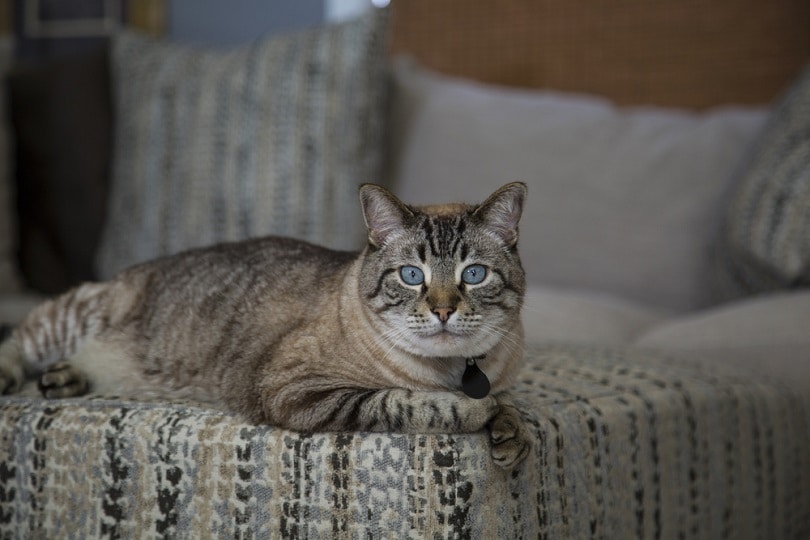
Nystagmus, or convergent strabismus, is a condition where the eyes become crossed or flicker from side to side, and it’s common in Siamese cats. In some cat breeds, this condition is considered a birth defect. However, the Siamese is exempt from being classified as having a birth defect with the condition.
A Siamese cat pet owner may figure that their cat cannot see well with this condition, but surprisingly, they can see just fine. Their brains sort out the extra information, enabling the cat to see one unified image. The condition is not serious and causes no serious problems. No treatment is necessary for this condition.
3. Feline Hyperesthesia Syndrome
This congenital syndrome causes sensitivity to your Siamese cat’s skin, often on your cat’s back or in front of the tail. While not serious, your cat’s reaction to the syndrome poses compulsive disorders, like excessive licking or scratching of the area. Your cat may even bite you when you go to touch the sensitive area. A tale-tell sign is if your cat’s back ripples when touched, and the pupils may dilate.
Some veterinarians feel this syndrome is more of a compulsive disorder, and some feel it may even be a sign of a seizure disorder. Other potential causes need to be ruled out first to get an accurate diagnosis, such as spinal arthritis or skin conditions. If no other reasoning is present, the condition can be managed with medication, and your Siamese can go on to live a normal, happy life.

4. Amyloidosis
Amyloidosis is an inherited predisposition in Siamese cats. Amyloids are a type of inert protein, and the term “amyloidosis” refers to a condition in which these proteins are deposited into various organs throughout the body that may disrupt the normal function of those organs, including the kidneys, liver, and intestines.
This condition could lead to organ failure and is hard to diagnose. The condition can only be treated to reduce inflammation, and there's no method for prevention.
5. Megaesophagus
Megaesophagus is an enlargement of the esophagus. The esophagus is responsible for transferring food and water from the mouth to the stomach, and when the esophagus is enlarged, it can cause unpleasant symptoms for your Siamese cat, including vomiting, weight loss, bad breath, nasal discharge, a cough, hunger, or a lack of appetite. The condition is usually congenital for Siamese cats rather than acquired later in life.
The condition is usually idiopathic, which means the underlying cause is unknown. X-rays are normally used to diagnose megaesophagus, along with other tests, such as blood work and an esophagoscopy. Treatment usually involves treating the underlying cause, but with a congenital cause, the prognosis is poor due to frequent bouts of pneumonia.

6. Progressive Retinal Atrophy
Progressive Retinal Atrophy (PRA) is a group of degenerative cells that affect the eyes’ photoreceptor cells in the retina. It is inherited in Siamese cats and causes various levels of vision loss. Ultimately, the condition causes total blindness, and there is no cure.
PRA is caused by a recessive gene, and even if a kitty has normal parents, the kitty can still develop PRA because the parents could be carriers. The disease can start at 1½–2 years of age, but it can also occur in cats as young as 2–3 weeks old.
Night blindness is the first sign, with total blindness following within 2–4 years of onset. Responsible breeders will use a genetic test before breeding and affected cats should not be used to prevent the disease from developing in the offspring.
7. Cancer
Siamese cats are prone to certain multiple cancers, and early detection is key. Some Siamese cats may not develop cancer until later in life, but some develop cancer at a young age. Chemotherapy and surgical treatment can save your cat’s life, making early detection crucial to your cat’s survival.
Here is a list of certain cancers that the Siamese cat is prone to:

Conclusion
Disease and sickness can occur in any cat breed, but now that you know the specific diseases common in Siamese cats, you can keep an eye out for any abnormalities, whether behavioral or visible.
If you notice your Siamese is lethargic, not eating, and especially has vomiting or diarrhea, it’s vital to take your feline in for an examination. Remember that early detection is key for the overall well-being of your Siamese.
Sources
https://www.calvertanimal.com/client-resources/breed-info/siamese-2/#:~:text=Convergent%20Strabismus%20and%20Nystagmus,side%2C%20a%20phenomenon%20called%20nystagmus.
https://www.petmd.com/cat/conditions/digestive/c_ct_megaesophagus
https://www.vetspecialists.com/vet-blog-landing/animal-health-articles/2020/04/08/megaesophagus
https://vcahospitals.com/know-your-pet/progressive-retinal-atrophy-in-the-cat
Featured Image Credit by: Sergey Nivens, Shutterstock

Expert cat care, straight to your inbox
Vet-reviewed advice, behavior tips, and the best of Catster. Free, and you can unsubscribe anytime.
By signing up, you agree to our Terms & Conditions and Privacy & Cookies Policy.
Rachel Giordano is a Pensacola, Florida-based musician and writer. She lives with her partner and their two dogs, Sophie, a Boston Terrier, and Aero, a Border Collie/Sheltie mix. Rachel holds a Bachelor of Arts degree in communication and loves writing about all types of cat breeds. When she’s not writing about cats, she loves to write suspense/thriller novels. A musician by night and writer by day, she enjoys sharing her knowledge of the needs and requirements of our furry friends.
Join the conversation
Ask a question, share your story, or send private feedback.