5 Possible Reasons Why Your Cat Isn't Drinking Water: Vet-Reviewed Facts, Remedies & Info


In this article
A proverbial thorn in the rose of being a cat parent seems to be worrying if our beloved felines are drinking enough water or not. Indeed, our pets’ drinking habits might worry us at times.
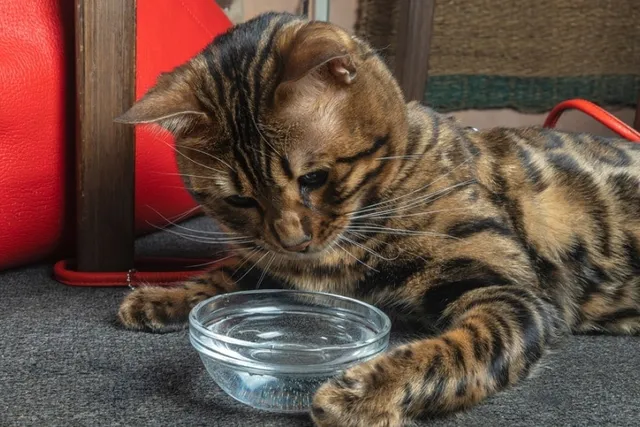
Cats should drink water everyday – though the amount they drink will vary depending on the composition of their diet. Nonetheless, a cat that is not drinking any water is definitely a cause for concern. In this article, we’ll explore some reasons as to why this might be the case. We’ll also dive into when you should see a vet, a cat’s water requirements, and some tips to encourage your cats to drink more water.

The 5 Reasons Why Your Cat Isn't Drinking Water
1. Bowl/Fountain Issues
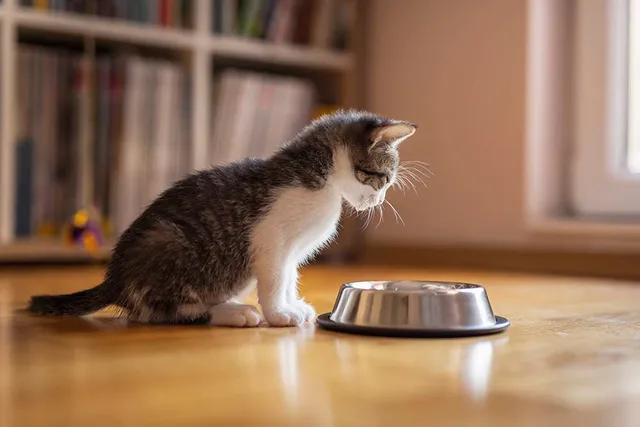
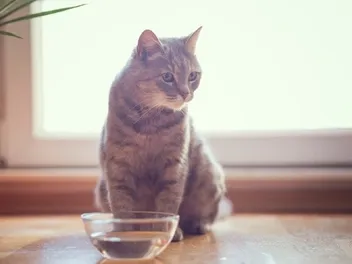
Sometimes, the simplest of things might be the reason as to why your cat isn’t drinking water. It might be that they don’t like the location of their water bowl or fountain. Many cats don’t appreciate a hydration station placed very close to their litter box. At other times, the material of a new water bowl might not be to your cat’s liking.
At other times, your cat might not be able to access their water due to some external circumstances. Examples of such scenarios include the following.
- Access Denied: another cat might be displaying territorial aggression and not letting a specific cat access the water bowl.
- Physical Barriers: a water bowl or fountain placed in a room that accidentally has its door closed will impede your cat’s ability to access their water.
- Mobility Issues: a cat that is injured or silently suffering from a painful ailment that limits their mobility (for example, osteoarthritis) might deem a trip up the stairs to access a water bowl as too painful and stressful.

2. The Water Itself
Though not definitively proven, there’s a theory that postulates that at times, pets with a keen sense of smell (including cats) may turn their noses away from the water we offer them because it smells strange.
The water we drink is treated before it makes its way to our homes. This treatment process is intended to make water safe for consumption, and usually involves the inclusion of chemicals for this purpose.
The aptly named “smell” theory postulates that our cats might be able to smell something in the water that we cannot smell, and it might be putting them off from the water. It is important to note that this is a theory based on anecdotal evidence, and not entirely proven.
At other times, a cat may be opposed to water because we’re trying to intentionally add something to it that they simply don’t want to consume. This includes some prescription medications that have to be dissolved in water, or possibly some supplements that require mixing with water.
3. Your Cat Is Unwell
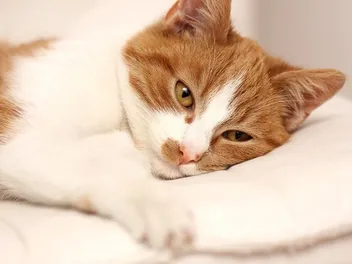
If nothing has changed with regards to your cat’s water source and the location of their water bowl/fountain and your cat abruptly stops drinking water, it’s a very strong sign that they’re unwell and require prompt veterinary attention.

4. Your Cat Is Drinking from Elsewhere
Your cat might seemingly be refusing to drink from their water bowl/fountain because at times, they may have a preference for another water source. Some cats can figure out how to open a tap and might prefer to drink that way. Others might have access to another pet’s water source, a fish tank, or any other water source.
5. Your Cat Isn’t Actually Thirsty
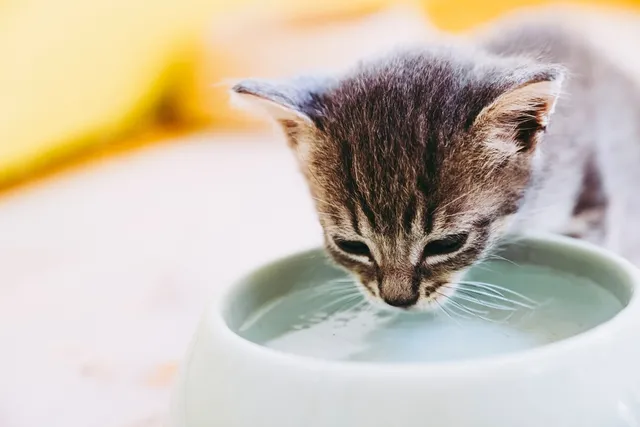
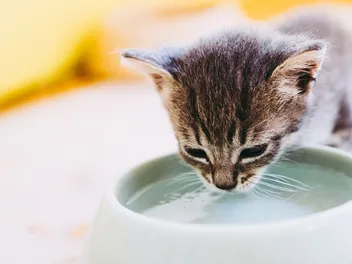
Sometimes, one may mistakenly feel as though their cat is not drinking enough water when in fact, their cat might not be drinking “enough” water because they don’t need to. For example, kittens that are still nursing as they’re being weaned can obtain hydration from their mother’s milk.
Your cat’s diet also plays a major role in determining how much water they would drink. Diets higher in moisture can offer your cat more hydration than a dry kibble, as a result, your cat would drink less water.
In addition, it’s worth noting that the composition of the diet also matters. Animal fats provide high amounts of metabolic water. This has allowed cats to survive in arid environments in the wild; the fat reserves of their prey are a fantastic source of water when processed by a cat’s body. In fact, animal fat holds more water than fat itself! 100 grams (3.5 oz) of fat can yield around 107 grams (3.8 oz) of water once processed by a cat’s body! This is vastly higher than the amount of water a cat can derive from carbohydrates. As such, a cat on a diet which contains animal fats (in appropriate amounts) will require less water than a cat on a carbohydrate-rich diet.

When to Make Your Kitty a Vet Appointment
Anytime your cat stops drinking water despite nothing changing in terms of their water bowl/fountain, its location, and their water source, you should have them looked over by your veterinarian promptly.
The sooner they receive veterinary intervention, the more likely it is for them to make a complete recovery. Waiting to see a vet after the signs of dehydration set in (which we’ll explore shortly) is likely going to complicate and prolong their recovery.
How Much Water Should Cats Drink Daily?
A cat’s water requirements depend on several factors.
These include:
Veterinary nutritionists approximate a healthy cat’s water requirements using the formula of 40 mL of water per kilogram of body weight per day. For example, a cat that weighs 4 kg (8.9 lbs) will require around 160 mL of water per day (approximately 5.4 fluid ounces).
Another approximation is a 1:1 ratio based on a cat’s daily caloric requirements. For example, if a cat requires 150 kcal per day, they would need around 150 mLs of water per day as well.

Watch for Other Signs of Dehydration
Dehydration is a potentially life-threatening problem if left unchecked. Cats can only go 36 to 60 hours without drinking before complications of dehydration present themselves. A cat that’s severely dehydrated may not be able to make a complete recovery, even if they’re seen by a vet once this happens.
As such, watching for the earliest signs of dehydration is key.
- Delayed or persistent skin tent
- Sunken eyes
- Tacky mucous membranes (gums)
- A delayed capillary refill time
- Lethargy
These signs and terms may definitely seem vague or confusing to an untrained person. They’re better explained in the following video.
The 6 Ways to Hydrate Your Cat
If you’re keen on ensuring your cat stays well hydrated, the following tips may help.
1. Offer Wet Food
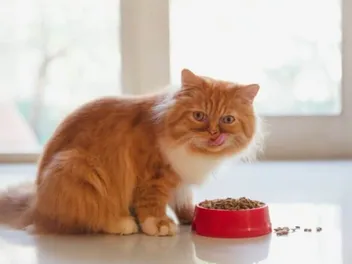
Wet food can help hydrate your cat when they aren't getting enough water, and most cats love it. If you want to avoid switching completely to wet food, you can mix wet and dry food to enhance your pet's appetite.
Rather than wet canned options, you can also try fresh foods with increased hydration. Foods high in animal fats offer better hydration when compared to foods higher in carbohydrates.

2. Get a Flowing Fountain
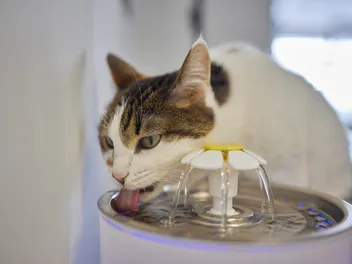
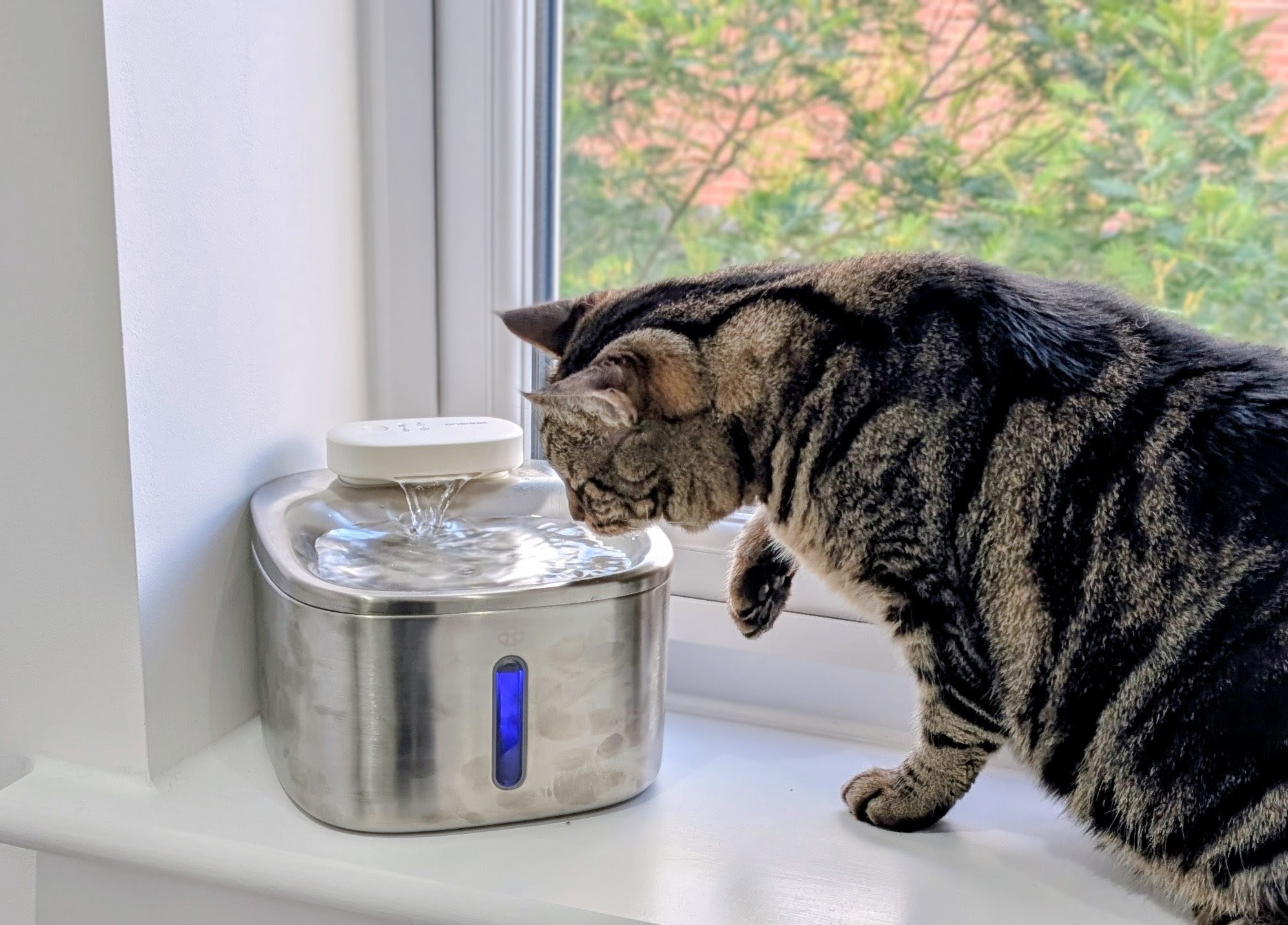
If you have a cat that loves batting the water around every time you turn the faucet on, they might benefit from a flowing fountain water bowl. You can get intricate designs or simpler and cheaper ones. The fountain provides a fresh, flowing water source, and some cats find it more appealing than a stagnant bowl. Cats are naturally more drawn to movement, which is why a fountain is often a great “lure” for them.
3. Consider Food Toppers
Food toppers are a great way to enhance your cat’s flavor profile while also offering them some hydration. The safest options are commercial food toppers which are intended for cats. Take note that toppers intended for human consumption may not be safe for a cat
4. Change the Location of the Water Bowl
Sometimes, the water bowl might be in an inconvenient and busy location. If your cat doesn't like the location, they might avoid it. Sometimes, cats prefer a quiet spot to eat and drink. You could try giving them more privacy and see if it helps.

5. Change the Material of the Water Bowl
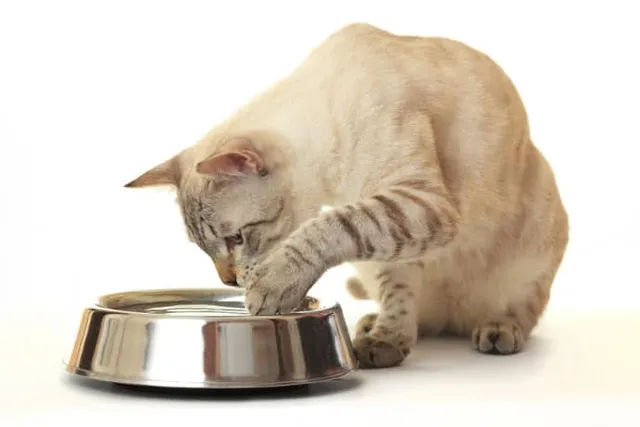
Sometimes, the material of the water bowl can bother your cat. Anecdotally, going with a stainless steel, ceramic, or porcelain dish may be more appreciated by some cats. This does take some trial and error though, and there’s no “one material fits all” when it comes to cats.
6. Always Keep the Water Bowl Clean
Make sure that the water bowl doesn't stay stagnant long. It's necessary to clean it thoroughly every day to avoid buildup of pathogens which can be harmful to your cat. Bowls should be washed at least once a day, but ideally twice a day or as often as needed.
Conclusion
If your cat is not drinking water from their water bowl, it’s perfectly understandable to be concerned about it. Wanting to know the root cause of the issue is also normal. In this article, we’ve covered some of the possible explanations that might be able to help you figure out why your cat isn’t drinking as much water as you’d expect them to.
If you feel that your cat is dehydrated or you've noticed a significant decrease in drinking, visiting your veterinarian immediately is crucial. In addition, after a visit to the vet's office, you can make the necessary changes to try to persuade your kitty to drink using our tips in this article.
Sources
https://www.petmd.com/cat/symptoms/why-your-cat-wont-drink-water-and-what-do
https://vcahospitals.com/know-your-pet/tooth-root-abscess-in-cats
https://vcahospitals.com/know-your-pet/gingivitis-and-stomatitis-in-cats
https://vcahospitals.com/know-your-pet/tooth-root-abscess-in-cats
https://www.pacificsantacruzvet.com/site/blog/2022/08/15/cancer-in-cats
Featured Image Credit: kalyanby, Shutterstock
Expert cat care, straight to your inbox
News, insights, and useful advice, delivered to you.

No spam — unsubscribe anytime.
By signing up, you agree to our Terms & Conditions and Privacy & Cookies Policy.
How useful was this post?
Click a star to rate. You can leave written feedback afterwards. (We read all feedback.)
As a freelance dog writer and passionate pet enthusiast, Ashley Bates is pursuing studies in animal therapy. A mother to four human children and 23 animal companions, Ashley is dedicated to volunteering at shelters, advocating for animal rights, and rescuing animals in need. Her goal is to spread awareness, provide education, and offer entertainment about pets to reduce homelessness. Ashley's specialties include dogs and cats.