Can Feral Cats Be Friendly? Vet-Reviewed Facts & Advice


In this article
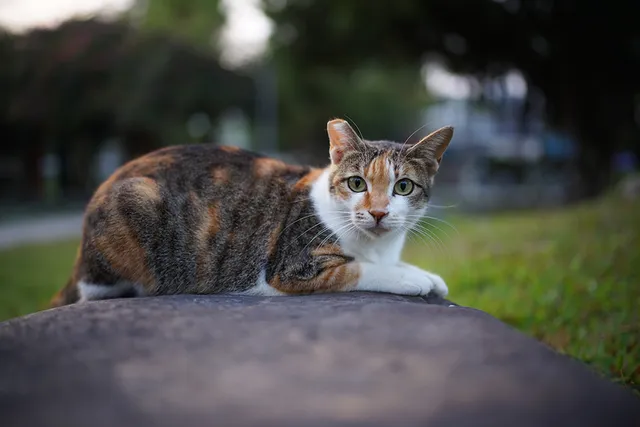
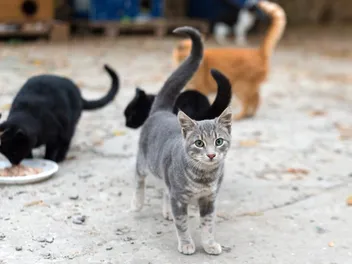
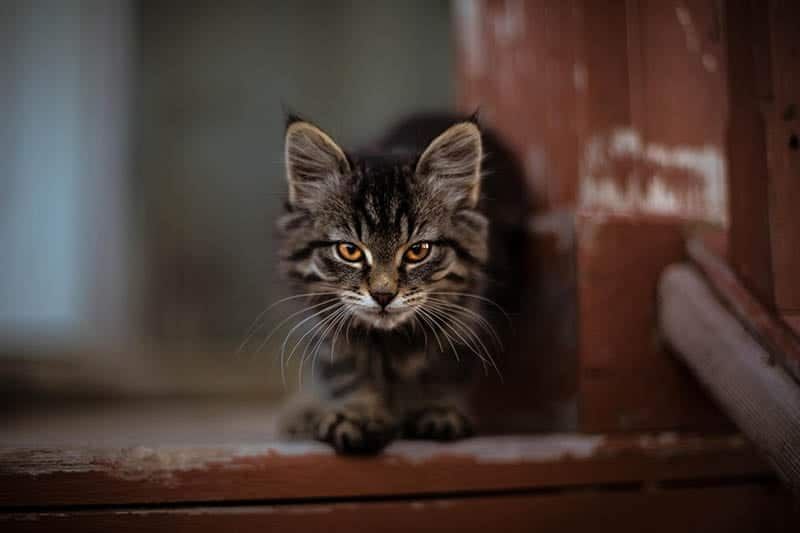
Feral cats aren't socialized by humans, by definition. They haven't been raised around humans and have spent much of their time with other cats instead. Therefore, feral cats typically act like wild animals and aren't usually friendly—unlike the domestic cats many of us are used to.
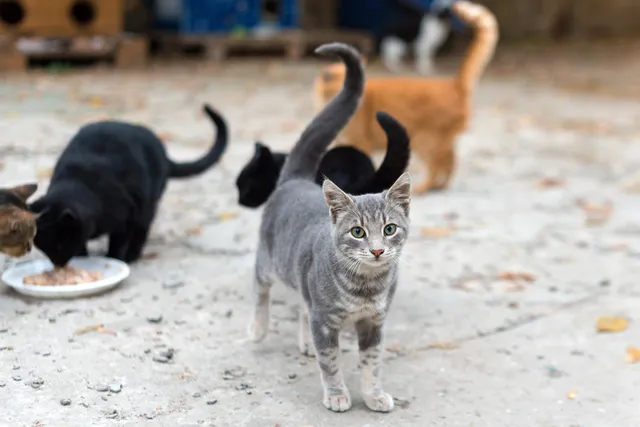
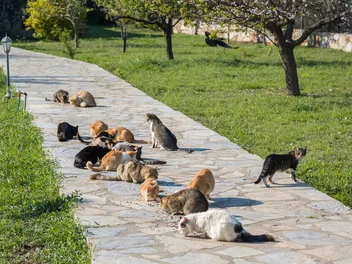
Feral cats can be of any breed and usually live in colonies for protection. Any breed put into the wild without human care for generations will become feral. Feral cats often hide when humans are around and don't approach them. However, cats that people feed may be a bit more accepting.
Important Note

How Are Feral Cats Different From Stray Cats?
Feral cats are different from stray cats. Stray cats are lost or abandoned pets that were raised around humans. Therefore, they're much friendlier and more accepting of people. If a cat comes up to you and asks for attention, it's probably stray and not feral.
Sometimes, feral cats can become friendly to some extent. However, without being raised around humans, they're never as comfortable as domestic cats. They should be considered more like wild animals. Therefore, feral cats are hardly ever adopted or taken into a home. Some feral cats don't allow direct handling and may be extremely aggressive.
Instead of adopting these cats, organizations use trap-neuter-return programs to help them. These are endorsed by both the ASPCA and Humane Society, as these feral cats simply cannot be adopted. These programs allow the cats to live out their natural lives while reducing the local feral population. A feral cat's home is in the wild, and it is best to leave them there.

How Can I Tell if a Cat Is Feral or Stray?
Sometimes, it can be hard to determine if a cat is feral or a stray, especially for stray cats that are particularly skittish. However, there are several different ways you may be able to tell feral and stray cats apart.
There are several physical signs that may separate feral cats from stray cats. Feral cats that have been trapped and neutered (or spayed) often have tipped ears. This means the pointy part of one ear has been clipped off—often enough so that it can be seen from a distance. This tipped ear helps tell trappers that the cat has already been sterilized and doesn't need to be trapped again.
Stray cats often look particularly skinny and unkempt. Feral cats have an easier time finding food in the wild, as they were raised there. Stray cats are often inexperienced hunters and may have a harder time finding food. Plus, they're often rejected by feral cats and may be more likely to get attacked by other cats and predators.
But feral cats often look healthier despite being in the wild. They have excellent hunting skills and are used to living outdoors.
Feral cats and strays often have different behaviors, too. A feral cat will not approach a human. They weren't raised around humans and don't trust them. Even eye contact from a feral cat is rare. Don't expect a feral cat to interact with you—even if you feed them. Stray cats exhibit much more open behavior toward humans. They'll often make eye contact with a human and may not completely avoid people, even if they are scared. Many stray cats will approach people, especially if you have food or take the time to gain their trust.
Feral cats don't usually make any sounds. They're extremely quiet. On the other hand, the stray cat may meow or answer when you talk to them. Even if they're scared, stray cats learn how to interact with people. Many may even purr when they get close to you or when you feed them. Feral cats won't do this.

What Should I Do if I Encounter a Feral Cat?
There are several things you can do if you encounter a feral cat. While you shouldn't expect the cat to become your pet, there are many things you can do to make the cat's life a bit easier.
Provide food, water, and shelter
While feral cats are used to living in the wild, life can be hard for them. You can make it a bit easier by providing them with the basics. Leave food and water in a designated area where the cats tend to be. You can also make a shelter to help them stay warm and dry, especially in harsh weather conditions.
Disclaimer
Check their ear
Take note of whether or not their ear is tipped. If it isn't, check for Trap-Neuter-Release (TNR) programs near you, which can get the cat basic vaccinations and sterilization. These procedures help the cat remain healthy and keep the feral population from getting out of control. The feral cat should always be returned to where they were found.

Do not touch
Do not try to touch a feral cat. A cat threatened by your presence will most likely resort to attacking you in self-defense. Plus, they are much more likely to have diseases or parasites that can be harmful to you or your pets. Keep a safe distance and observe the cat from afar. Don't expect the cat to ever do more than tolerate your presence.
Contact a TNR Organization
A Trap, Neuter, and Release (TNR) plan is an acceptable approach to managing feral cat colonies. Professional trappers work alongside veterinarians to identify feral cats, humanely capture them, spay or neuter them, provide some preventive treatments (such as a rabies vaccination), and then return them where they were found after they've recovered from their procedure. Doing so has several benefits:
Benefits of a TNR Program
Are Feral Cats Friendly to Other Cats?
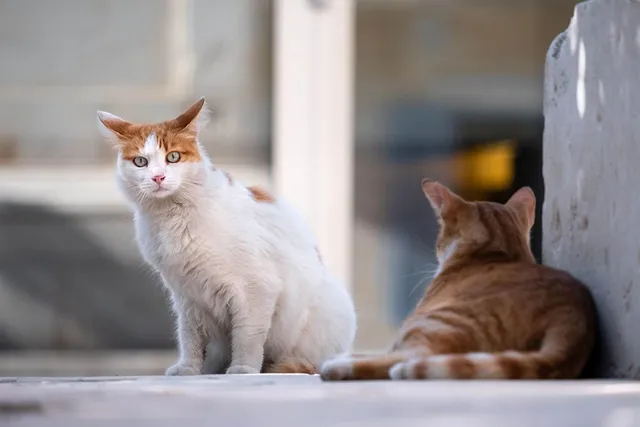
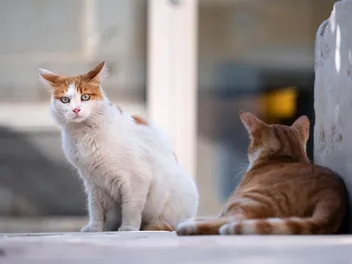
Feral cats usually become friends with other cats that live in their colony. While fights can occur, they are rare, as feral cats learn to get along with other cats at a very young age. They can recognize which cats are in their colony and which aren't (by smell). Feral cats live together for protection and hunting purposes.
However, feral cats can be hostile to others that aren't in their colony. Often, this leaves stray cats in the cold, as they are often attacked by feral cats in the area. It isn't good to be a stray cat in a feral colony's territory.
If you see lots of healthy cats outdoors, they're likely feral cats living together in a colony. Stray cats are more likely to be by themselves and skinny.
Final Thoughts
Feral cats are cats that live near humans but aren't sufficiently tame to be considered pets. Nonetheless, they do deserve our compassion and can be helped in various ways. One of the best ways feral cats can be helped is by a Trap, Neuter, and Release (TNR) program. In such a program, these animals are trapped, vaccinated, neutered, and released. This helps the feral population stay healthy and prevents overpopulation.
Some cats can be removed from feral populations and socialized adequately to be adopted as pets. However, you should speak with a local TNR program for this purpose, as not all cats fit into this category.
Stray cats will usually approach people, though. If a cat comes up to you or meows, it is likely a stray feline. These cats can be adopted into a home, as they were socialized with people before becoming lost or abandoned.
Related Reads:
Caring For Feral Cats: Should You Do It? Vet-Approved Advice
How to Socialize Feral Cats – Is it Possible? Vet-Reviewed Guide
Sources
Featured Image Credit: 42 North, Unsplash
Expert cat care, straight to your inbox
News, insights, and useful advice, delivered to you.

No spam — unsubscribe anytime.
By signing up, you agree to our Terms & Conditions and Privacy & Cookies Policy.
How useful was this post?
Click a star to rate. You can leave written feedback afterwards. (We read all feedback.)
Kristin is passionate about helping pet parents create a fulfilling life with their pets by informing them on the latest scientific research and helping them choose the best products for their pets. She currently resides in Tennessee with four dogs, three cats, two fish, and a lizard, though she has dreams of owning chickens one-day!