Are TNR Programs for Feral Cats Ethical? Vet-Verified Facts & FAQ


In this article
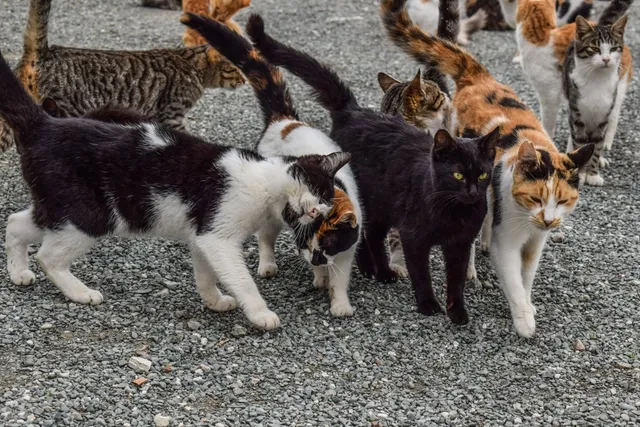
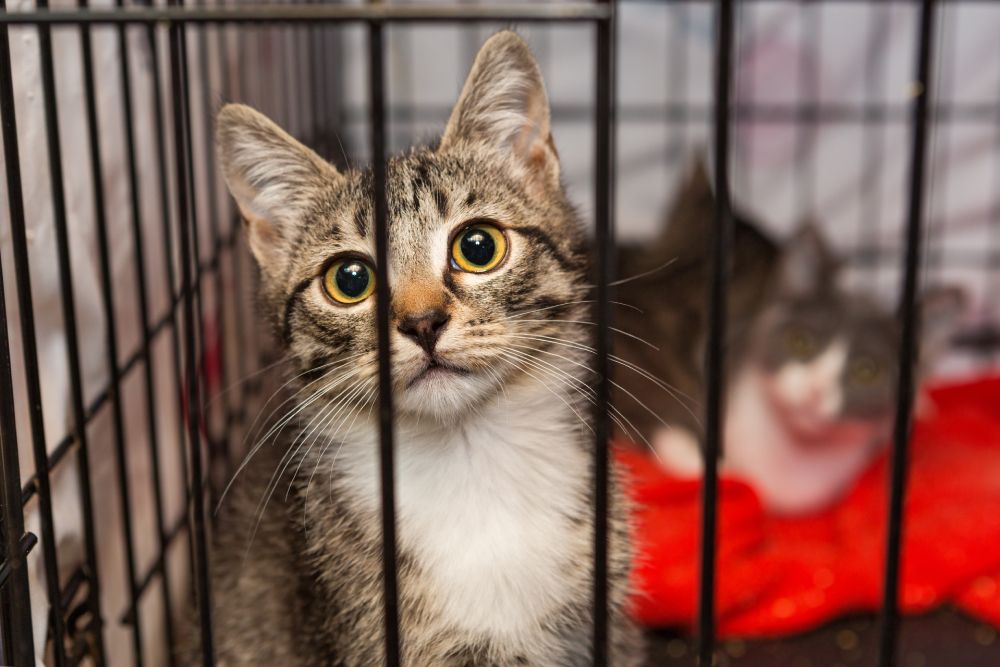
Roughly 3.3 million cats enter shelters annually, with many of these cats being euthanized.1 Many felines are strays that escaped their homes, with some thankfully being reunited with their families. However, feral cats are another story. They're essentially wild animals because they were either born outside of a home or reverted to this state from being outdoors and away from humans for so long, and their numbers are challenging to quantify.
As many as 100 million feral cats may wander the US.2 Many of these cats will be entire (not spayed or neutered) and even pregnant, averaging three kittens per litter. Sadly, up to 75% of kittens die by 6 months old.3 Therefore, action is imperative if just for humane reasons. Enter TNR (trap-neuter-release) programs. But are these TNR programs ethical for feral cats? Let’s get into the facts below.

About Trap-Neuter-Return (TNR) Programs
The problem with a feral feline population exists on several fronts. The best-case scenario is for the animal to enter a shelter or rescue and find a forever home. However, as our statistics have shown, it doesn’t always happen that way. There’s also population control to consider as female cats can produce 1-2 litters a year, which can mean millions of new kittens being born.
TNR programs attempt to curb the skyrocketing feline population by sterilizing the animals to break the breeding cycle. Vets examine the cats, vaccinate them, and provide permanent identification by putting a notch in the ear to let others know that the cat has been fixed. They don’t aim to find them homes necessarily, recognizing not only the highly unlikely chance of taming a feral cat but the additional challenges and lack of resources available. Instead, these programs return the animals outdoors where they are unable to reproduce and contribute to the growing feral cat population.
You may think that given the high mortality rate of kittens, the population would eventually dwindle to nothing when paired with TNR programs. However, the reproduction rate for cats is still incredibly high, and remember many live in urban areas. These areas can indeed provide the animals with shelter and enough food. We must also account for the caring people who feed the cats, who inadvertently contribute to the problem. In rural areas, wildlife provides sufficient food for any kittens that survive.

Pros of TNR Programs
On the surface, TNR programs would seem to be a logical and practical solution. Animal shelters have a limited capacity to care for feral cats, especially since they are not socialized and highly unlikely to be friendly enough toward humans to get adopted. Remember that behavioral problems are one of the main reasons people relinquish pets, so they aren’t likely to welcome the problems that come with feral cats into their homes, so it makes sense to lower the feral feline population.
Reduced Cat Populations
Proponents claim that TNR programs reduce cat populations and may eventually eliminate them. Sterilizing a female that could produce five or more kittens annually would undoubtedly make a dent in the population over time. The problems associated with feral cats would also decline, including the complaints from residents living in areas where the felines roam.
Fewer Euthanasias
One of the arguments for actively managing these animals stands on humane grounds. Even though the numbers have declined, many animals are still euthanized. If TNR programs can reduce the number of cats entering shelters, they will have succeeded. It could lessen the financial burden on shelters and other organizations caring for them. However, reality paints a different and more complex picture.
Relieving the Burden on Shelters
One of the biggest benefits of TNR programs is that they relieve the burden that is placed on your local shelters. With fewer animals needing care, these places can focus their time and resources on finding strays loving, forever homes and curing them of any illnesses they may have arrived with.

Cons and Ethical Issues of TNR Programs
While people started TNR programs with the best of intentions, it became clear that they still have their flaws. Believe it or not, there have been some studies claiming that TNR programs don’t actually reduce the feral cat populations and that they increase over time due to the illegal dumping of cats or strays being attracted to the colonies.4 However, other studies claim the opposite. One thing that we can take away from such studies, however, is that the numbers of these types of colonies are hard to keep track of and aren’t fully reliable. All in all, the biggest challenge with these programs is that they are hard to maintain since you need to spay and neuter such a large number of cats for this to be visibly effective. Another ethical concern rests with releasing the feral cats. Some groups like PETA deem TNR programs as cruel by abandoning the felines to the wild instead of finding them homes. While understandable, it’s essential to remember that many of these animals are unsocialized and wouldn’t adapt easily to being a pet. It also underscores the other public health risks of feral cats.
The Risks to Humans
It’s not just about getting rid of nuisance animals. TNR programs are necessary to mitigate the risk imposed by feral cats. These animals can carry diseases and parasites that are transmissible to people. These concerns are valid, given one study found 92% of captured felines had fleas (a vector of disease).5 The conditions they may carry or spread include the following:
- Typhus
- Plague
- Internal parasites
- Toxoplasmosis
Cats also harbor rabies. While wildlife is the main culprit, domestic animals also spread this often fatal disease. Scientists have recorded more cases among felines than any other domestic animal, six times more than dogs.6 TNR programs can vaccinate feral cats, but follow-up is critical when the vaccines expire. That makes TNR programs more problematic and expensive to implement.
Wildlife Impact
One of the most controversial aspects of TNR programs lies with the cats’ effect on wildlife populations. The data is sobering. Figures from the American Bird Conservancy show felines implicated in the extinctions of 40 bird species, 21 mammals, and 2 reptile species.7 Feral animals and cats with outdoor access adversely affected an additional 367 species.8
The problem with TNR programs is that they fail to address this issue. A neutered cat can still kill birds and other wildlife. “Eventually” isn’t good enough for the many threatened and endangered species. The value of TNR programs rests on the balance between effort and positive outcomes. Even TNRM programs fail on this score.
Frequently Asked Questions (FAQ)
Is There a Better Solution?
The best solution may not solely involve TNR programs but a combination of methods. Ongoing monitoring is imperative. However, raising awareness about feral and outdoor cats is necessary to stem the flow of more animals into the environment, as is raising awareness about neutering your own pet.
How Many Feral Cats Are Sterilized?
Researchers estimate that only 2% of feral cats are sterilized versus 85% of pets. That makes this problem even more challenging. Of course, targeting females is the ultimate goal.
Image Credit: elwynn, Shutterstock
What Else Affects the Success of TNR Programs?
Cats are intelligent. It does not take a feline long to figure out how trapping works and evade capture. A feral animal learns their world and is wary of new things in their environment. Researchers must remain a step ahead and develop new ways to deal with these elusive cats.
Should We Abandon TNR Programs?
No. TNR programs have a place in controlling populations; it is just not a complete solution. Another consideration is colony management of the sterilized cats. Research has shown that a high-protein diet may curtail a cat’s desire to hunt if they get sufficient food. That may reduce predation on vulnerable species. However, that means ongoing monitoring and care of the animals.
Final Thoughts
The decline of animals relinquished to shelters and feline rabies cases offers hope that education and awareness work. However, controlling feral cats is problematic on many fronts. They are intelligent survivors and can prove elusive. Nevertheless, concerted efforts like TNR programs must continue to control these populations to reduce the need for more drastic measures. TNR programs are not a one-size-fits-all solution. They are one tool local authorities can use to protect the general public and wildlife. Ethical considerations must remain at the forefront, including the power of public support for a plan that weighs all these concerns. The sober reality is that the problem is not going to go away anytime soon.
Sources
Featured Image Credit: Okssi, Shutterstock
Expert cat care, straight to your inbox
News, insights, and useful advice, delivered to you.

No spam — unsubscribe anytime.
By signing up, you agree to our Terms & Conditions and Privacy & Cookies Policy.
How useful was this post?
Click a star to rate. You can leave written feedback afterwards. (We read all feedback.)
Chris has been a science-focused pet writer since 2009, specializing in health and the environment. She lives with her husband Norm and three amazing cats in the land of 10,000 lakes. When she's not writing about cats, Chris also enjoys boating and sampling wine. She has her WSET 1 and 2 certifications and is currently pursuing her Certified Wine Specialist Award (CSW).