How Long Do Sphynx Cats Live? Vet Reviewed Lifespan, Care Tips & FAQ


In this article
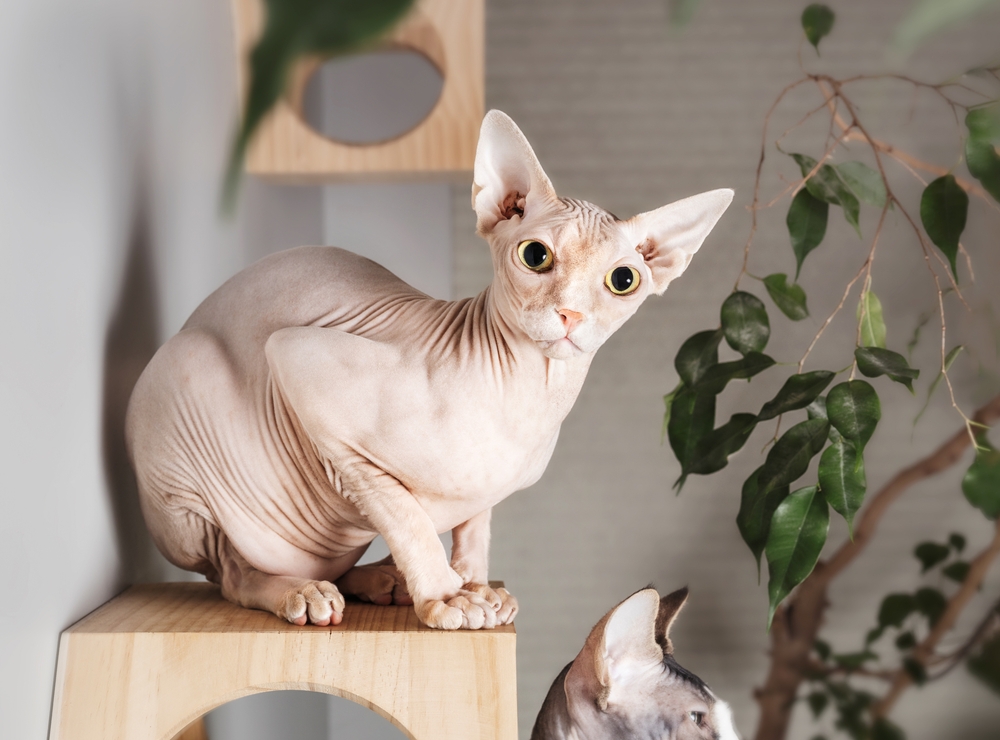
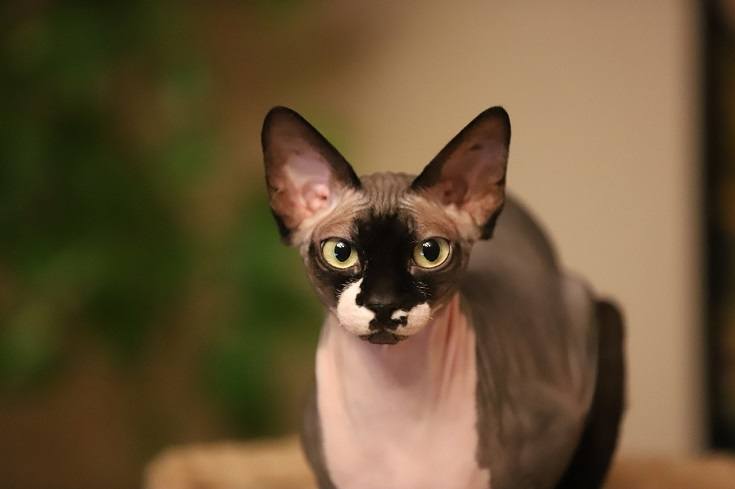
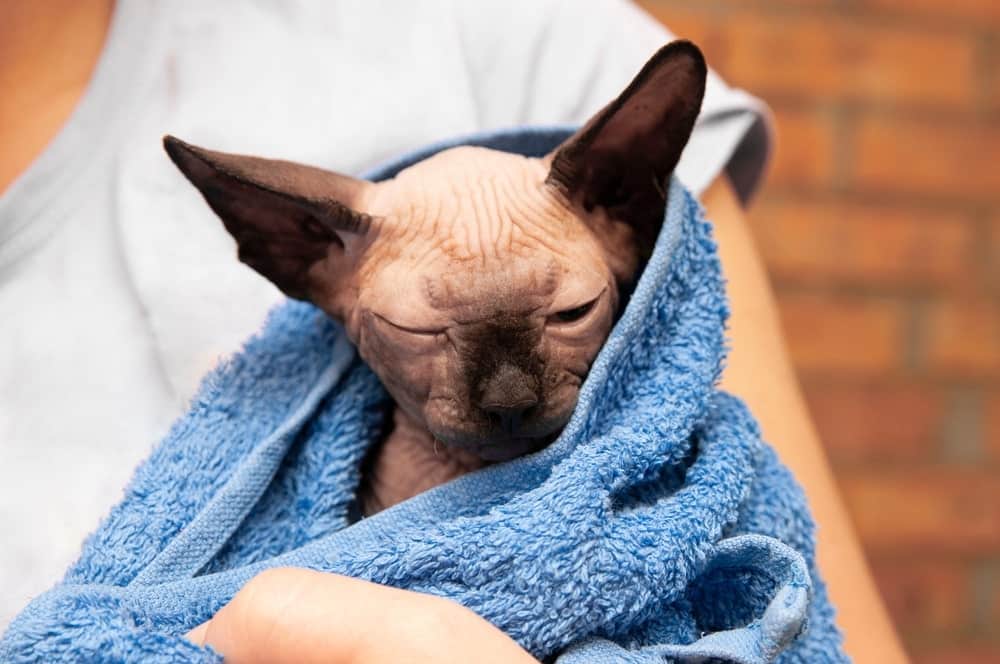
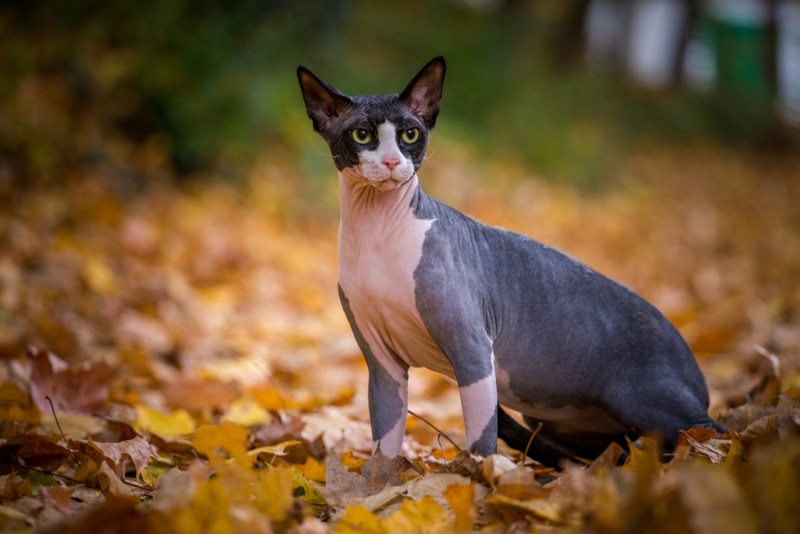
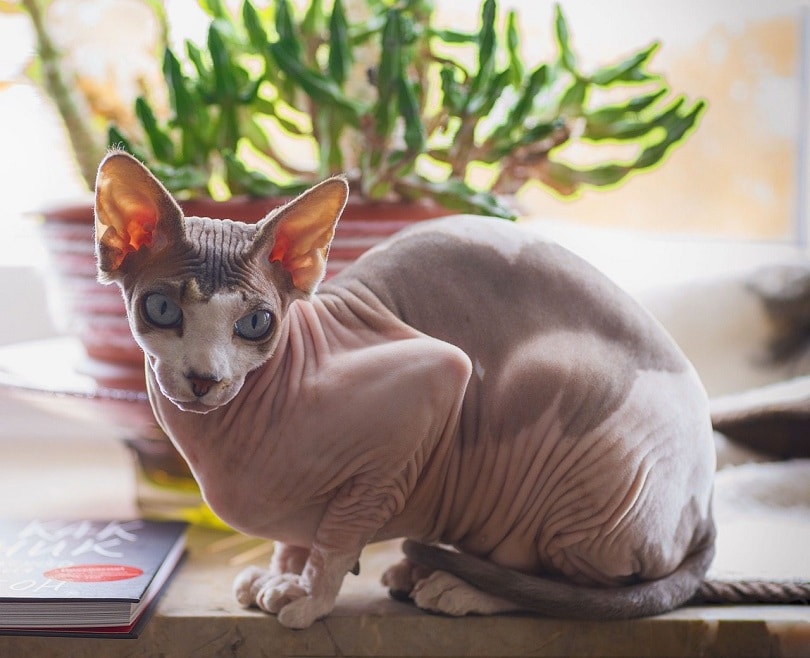
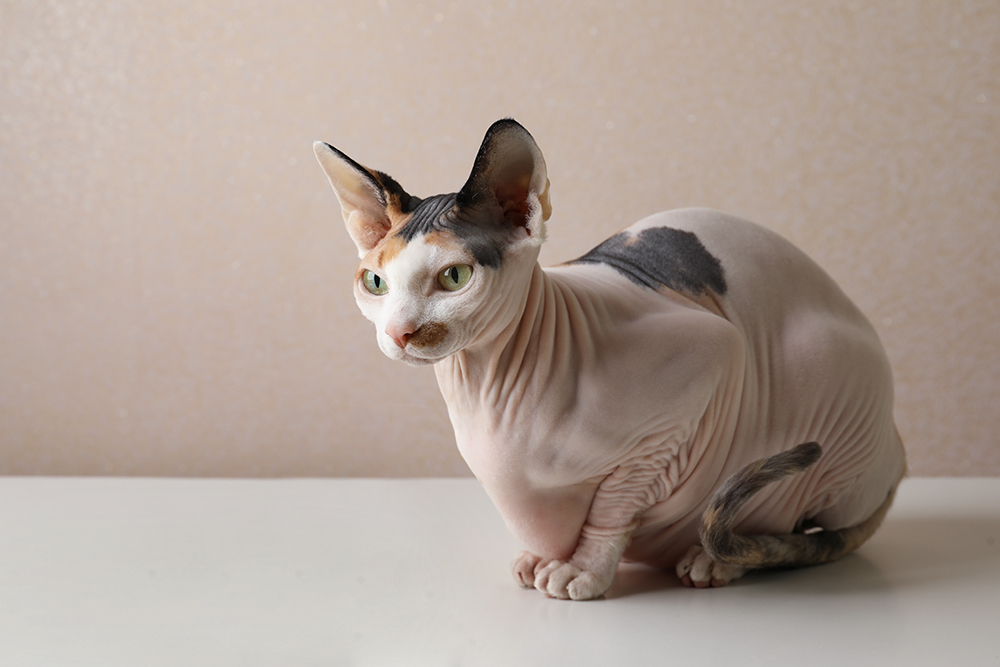
You can’t help but notice a Sphynx cat. The large ears and almond-shaped eyes command your attention. It’s no wonder that they are the 10th most popular breed! Of course, the kitty’s outgoing and energetic personality also helps endear them to pet owners. One question many people consider when deciding on an animal companion is their lifespan. After all, we get attached to our pets, and we want them around for as long as possible. So, how long does this hairless cat breed live? In general, Sphynx cats have an average lifespan of 8-14 years.

Sphynx Average Lifespan
It is commonly reported that the Sphynx cat can live 8 to 14 years or more with proper care and healthy genes. We found however that there is little peer reviewed scientific data on their average lifespan. Unfortunately though, one UK based study found that the Sphinx had the lowest lifespan of all breeds analyzed, with a life expectancy of only 6.68 years (compared to the overall average of all cats of 11.94 years).1 Many factors can influence an animal’s lifespan, including domestic cats. Let’s consider some of the most significant considerations.


How to Care for Your Sphynx for a Long Lifespan
All cats are unique, and the Sphynx, being a hairless breed, requires a bit more care than some other breeds.
Feeding & Diet
The Sphynx is an active cat and requires a high-quality diet that gives them all the energy they need. It is best to feed your cat a food that is complete and balanced and meets the AAFCO nutritional guidelines for their specific life stage. This will provide them with all the nutrients and vitamins that they need to thrive. However, it’s good to note that a food with omega-3 and omega-6 fatty acids will help maintain your hairless cat’s skin health.
To prevent them from getting bored, it might be wise to offer your cat their meals via food puzzles, lick mats, or foraging in your home. Offering several small meals throughout the day is ideal, as free-feeding them can lead to obesity.
Sphynx cats are also reported to have higher metabolisms than other breeds due to their need to regulate their body temperature without fur to keep them warm. While the feeding guideline on the food’s packaging is a good guideline, it’s best to ask your vet for advice about portion sizes for your Sphynx.

Grooming
While you might think that Sphynx cats require less maintenance because they don’t have long fur, you’d be incorrect. These cats actually require quite a bit of upkeep.
For starters, these cats require regular baths, although you also can’t overdo it because their skin will dry out and become irritated. You should avoid any shampoos with harsh scents or ingredients that could dry their skin out. Always look for a shampoo specifically formulated for cats. To prevent ear infections, be sure to check your Sphynx’s large ears regularly for dirt and wax buildup. Clean them with a cat ear cleaning solution and soft cotton ball or pad when needed—never use Q-tips, as this could push the debris further into the ear.
Sphynx cats are prone to dental disease so regular tooth brushing at home with a cat-friendly toothpaste is advisable.
Due to their lack of fur, they should be indoor-only cats. If you do happen to allow them outside, you’ll need to dress them in a UV-blocking shirt or pet-safe sunscreen to prevent sunburn. They might also get chilly, so you’ll need to consider getting them a couple of cat sweaters to stay warm.
Healthcare
Knowing what health issues a Sphynx can be at risk of helps you keep your feline as healthy and happy for as long as possible. Let’s have a look at some of these common issues, and if anything can be done to prevent them.
Skin conditions
As we touched on above, the lack of hair and the protection it provides puts the Sphynx at increased risk of skin problems. Because there is no hair to distribute sebaceous gland secretions, oil can build up on their skin and around their nail beds, meaning they need to be bathed regularly to prevent secondary bacterial and yeast skin infections.

Heart Disease
Genetics plays a role in the Sphynx’s risk of heart disease, primarily hypertrophic cardiomyopathy (HCM) and mitral valve dysplasia (MVD). This breed has a greater chance of inheriting these cardiovascular conditions, which, of course, can impact the animal’s lifespan. HCM describes the abnormal thickening of the heart muscle. It can lead to congestive heart failure, blood clots, and in a small percentage of cats, sudden death.
In predisposed breeds such as the Sphynx, annual screening with echocardiograms is usually recommended as HCM develops over time, it is most often diagnosed in middle aged cats. A genetic test for HCM is also available and responsible breeders will screen their breeding felines to reduce the risk of offspring developing this condition.
MVD is a condition affecting this heart valve. It can also lead to congestive heart failure.
Hereditary Myopathy
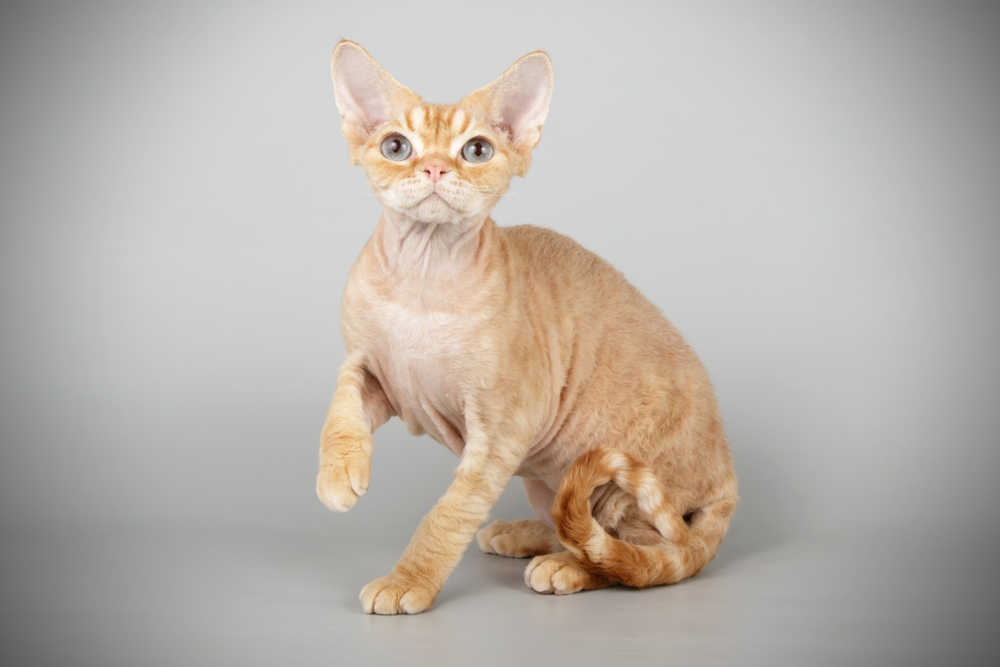
This is also a genetic disorder which the Sphynx can inherit. It also affects the Devon Rex, whose lineage was used to develop the Sphynx. It causes generalized muscle weakness due to a defect in the mechanism by which signals from nerves are transmitted to the muscles. Signs usually become apparent between 3 weeks and 6 months of age. It is an autosomal recessive trait meaning that two copies of the gene must be present for this disease to develop. To reduce the prevalence of this disorder, screening using DNA tests is recommended for cats that may be bred from.
Urinary Stones
Another health concern to be aware of in the Sphynx is a greater propensity for urinary stones or uroliths, a risk shared with the Bengal and Ragdoll, among other feline breeds.
Our aim isn’t to frighten you about the longevity of this cat. Instead, it underscores the importance of choosing a reputable seller. These individuals will share screening information readily with you. Beware of any breeder who won’t provide testing results or let you see your kitty's mother and littermates. You should also stick with sellers who offer a health guarantee.
Many animals with genetic disorders, like HCM, don’t show clinical signs right away. A guarantee protects you. It’s worth noting that your vet may recommend continued monitoring of your cat’s health for some of these conditions. Early detection can improve your pet’s quality of life and extend their lifespan.

The Life Stages of a Sphynx
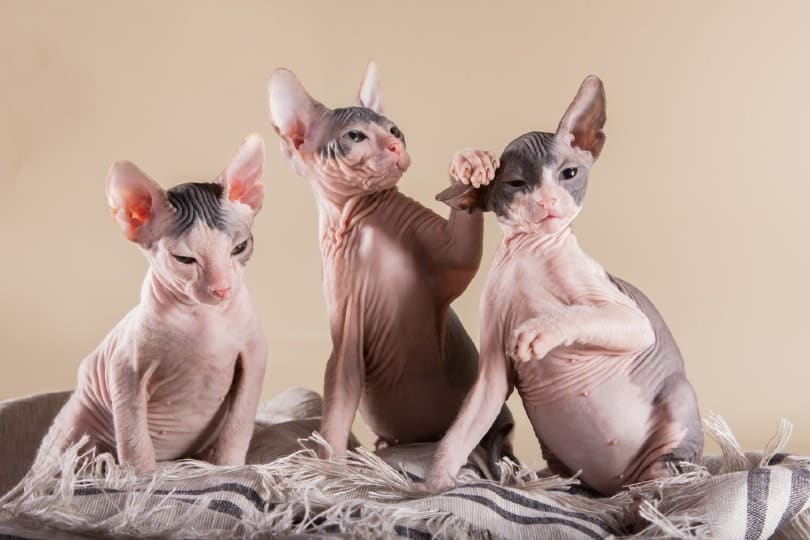
The life stages of a Sphynx are roughly the same as any other cat.
The stages are as follows:
How to Tell Your Sphynx’s Age
It can be hard to tell how old a cat is, regardless of the breed. However, vets will look at a few key indicators, such as the condition of their teeth and coat, their grooming habits and their eyes to give some clues as to their age.

Frequently Asked Questions (FAQ)
Do Sphynx Cats Require Lots of Extra Care?
The Sphynx requires extra care primarily relating to their lack of fur. As we covered above this includes regular baths, ear and teeth cleanings, and ensuring UV protection. This kitty is energetic and curious, making enrichment and mental stimulation also critical for their well-being.
Are Sphynx Cats Hypoallergenic?
Having little hair isn’t the same thing as the kitty being hypoallergenic. Unfortunately, it remains only a concept and is not a reality. The fur isn’t the issue, but rather, it’s a protein found in the animal’s saliva and skin. So while the lack of shed fur reduces the spread of allergens around your home, if you’re allergic to cats, getting a Sphynx isn’t necessarily going to solve the problem. On the positive side, you’ll get a pet that doesn’t shed much!
Is There Anything I Can Do as a Pet Owner to Prevent Heart Disease?
The heart diseases we referenced usually have a genetic component. The pre-breeding health screenings by the breeder can help prevent its occurrence. You should monitor your cat’s weight to prevent obesity, which can adversely affect the animal’s cardiovascular system.

Conclusion
The Sphynx Cat is a unique animal with an outgoing personality that is sure to get your attention. As with most other purebred cats, they are prone to certain genetic health conditions that can reduce their lifespan. Luckily, breeders have tools to screen their animals and help prevent many from being passed on to their kittens.
A Sphynx can provide you with years of enjoyment and unconditional love. However, regular veterinary care and recommended health screenings are essential. It’s part of your responsibility as a pet owner.
See also: Black Sphynx Cat
Sources
Featured Image Credit: New Africa, Shutterstock

Expert cat care, straight to your inbox
Vet-reviewed advice, behavior tips, and the best of Catster. Free, and you can unsubscribe anytime.
By signing up, you agree to our Terms & Conditions and Privacy & Cookies Policy.
Chris has been a science-focused pet writer since 2009, specializing in health and the environment. She lives with her husband Norm and three amazing cats in the land of 10,000 lakes. When she's not writing about cats, Chris also enjoys boating and sampling wine. She has her WSET 1 and 2 certifications and is currently pursuing her Certified Wine Specialist Award (CSW).
Join the conversation
Ask a question, share your story, or send private feedback.