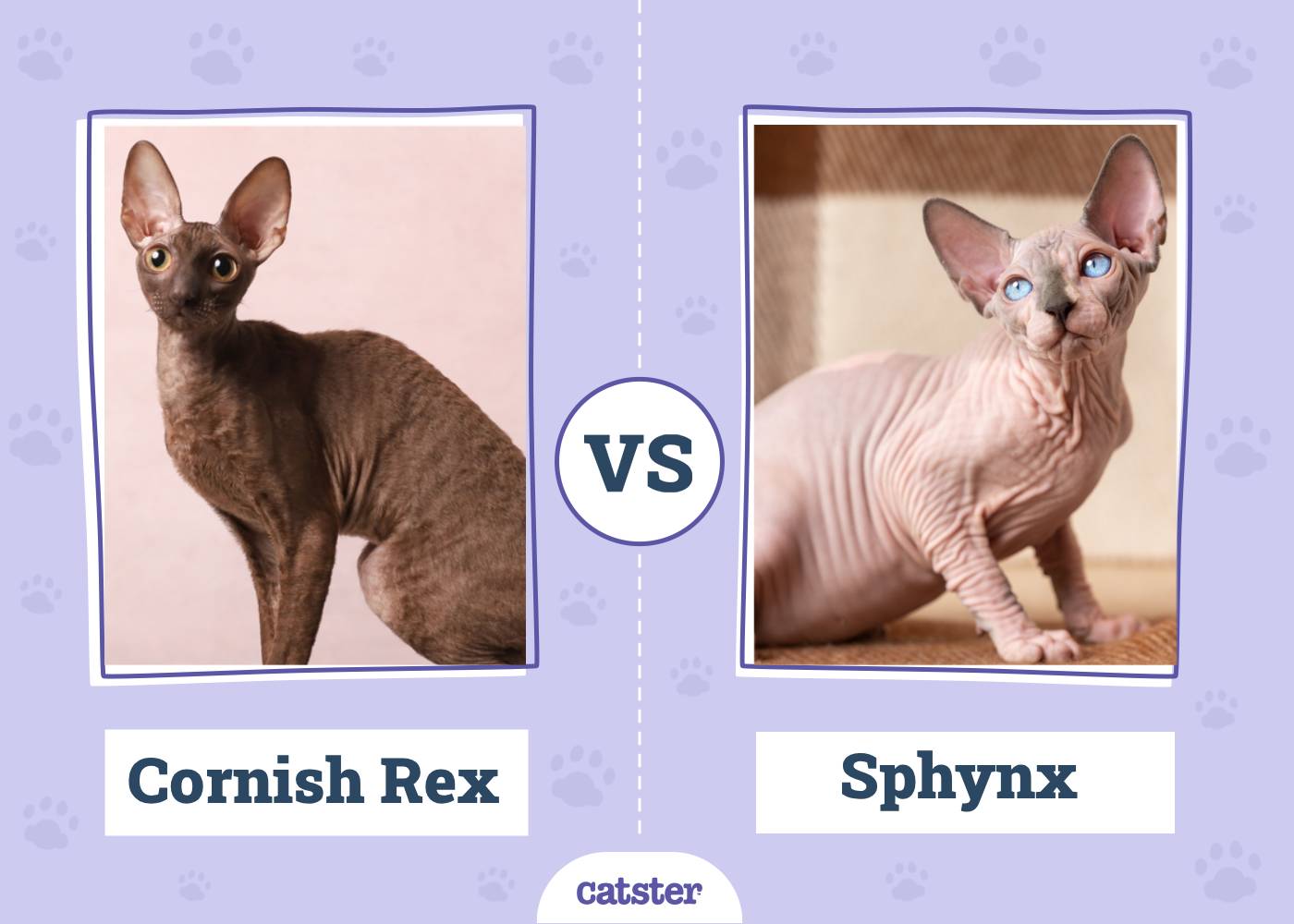
Black Sphynx Cat: Info, Pictures, Care & Facts

In this article
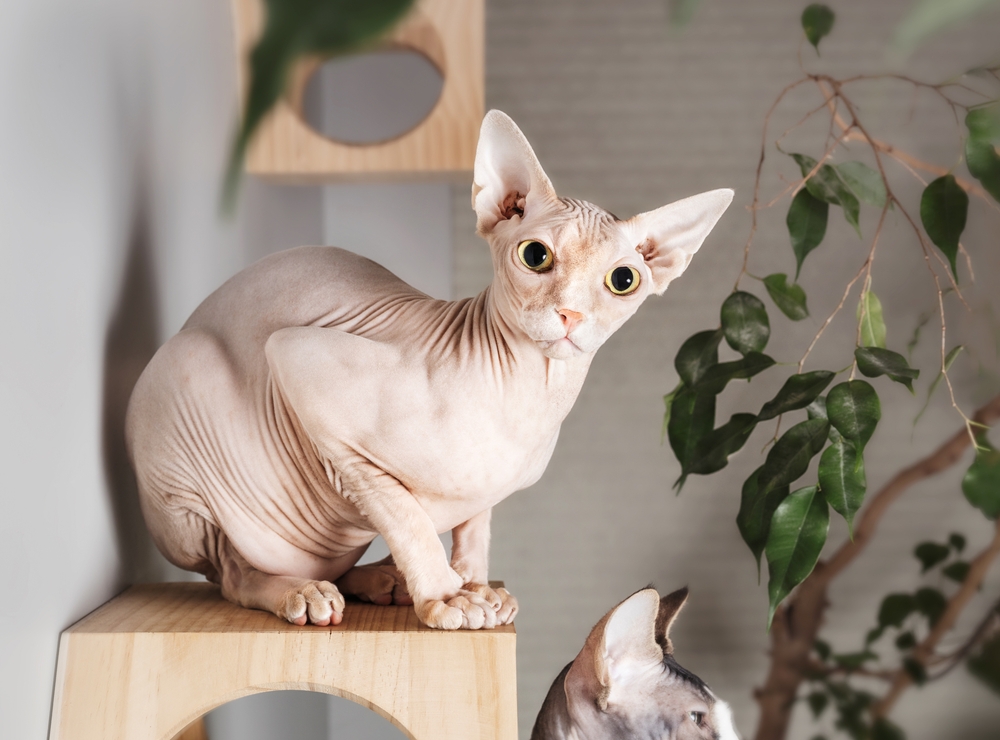
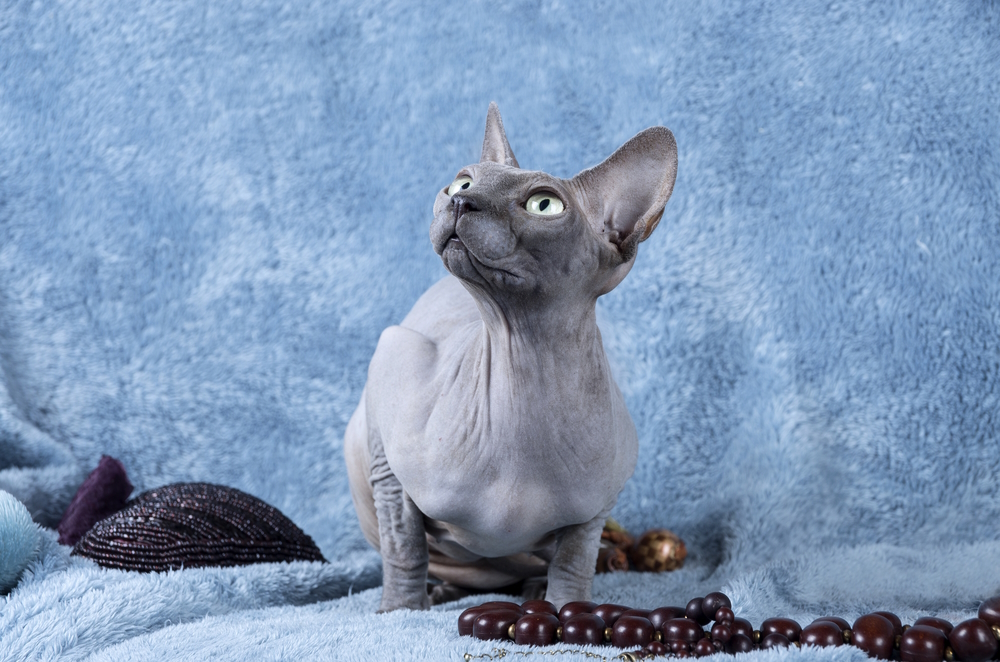
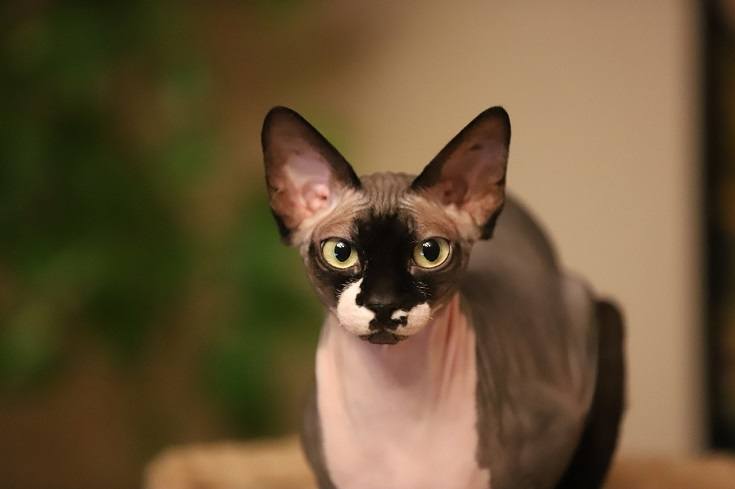
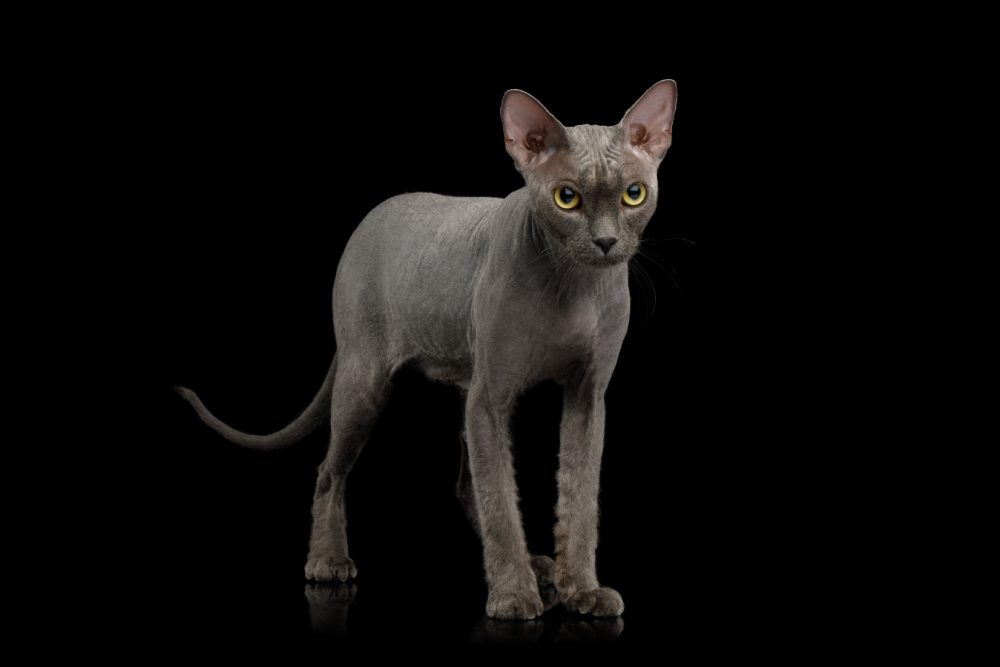
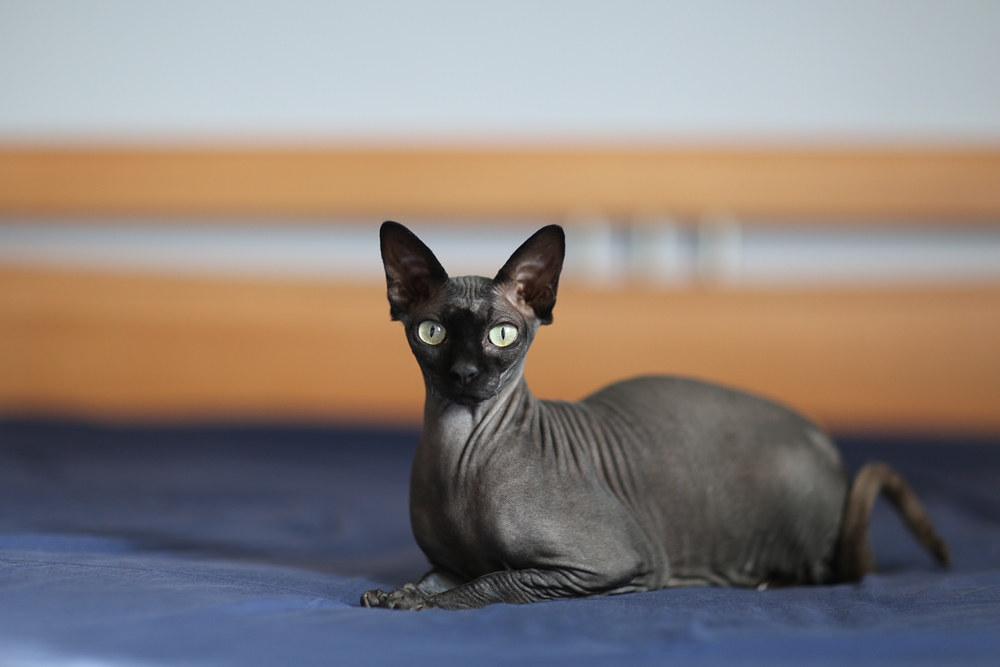
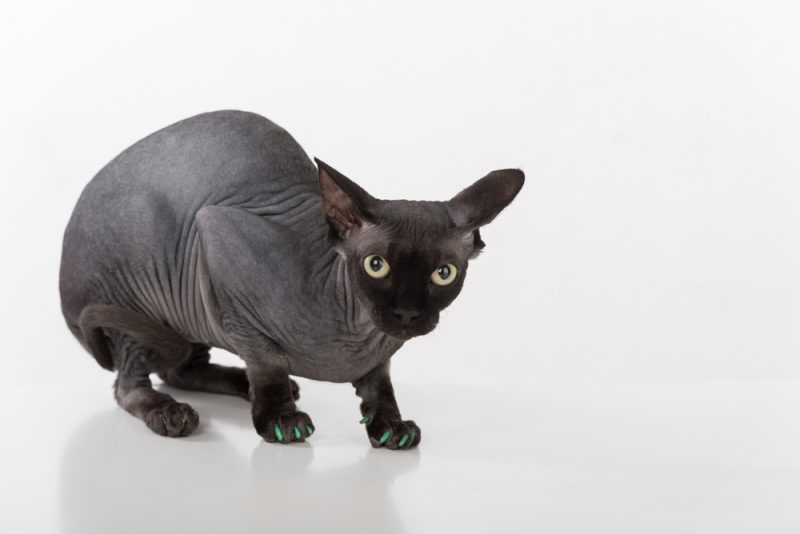
The Black Sphynx is one of several colors of the Sphynx cat. The Sphynx is best known for their hairless appearance and wrinkled skin. They have large ears, as well as a muscular body, and they are known for being affectionate cats that do well with an attentive owner.
The breed is relatively new and was first intentionally bred in the 1960s. They were bred in Canada and got their name from the Sphinx of ancient Egypt. Although the Sphynx is recognized by the International Cat Association, the Cat Fanciers’ Association, and the American Cat Fanciers’ Association, several pedigree cat associations do not officially recognize the breed because the hairlessness stems from a genetic disorder.
Breed Overview
Height:
Weight:
Lifespan:
Colors:
Suitable for:
Temperament:
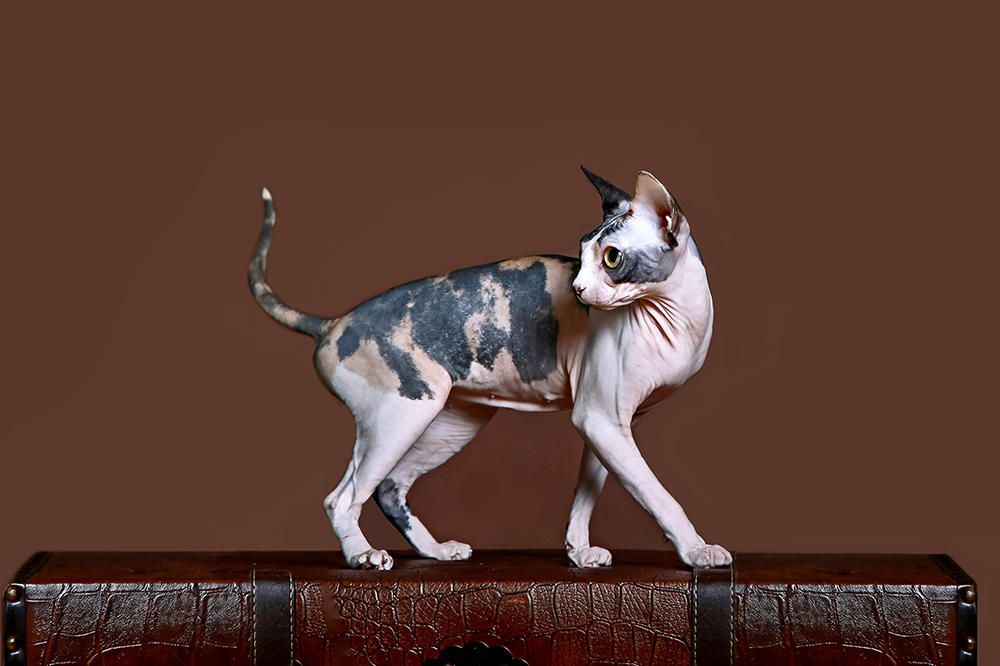
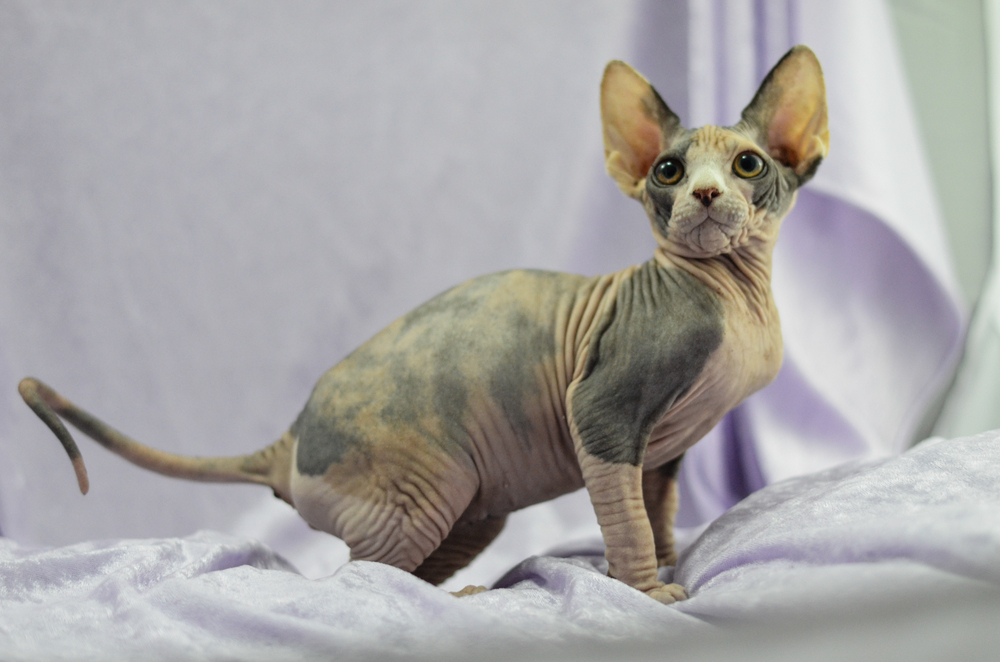
The Sphynx can come in several colors, including white, cream, gray, and black. While the most striking characteristic of this breed is that they have no coat, the Sphynx can, according to breed standards, have a coat of peach-colored fuzz over their whole body, and most Sphynxes have hair on the nose and around the ears.

Black Sphynx Cat Breed Characteristics
The Earliest Records of Black Sphynx Cats in History
Although the name Sphynx conjures up images of ancient Egyptian cats, the cat is a new breed and was established in the 1960s. A random genetic mutation caused the birth of a hairless kitten.
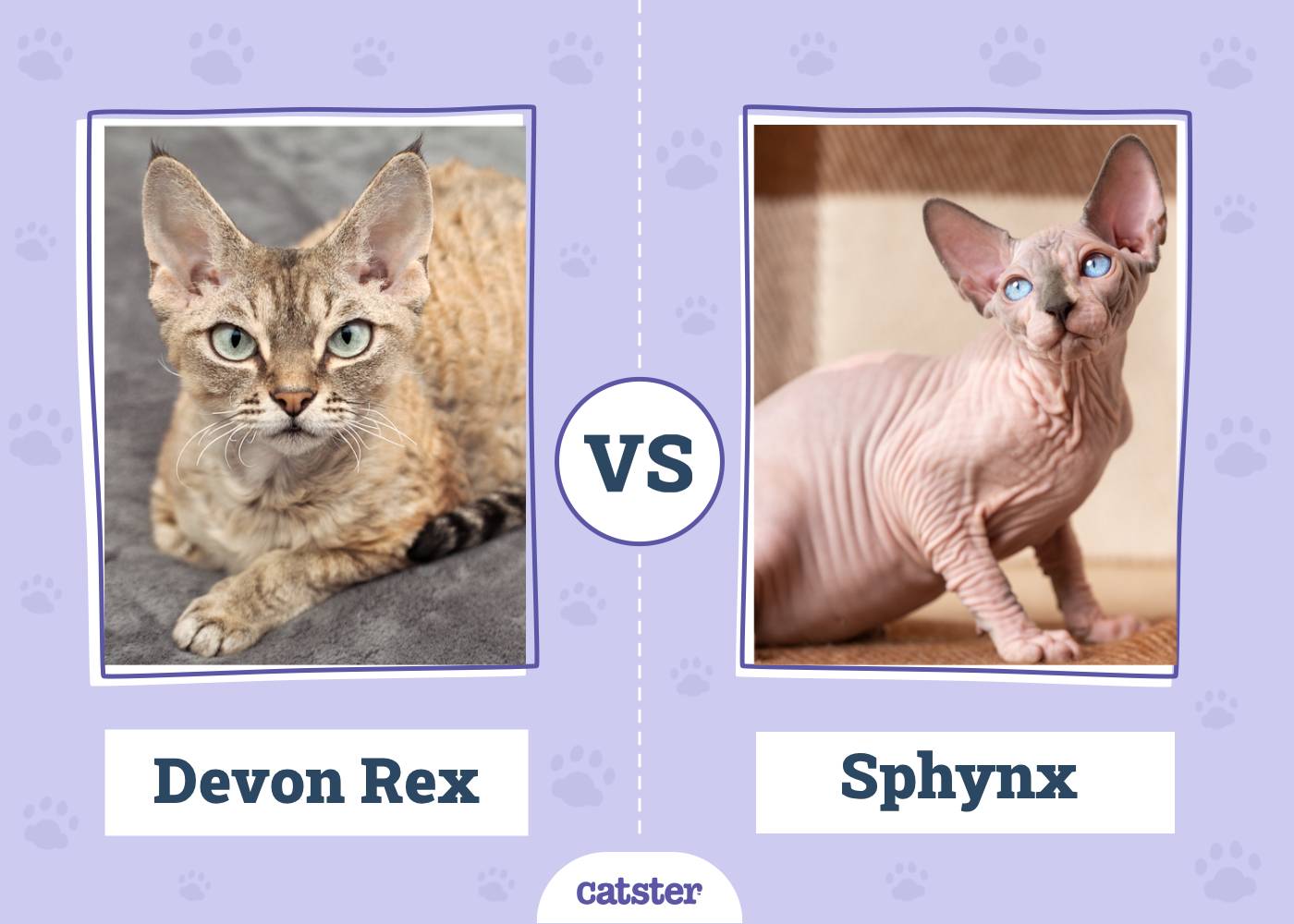
Several breeders used the hairless cat to produce more hairless offspring and the Canadian Hairless Cat. Then, they made their way over to the U.S., where they were bred with Devon Rex cats, who are also known for having very little hair.
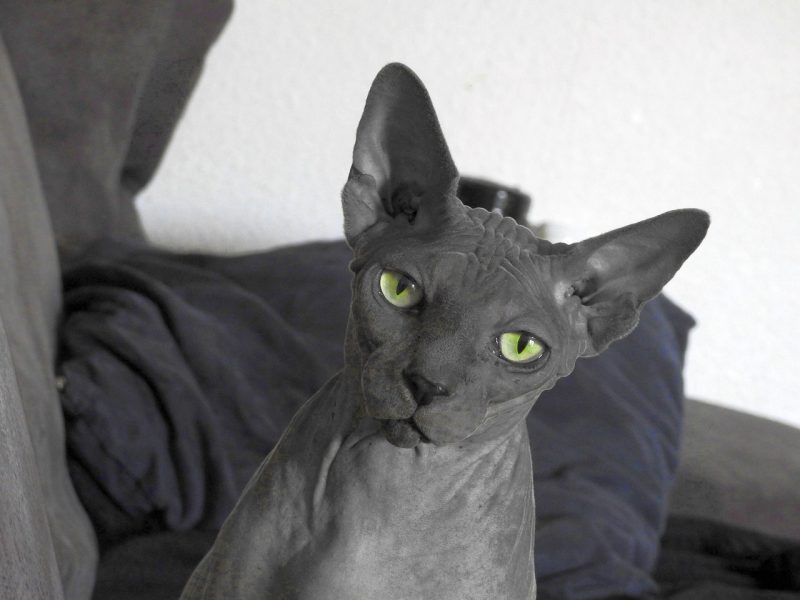
Any naturally occurring skin color is accepted as standard with the Sphynx Cat, which means that black is one of several colors. However, there is no clear record of exactly when the first Black Sphynx was bred or witnessed. Because it is a natural cat skin color, it is likely that Black Sphynxes were among some of the first to be bred.
How Black Sphynx Cats Gained Popularity
The breed originally gained popularity with breeders who saw the hairless trait as an unusual, positive characteristic. The same unusual looks were likely the reason that the cat became popular with owners. The breed’s popularity was also helped by their playfulness and loving nature.
However, many potential owners are put off by the lack of hair. Although the breed is hardy and no more prone to most conditions than other breeds, they’re vulnerable to some health conditions.
Formal Recognition of the Black Sphynx Cat
Although the Sphynx cats are recognized by some pedigree cat groups, they aren’t formally recognized by all of them. The International Cat Association formally recognized the Sphynx in 2005, after the Cat Fanciers Association did so in 2002. The American Cat Fanciers’ Association also recognizes the breed, but they have different standards.


Top 5 Unique Facts About Black Sphynx Cats
1. They Don’t Like The Cold
It’s not that surprising for a hairless cat, but the Sphynx does not like cold weather. They don’t enjoy the natural warmth that other cats get from their coats, which means this breed not only struggles outdoors in cold weather but can get cold in an unheated home, too.
2. Sphynxes Need To Be Kept Indoors
As well as struggling with a cold climate, Sphynxes are prone to sunburn and heatstroke because of the lack of hair. Because they don’t even have the natural physical protection that a cat coat offers, they need to be kept as indoor cats.
3. Sphynx Cats Come From Canada, Not Egypt
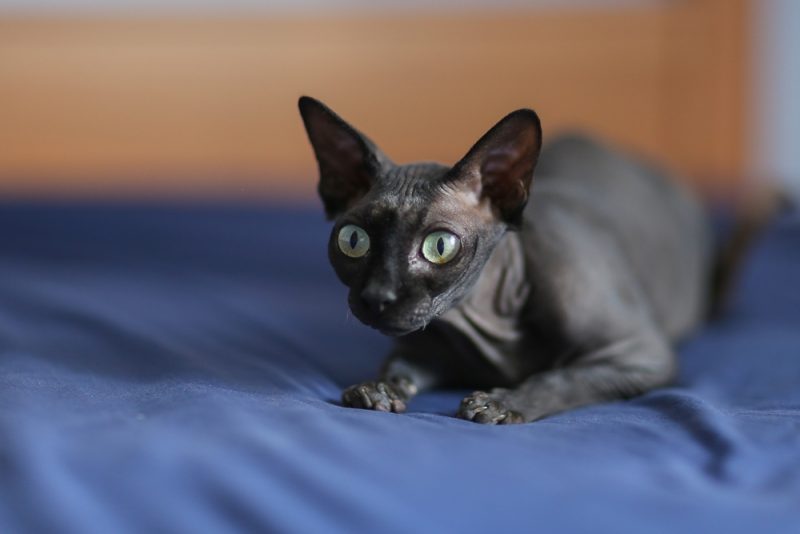
The name Sphynx comes from the Sphinx statue in Egypt, which was based on a mythical creature with the face of a human and the body of a lion. However, the breed we now know as the Sphynx did not originate in Egypt but was intentionally bred in Toronto, Canada, in the 1960s before making its way over to the U.S.
4. They Are Very Social
As well as being recognizable for their unusual appearance, the Sphynx is also known for being a loving, loyal, and affectionate cat, which makes them a great choice for a family pet. They’re people-friendly, get along with other cats, and typically get along just as well with strangers.
5. They Are Considered Hypoallergenic
People who suffer from cat allergies are allergic to a protein found in cat urine, saliva, and dander. Although no breed is entirely hypoallergenic, the Sphynx may cause less of a reaction and may be ideal for those with mild allergies.
Does the Black Sphynx Cat Make a Good Pet?
The Black Sphynx can make an excellent pet for the right owners since they are playful, affectionate, and energetic. However, they can be clingy and don’t like to be left alone for long periods. Therefore, they may not be the best pet choice for owners who go out to work all day or leave the house for extended periods.
While they don’t need daily brushing, the Sphynx has some very specific care requirements. They need regular bathing and the use of a good-quality, gentle shampoo that doesn’t cause irritation. They are also somewhat prone to putting on weight, and owners must be especially careful about monitoring their diet.
Conclusion
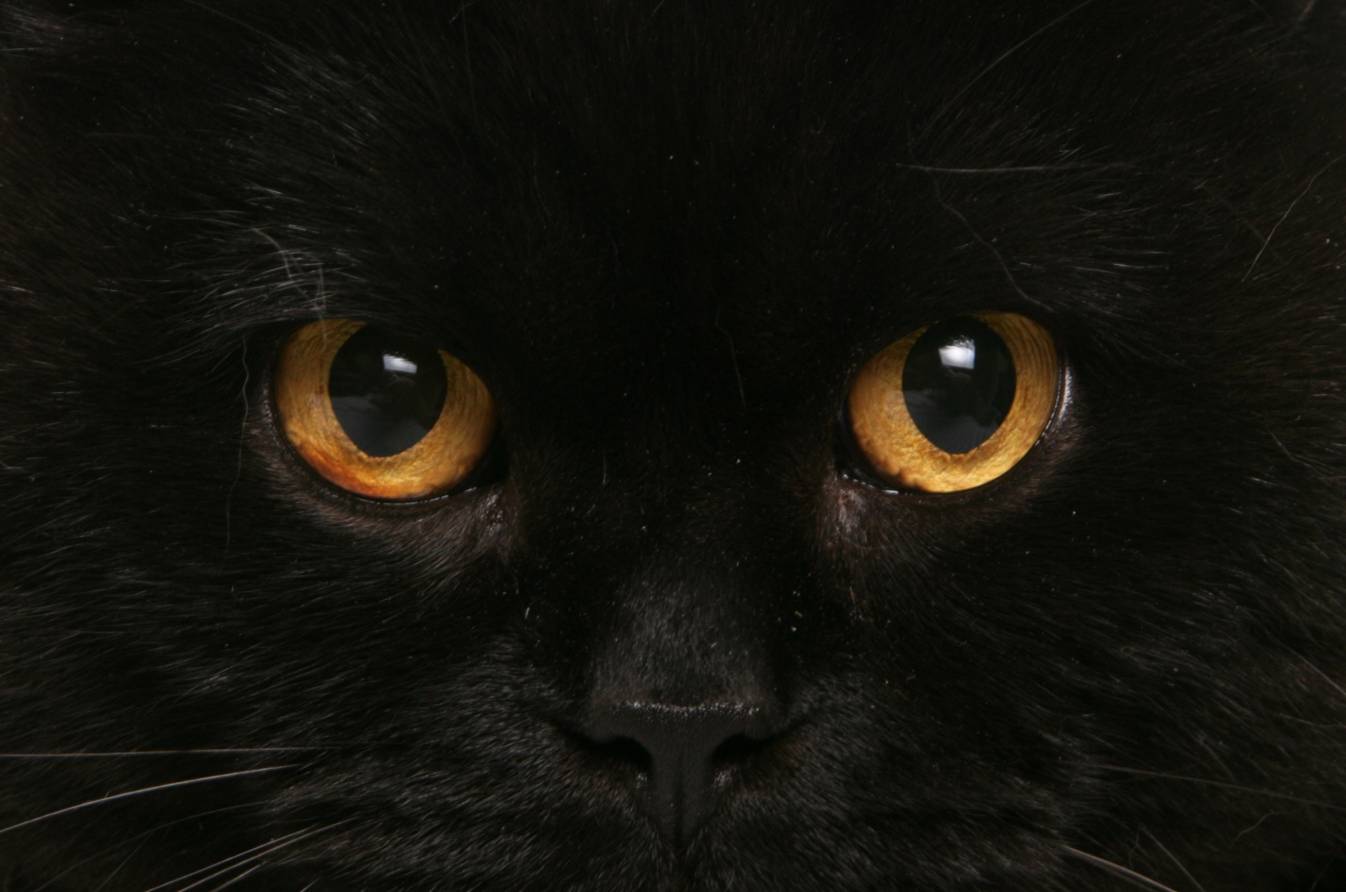
The Black Sphynx is instantly recognizable for their hairless body and black skin. They are friendly and loyal and get along with most people. Despite having a name inspired by a mythological creature from Ancient Egypt, the Sphynx was developed in Toronto, Canada, in the 1960s. While they are recognized by several cat fancier associations, some refuse to formally recognize them because the lack of hair stems from a genetic mutation. Some groups do not believe the mutations should be intentionally bred into the next generation of cats.
Sources
Featured Image Credit: Olga Shusters, Shutterstock

Expert cat care, straight to your inbox
Vet-reviewed advice, behavior tips, and the best of Catster. Free, and you can unsubscribe anytime.
By signing up, you agree to our Terms & Conditions and Privacy & Cookies Policy.
Matt is a freelance writer from the UK. He lives with his partner and daughter, as well as one dog and two cats.
A data analyst by trade, Matt moved from numbers to words more than 15 years ago and has been writing content ever since. Having volunteered at a local animal sanctuary, he has a lot of experience with different breeds of cats, dogs and horses. He currently shares his home with his partner and daughter, as well as a rescue dog from Macedonia (which might be an Akita cross) and two cats. Matt has also kept bearded dragons, a variety of birds, fish, guinea pigs, hamsters, mice, and rats. His daughter has adopted the same passion for animals, keeping and breeding snakes.
A geek at heart, Matt is a member of a local board gaming group that meets weekly, and regularly forces his family to “enjoy” board games with him at home.
Join the conversation
Ask a question, share your story, or send private feedback.