How to Get a Feral Cat Into a Carrier: 14 Expert Tips & Tricks


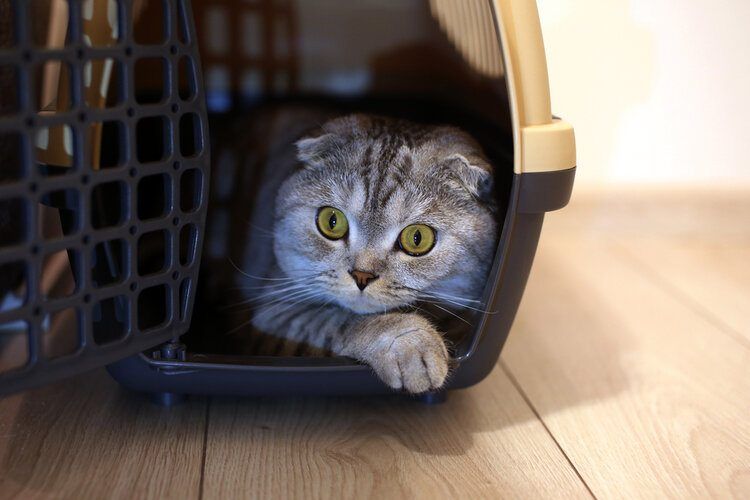
Feral cats can be challenging animals to deal with. They're skittish and easily spooked, making it difficult to get them into a carrier (which can also be used as traps) if you're trying to transport them. Whether you're trying to take them to the vet, transport them to a new location, or just keep them safe, it can be quite a daunting task.
With a little patience, preparation, and some helpful tips, you can master the art of feral cat wrangling and make the process a little less stressful for you and the aggressive felines.

The 14 Tips to Get a Feral Cat Into a Carrier
IMPORTANT
1. Understand Feral Cat Behavior
Before discussing how to wrangle the feral cats, let's talk a bit about their behavior. Unlike stray cats, feral cats aren't socialized with humans and live in colonies. They're typically afraid of people and avoid contact whenever possible. They are also very territorial and will defend their territory against any perceived threat.
This can make it difficult to approach them, especially if they feel cornered or trapped. So, it's vital to approach feral cats with caution and knowledge of their potential reactions. They may hiss, growl, or try to scratch or bite if they feel threatened.
It's best to give them plenty of space and avoid sudden movements or loud noises. If you're trying to trap a feral cat, use a humane trap and follow the proper procedures to ensure their safety.
2. Create a Safe and Calm Environment
Feral cats are afraid of unfamiliar environments and people. To make the process of getting them into a carrier easier, it's best to create a safe and calm environment. This could mean setting up a quiet room or a safe outdoor area where they can explore and feel secure.
One way to help calm a feral cat is to use a pheromone spray or diffuser. The products release calming scents that can reduce anxiety and stress in cats. You can also try playing soft, soothing music or using a white noise machine to create a calming atmosphere.
Another critical factor in creating a safe and calm environment is to use positive reinforcement. This means rewarding the cat for good behavior and ignoring bad behavior. For example, if the cat approaches the carrier, give them a treat or praise. If they hiss or growl, ignore them and give them space.

3. Use Food and Treats to Lure the Cat into the Carrier
One of the most effective ways to get a feral cat into a carrier is to use food or treats to lure them inside. This works incredibly well if the cat is hungry or curious. Place the carrier in the cat's environment and leave the door open with food or treats inside. Allow the cat to approach the carrier on their own terms and explore it at their own pace.
If the cat hesitates to enter the carrier, try placing treats or food inside the entrance. You can also use a fishing pole toy or a laser pointer to guide them into the carrier.
4. Use Toys
Another effective technique is to use toys. Feral cats are known to be curious and playful, so introducing a toy that they can play with inside the carrier can be a great way to distract them and make them feel more comfortable.
You can also try using a laser pointer or other similar toys that will keep the cat's attention focused away from the carrier while you sneak them inside.

5. Handle Feral Cats with Care
When handling feral cats, remember they are not like domestic cats. They are not used to human contact and may become agitated or scared if they feel threatened. Use gloves and a towel to handle the cats, and avoid sudden movements or loud noises.
6. Wrap Them in a Towel
You can try wrapping the cat in a blanket or towel before placing them in the carrier. This will keep the cat calm and make them feel more secure. You can also try placing the carrier in a quiet and dark area on your property, which will help reduce any stress or anxiety the cat may feel.

7. Camouflage the Carrier
Burlap or other natural materials can be used to cover the carrier. Place leaves, small branches, or palm fronds around the carrier's top, sides, and floor. Make sure that your disguise does not interfere with the carrier door's closing. Before you set it up, make sure to test it.
8. Use Humane Traps for Feral Cats
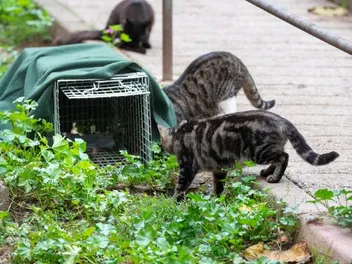
If you need to trap a feral cat for medical treatment, it helps to use a humane trap. The traps are designed to capture the cat safely without causing harm or injury. They typically have a door that closes when the cat steps on a trigger plate.
Always follow the proper procedures to ensure the cat's safety when using a humane trap. This includes placing the trap in a safe and secure location, using a bait that the cat is familiar with, and checking the trap regularly to ensure the cat is not trapped for too long.
9. Slide a Stick Inside
If the cat has mastered the art of stepping lightly to avoid traps being triggered, slide a stick through one of the side holes. The trap will be located just in front of the trigger plate and a few inches from the trap floor.
The trap will spring when the cat is forced to step over it. The cat's paw will hit the trigger plate directly above the trap floor, causing the trap to be triggered and the door to shut.
10. Purchase a Drop Trap
If the box trap isn't enough, consider using a drop trap. You set up the large mesh box on a table and manually trigger it with a string or rope. Drop traps are too large to handle alone, so placing them on flat ground is best. The string should be long enough that you can hide from the trap a few feet away.
After you have caught your target cat, place a sheet on top of the trap. To make it easier to hold the cat, transfer them to a carrier or box trap and then transport them.

11. Place Traps Side by Side
You can use this to your advantage if your feral cat prefers to circle around the trap rather than enter it to find the food. Two box traps should be placed next to each other, with their entrances facing opposite directions. If the cat circles around one trap, they might walk into the one next to it.
12. Use the Kittens
If the feral cat has kittens and you're able to capture them, place the kittens in a carrier or other box trap. Then, place the door against the back of the trap you intend to use to catch the mother.
Cover everything except the trap's entrance with a towel or dark sheet. The mother will believe she's seeing her kittens through the tunnel, and she will enter her trap to reach them. Be sure to keep the kittens warm if it's cold outside by covering their trap or carrier with a towel and placing two heat packs or hot water bottles underneath.

13. Use Your Smartphone
Your cell phone can help if a timid kitten or mother cat won't allow you to put them in a trap. You can play a video of the kittens meowing on your smartphone, then place it at the back of the box or drop trap. Kittens that are afraid or alone might race to join the other kittens in the trap. The mother cat might think her kittens are calling and may enter the trap to search for them.
14. Get Help from Animal Rescue Organizations
If you're struggling to get a feral cat into a carrier or need assistance with trapping or transporting them, consider contacting a local animal rescue organization. They have experience working with feral cats and can provide advice and support.
They may also be able to provide humane traps or other tools and supplies to help with the process. In some cases, they can assist with trapping and transporting the cat.
Wrapping Things Up
Wrangling a feral cat into a carrier can be challenging, but with the right tools and techniques, it can be done safely and efficiently. The key is to be patient and persistent and to make sure you create a comfortable and familiar environment for the cat. With some creativity and patience, you can successfully transport your feral cat without causing them any unnecessary stress or physical risks.
Related Reads:
Featured Image Credit: zossia, Shutterstock
Expert cat care, straight to your inbox
News, insights, and useful advice, delivered to you.

No spam — unsubscribe anytime.
By signing up, you agree to our Terms & Conditions and Privacy & Cookies Policy.
How useful was this post?
Click a star to rate. You can leave written feedback afterwards. (We read all feedback.)
Christian started writing for a local newspaper as a teenager, and he's been involved in the publishing industry for most of his adult life. Combining his love of writing with a passion for animals, he is currently the Director of Editorial at Pangolia and the Editor-in-Chief at Catster.
Christian lives in the Philippines with his wife, son, and four rescue cats: Trixie, Chloe, Sparky, and Chopper.