Get

In Your Inbox

Catster is reader-supported. When you buy via links on our site, we may earn an affiliate commission at no cost to you. Learn more.

How to Tell if a Cat Is Cold – 5 Vet Approved Signs to Look For

Share

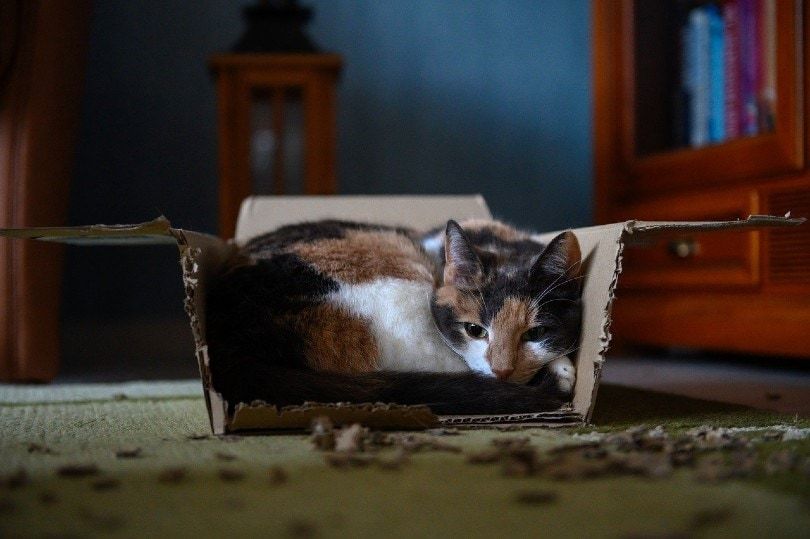
cat curling up in a box

As a proud cat owner, you certainly only want what’s best for your precious little pet. When the temperature outside drops, you probably pull out your blankets and sweaters to keep warm. But what about your cat? If you’re wondering how to tell if your cat is cold or not, we’re here to help!

To ensure you can take great care of your furry feline, here are the top signs to look for that indicate if your cat is cold:

divider cats oct 2024

How to Tell If a Cat Is Cold – The 5 Signs to Look For

1. They’re Cold to the Touch

If your cat’s ears, paws, and the end of the tail feel cold, they probably are uncomfortably chilly since these parts of the body lose heat first when the temperature drops.

furry tabby cat lying on its owner's lap
Image Credit: Impact Photography, Shutterstock

2. They’re Hanging Out by the Radiator

If your cat is often found sitting or lying near a warm radiator or another heat source, it’s a sign that they’re cold. By positioning themself near heat, they’re attempting to boost their body temperature and feel more comfortable.


3. They’re Curled Up in a Ball

When a cat curls up in a ball with its feet tucked under its body, the animal can preserve body heat. While this position may be how you often find your cat sleeping, it could also be a sign that they’re cold.

cat curled up in hepper nest bed


4. They Want to Cuddle

When young kittens are chilly, they huddle together to warm up. If your cat feels cold, they may want to jump in your lap and cuddle to keep warm.


5. Lethargy

As their core temperature starts to drop cats may become lethargic and difficult to rouse from sleeping. They may also appear un-coordinated if you do get them up and about.

divider cats oct 2024

How to Warm Up a Cold Cat

When you discover that your cat is cold, surely you want to help your companion warm up. There are several ways to warm up a cold cat that we’ve listed below.

  • Buy a Thermal Cat Bed: You can warm up a chilly kitty by giving them a heating pad or thermal cat bed to hang out in. This type of bed reflects heat to keep your cat warm and comfy.
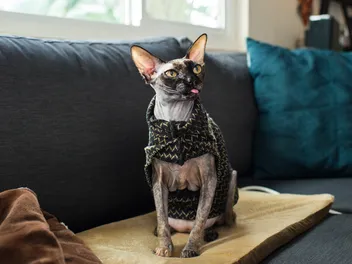
  • Put a Sweater on Your Cat: If your cat tolerates wearing kitty clothes, buy them a sweet little cat sweater to wear when they’re cold. Not only will your cat be toasty warm in a sweater, but they’ll also be fashion-forward and the most stylish feline on the block!
  • Cuddle With Your Kitty: A sure-fire way to warm up a cat is by simply cuddling them. Pick your little darling up and tuck them in by your side or on your lap to warm them up quickly. Cuddling is also a great bonding experience for you both, so enjoy it while it happens.
  • Place Their Bed by a Heat Source: A good way to warm your cat up when they’re cold is to place their bed by a radiator or another heat source. If you have a fireplace, toss the cat bed down in front of it so your cat can warm themself by the glowing heat. Just be sure not to put it too close!

Signs of Hypothermia in Cats

The normal body temperature for a cat is between 101.0°F–102.5°F. If your cat is exposed to cold temperatures for a long period and their body temperature drops below 100°F, they may suffer from hypothermia, even with all that fur of theirs. The thermoneutral zone for cats is higher than for humans. So they tend to suffer from the effects of cold more easily.

Hypothermia in cats can be very serious. As a cat’s body temperature drops, the heart rate and other body activities slow down. There are some signs to watch for that may indicate your cat is suffering from hypothermia, which are:

  • Decreased heart rate
  • Slowed breathing
  • Lethargy
  • Drowsiness
  • Cold to the touch
  • Pale or gray gums

If you suspect your cat has hypothermia, contact your veterinarian as soon as possible. Your vet may ask you to bring your cat in for an exam and treatment. In the meantime, move your cat to a warm location and towel dry them if they’re wet.

If the vet determines your cat has hypothermia, the treatment typically consists of elevating the body temperature back to a normal level. This is usually done by placing the cat in a warm room and giving them warmed IV fluids. Fortunately, the prognosis is good for most cats with mild hypothermia.

divider cats oct 2024

Conclusion

There are some tell-tale signs to watch for that indicate a cat is cold. If you discover your pet cat is chilly, follow the tips above to warm them up so they feel more comfortable. Don’t ever forget that your cat depends on you to tend to their needs, so pamper your little buddy to make them feel safe, loved, and—most importantly—warm.


Featured Image Credit: karlins_u, Pixabay

Want content like this delivered to you?

Sign Up For Our Newsletter

News, insights, expert advice, and everything cat

* By submitting, you agree to our Terms & Conditions and Privacy & Cookies Policy.


How useful was this post?

Click on a star to rate (you can leave written feedback after clicking submit)

Help us improve Catster for pet parents!

Your feedback really matters.

What did you like about this post? Also how can we improve it?

Join the conversation

Leave a Reply

You’re very welcome to leave a comment or question. Please know that all comments must meet our community guidelines, and your email address will NOT be published. Let’s have a positive and constructive conversation.


Catster's Digital Magazine is Back!

Vet-approved health & behavior advice

Real cat stories & community features

Weird Cat Behaviors That Actually Make Perfect Sense

We have been sharing our lives with cats for thousands of years, yet we still find ourselves genuinely stumped by what they get...

The Dream of Talking to Cats Just Got Closer to Becoming a Reality

If you’ve ever wished your cat could simply tell you what they wanted, you’re not alone. From the meow that wakes you before...

Kizzy: The Feline Princess With a Purpose

We were first introduced to Miss Kizzy after she won a licky-treat challenge hosted by Professor Fluffovich, our resident feline research specialist. While...

Chatting With Sally About Mission Meow & Helping Cat Rescue Organizations Collaborate | Chatty Cattys, Episode 24

In this episode of Catster’s podcast, Chatty Cattys, Nicole and Dr. Karyn sit down with Sally Williams, the founder of Mission Meow, for...

More related

Can Cats Eat Chicken Nuggets? Vet-Verified Facts & FAQ

Picture this: You’re eating some dinner one night, and your furry friends gather around you. Those sweet eyes are hard to resist, but...

Ragdoll Kittens for Sale in New Jersey: Breeders List 2026

Ragdolls are becoming quite the coveted cat breed, and for good reason! These fluffy, laid-back kitties melt in your arms when you hold...

Cat Colors: Vet-Verified Facts Behind Different Coat Types & Patterns

Cats are found in a wide range of coat types, colors, and patterns. Although these different coat types could be breed-dependent, they do...

Fostering Shelter Cats: Our Vet Shares 10 Tips Before You Bring One Home

Roughly 66% of American households have a pet, with cats ranking second among the most popular animals. Shelters have come a long way...

Keep reading

Why Is My Cat Not Drinking Water? Vet-Reviewed Reasons & Solutions

Keeping our cats hydrated can be a bit tricky. Cats are notorious for not drinking enough, so we need to find ways to ensure that they are ingesting enough water to stay healthy. But what if your cat doesn’t seem...

bengal-cat-playing-waterin-the-bowl

Is Jasmine Poisonous to Cats? Vet-Reviewed Houseplants Examined

Most of us love the look of live houseplants and gorgeous, colorful gardens. However, many of these plants can pose an unexpected threat if we also own curious pets. Plenty of houseplants are toxic to cats, including some types of...

Catster_Are Jasmine Poisonous to Cats

Do Cats Need Wet Food? Vet-Reviewed Benefits, Facts & FAQ

Are you wondering whether wet food is necessary or just a luxurious treat for your feline companion? The truth is that wet food is not an absolute requirement for a cat’s health, but it does come with a few benefits...

cat eating canned tuna

Cat Losing Whiskers: Is It Normal & Should I Worry? Vet-Reviewed Facts

It can be deeply worrying if your cat’s whiskers start to fall out. While this phenomenon could be cause for concern, a cat losing whiskers naturally happens as part of the shedding process and they will normally regrow them. Unlike...

cat looking up

Chonks: The Internet Craze That Promotes Unhealthy Cats (Vet-Reviewed Analysis)

If you were to open your Instagram account and mindlessly scroll through the media buffet, you would undoubtedly see pictures and videos of “chonky” cats. What is meant by “chonky”? Pudgy, cuddly, fat cats. Photos as far as the eye...

veterinarian weighs an overweight pet on a scale

Is It True That All Cats Chirp? 5 Reasons Why They Do It

Cats use various vocalizations to communicate with us, and one of these vocalizations is the cute chirping sound you become accustomed to hearing when your cat is obsessed with a bird or bug on the other side of the window....

white cat chirping

How Long Do Sphynx Cats Live? Vet Reviewed Lifespan, Care Tips & FAQ

You can’t help but notice a Sphynx cat. The large ears and almond-shaped eyes command your attention. It’s no wonder that they are the 10th most popular breed! Of course, the kitty’s outgoing and energetic personality also helps endear them...

calico sphynx cat on the table

Can Cats Eat Beef Wellington? Vet-Reviewed Risks & Alternatives

Beef Wellington is a popular dish for the holidays or dinner parties. It is an impressive dish to make, and you may want to share it with your cat. However, Beef Wellington isn’t safe for cats to eat. While it...

Can Cats Eat Beef Wellington

Love Cats? So Do We! Join the Catster Community

Stay informed with expert pet care insights delivered straight to your inbox! Discover professional guidance on animal behavior, feeding tips, trusted product picks, and much more.


Sign up for the Catster Email Newsletter

Stay informed with expert pet care insights delivered straight to your inbox! Discover professional guidance on animal behavior, feeding tips, trusted product picks, and much more.