How Cold Is Too Cold for Cats? Vet-Reviewed Facts & FAQ


In this article
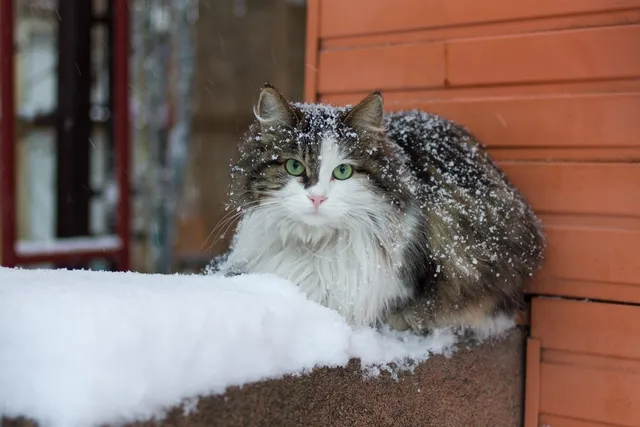
It’s easy to overestimate a cat’s tolerance for the cold. When they walk around sporting several inches of insulating fluff and act nonchalant in frigid outdoor weather, who can blame you? The outdoors is what many cats call home, and their spread across the globe often pits them against adverse wintery conditions in many of their natural habitats.
But making assumptions can quickly turn dangerous for our pets. Even those that live outdoors only tolerate temperatures as low as 45°F, with any subsequent drops being too cold for even the hardiest of felines to endure for any length of time. For indoor cats, the climate needs to stay around 70°F for their optimal comfort. To help you keep your pets safe and healthy when temperatures plummet, we’ll explore the signs and situations that might spell trouble for your cat.

How Cold Is Too Cold for Cats?
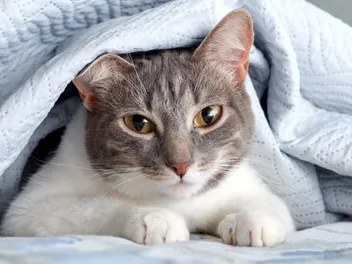
Like their human owners, cats have body temperatures hovering around 100°F. To keep their bodies in a comfortable zone, the indoor climate needs to stay at least 70°F. Cats can manage temperatures between 50°F–65°F, but they’ll typically begin seeking out warmer areas around heaters or burying themselves in soft blankets for insulation.
The most extreme temperatures healthy adult cats can handle is around -4°F, but even as the weather dips below 45°F, your cat may show signs of distress and early hypothermia.
Many factors will impact the extent to which cats can handle extreme cold. Humidity, rain or snow, wind chill, and access to shelter are some of the essential elements playing into your pet’s comfort level and tolerance for the weather. Breed differences, lifestyle, and body fat percentage will also mean that some cats will be better prepared for the cold than others.
Which Cats Tolerate Cold Weather the Best?

Healthy adult cats have the highest tolerance for low temperatures. With adequate fat stores (some more than others!) and robust immune systems, they’re likely to be more resilient than lean kittens or ailing senior cats. Alongside lower fat stores and less insulating fur, young kittens (under 7 weeks) have an underdeveloped ability to thermoregulate.
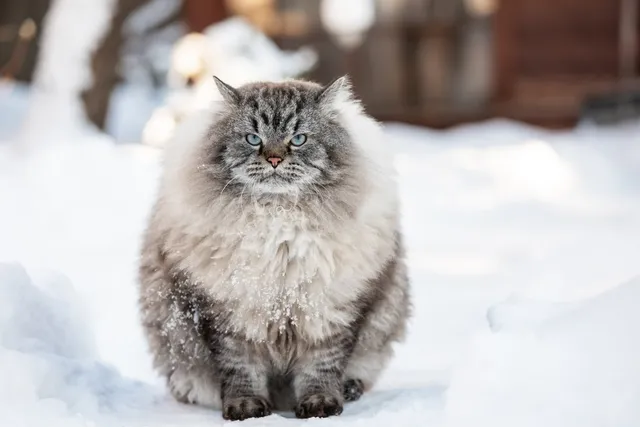
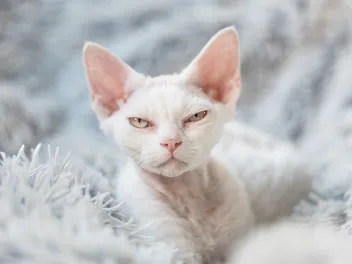
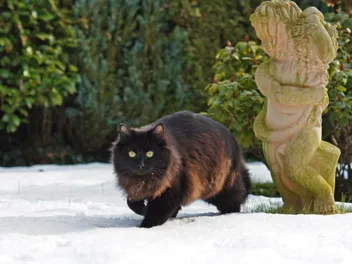
These general rules apply to all cats, but the breed can make a difference for multiple reasons. The most obvious is the amount of hair. While fluffier Himalayan or Norwegian Forest cats have abundant fur to help them withstand the cold, Sphynx and other hairless cats can’t tolerate temperatures much lower than 60°F.
Adaptation also plays a role in thermoregulation. Breed origins will impact how well they adapt to cold weather, and cats that have grown up in cold climates will be more accustomed and better adapted to the cold than those that have spent more of their life in warmer regions.
How Do Cats Thermoregulate?
Despite their close relationship with humans, cats are known for their independence and self-reliance, largely due to their ability to adapt to changing environments. Apart from their innate ability to seek out warmth in the most frigid places, they also have several physiological tools at their disposal to increase their body temperature, including:
- Brown fat that produces warmth
- Shivering
- Constricting blood vessels
- Bristling fur to increase air between their hairs (piloerection)
Piloerection traps an insulating layer of air within the fur, and constricting blood vessels keep cold air away from the skin, limiting the amount of heat lost to the environment. Shivering and other physical activity generates heat through muscle activation. Because of their increased metabolism, cold cats must eat more to keep up with the energy demands.
Indoor Vs. Outdoor Cats

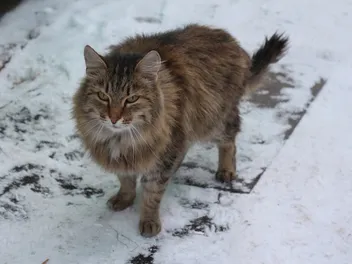
Much like the situation with cats who are used to living in cold places vs. those that aren’t, cats that live outdoors have a higher tolerance for cold weather than those that live completely, or predominantly indoors. Living outside, cats will naturally develop a thicker coat, providing extra insulation against the cold. Cats that live indoors, where temperatures are largely consistent, will find themselves feeling extra chilly if they step outside without being triggered to grow a winter coat.
Similarly, the cold weather will stimulate an increase in brown fat stores in outdoor cats, a critical asset in storing and releasing energy on demand when they need it the most. In several ways, they’re better equipped to handle cold weather than indoor cats, because they need to be.
Outdoor life is dangerous for many reasons, as evidenced by the shockingly low 2–5-year average lifespan of outside cats versus the 10–15 years of a healthy indoor cat. Although cold weather is rarely a direct cause of mortality in outdoor felines, it can play a contributing role by increasing physiological stress on the body, weakening immunity and resilience over time, making them more susceptible to infection or predation. Other risks facing cats living outside include trauma, parasites, poisoning, and physical altercations with other animals.
Signs That Your Cat Is Too Cold
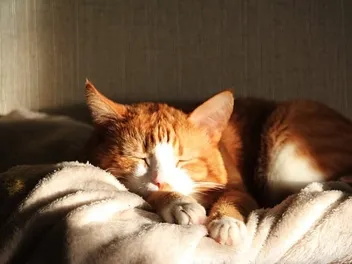
Cats have a higher body temperature than humans, meaning a person's comfortable ambient temperatures are often lower than felines would prefer. However, given the cat’s ability to quickly adjust to new conditions, room temperature is rarely problematic for a healthy pet. When it gets too cold, the first sign of discomfort they’ll provide is changing their sleeping position or moving to a warmer area.
If conditions get colder and your cat can’t find a warmer environment, you’ll first notice that their ears and paws are cold to the touch. As their exposure time to cold temperatures increases, additional signs of hypothermia may appear, including:
- Shivering
- Loss of appetite
- Lethargy and fatigue
- Changes in vocalization
- Decreased heart rate
- Dilated pupils
- Difficulty breathing
- Death
Alongside hypothermia, frostbite can take its toll on your cat’s extremities. The ears, tail, and paws may change colors to gray or a muted hue. Although cats are resilient even in the face of severe temperatures, you must immediately make a vet visit if you suspect they’re suffering from hypothermia or frostbite, as they can be fatal when unaddressed.
How to Help a Cold Cat

Being aware of your cat’s desire for a higher-temperature environment is the first step in keeping them happy and safe. You won’t necessarily have to bump up the thermostat to accommodate them, but putting cat trees and beds away from A/C vents and drafts, and offering warm blankets all they need to keep comfy. Pet safe heated blankets and beds are also available to ensure they always stay warm, but always make sure any electrical wires are kept safe from inquisitive kitties. And if all else fails, a warm lap will often do the trick.
Provide extra food during colder periods. As their metabolism increases to turn food energy into warmth, they’ll need help maintaining their inner furnace, but be careful not to overfeed them.
Cats aren’t completely helpless, but if we take them into our care, they need us to give them the tools to stay warm. If they play outside in the cold weather, they’ll need a break from the frosty temperatures. A cat door is one easy option for reliable access to a heated home.
Final Thoughts
Cats comfortably tolerate temperatures around 70°F but can handle much colder environments for limited periods. You’ll likely never need to worry about hypothermia and subsequent advanced health issues when you keep your cat indoors, but be aware that cats accustomed to an indoor lifestyle will be far more susceptible to cold conditions if they do go outside. If you provide access to warm areas, keep your cat well-fed, and understand the early signs of cold discomfort, you’ll have no problem avoiding what could quickly become a medical emergency for your feline friend.
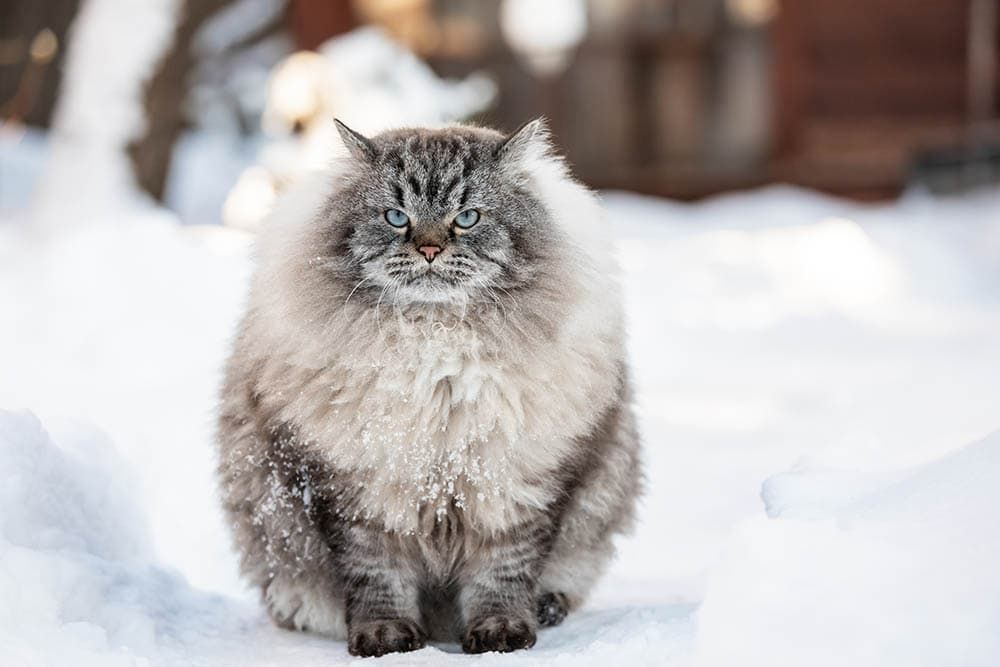
Featured Image Credit: Dmitry Naumov, Shutterstock
Expert cat care, straight to your inbox
News, insights, and useful advice, delivered to you.

No spam — unsubscribe anytime.
By signing up, you agree to our Terms & Conditions and Privacy & Cookies Policy.
How useful was this post?
Click a star to rate. You can leave written feedback afterwards. (We read all feedback.)
Christian started writing for a local newspaper as a teenager, and he's been involved in the publishing industry for most of his adult life. Combining his love of writing with a passion for animals, he is currently the Director of Editorial at Pangolia and the Editor-in-Chief at Catster.
Christian lives in the Philippines with his wife, son, and four rescue cats: Trixie, Chloe, Sparky, and Chopper.