Get

In Your Inbox

Catster is reader-supported. When you buy via links on our site, we may earn an affiliate commission at no cost to you. Learn more.

Do Cats Like The Cold? Our Vet Answers & Explains

Share

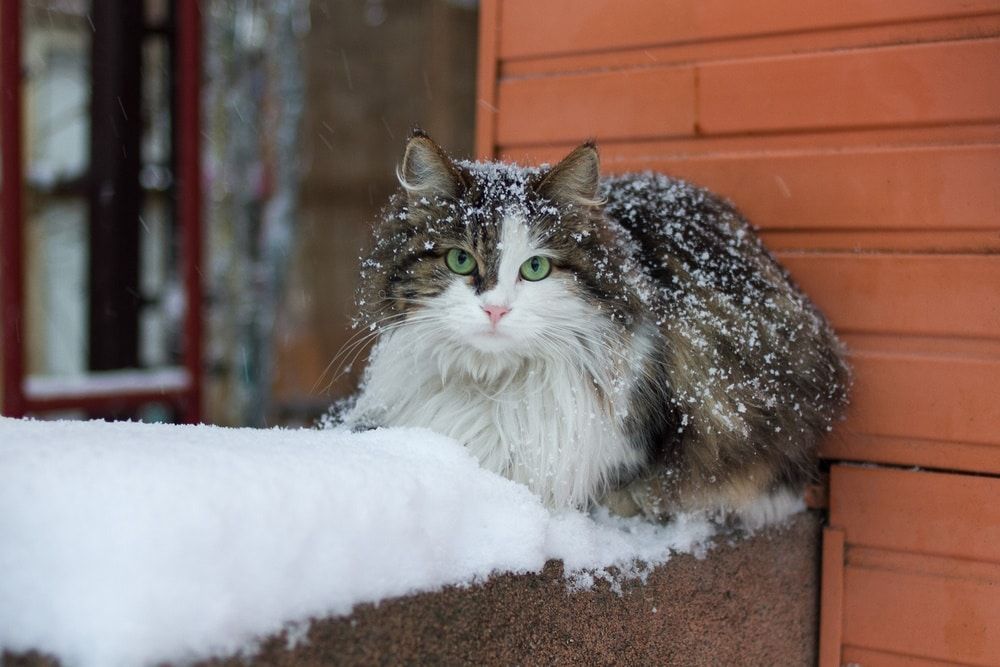
cat on snow

Most cats are covered in hair, which helps protect them from environmental elements. It certainly helps warm us up when we’re cuddling with them! So, it seems like felines should do well in cold environments. Perhaps they can even live outdoors in the rain and/or snow.

The big question is: Do cats like the cold? Cats have varying degrees of cold tolerance depending on factors such as their age, breed, and health status. However, all cats are susceptible to issues involving low environmental temperatures. Here’s what you should know.

divider cat paws oct 2024

Do Cats Even Get Cold?

The short answer to this question is yes, cats can and do get cold. The optimum ambient temperature for most cats is 77–86°F (25–30°C). Most healthy adult cats with a fur coat can tolerate lower temperatures between 50–65°F (10–18°C). Even at these temperatures, you may notice that your kitty looks for a warm place to snuggle up and keep warm.

Some cats are more susceptible to the cold than others. Examples of such cats are as follows:

Factors That May Change a Cat’s Cold Tolerance
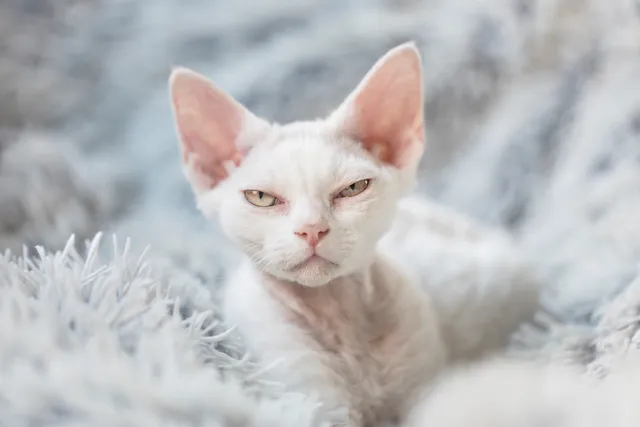
  • Breeds with no hair or sparse hair, such as the Sphynx, have poor cold tolerance. Conversely, double and triple-coated breeds have the best cold tolerance among cats.
  • Cats that are underweight or unwell likely cannot tolerate the cold as well as healthy cats in an ideal weight range.
  • Some senior cats may struggle to keep warm as temperatures drop, especially if they have a medical condition that impacts their metabolism.
  • Cats with osteoarthritis usually don’t appreciate colder temperatures.
  • Pre-weaned kittens (under 2 months of age) cannot tolerate low temperatures. They have strict temperature requirements depending on their age.
  • Cats with a large area of their fur missing (shaved or missing due to an illness) may be unable to keep warm, as fur plays a major role in thermoregulation.
  • Cats have poor temperature tolerance when wet, such as right after a bath, and will not tolerate cold temperatures well if they are wet.
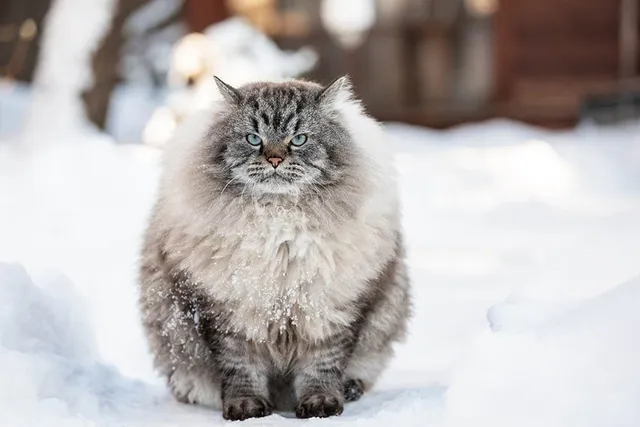
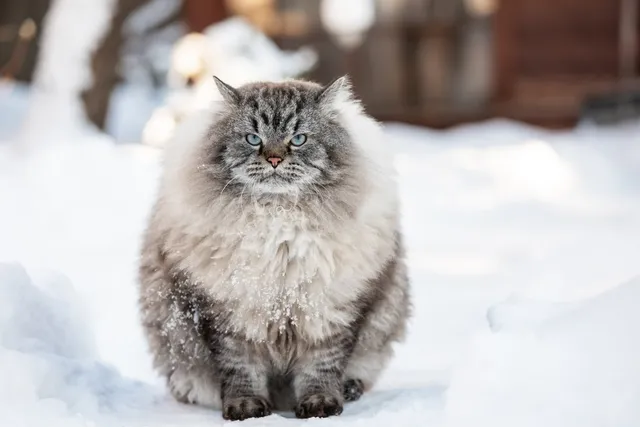
Siberian cat on a winter walk
Image Credit: Emil Helge, Shutterstock

Do Cats Like the Cold?

Some cats don’t seem to mind colder temperatures, while others don’t seem to like being in chilly weather at all. It depends on the cat and their circumstances, experiences, and lifestyle. A cat with long, thick hair that is used to being outside may enjoy frolicking in the snow for a little while before they’re ready to curl up in front of a fire to warm themselves. Conversely, a cat with less hair might do whatever they can to stay out of the cold! It’s not necessarily a matter of whether cats like cold weather, but more about how much they’re willing and/or able to put up with it.

In essence, a cat that’s comfortable with the ambient temperature may “like” the cold (as it wouldn’t bother them), whereas a cat that’s uncomfortable will not appreciate the cold. However, even a cat that seemingly enjoys the cold might be susceptible to issues such as frostbite.

During the winter, pet cats often see a reduction in play time and activity, an increase in food intake, and an increase in sleep time. In seasonal locations, cats shed less during the winter.

divider cat paws oct 2024

How to Tell if Your Cat Is Too Cold

Cats have some telltale signs that can hint that they’re feeling a bit too cold:

Signs Your Cat Might Be Feeling Cold
  • Seeking warmth: A cat that’s cold will seek out warm spots, such as a couch, bed, or even your lap. This can sometimes be concerning as cats are known to seek unsafe sources of warmth, such as the laundry room dryer.
  • Body language: A cold cat will often sit with their limbs held very close to their body, their tail wrapped around their body, and their fur slightly raised. If this doesn’t help, they will eventually begin shivering
  • Cold extremities: A cat that’s cold will often have ear tips, toes, and a nose that are cold to the touch. This is because their blood vessels constrict when they are feeling cold.
Cute little ginger kitten is sleeping in soft blanket on wooden floor
Image Credit: Alena Ozerova, Shutterstock

How to Keep Your Cat Warm in the Winter

There are several things that you can do to help keep your kitty warm during the winter season.

Tips on Keeping Your Cat Warm
  • Move their bed, cat tree, food bowl, and litter box away from drafts or colder areas (such as a tiled floor)
  • Utilize pet-safe heated blankets and beds. Ensure that your cat doesn’t have access to their wires.
  • Snuggle with your cat. Snuggling with your cat helps your cat stay warm
  • Reconsider their nutrition. Consult your vet about your cat’s nutrition. In the winter months, cats have increased metabolic needs to keep warm and therefore require more food. However, this should be done with caution, as overfeeding your cats isn’t healthy.
  • Install a cat door. If your cat is allowed outdoors safely (for example, in a catio), consider installing a cat door, which allows them to re-enter your house for warmth whenever they want to.
  • Restrict outdoor activities. As a general rule, unsupervised roaming is risky for cats and their environment. The colder months pose an additional weather risk, and for their own safety, cats shouldn’t be allowed outside unsupervised under such conditions.

divider cat paws oct 2024

Frequently Asked Questions

How Cold Is Too Cold for Cats?

The lowest temperature healthy adult cats can handle is around -4°F (-20 °C). However, they will not be comfortable in this temperature. Temperatures below 50°F (10 °C) are considered too cold for cats.

Maine Coon cat sits on snowy frozen path
Image By: Konstantin-Zaykov, Shutterstock

Can Cats Survive Outside in the Cold?

It depends on the circumstances whether a cat can survive outside in cold or freezing temperatures. If a feline has access to a warm space that protects them from wind, rain, or snow, they may be able to stay warm enough to survive. However, there is no guarantee that they wouldn’t succumb to cold or other factors and circumstances they have to deal with during the winter. To date, no studies have been conducted to ascertain the survival rate of feral or stray cats through the winter.

divider cat paws oct 2024

Conclusion

Cats can get cold, and it’s our job as their caretakers to make sure they have every opportunity to get and stay warm during the winter months or whenever the temperature gets chilly. The good news is that there are plenty of things that you can do to keep your furry family member warm and even help out the less-fortunate cats that are living on the street.


Featured Image Credit: melnikof, Shutterstock

Want content like this delivered to you?

Sign Up For Our Newsletter

News, insights, expert advice, and everything cat

* By submitting, you agree to our Terms & Conditions and Privacy & Cookies Policy.


How useful was this post?

Click on a star to rate (you can leave written feedback after clicking submit)

Help us improve Catster for pet parents!

Your feedback really matters.

What did you like about this post? Also how can we improve it?

Join the conversation

Leave a Reply

You’re very welcome to leave a comment or question. Please know that all comments must meet our community guidelines, and your email address will NOT be published. Let’s have a positive and constructive conversation.


Talk With A Vet Online

Peace of mind,
anywhere, anytime

Affordable vet advice

The Cat Biting Mistakes Most Owners Make (And What Works Instead)

Cat bites sent more than 400,000 people to emergency rooms in the US each year.1 Not scratches. Bites. And the reason they’re so...

Do Cats Cause Schizophrenia? Scientists Find a Link – Here’s What It Means

Being a fierce advocate (and occasional recipient of) mental health support and awareness, the term ‘crazy’ is not one I like to fling...

One in 100 Cats Gets Diabetes – Here’s How to Catch It Early

One in every 100 cats develops diabetes.1 That’s not a rare, unlucky condition reserved for cats with obvious health problems. It’s common enough...

Dramatic Rescue Turns Into Dramatic Reunion

What started as a routine call for the RSPCA became a heroic, five-hour rescue featuring one trapped and traumatized cat, an emotional family...

More related

Pet Remedy Kitten Calming Kit Review 2026: Pros, Cons, & Our Verdict

If you’re looking for a natural way to bring more peace to your house that is safe and effective for all the furry...

Do Munchkin Cats Shed a Lot? Vet-Reviewed Facts & Care Tips

Munchkin cats are a relatively new breed, having only been around in America since the 1940s. They are known for their short legs,...

Why Do Kittens Sometimes Die Suddenly? Vet-Verified Causes & Facts

Having a litter of newborn kittens in your house can be a cause for celebration, but it can sometimes also cause heartache. These...

Can Cats Kill Weasels? Our Vet Explains

The domestic cat is the most popular pet animal in the world today. Domesticated thousands of years ago, cats have followed humans all...

Keep reading

What Cleaning Products Are Safe for Cats? 10 Vet Approved Items to Keep at Home

Cleaning when you have cats can be a worrying business. Common cleaning agents like ammonia, chlorine (bleach), phenols, rubbing alcohol, formaldehyde, benzalkonium chloride, and essential oils can all be harmful to cats if they come into contact with them. If...

cleaning-a-dirty-mattress

Can Cats Eat Sherbet? Vet-Reviewed Facts & FAQ

Have you ever wondered, as you were enjoying a cold bowl of sherbet on a hot day, whether or not it would be OK to share a bit of your yummy dessert with your favorite feline companion? Most cat lovers...

Can Cats Eat Sherbet

Weruva Cat Food Review 2026: Recalls, Pros & Cons

Review Summary Weruva Inc. was founded by Stacie and David Forman in 2007 and is named after the couple’s three cats, Webster, Rudi, and Vanessa. The company was started after the couple grew tired of trying to find high-quality food...

Weruva Cat Food Review

How to Tell If My Cat has a Fever: 10 Vet-Reviewed Signs

For us, it’s easy to tell if we have a fever by feeling our foreheads or using a thermometer. Unfortunately, it’s not as simple as a pet parent when you think your cat is sick and might have a fever....

man holding himalayan cat

3 Food Sources of Thiamine for Cats (Vitamin B1): Vet Reviewed Options

We all want our cats to be healthy, happy, and with us for as long as possible. That’s why we take them to the vet for checkups, feed them high-quality, protein-filled food, and keep them indoors most of the time....

Munchkin cat eating

Does Catnip Calm Cats? Vet Approved Facts, How It Works & FAQ

While humans often see catnip as a “drug” for cats, it does not work in this way. Instead, catnip contains an oil that is similar to a pheromone that cats produce. This substance is called nepetalactone and can cause a...

cat smelling catnip

Will My Cat Eat My Guinea Pig? Risks, Safety Tips & FAQ (Vet-Verified)

If you’re a cat person who is interested in becoming a guinea pig person or vice versa, you may be wondering if it’s safe to bring the two together. Do cats eat guinea pigs? The good news is that many...

light brown guinea pig in cage enclosure with food

Are Roses Toxic to Cats? Vet-Verified Facts, Risks & Safety Tips

With Valentine’s Day coming up soon, you may be worried about using rose petals or buying the romantic flower for a loved one around your cat. Luckily, roses are not toxic to cats, meaning that you should not worry about...

Catster_Are Roses Toxic to Cats

Love Cats? So Do We! Join the Catster Community

Stay informed with expert pet care insights delivered straight to your inbox! Discover professional guidance on animal behavior, feeding tips, trusted product picks, and much more.


Sign up for the Catster Email Newsletter

Stay informed with expert pet care insights delivered straight to your inbox! Discover professional guidance on animal behavior, feeding tips, trusted product picks, and much more.