How to Help Stray & Feral Cats Survive in Winter: 8 Vet-Approved Tips


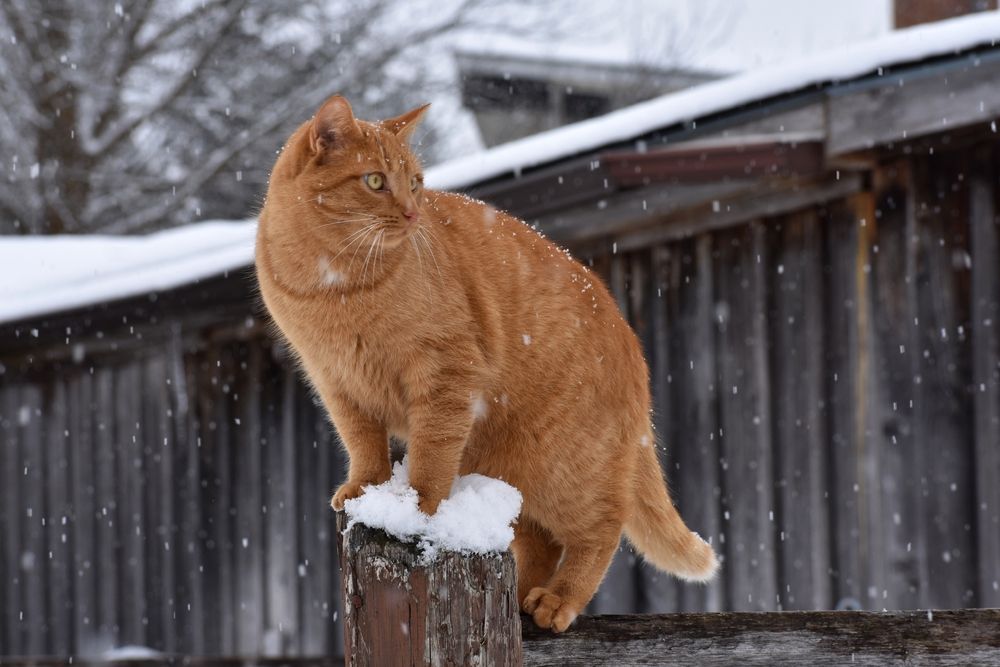
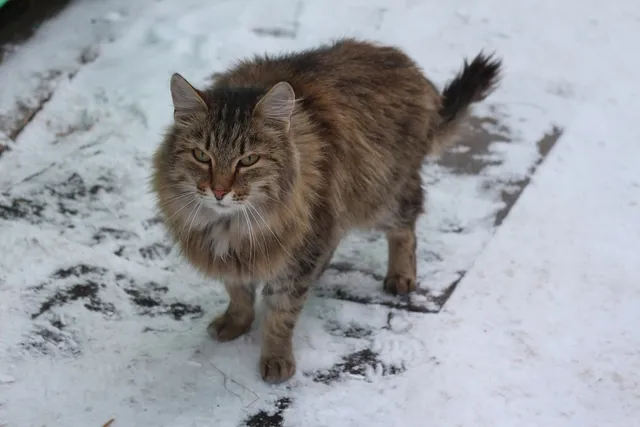
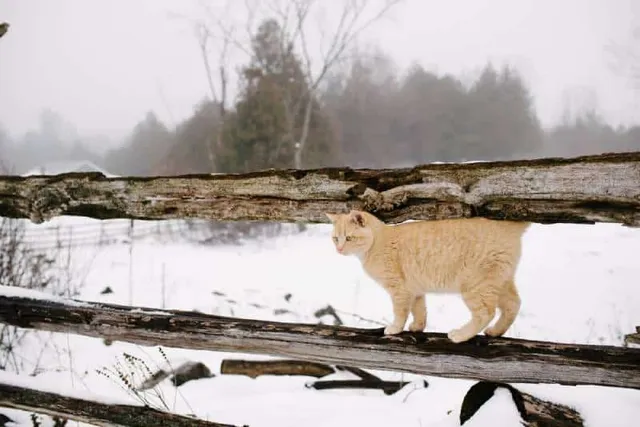
Winter is harsh for everyone, but even more so for stray and feral cats that are not lucky enough to be able to find refuge in loving homes. As the temperature drops, these animals face increased risks of hunger, disease, and even death. Fortunately, there are steps that we can take to assist these vulnerable creatures with getting through the colder months.

The 8 Tips to Help Stray and Feral Cats Survive the Cold
Here are eight ways to help stray and feral cats get through the winter season.
1. Provide Warm and Cozy Shelters
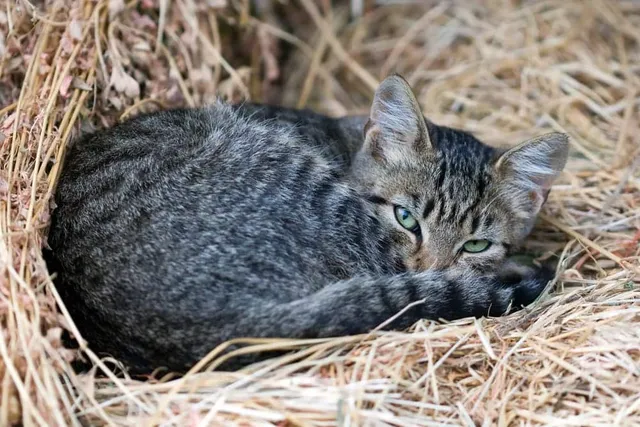
The best thing that you can do to help stray and feral cats protect themselves from the bitter cold is to provide them with outdoor shelters. But there’s no need to rack your brains to do this—a simple cardboard shelter can work. Elevate it, shield it with newspapers, and cover the lid with plastic to keep it dry. Plywood can be used to stabilize lightweight shelters. You can also use materials like polystyrene coolers, plastic bins, or wooden crates and insulate them with straw. In any case, be sure to keep the shelter off the ground to prevent moisture from seeping through.

2. Set Up Feeding Stations
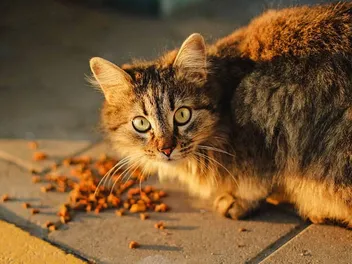
In winter, cats need more calories to cope with freezing temperatures, hence the importance of providing them with sufficient food. Set up feeding stations in their frequented areas, using sturdy, weather-resistant containers to protect their food from freezing.
3. Provide Access to Fresh Water
Cats need to stay hydrated even when the temperatures outside are freezing. Unfortunately, they may have a harder time finding sources of liquid water during the winter, putting their survival at risk. If possible, get insulated or thick plastic bowls to prevent the water from freezing. Refill fresh water as often as possible, and make sure the bowls do not tip over inside the shelters.

4. Check Under Your Car Before Starting
Remember to tap your hood a few times before starting your vehicle. It is common for stray cats to hide in there, attracted by a still-warm engine. Cats also tend to take refuge in garages, garden sheds, or any other accessible shelter. Be careful not to accidentally lock them in there.
5. Take Advantage of Trap-Neuter-Release (TNR) Programs
Implementing TNR programs is a long-term solution to help control the population of stray and feral cats. Many animal welfare organizations and groups offer these services, where cats are trapped, spayed or neutered, vaccinated, and then returned to their original location. This humane approach helps manage the population and improves the health and well-being of stray and feral cats that do not have easy access to veterinary care. However, you still need to make sure the cats will have access to adequate shelter when you return them to their territory.

6. Coordinate With Local Animal Shelters
Another way to help stray cats is to contact animal shelters and local rescue organizations to see if they have any winter initiatives in place. Many organizations have programs to provide resources like food, shelter, and medical care to stray and feral cats.
7. Seek Professional Assistance
If you are having difficulty or need advice on helping stray or feral cats, please do not hesitate to seek professional help. Animal welfare organizations, local shelters, experienced feral cat caregivers, and veterinarians can all help you in your efforts to improve the living conditions of outdoor cats during the harshest winter months.
We suggest you contact a vet online if you need urgent veterinary advice.
8. Adoption and Foster Care
Fostering or adopting a feline without a home can seem like the best option to help them in the winter months, but it is important to understand the difference between stray and feral cats. A stray cat is one who has been socialized with people at some point in their lives, but has lost or left their home or been abandoned. Stray cats that are fostered or adopted and re-introduced to a cozy, indoor home can settle in well, and this can be a great option for them in the right circumstances. Feral cats, however, are unsocialized outdoor cats that have not had previous contact with people and so are generally fearful of humans and therefore unlikely to enjoy living indoors. Healthy feral cats in general are content living outside, but kittens born to feral cats can be socialized at a young age and fostered or adopted.
Final Thoughts
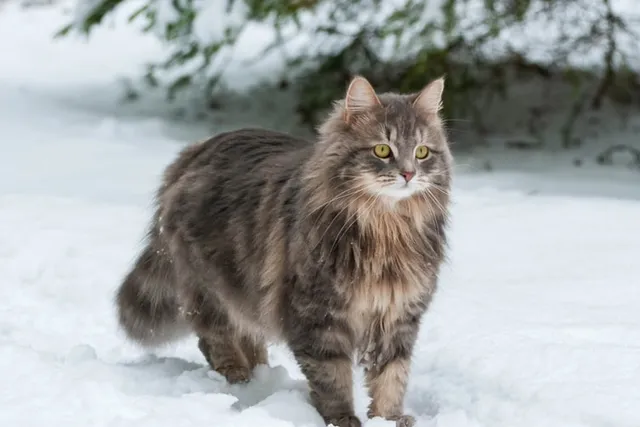
Stray and feral cats are generally more accustomed to changing weather conditions than our indoor feline companions. However, harsh winter conditions can put them at risk. By providing warm and dry shelters, food, fresh water, and other resources, we can contribute to their immediate survival during the coldest months and make a significant difference in their lives. Stray cats can often be adopted and re-adjust to living indoors with people. Adult feral cats are not socialized to people and so cannot usually be fostered or adopted to indoor homes.
Featured Image Credit: Je Brou, Shutterstock
Expert cat care, straight to your inbox
News, insights, and useful advice, delivered to you.

No spam — unsubscribe anytime.
By signing up, you agree to our Terms & Conditions and Privacy & Cookies Policy.
How useful was this post?
Click a star to rate. You can leave written feedback afterwards. (We read all feedback.)
Genevieve is both a biologist and a science writer, driven by her deep love for capuchin monkeys, pumas, and kangaroos. Her dedication to wildlife has taken her across the globe, from Bolivia and Guatemala to Canada and Australia, working and volunteering at various rehabilitation centers. As a Canadian living in Argentina, Genevieve starts her days with horses and cows greeting her from the plains outside her home office. She is the proud parent of three rescued dogs—Lemmy, Nala, and Pochi—and an energetic kitten named Furiosa. The opportunity to share her passion and expertise in animal care brings her great satisfaction.